The first time I visited Kyoto in July, I stepped off the train and felt like I’d walked into a sauna set to “cultural overload.” It was 34°C (93°F), cicadas were screaming from the trees, and lanterns were already going up for Gion Matsuri. I’ve been back three summers since — and I’d still argue summer is one of the most electric times to see Kyoto, if you do it right.
Key Takeaways
- Gion Matsuri runs all July, with main parades on July 17 and 24 (free to watch; paid seats ~¥4,000).
- Expect 30–35°C (86–95°F) and high humidity — plan early mornings and evening outings.
- Temple entry fees usually range from ¥300–¥600, with fewer crowds before 9am.
- Summer specialties like hamo (pike conger) and kakigōri shaved ice cost ¥800–¥2,500.
If you’re planning a Japan trip for summer 2026 — maybe pairing it with Osaka’s Expo 2025 carryover buzz or a wider Kansai loop — here’s how to experience Kyoto without melting or drowning in tour groups.
Why Kyoto in Summer Is Worth It (Yes, Even in the Heat)
Let’s be honest: Kyoto is hot. The city sits in a basin, which traps heat and humidity like a bowl of soup.
But summer also brings:
- Japan’s most famous festival (Gion Matsuri)
- Evening temple illuminations
- Riverside dining platforms over cool water
- Thinner daytime crowds at major sights (because many tourists avoid summer)
If you’ve read our guides to wild landscapes like Patagonia’s Torres del Paine vs. El Chaltén, you know timing changes everything. Kyoto is the same — just swap wind for humidity.
Gion Matsuri: The Festival You Plan Around
If you’re coming in July, your schedule revolves around Gion Matsuri. It’s not just a parade — it’s an entire month of events.
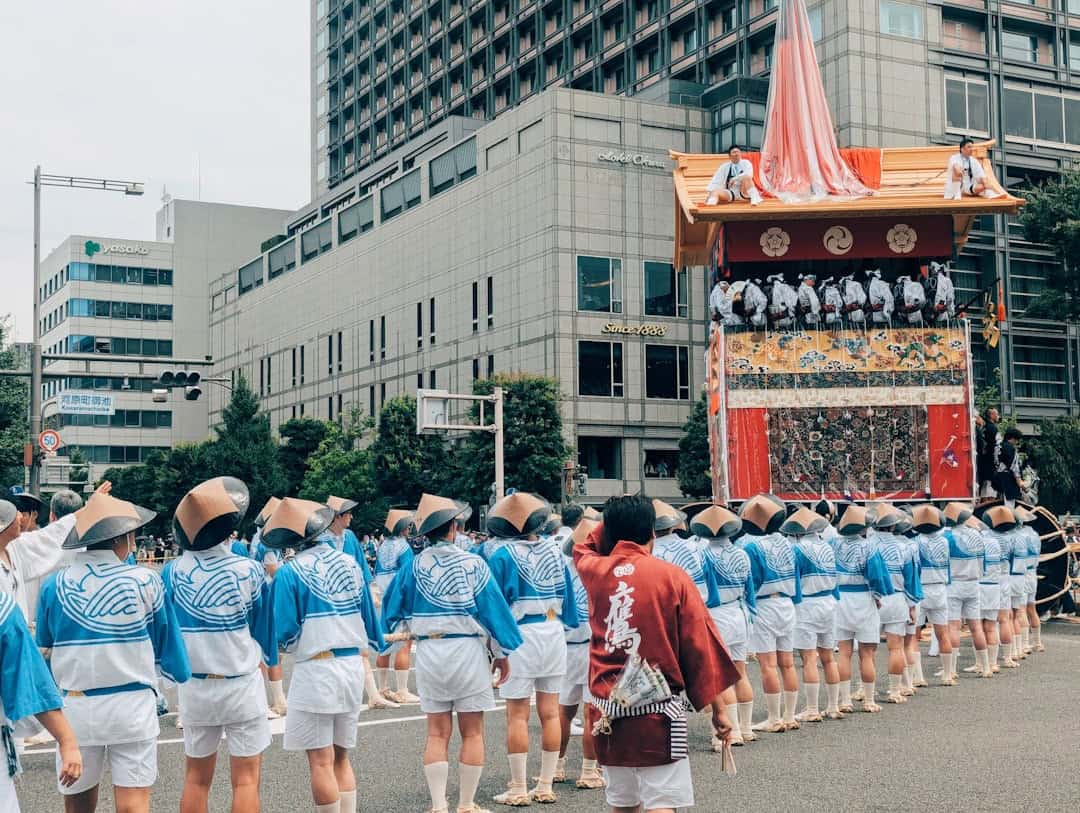
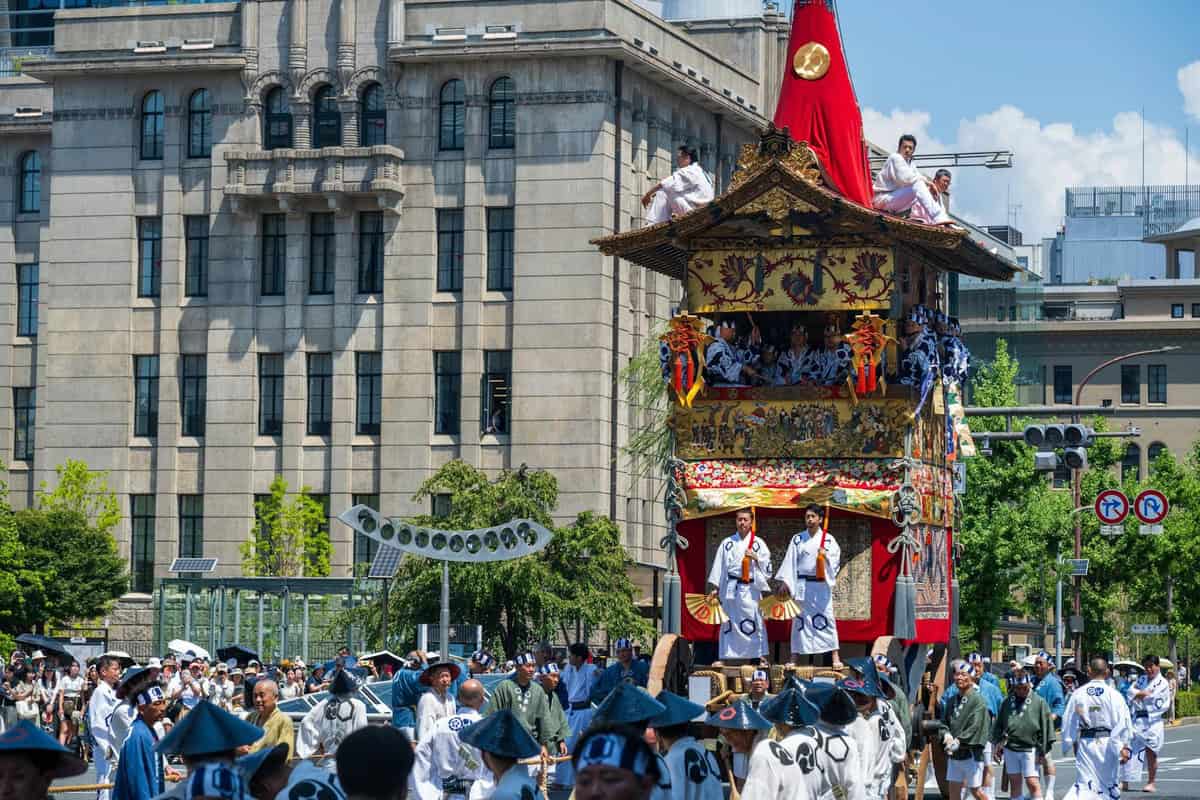
The highlights are the two Yamaboko Junko processions on July 17 and July 24. Massive wooden floats (some 25 meters tall) roll through downtown Kyoto, pulled by teams in traditional dress.
My advice: Skip paying for grandstand seats unless you hate standing. Arrive by 8:30am, bring a cold drink from 7-Eleven (~¥150), and claim a curbside spot along Shijo or Kawaramachi.
The real magic, though, is during yoiyama evenings (July 14–16 and 21–23). Streets close to traffic, lanterns glow, and locals wander in yukata eating street food.
What to try:
- Takoyaki (octopus balls) – ~¥600
- Yakitori skewers – ~¥400
- Kakigōri shaved ice – ~¥800
It’s festive but still feels local — not theme-park Japan.
Hidden Temples That Shine in Summer
Yes, you should see Fushimi Inari and Kiyomizu-dera. But in summer, the quieter temples are where Kyoto really breathes.
1. Shōren-in (Higashiyama)
Ten minutes on foot from Chion-in, but a fraction of the visitors. The moss garden glows neon green after summer rain.
Entry is around ¥600. Go at opening (usually 9am) and you’ll practically have the tatami rooms to yourself.
2. Kibune Shrine (North Kyoto)
Take the Eizan train from Demachiyanagi (30 minutes, ~¥430). The shrine sits in the mountains, and it’s often 5–7°C cooler than downtown.
The stone steps lined with red lanterns are iconic. Come late afternoon, then have dinner over the river (more on that below).
3. Tōfuku-ji (Early Morning Zen)
Famous for autumn leaves, but surprisingly peaceful in summer. The wooden Tsutenkyo Bridge over a sea of green maple leaves feels like a private forest.
Arrive at 8:30am opening. Entry: ~¥500.
Riverside Dining: Kyoto’s Summer Secret Weapon
Here’s something many first-timers miss: kawadoko dining platforms.
In summer, restaurants along the Kamo River (central Kyoto) and in Kibune build wooden decks over flowing water. It’s Kyoto’s answer to air conditioning.
Kamo River (Downtown)
More casual and affordable. You’ll find everything from izakayas to Italian spots.
Budget around ¥3,000–¥6,000 per person for dinner. Request terrace seating when booking.
Kibune Kawadoko
More traditional — and pricier. Multi-course kaiseki meals start around ¥8,000 and can climb to ¥15,000+.
Is it worth it? For a first trip in summer, yes. Sitting above a rushing mountain stream while eating seasonal hamo (pike conger) is peak Kyoto.
What to Eat in Kyoto in Summer
Kyoto cuisine is subtle and seasonal. Summer dishes are designed to cool you down.
Hamo (Pike Conger)
A Kyoto summer staple because it survives well in warm waters. Usually served lightly blanched with plum sauce.
Try it in Nishiki Market or at a mid-range kaiseki spot for ¥2,000–¥3,000.
Yudofu (Cold Tofu Variations)
While hot tofu is classic, summer versions are served chilled with ginger and soy. Simple and refreshing.
Matcha Everything
Uji (20 minutes by train) produces Japan’s best green tea. A thick matcha parfait will cost around ¥1,200 — touristy, but genuinely delicious.
Skip the Instagram lines in Gion and look for smaller tea houses near Demachiyanagi instead.
Smart Tech Tips for Surviving Kyoto’s Heat
This is where modern travel makes summer Kyoto much easier than it used to be.
- Use a weather app with heat index — 32°C can feel like 40°C with humidity.
- Carry a portable Wi-Fi or eSIM so you can duck into nearby cafés when storms roll in.
- Buy a rechargeable neck fan at Don Quijote (~¥3,000) — not glamorous, but lifesaving.
- Use Google Maps’ “popular times” feature to avoid peak temple hours.
- Hydrate constantly — vending machines are everywhere (¥120–¥180 per drink).
Kyoto is extremely walkable, but in summer I plan my days in 90-minute outdoor blocks, followed by indoor breaks (museum, café, temple hall).
Sample 3-Day Summer Itinerary
Day 1: Classic Higashiyama + Gion Night
Start at Kiyomizu-dera at 8am. Walk Sannen-zaka before the shops fully open.
Midday break at a café. Evening: wander Gion during festival nights or along Shirakawa Canal.
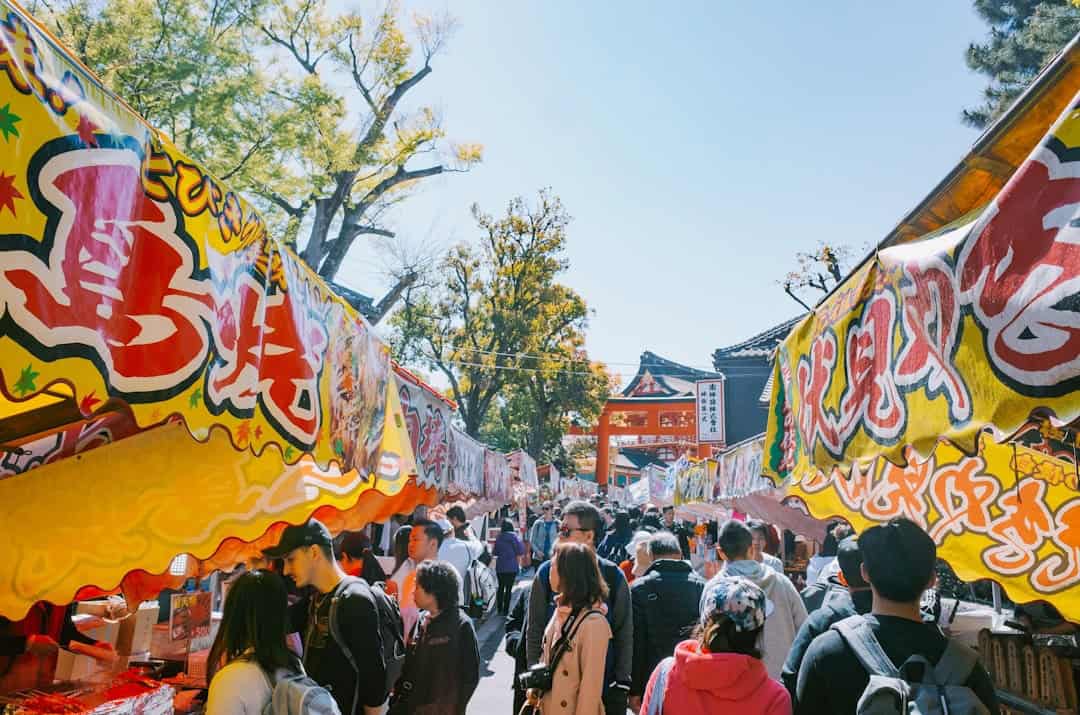
Day 2: Fushimi Inari + Uji
Arrive at Fushimi Inari by 7am. Hike at least to the Yotsutsuji intersection (about 45–60 minutes up).
Head to Uji for matcha lunch and Byodo-in Temple. Back to Kyoto for riverside dinner.
Day 3: Northern Kyoto Escape
Morning at Tōfuku-ji or Nanzen-ji. Afternoon trip to Kibune for cooler mountain air.
End with kawadoko dining over the river.
When to Visit in Summer 2026
Late June: Slightly less intense heat, hydrangeas in bloom.
Mid-July: Peak Gion Matsuri energy — book hotels 3–4 months ahead.
August: Hotter, but fewer international tourists. Obon (mid-August) brings traditional dances and the Daimonji fire festival on August 16.
Hotel prices in central Kyoto range from ¥12,000–¥25,000 per night for mid-range stays in summer 2026. Book early if you’re coming during festival weeks.
Common Tourist Mistakes (Avoid These)
- Visiting Fushimi Inari at noon in July.
- Only eating in Nishiki Market (good, but overpriced).
- Skipping northern Kyoto because “it’s too far” (it’s not).
- Overpacking your schedule — heat will slow you down.
Kyoto rewards slow travel. Think early starts, long lunches, and glowing lantern evenings.
Final Thoughts: Is Kyoto in Summer Worth It?
If you want cherry blossoms, go in April. If you want fiery maple leaves, go in November.
But if you want Kyoto at its most alive — festival drums echoing, lanterns flickering, riverside dinners under the stars — summer is unforgettable.
Plan smart, wake up early, eat seasonally, and lean into the rhythm of the heat. Kyoto will meet you there.
Thinking of pairing Kyoto with Osaka or Tokyo? Or building a wider Japan tech-friendly itinerary? Explore more of our destination guides on Distratech to plan your smartest trip yet.
Looking for a place to stay during Kyoto’s July heat and festivals? Check hotel deals in Kyoto and book early.
Frequently Asked Questions
Is Kyoto too hot in summer?
Kyoto regularly reaches 30–35°C (86–95°F) with high humidity in July and August. It’s hot but manageable if you explore early mornings, take indoor breaks, and stay hydrated.
When is Gion Matsuri 2026?
Gion Matsuri runs throughout July, with the main float processions on July 17 and July 24, 2026. Evening street celebrations happen July 14–16 and 21–23.
How much should I budget per day in Kyoto?
For a mid-range trip, expect ¥10,000–¥18,000 ($65–$120 USD) per day excluding accommodation. Temple entries are typically ¥300–¥600, and meals range from ¥800 street food to ¥8,000+ kaiseki dinners.
Is Kyoto worth visiting in August?
Yes, especially around Obon (mid-August) and the Daimonji fire festival on August 16. It’s hotter than July but slightly less crowded with international tourists.

About the Author: Tomáš Bzirský
Founder and editor of Distratech. Based in the Czech Republic, travelling regularly from Central Europe. Writes practical travel guides and travel-tech comparisons (eSIM, apps, airports) in six languages.