The first time I stood beneath Patagonia’s granite spires, I realized something quickly: choosing between Torres del Paine (Chile) and El Chaltén (Argentina) isn’t about which is “better.” It’s about what kind of adventure you want.
Both offer jaw-dropping peaks, glacier-fed lakes, and wind strong enough to knock your ego sideways. But they feel completely different on the ground — in cost, logistics, and vibe. If you’re planning your first Patagonia trip for the upcoming October–April hiking season (prime time in the Southern Hemisphere), here’s exactly how to choose.
Key Takeaways
- Torres del Paine park entry costs ~$49 USD for 3+ days; El Chaltén’s main trails remain free (as of 2026).
- The W Trek in Torres takes 4–5 days; El Chaltén’s best hikes are doable as day trips.
- Expect to budget $120–$250/day in Torres vs. $60–$120/day in El Chaltén.
- Best hiking season is October–April, with peak crowds in January–February.
- Strong winds year-round — bring 80 km/h wind-ready gear.
Torres del Paine (Chile): Dramatic, Structured, Bucket-List Energy
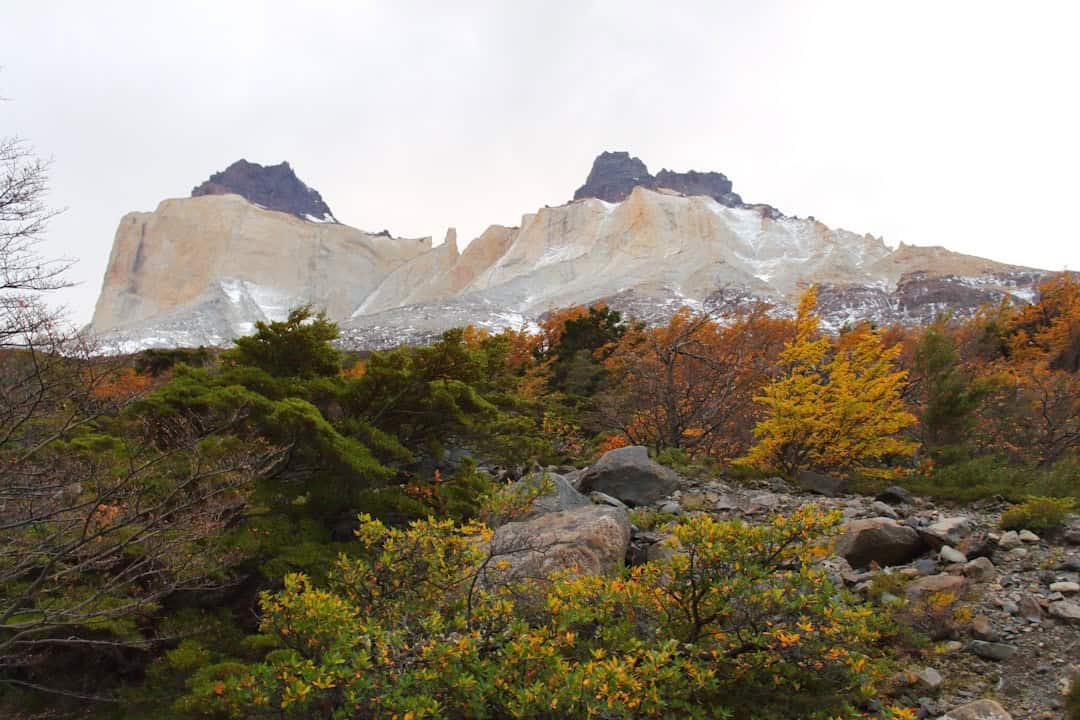
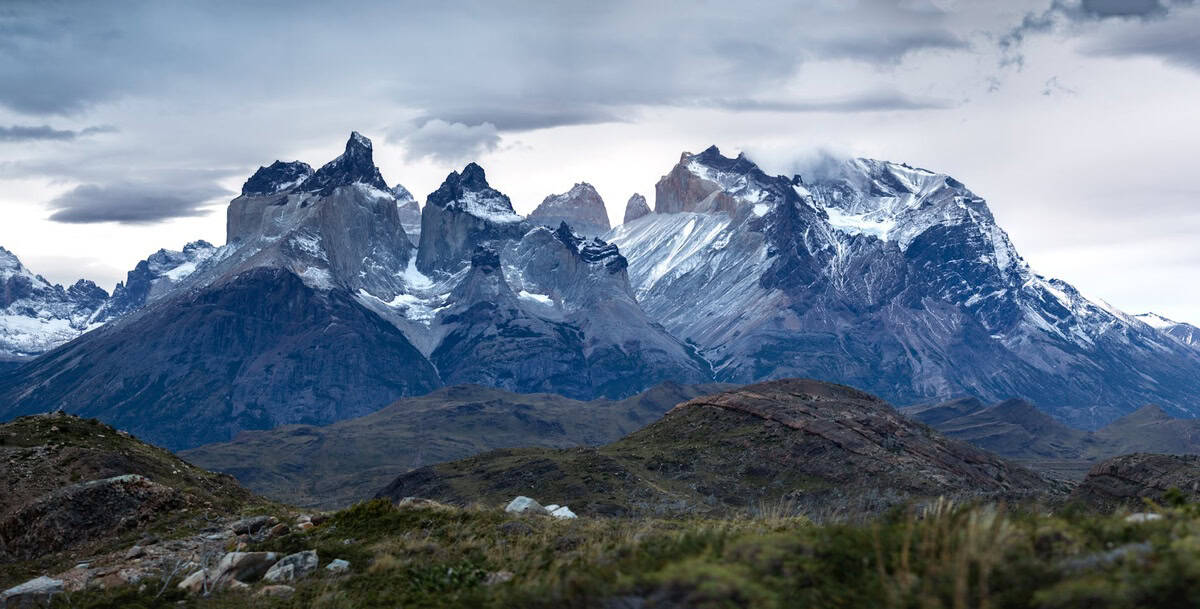
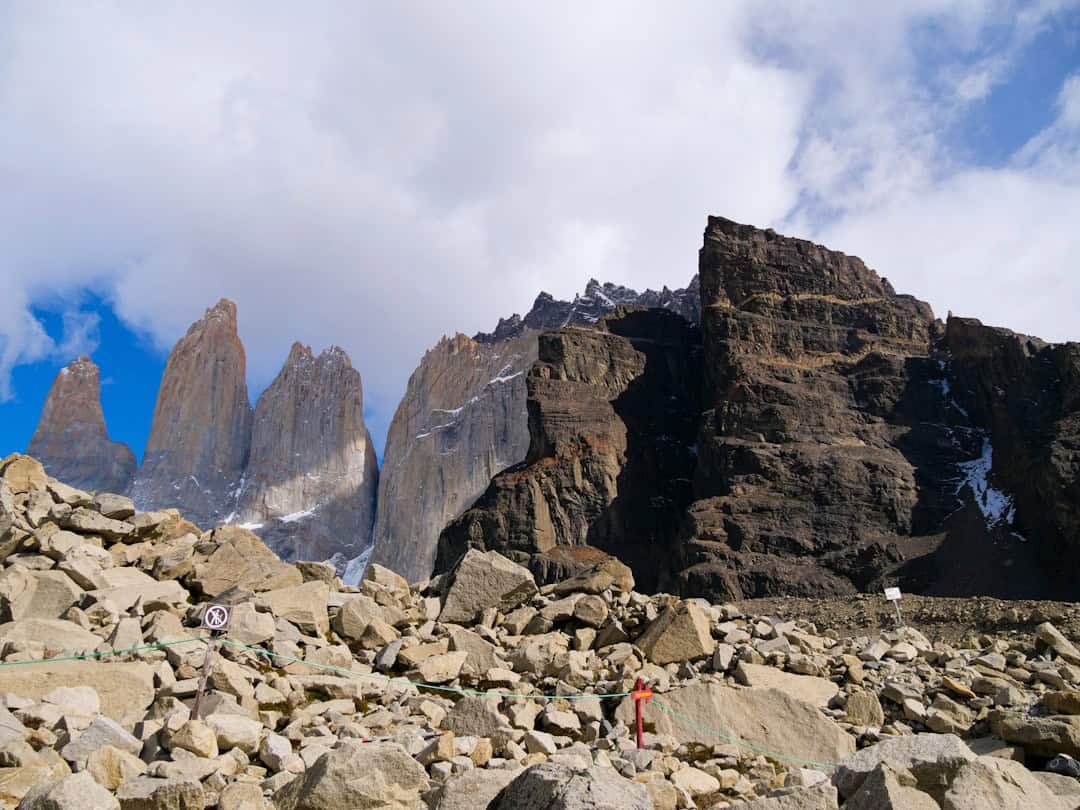
Torres del Paine National Park is Patagonia’s headline act. Think turquoise lakes, the iconic three granite towers, and the kind of landscapes that make your phone storage cry.
But here’s the truth: it’s organized, regulated, and not cheap.
What Makes It Special
The W Trek is the star. It’s a 70–80 km route typically done in 4–5 days, connecting:
- Base of the Towers (Mirador Las Torres)
- French Valley
- Grey Glacier
The infrastructure is impressive — refugios with hot meals, dorm beds, even pisco sours at the end of a long hike.
If you want a multi-day trek without wilderness navigation stress, Torres delivers.
What It Costs (2026 Reality)
This is where first-timers get surprised.
- Park entry (3+ days): ~$49 USD for foreigners
- Refugio dorm bed: $50–$90 per night
- Camping platform: $15–$30
- Full-board packages: $120–$180 per day
Book months ahead for January–February. Shoulder season (October–November or March–April) is cheaper and quieter — and honestly, better for photos.
Who Torres Is Best For
Choose Torres del Paine if you:
- Want a structured multi-day trek
- Prefer reserving accommodation in advance
- Have 4–6 days dedicated to hiking
- Don’t mind paying more for convenience
It feels epic and polished. Less spontaneous, more cinematic.
El Chaltén (Argentina): Raw, Flexible, Budget-Friendlier
El Chaltén is a tiny hiking town at the base of Mount Fitz Roy. No gates. No checkpoints on the main trails. Just trailheads starting right from town.
The vibe is backpacker-meets-mountaineer. It’s more relaxed, more flexible, and significantly easier on your wallet.
What Makes It Special
The classic hike is Laguna de los Tres (Fitz Roy viewpoint). It’s about 20–25 km round trip and can be done in a long day (8–10 hours).
Other standouts:
- Laguna Torre (Cerro Torre views)
- Loma del Pliegue Tumbado (panoramic ridgeline)
- Huémul Circuit (serious 4-day trek for experienced hikers)
You can do world-class hikes and sleep in the same bed every night. No hut reservations required.
What It Costs (2026 Snapshot)
Argentina’s inflation makes prices volatile, but El Chaltén remains cheaper than Torres overall.
- Main trail access: Free (policy subject to change)
- Hostel dorm: $15–$30 USD equivalent
- Private room: $40–$80
- Meals: $10–$20
You can realistically spend $60–$100 per day if you’re budget-conscious.
Who El Chaltén Is Best For
Choose El Chaltén if you:
- Prefer day hikes over hut-to-hut trekking
- Want flexibility with weather
- Are traveling on a tighter budget
- Like small mountain-town vibes
It feels adventurous without feeling over-managed.
Weather & Timing: What Spring Means in Patagonia
Patagonia’s hiking season runs roughly October to April. Since it’s April 2026 right now, we’re heading into the final stretch of the season before winter closures.
October–November (Spring there): Wildflowers, fewer crowds, unstable weather.
December–February: Warmest months, busiest, most expensive.
March–April: Crisp air, autumn colors, excellent photography, fewer people.
Wind is constant. Gusts can hit 80–100 km/h. Bring a real shell — not your “city windbreaker.”
And don’t rely solely on cell signal. If you’re hiking remote sections, satellite connectivity matters. We recently covered why Apple’s satellite smartphone features are changing spring travel safety — and Patagonia is exactly where that tech becomes useful.
Getting There: Logistics Breakdown
Torres del Paine
Fly into Punta Arenas (PUQ), then bus 3 hours to Puerto Natales. From there, another 1.5–2 hours to the park.
El Chaltén
Fly into El Calafate (FTE), then 3-hour bus to El Chaltén.
Flights to southern Patagonia aren’t cheap. If you’re planning for next season, use flexible search tools and alerts — especially for Southern Hemisphere summer. We break down smart booking strategies in our guide to finding cheap last-minute flights in 2026.
Which One Should You Choose?
Here’s my honest verdict after hiking both:
If you only have 4–5 days: Pick El Chaltén. You’ll maximize scenery with less logistical stress.
If you dream of a classic multi-day trek: Pick Torres del Paine and do the W.
If budget is tight: El Chaltén wins.
If you want Patagonia’s “greatest hits” in one cinematic route: Torres.
Ideally? Do both. They’re about 5–6 hours apart by bus (with a border crossing), and pairing them gives you the full Patagonia experience.
Practical Tips for First-Timers
- Book Torres refugios 3–6 months ahead for peak season.
- Carry cash in Argentina — card machines occasionally fail in El Chaltén.
- Start hikes early (7–8am) to beat wind and crowds.
- Download offline maps (Maps.me or AllTrails+).
- Pack layers: merino base, fleece, windproof shell, gloves even in summer.
Patagonia rewards preparation. It punishes overconfidence.
Final Thoughts: Patagonia Isn’t a Competition
Torres del Paine is bold, dramatic, and bucket-list iconic. El Chaltén is freer, scrappier, and easier to shape around your schedule.
If this is your first Patagonia trip, ask yourself one question: do you want a structured trek or flexible day hikes? That answer decides everything.
Either way, you’re stepping into one of the most spectacular hiking regions on Earth.
Planning a bigger South America itinerary this year? Bookmark this guide, start watching flights, and build your route around Patagonia’s season window.
For stays before Torres del Paine hikes, browse hotels in Puerto Natales and book early for the October–April season.
Frequently Asked Questions
Is Torres del Paine or El Chaltén better for beginners?
El Chaltén is generally better for beginners because most hikes are day trips with clear trails and no mandatory bookings. Torres del Paine’s W Trek requires advance reservations and multi-day logistics, which can be more complex.
How much does a trip to Patagonia cost?
Budget travelers can spend $60–$100 per day in El Chaltén and $120–$250 per day in Torres del Paine. Costs vary depending on accommodation style, guided tours, and season.
When is the best time to visit Patagonia?
The best hiking season is October to April, with peak weather in December–February. March and April offer fewer crowds and beautiful fall colors with cooler temperatures.
Do you need to book the W Trek in advance?
Yes. Refugios and campsites for the W Trek should be booked 3–6 months ahead for high season (December–February). Shoulder season offers slightly more flexibility.

About the Author: Tomáš Bzirský
Founder and editor of Distratech. Based in the Czech Republic, travelling regularly from Central Europe. Writes practical travel guides and travel-tech comparisons (eSIM, apps, airports) in six languages.