Last July in Bangkok, I stepped outside at 8:15 a.m. and my glasses fogged up instantly. It was already 92°F (33°C) with 78% humidity — and that was considered “normal” for rainy season. By noon, my cotton T-shirt felt like a wet towel.
If you’re heading to Southeast Asia, the Caribbean, southern Florida, coastal Mexico, or West Africa this summer 2026, packing smart isn’t optional. In high humidity, the wrong clothes don’t just feel uncomfortable — they can ruin your day.
Key Takeaways
- Choose lightweight, quick-dry fabrics (merino, linen, performance blends) — avoid heavy cotton.
- Plan for 85–95°F (29–35°C) temperatures and 70%+ humidity in most tropical destinations from June–September.
- Pack anti-chafe stick ($8–$15) and strong SPF 50+ sunscreen — you’ll reapply every 2–3 hours.
- A portable neck fan ($20–$35) or mini USB fan is a game-changer for city exploring.
- Limit yourself to 5–7 breathable outfits for a 10-day trip — laundry is cheap in most tropical countries.
1. Breathable Clothing That Actually Works
This is where most people go wrong. They pack cute outfits — not climate-appropriate ones.
Humidity doesn’t let sweat evaporate, so your goal is airflow and fast drying. Leave thick cotton and polyester blends at home unless they’re moisture-wicking performance fabrics.
What I Recommend
- 2–3 linen or linen-blend tops – Breathable and forgiving when wrinkled.
- 2 moisture-wicking T-shirts – Think Uniqlo Airism or merino blends.
- 1 loose button-down shirt – Doubles as sun protection.
- 2 pairs of lightweight shorts or flowy skirts
- 1 breathable travel dress or airy trousers for temples or upscale dinners.
In places like Bali or Cartagena, you’ll sweat through at least one outfit per day. The upside? Laundry services often cost $5–$10 per kilo and return clothes in 24 hours.
Pro tip: Dark colors show salt stains less than pastels.
2. The Right Footwear (Blisters Are Not a Souvenir)
Hot pavement + sweaty feet = blisters.
Bring shoes you’ve already broken in. Summer is not the time to debut brand-new sandals.
Best Options
- Breathable walking sandals (Teva-style or leather with cushioning)
- Lightweight mesh sneakers for cities
- Flip-flops for beach or hostel showers
If you’re planning hikes — say, combining a tropical beach trip with alpine air later — check out our guide to summer hiking in the Swiss Alps. Mountain packing is a completely different strategy.
In humid climates, moisture-wicking socks are worth every dollar. I learned that the hard way in Singapore.
3. Sun Protection That Goes Beyond Sunscreen
Tropical sun hits differently. UV indexes regularly hit 10–12 by midday in June and July.
You need layers of protection.
- SPF 50+ broad-spectrum sunscreen (reef-safe if you’re swimming)
- Wide-brim hat or cap
- Polarized sunglasses
- Lightweight long-sleeve cover-up
Expect to reapply sunscreen every 2–3 hours. A 3 oz travel bottle might only last 4–5 days if you’re outdoors constantly.
Buying sunscreen locally can cost double in resort areas — I’ve paid $22 USD for a small bottle in Cancun. Pack enough from home.
4. Sweat Management Essentials (The Unsexy but Crucial Stuff)
No one talks about this, but they should.
Humidity means constant moisture. Preventing irritation will save your trip.
- Anti-chafe stick (thighs, underarms, anywhere fabric rubs)
- Clinical-strength deodorant
- Small microfiber towel for wiping sweat
- Body wipes for long transit days
If you’re attending summer festivals — from Caribbean carnivals to Southeast Asian beach parties — you’ll be grateful you packed these.
5. Rain Gear (Yes, Even in “Sunny” Season)
Summer in tropical regions often means rainy season.
That doesn’t mean all-day rain. It usually means intense 30–60 minute downpours around 4 p.m.
Instead of a heavy rain jacket, bring:
- Ultra-light packable rain shell
- Compact umbrella
- Waterproof phone pouch
After storms, humidity spikes even higher. Quick-dry clothing becomes even more important.
6. Tech That Survives Heat and Humidity
Electronics hate moisture. So does your patience when your phone overheats at 2 p.m.
In places like Phuket or Miami Beach, direct sun can overheat a phone in under 15 minutes.
Smart Additions
- Portable power bank (10,000–20,000 mAh)
- Water-resistant daypack
- Mini USB fan or wearable neck fan
- Dry bag for boat tours
If you’re road-tripping through hot states this summer, especially in the U.S. Southwest or southern Europe, the latest Android Auto music app redesign makes long drives smoother — fewer screen taps, less distraction in glaring sunlight.
7. Health & Hydration Must-Haves
Dehydration sneaks up fast in humid climates because sweat doesn’t evaporate visibly.
- Collapsible water bottle (1 liter minimum)
- Electrolyte packets
- Basic rehydration salts
- Small first-aid kit
In many tropical destinations, bottled water costs $1–$3 per liter. If your hotel has filtered water, refill daily and save money.
A quick rule: If you haven’t peed in several hours, drink more water.
8. What NOT to Pack
Let’s save space and regret.
- Heavy denim (dries painfully slow)
- Thick makeup (it will melt)
- Too many “just in case” outfits
- High heels for cobblestone or beach towns
You’ll rotate through the same breathable pieces anyway. Minimalism wins in humid climates.
Sample 10-Day Packing List (Carry-On Friendly)
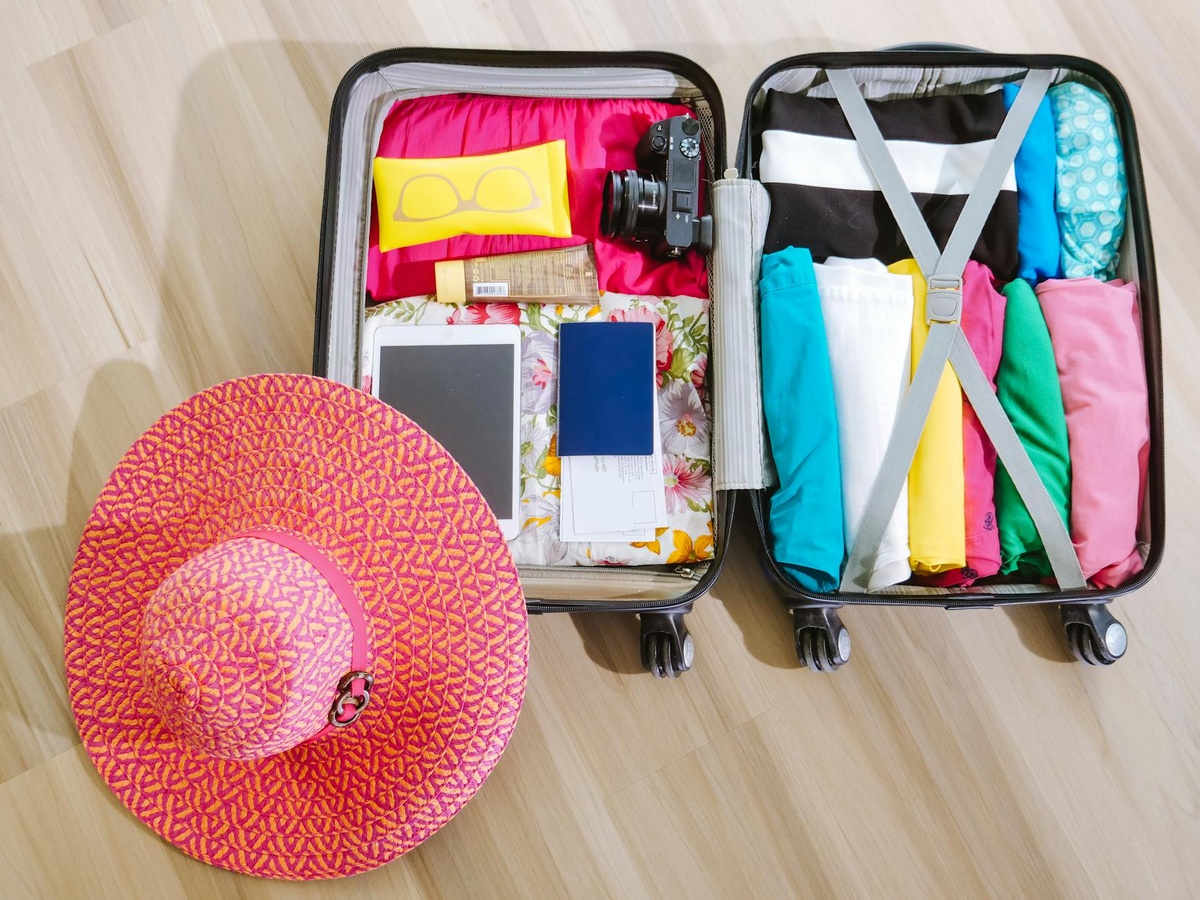
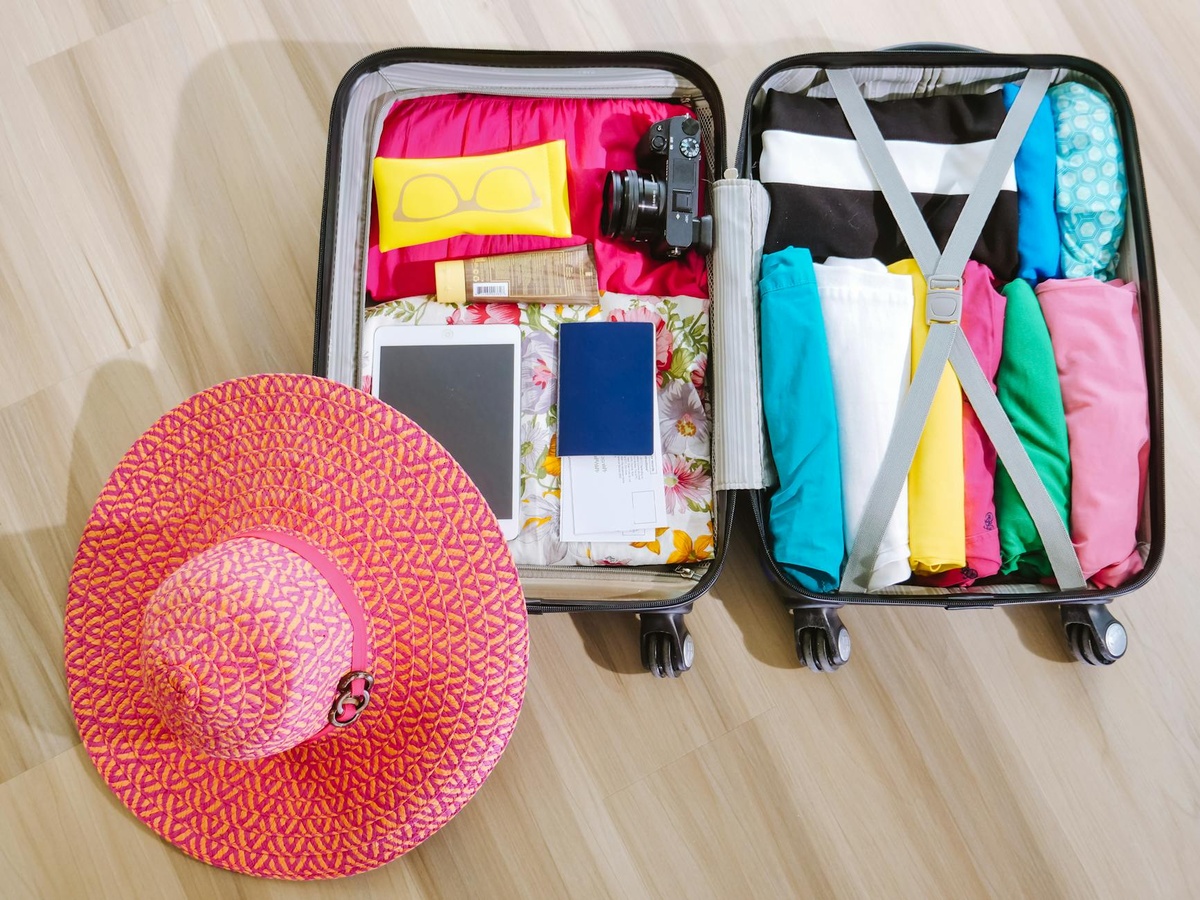
Here’s a realistic setup for a 10-day summer trip to a hot, humid destination:
- 5–7 lightweight tops
- 3 bottoms (shorts/skirts/trousers)
- 1 dress or nicer evening outfit
- 1 rain shell
- 2 pairs of shoes + flip-flops
- Swimwear (2 sets)
- Compact toiletries + sunscreen
- Small tech pouch
This fits in a 40L carry-on if you use packing cubes.
When to Travel (And How It Affects Packing)
Late spring and early summer (May–June 2026) often bring rising humidity but slightly fewer storms in parts of Southeast Asia and the Caribbean.
July and August are peak heat months. Expect higher hotel prices in popular beach destinations and heavier rainfall in some regions.
If you’re flexible, shoulder-season travel can mean fewer crowds and slightly more tolerable temperatures — especially in early June or late September.
Final Thoughts: Pack Light, Pack Smart
Hot and humid destinations are incredible in summer — lush landscapes, warm ocean water, vibrant festivals, long beach days.
But comfort determines whether you enjoy that 3-mile city walk or retreat to your hotel at noon.
Choose breathable fabrics. Protect your skin. Manage sweat. And don’t overpack.
Planning your full summer itinerary? Explore more seasonal guides and smart travel tips on Distratech before you book — your future, less-sweaty self will thank you.
Frequently Asked Questions
What fabrics are best for hot and humid weather?
Linen, merino wool blends, and moisture-wicking performance fabrics are best. Avoid heavy cotton and thick polyester, which trap moisture and dry slowly.
How many outfits should I pack for a 7–10 day tropical trip?
Pack 5–7 breathable outfits and plan to do laundry once. In most tropical destinations, laundry services cost $5–$10 per kilo and return clothes within 24 hours.
Is it better to buy sunscreen at my destination?
Usually no. Sunscreen in tourist areas can cost $15–$25 per bottle, often double home prices. Bring enough SPF 50+ from home for your entire trip.
Do I need a rain jacket in tropical summer?
Yes, but choose a lightweight, packable rain shell. Summer rain is often short but intense, especially during June–September rainy seasons.

About the Author: Tomáš Bzirský
Founder and editor of Distratech. Based in the Czech Republic, travelling regularly from Central Europe. Writes practical travel guides and travel-tech comparisons (eSIM, apps, airports) in six languages.