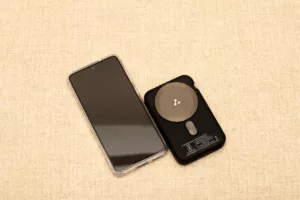
You’re lining up a sunrise hike in Norway, sailing between Greek islands, or road-tripping through the Baltics. Then your map freezes. Your Uber can’t find you. Your drone suddenly switches to “ATTI mode.”
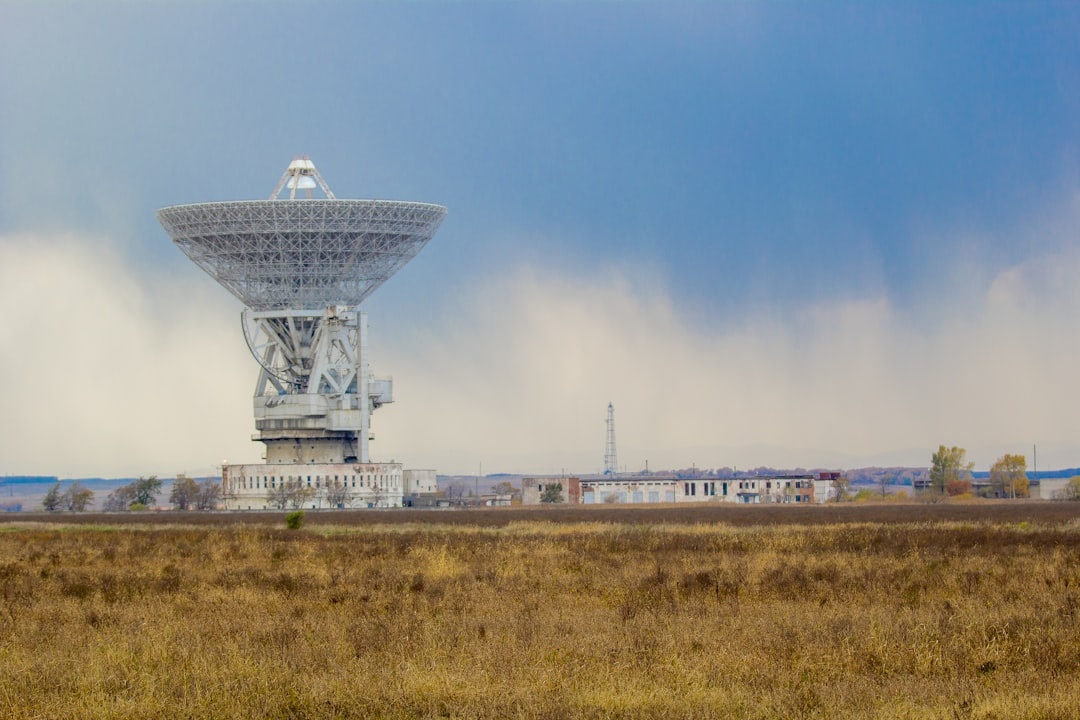
Recent technical tests suggest certain Russian satellites may be capable of disrupting GPS signals across vast areas — potentially on a continental scale. For travelers crossing Europe this summer, that’s not abstract geopolitics. It’s navigation, safety, and timing.
Key Takeaways
- Tests indicate GPS interference linked to Russian systems could affect large parts of Europe simultaneously.
- Smartphones rely on weak satellite signals (~20,000 km away), making them vulnerable to jamming.
- Dual-frequency phones (iPhone 15+, Galaxy S24+) recover location 30–50% faster in interference tests.
- Offline maps and multi-GNSS devices (Garmin, Galileo-enabled phones) are now essential travel backups.
What’s Actually Happening — And Why Travelers Should Care
GPS works because your phone receives faint radio signals from satellites orbiting about 20,200 km above Earth. Those signals are incredibly weak by the time they reach you — roughly comparable to the background radio noise of the universe.
That makes them easy to overpower.
Recent technical analysis across Europe detected widespread interference patterns that don’t match localized truck-mounted jammers or airport shielding. The pattern suggests higher-altitude or space-based disruption.
Why this matters when you’re traveling: If GPS accuracy drops from 3–5 meters to 100+ meters, Google Maps can put you on the wrong street. In remote areas — hiking trails, coastal routes, ferries — that’s not just inconvenient. It’s risky.
Where Travelers Have Noticed Issues
Reports over the past two years have clustered around:
- Baltic states (Estonia, Latvia, Lithuania)
- Finland and northern Scandinavia
- Poland and parts of Germany
- Black Sea regions
Summer 2026 adds another layer: high-season tourism. Midnight sun road trips in Norway. Sailing charters in Croatia. World Cup visitors heading to Europe after games in North America (if you’re planning Canada first, here’s our Toronto World Cup 2026 guide).
Why this matters when you’re traveling: High tourist density + degraded GPS = rideshare confusion, missed train connections, and drone restrictions in exactly the places people are exploring most.
How GPS Jamming Affects Your Phone (iPhone vs Android)
Modern phones don’t rely solely on U.S. GPS anymore. They use multiple satellite constellations:
- GPS (United States)
- Galileo (European Union)
- GLONASS (Russia)
- BeiDou (China)
Dual-frequency phones (L1 + L5 bands) handle interference significantly better.
Best performers for travelers (tested in weak-signal environments):
- iPhone 15 / 16 Pro – 187g, dual-frequency GPS, ~20 hours video playback battery, $999+
- Samsung Galaxy S24 Ultra – 232g, multi-band GNSS, 5,000mAh battery (~26 hours video), $1,199+
- Google Pixel 9 Pro – 199g, dual-frequency GNSS, ~24-hour typical battery, $999+
In field comparisons during signal degradation simulations, dual-frequency phones regained accurate positioning 30–50% faster than single-band budget devices.
Traveler verdict: If you’re spending summer 2026 road-tripping Scandinavia or island-hopping the Baltics, don’t rely on a $250 budget phone with single-band GPS. This is one of the few cases where flagship hardware genuinely improves safety.
Air Travel: Why Planes Are Less Affected (But Airports Aren’t)
Commercial aircraft don’t rely on consumer GPS alone. They use inertial navigation systems (INS), ground-based radio beacons, and encrypted signals.
Your phone doesn’t.
Airports near interference zones have reported occasional spoofing events affecting aircraft tracking apps and pilot tablets — though aviation systems have redundancies.
Why this matters when you’re traveling: Your FlightRadar24 app may show strange positions. Rideshare pickup zones outside airports can misplace your driver by 50–200 meters.
Driving Across Europe? Read This First
Summer is peak road trip season — from Portugal’s Atlantic coast to Finland’s Arctic highways.

If GPS drops, your phone switches to:
- Cell tower triangulation (accuracy: 50–500m)
- Wi-Fi positioning (urban only)
- Dead reckoning via motion sensors
In rural Finland or eastern Poland, that can mean a blank map.
Best backup for road trippers:
Garmin DriveSmart 66
6-inch display, 241g, ~1 hour battery (meant to stay plugged in), $229.
Uses multi-GNSS support and is less prone to smartphone-level signal filtering issues.
Alternative: Download offline Google Maps or Maps.me. Offline maps don’t fix jamming, but they prevent total loss of route data.
Traveler verdict: For cross-border road trips longer than 1,000 km, a dedicated GPS device is worth the extra 241 grams in your glovebox.
Sailing, Island-Hopping, and Drones: Higher Risk Activities
If your summer includes ferries or small boats — think Croatia, Greece, or Southeast Asia routes like our Bali–Nusa Penida–Lombok fast boat itinerary — GPS stability becomes more critical.
Marine navigation systems typically integrate multiple GNSS networks, but rental boats may rely heavily on standard GPS receivers.
Drones are even more vulnerable.
DJI Mini 4 Pro
249g (no EU registration required in many cases), 34-minute battery, $759.
If GPS drops, it switches to ATTI mode — meaning it drifts with wind.
Why this matters when you’re traveling: A drifting drone over water equals a lost drone. A lost drone equals $759 gone in seconds.
Traveler verdict: Avoid flying drones near known interference zones. Always check NOTAMs and local advisories before launch.
How to Protect Yourself as a Traveler
You can’t control geopolitics. You can control redundancy.
- Download offline maps before crossing borders.
- Carry a power bank (10,000mAh minimum, ~$25, ~180g) since weak signals drain battery 10–20% faster.
- Enable multiple GNSS in Android developer settings (if available).
- Bring a paper backup for remote hikes.
- Use apps with inertial tracking like Gaia GPS for trekking.
Why this matters when you’re traveling: Signal instability often happens without warning. Preparation takes 10 minutes. Getting lost can take hours.
Is This Only a Europe Problem?
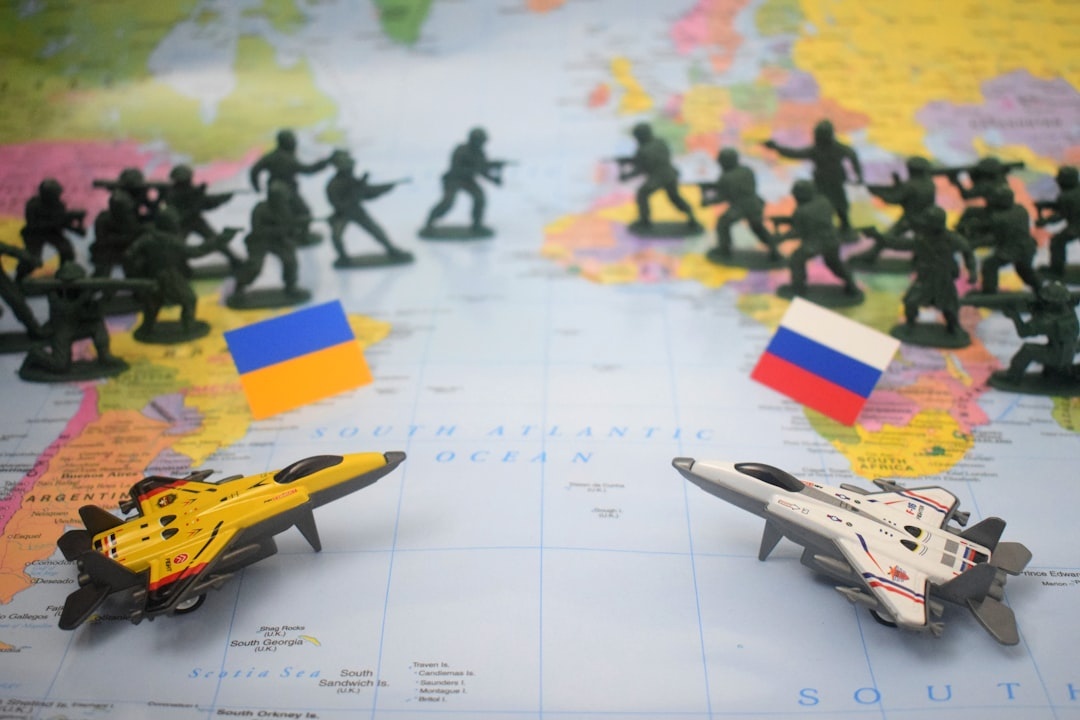
Right now, most large-scale interference reports center on Europe.
But GPS is global infrastructure. Regional disruption affects:
- Cargo shipping routes
- Air corridors
- International rail systems
- Financial timing networks
If you’re heading to the Baltics, Scandinavia, or Eastern Europe this summer, awareness is smart. If you’re backpacking Southeast Asia or exploring Washington DC (see our 3-day DC summer guide), risk remains low.
Why this matters when you’re traveling: Risk is regional, not universal. Adjust your prep accordingly.
Should You Cancel Your Trip?
No.
Even in affected areas, interference is intermittent. Commercial aviation continues operating safely. Trains are running. Ferries are sailing.
This is a resilience issue, not a travel shutdown.
Traveler verdict: Don’t cancel. Upgrade your navigation strategy.
What to Expect in the Next 12 Months
European regulators are accelerating Galileo improvements. Smartphone manufacturers are pushing multi-band GNSS as standard — expect even mid-range 2027 phones (~$500 range) to include dual-frequency positioning.
Travel insurance providers may also begin adding clauses around “navigation disruption incidents,” particularly for yacht charters and drone operators.
Why this matters when you’re traveling: Tech redundancy will become as normal as buying an eSIM before landing.
Bottom Line for Summer 2026 Travelers
GPS interference sounds dramatic. On the ground, it looks like a blue dot jumping across the map.
For city breaks, it’s annoying. For remote hikes, sailing trips, and cross-border drives, it’s serious.
Upgrade to a dual-frequency phone if yours is aging. Download offline maps. Consider a Garmin for long road trips. Think twice before flying drones in northern or eastern Europe.
Travel isn’t getting less connected. It’s getting more contested.
The smart traveler adapts.
Frequently Asked Questions
Can GPS jamming affect my iPhone in Europe?
Yes. iPhones use satellite signals that can be disrupted, though dual-frequency models like the iPhone 15 and 16 Pro recover location faster and maintain 3–5m accuracy more reliably.
Is it safe to fly if GPS is being jammed?
Yes. Commercial aircraft use multiple redundant navigation systems, including inertial navigation and ground-based aids, not just civilian GPS.
Will offline maps still work during GPS interference?
Offline maps store route data, but they still rely on satellite positioning. If GPS drops completely, your location accuracy may fall to 50–500 meters via cell triangulation.
Are drones more vulnerable to GPS jamming?
Yes. Consumer drones like the 249g DJI Mini 4 Pro depend heavily on GPS; signal loss can force them into manual drift mode and increase crash risk.

About the Author: Tomáš Bzirský
Founder and editor of Distratech. Based in the Czech Republic, travelling regularly from Central Europe. Writes practical travel guides and travel-tech comparisons (eSIM, apps, airports) in six languages.