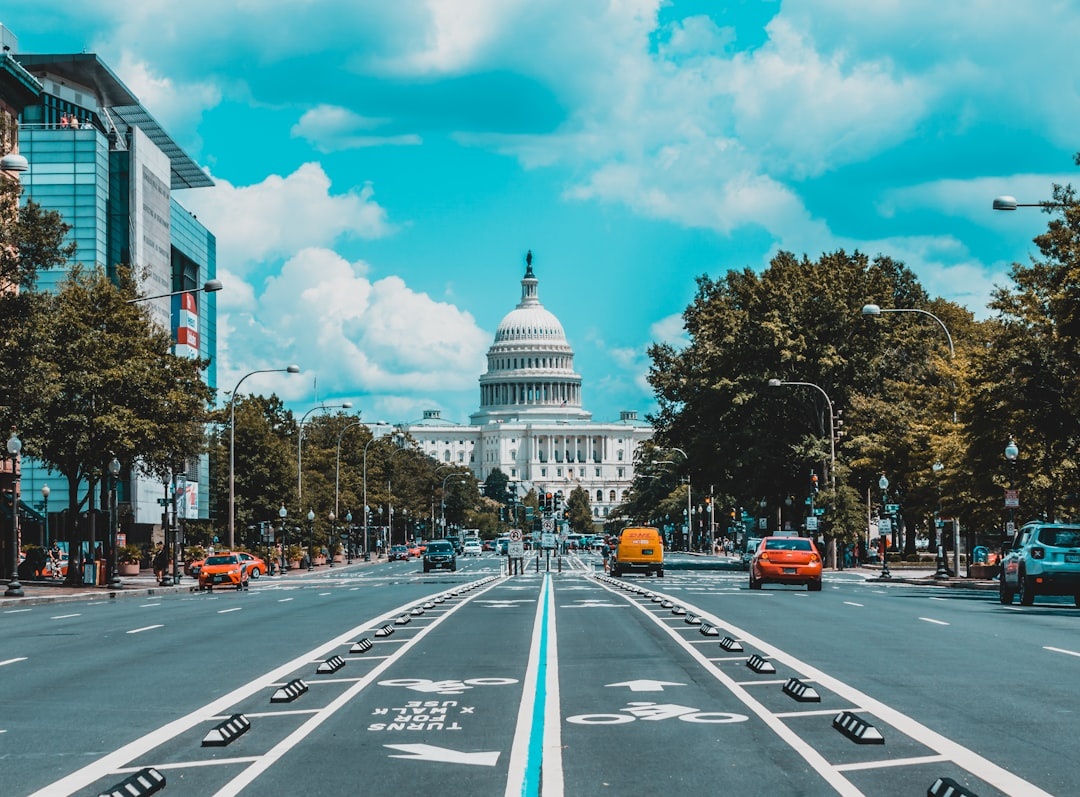
Washington DC in summer is sweaty, political, and surprisingly fun. The museums are free, the rooftops are buzzing, and the monuments glow long after sunset. If you plan it right, you can eat like a diplomat, bike the National Mall at golden hour, and still avoid the worst tourist traps.
Key Takeaways
- All Smithsonian museums are free; timed-entry passes are required for the National Museum of African American History (reserve at si.edu).
- Metro ride: $2–$6 depending on distance vs Uber from downtown to Georgetown: $15–$22, 15–20 min.
- Top summer activity: sunset monument bike ride ($8 Capital Bikeshare day pass).
- Expect 85–95°F (29–35°C) in June–August; plan indoor museums mid-day.
- Three-day food budget: ~$150–$220 per person for excellent local spots.
This is a focused, three-day itinerary from someone who lives here — with real prices, specific restaurants, and honest advice on what to skip.
Day 1: The National Mall — Do It Smart, Not Exhausting
Morning: Lincoln to Washington (2.2 miles, 1 hour walking)
Start at the Lincoln Memorial before 9am. It’s open 24 hours and blissfully quiet early in the day. From there, walk the Reflecting Pool toward the World War II Memorial and up to the Washington Monument.
Pro tip: Reserve Washington Monument tickets ($1 service fee) at recreation.gov. Same-day tickets drop at 10am and disappear in minutes during summer.
Skip: Guided Segway tours at $75+ for 2 hours.
Do instead: Capital Bikeshare — $8 for a 24-hour pass, stations every few blocks.
| Option | Cost | Time | Verdict |
|---|---|---|---|
| Walking entire Mall | $0 | 3–4 hrs | Free but tiring in 90°F heat |
| Capital Bikeshare | $8/day | 1.5–2 hrs | Best value + breeze |
| Guided bus tour | $45–$60 | 3 hrs | Comfortable but rushed |
Midday: Pick ONE Smithsonian
You cannot do three museums in one afternoon. Choose one and go deep.
Best overall: National Museum of African American History and Culture (free, timed entry required in summer). Plan 2.5–3 hours. The history floors are powerful and immersive.
Best for tech lovers: National Air and Space Museum (recently renovated galleries reopened 2022–2026 phases). See the Wright Flyer and Apollo 11 Command Module. Free, but reserve timed passes in peak season.
Hours for most Smithsonian museums: 10am–5:30pm.
Cool off inside between 12pm–3pm. DC humidity is no joke.
Dinner: The Wharf (Waterfront Vibes)
Head to The Wharf (20-minute walk from the Mall or 10 minutes by Uber, ~$12).
Where to eat:
• Hank’s Oyster Bar – Lobster roll $29, oysters $3–$4 each.
• Mi Vida – Upscale Mexican; tacos $18–$24, margaritas $15.
• Falafel Inc – $5 falafel sandwich if you’re on a budget.
Sunset over the Potomac around 8:30pm in June is worth sticking around for.
Day 2: Neighborhood DC — Georgetown, Dupont, and Real Food
Morning: Georgetown (Historic + Scenic)
Take the Metro to Foggy Bottom ($2–$4 from most downtown stops), then walk 15 minutes into Georgetown.
Walk the C&O Canal (flat, shady) and continue down to the waterfront. Rent a kayak from Key Bridge Boathouse — $25/hour single kayak.
Skip: Cupcake shops with 20-minute lines.
Do instead: Baked & Wired — better flavor, $5.50 cupcakes, strong cold brew.
Lunch: Dupont Circle (10 min Uber, $12–$18)
Dupont is embassy-heavy and quietly one of DC’s best food zones.
Residents Café & Bar — seasonal American plates, lunch mains $18–$26.
Anju — modern Korean; fried chicken $28, small plates $12–$18. Reserve via OpenTable.
If you love food-focused travel, DC’s global dining scene rivals cities like Penang — different vibe, but similar depth. (For serious food-city planning, see our Penang & Ipoh eating itinerary.)
Afternoon: Embassy Row or Phillips Collection
Phillips Collection (America’s first modern art museum) costs $16 adults. It’s manageable in 90 minutes and blissfully air-conditioned.
Free alternative: walk Embassy Row along Massachusetts Avenue and spot architectural flexes from 1900s mansions turned diplomatic missions.
Dinner: Michelin Without the Stiffness
DC has 20+ Michelin-starred restaurants as of 2026.
One-star standout: Maydān (Middle Eastern, hearth cooking). Tasting menu $75 per person. Book 2–3 weeks ahead in summer at maydanrestaurant.com.
Alternative: Reveler’s Hour in Adams Morgan — handmade pasta $19–$26, excellent natural wines.
Taxi/Uber Dupont → Adams Morgan: $10–$15, 8–12 minutes. Walking: 25 minutes uphill.
Day 3: Capitol Hill, Eastern Market & A Night Monument Tour
Morning: U.S. Capitol & Library of Congress
Reserve free Capitol tours at visitthecapitol.gov. Tours run roughly 9am–3pm.
Next door, the Library of Congress is stunning — especially the Main Reading Room overlook. Free timed entry required.
Total time for both: 2–3 hours.
Lunch: Eastern Market (Local Favorite)
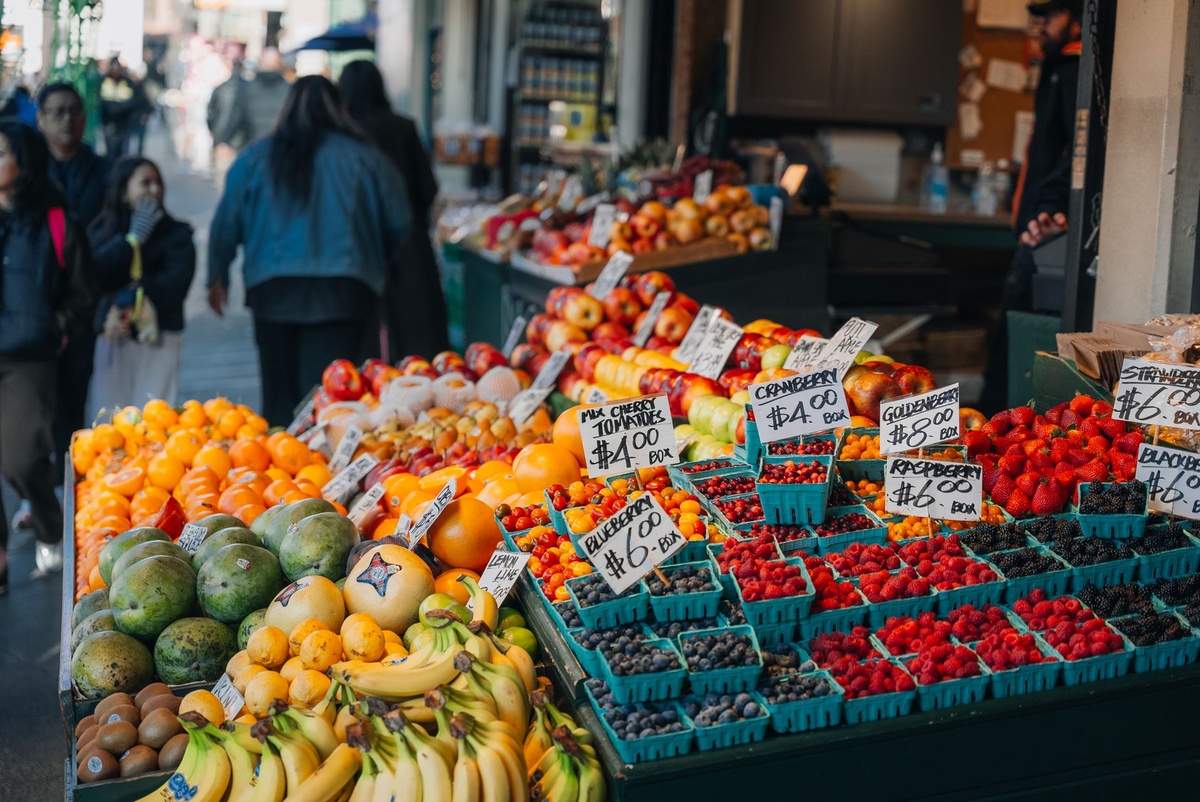
Walk 10 minutes to Eastern Market (open daily, farmers market strongest Fri–Sun).
Capitol Hill Crab Cakes — sandwich ~$22.
Market Lunch — blueberry buckwheat pancakes $12 (weekend only).
This area feels more “real DC” than downtown souvenir zones.
Afternoon: Union Market or National Arboretum
Union Market (10 min Uber, $12) is great for food browsing and indie shops. Grab a $6 cold brew at La Colombe.
Want space and greenery? U.S. National Arboretum is free and far less crowded than the Mall. It’s 2.2 miles from Union Market — best reached by rideshare (~$15).
If you’re road-tripping the East Coast (DC → Philly is 2.5–3 hours), check our guide to Philadelphia as a 2026 World Cup host city. It pairs perfectly with a DC long weekend.
Evening: Monuments at Night (Non-Negotiable)
This is when DC wins.
Rent a bikeshare again ($8/day) or join a small-group night bike tour (~$49). Ride from the Capitol to the Lincoln Memorial. It’s cooler after 8pm (mid-70s°F in June evenings), and the monuments are dramatically lit.
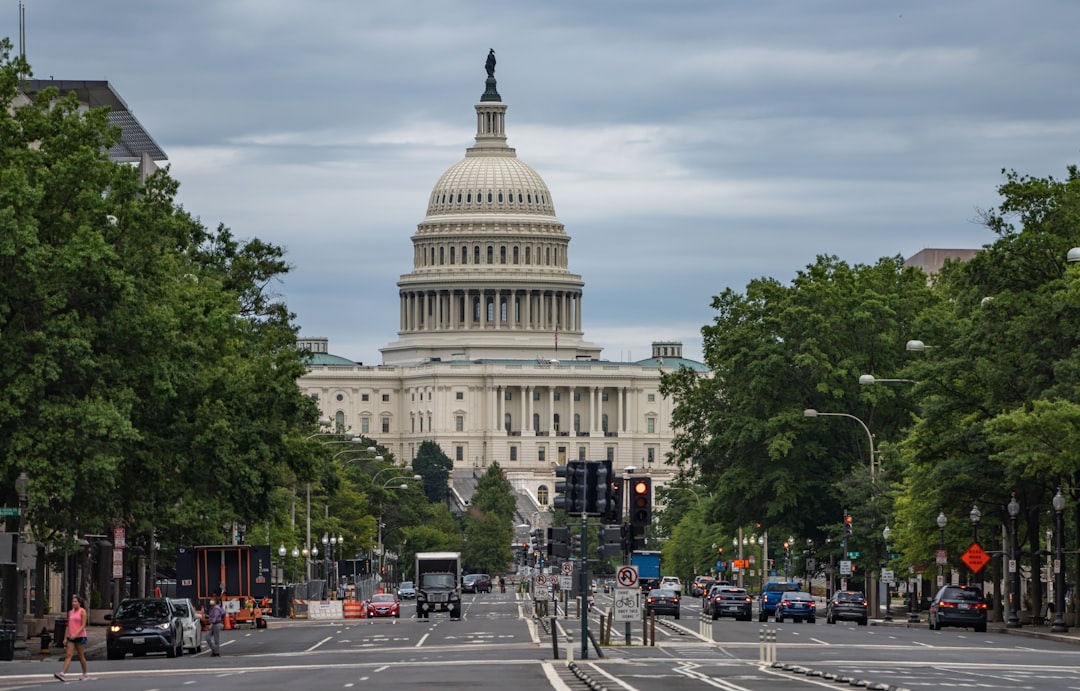
Distance Capitol → Lincoln: 2.3 miles, flat, 20–25 minutes easy riding.
Where to Stay (Neighborhood Breakdown)
Best central location: Penn Quarter / Chinatown.
- Riggs DC — Stylish, historic bank building; summer rates $320–$450/night.
- Hotel Monaco — Often $250–$380/night, excellent location near the Mall.
- Generator DC (Dupont) — Private rooms from $160; dorms ~$45–$60.
Georgetown hotels look charming but add 20–30 minutes daily transit time.
Getting Around DC (The Practical Stuff)
Metro: $2–$6 per ride depending on distance and time. Tap-to-pay works with contactless credit cards and Apple/Google Pay in 2026.
Uber downtown: $10–$20 typical within city core.
Bike: Capital Bikeshare $8 day pass or $95 annual.
Driving is rarely worth it. Parking garages charge $25–$40 per day.
If you are doing a longer East Coast road trip, the new Google Maps alerts in Android Auto are genuinely useful this summer — especially for speed trap and hazard notifications. We broke down the update here: Android Auto’s redesigned Maps alerts for summer 2026.
Budget Breakdown for 3 Days (Per Person)
| Category | Budget | Mid-Range |
|---|---|---|
| Hotel (2 nights) | $120–$200 (shared hostel/private) | $500–$800 |
| Food | $120 | $200–$300 |
| Transport | $30–$50 | $60–$100 |
| Attractions | $0–$20 | $75–$120 (incl. tours) |
| Total | $270–$390 | $835–$1,320 |
The big savings trick? Museums are free. Your money goes to food and hotels.
When to Visit DC
Summer (June–August 2026): Hot (85–95°F), humid, lively. Great for long evenings and rooftop bars. Plan indoor activities mid-day.
September–October: Best overall weather (70s°F), fewer school groups.
Cherry blossom season (late March–early April) is beautiful but crowded and hotel prices spike 30–50%.
Final Thoughts: DC Is Better Than You Expect
Three days in Washington DC gives you monuments, world-class museums, and one of the most underrated food scenes in the U.S. Skip the tourist-trap restaurants near the White House, eat in real neighborhoods, and see the monuments at night.
If you’re building a bigger East Coast itinerary for summer 2026, pair DC with Philadelphia or even a train run up to New York. Plan smart, book timed entries early, and embrace the humidity — it’s part of the experience.
Planning your stay in Washington, DC? Check hotel options in Washington, DC to book the best deals for summer 2026.
Frequently Asked Questions
How much does a 3-day trip to Washington DC cost?
Budget travelers can spend $270–$390 per person (shared lodging), while mid-range travelers typically spend $835–$1,320 including a central hotel and several restaurant meals.
Are Smithsonian museums really free?
Yes, all Smithsonian museums are free. However, in summer 2026 some require timed-entry passes, which you should reserve online in advance.
Is Washington DC walkable?
The National Mall is walkable but large (2+ miles end to end). Combining walking with Capital Bikeshare ($8/day) or short Metro rides is more efficient.
What is the best way to see the monuments?
At sunset or after dark. A self-guided bike ride costs $8 and lets you cover the 2.3-mile stretch from Capitol to Lincoln comfortably in about 25 minutes.

About the Author: Tomáš Bzirský
Founder and editor of Distratech. Based in the Czech Republic, travelling regularly from Central Europe. Writes practical travel guides and travel-tech comparisons (eSIM, apps, airports) in six languages.