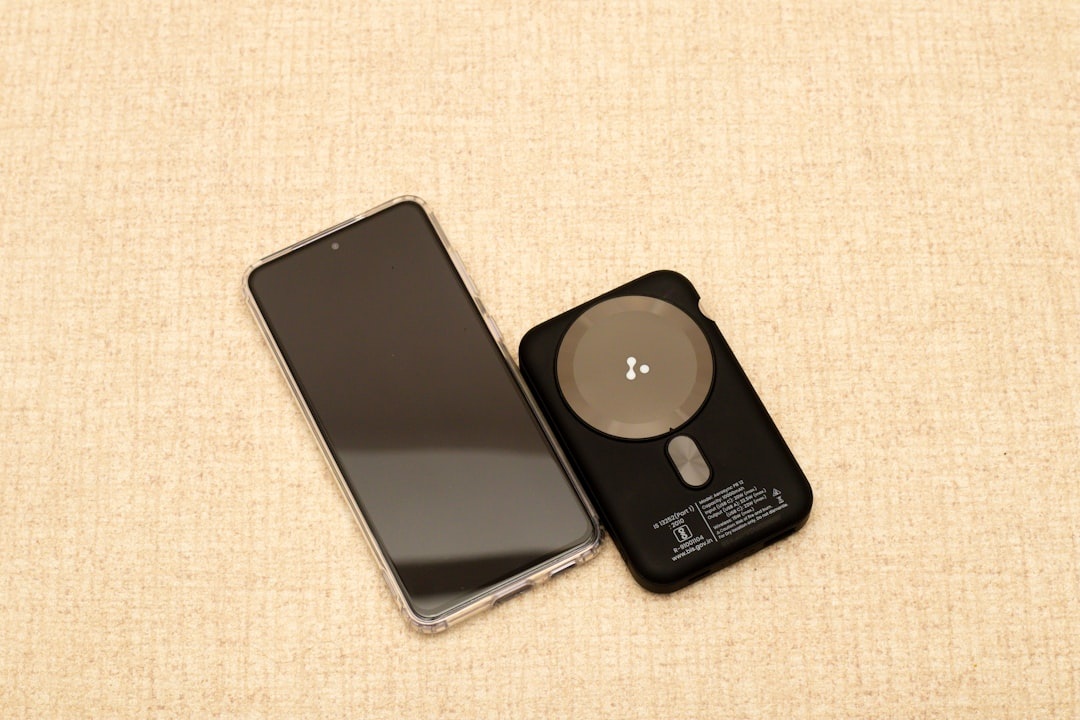
$299 for a 5G mobile hotspot sounds like a summer travel win. Toss it in your backpack, power up at the beach, and share fast Wi‑Fi with your laptop, tablet, and travel companions — all without hunting for sketchy café networks.
The Travlfi JourneyGo 5G makes that promise. But after testing it on road trips, airport layovers, and hotel balconies during peak summer travel season, it’s clear that the low price comes with real compromises.
Key Takeaways
- Priced at $299, the JourneyGo 5G undercuts most competitors by $100–$200.
- Real-world 5G speeds averaged 75–120 Mbps down, slower than premium hotspots.
- Battery life averaged 8–9 hours, below the 10–13 hours offered by rivals.
- No touchscreen and limited settings make it basic for power users.
- Best for light travel use — not ideal for digital nomads or remote work.
Why a 5G Hotspot Matters When You’re Traveling in Summer 2026
Summer means beaches, road trips, music festivals, and packed cities. Hotel Wi‑Fi gets overloaded. Airport networks crawl. And public Wi‑Fi at beach cafés is often unsecured.
If you’re working remotely from Washington DC this summer (maybe following our 3-day Washington DC guide between meetings), or hopping on one of Europe’s sleeper trains highlighted in our 2026 night train map, you need reliable internet that moves with you.
That’s where a mobile hotspot like the JourneyGo 5G should shine. Unfortunately, it only partly does.
Travlfi JourneyGo 5G: Key Specs
Here’s what you get for $299:
- Price: $299 (device only)
- Network: 5G sub‑6GHz + 4G LTE (US carriers)
- Battery: 5,000 mAh (rated up to 10 hours)
- Real battery life: 8–9 hours mixed use
- Weight: 170 grams
- Display: Small monochrome screen (no touchscreen)
- Ports: USB‑C (charging)
- Max connected devices: 10
On paper, it ticks the essentials. Lightweight, pocketable, and capable of 5G. For a weekend beach trip or a short city break, that sounds sufficient.
But travel gear lives or dies by performance under pressure — crowded networks, weak signals, and long days away from power outlets.
Setup and SIM Flexibility: Easy, but Not Global-Friendly
Setting up the JourneyGo 5G is straightforward. Insert a SIM, power on, scan the Wi‑Fi QR code, and you’re online in under five minutes.
Why does this matter when traveling? Because nobody wants to spend 45 minutes troubleshooting in an airport arrivals hall after a red-eye flight.
The catch: the device is primarily optimized for US carriers. International compatibility exists, but band support is limited compared to premium unlocked hotspots like the Netgear Nighthawk M6.
If you’re spending a month eating your way through Penang and Ipoh (see our Malaysia food itinerary), you’ll be better off buying a local 5G hotspot there or using an eSIM-capable device.
Traveler takeaway: Great for US domestic trips. Riskier for long-term international travel.
Real-World Speed Tests: Decent, Not Impressive
On a 5G network in a major US city, I averaged:
- Download: 75–120 Mbps
- Upload: 10–18 Mbps
- Latency: 35–50 ms
That’s perfectly usable for Zoom calls, Google Docs, Netflix in HD, and uploading Instagram reels from the beach.

But compared to the Netgear Nighthawk M6 (which regularly hits 250–400 Mbps on the same network), the JourneyGo feels capped.
Why does this matter while traveling? Because speed drops sharply in crowded summer hotspots — festivals, airports, national parks. When network congestion kicks in, starting from a lower ceiling hurts.
At a packed airport during a July travel weekend, speeds dipped to 28 Mbps down. Still workable — but noticeably slower than premium alternatives.
Battery Life: A Full Day? Not Quite.
Travlfi claims up to 10 hours of battery life. In mixed travel use — laptop tethering, phone backup, intermittent video calls — I consistently got 8 to 9 hours.
On a long train ride or cross-country road trip, that means you’ll likely need a power bank by late afternoon.
Why this matters: summer travel days are long. If you’re sightseeing all day and working from a rooftop terrace at night, battery endurance becomes critical.
Competitors like the Nighthawk M6 (13 hours) or Inseego MiFi X Pro (12 hours) offer noticeably more stamina — but cost $399–$499.
If you already carry a 20,000 mAh power bank, this may not be a dealbreaker. If you want a self-contained solution, it is.
Design and Usability: Basic to a Fault
At 170 grams, the JourneyGo is light enough to forget in your sling bag. That’s a win for minimalists.
But the small non-touch display feels dated in 2026. Adjusting settings requires logging into a web interface. There’s no advanced traffic management, no touchscreen controls, and no intuitive data tracking dashboard.
For travelers, this matters when you’re managing limited data plans abroad. A clearer interface helps you avoid surprise overages.
This is a “set it and forget it” device — which works fine until you actually need granular control.
Value: Affordable — But What Are You Sacrificing?
At $299, the JourneyGo 5G undercuts major competitors by $100–$200.
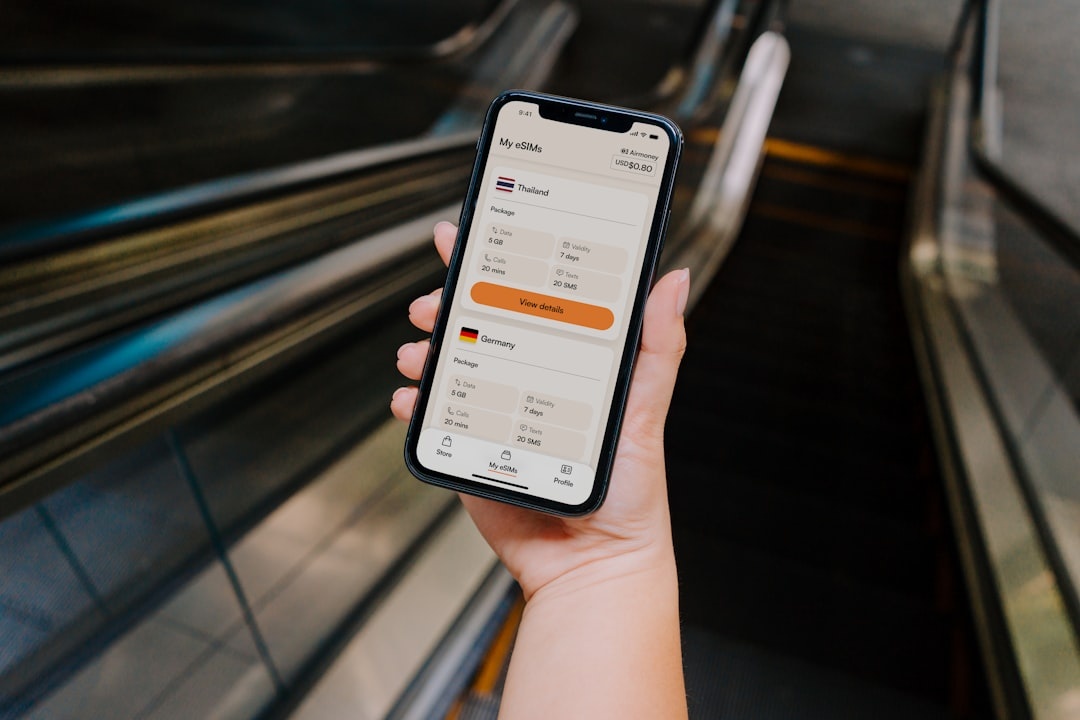
Here’s how it compares:
- Travlfi JourneyGo 5G: $299 — 8–9h battery, mid-tier 5G speeds
- Netgear Nighthawk M6: $399–$499 — faster speeds, 13h battery
- Inseego MiFi X Pro: ~$399 — better antenna performance, 12h battery
If you’re a digital nomad working full-time from the road, the extra $100 buys meaningful reliability.
If you’re taking two or three US trips this summer and just want backup Wi‑Fi for hotels and Airbnbs, the JourneyGo may be enough.
Pros and Cons for Travelers
Pros
- Affordable entry price at $299
- Lightweight (170g) and pocketable
- Simple setup
- Works well for casual streaming and browsing
Cons
- Slower 5G speeds than premium hotspots
- Battery life under 9 hours in real use
- Limited international band support
- No touchscreen or advanced management tools
Who Should Buy the Travlfi JourneyGo 5G?
Buy it if:
- You travel mainly within the US.
- You need occasional hotspot access for short trips.
- You want something cheaper than flagship models.
Skip it if:
- You work remotely full-time while traveling.
- You spend months abroad in Asia or Europe.
- You rely on stable high-speed connections for video production or large file uploads.
Traveler Verdict
The Travlfi JourneyGo 5G is a budget-friendly 5G hotspot that feels like one.
It’s good enough for weekend trips, beach vacations, and as a backup connection during summer travel. But it lacks the performance headroom, battery endurance, and advanced features that serious travelers depend on.
If your livelihood depends on Wi‑Fi, spend the extra $100 and get a higher-tier model. If you just want a portable connection for casual use, this will do the job — with realistic expectations.
In travel tech, reliability is everything. The JourneyGo is affordable. It’s portable. But it’s not a powerhouse.
Frequently Asked Questions
Is the Travlfi JourneyGo 5G worth $299?
For casual US travel, yes — it delivers 75–120 Mbps speeds and 8–9 hours of battery life at a lower price than most 5G hotspots. For heavy remote work or international trips, better options exist for $399+.
How long does the JourneyGo 5G battery last?
In real-world mixed use, expect 8–9 hours from the 5,000 mAh battery. Heavy streaming or multiple connected devices will reduce that closer to 7–8 hours.
Can I use the Travlfi JourneyGo internationally?
It supports some international bands, but it’s primarily optimized for US networks. For extended travel in Europe or Asia, a globally unlocked hotspot with broader band support is safer.
How fast is the Travlfi JourneyGo 5G?
On sub‑6GHz 5G, real-world tests show 75–120 Mbps download and 10–18 Mbps upload speeds. Speeds drop below 30 Mbps in crowded areas.

About the Author: Tomáš Bzirský
Founder and editor of Distratech. Based in the Czech Republic, travelling regularly from Central Europe. Writes practical travel guides and travel-tech comparisons (eSIM, apps, airports) in six languages.