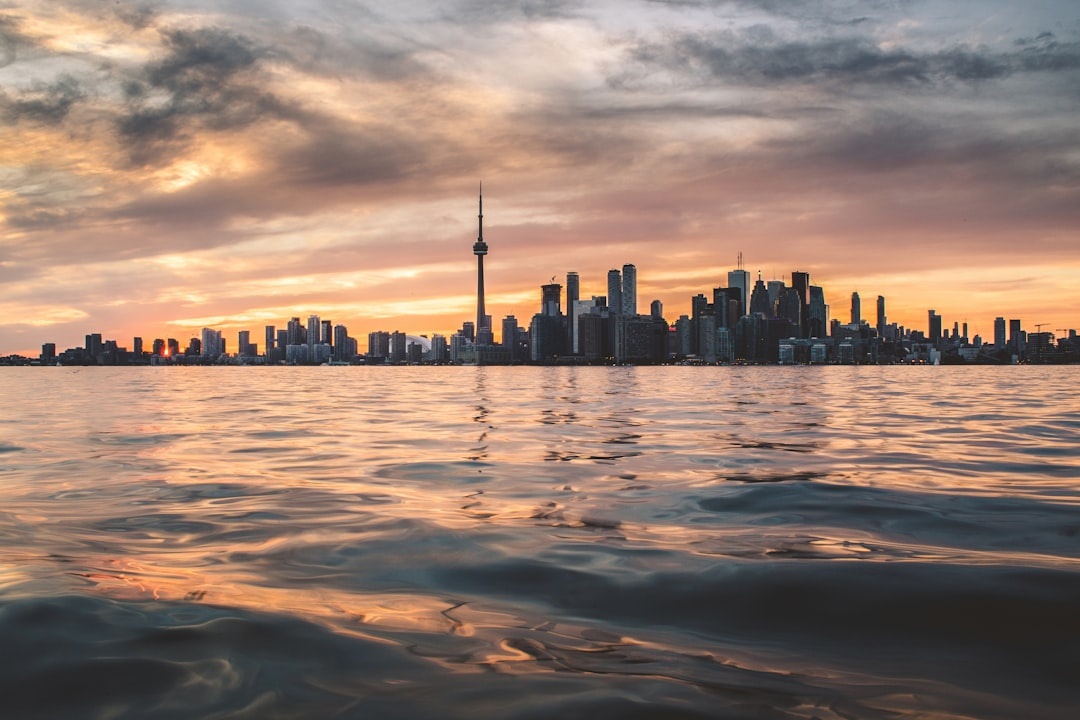
Toronto is stepping onto the global stage in summer 2026 as Canada’s primary FIFA World Cup host city — and it’s ready. With matches at BMO Field on the Lake Ontario waterfront, 30°C (86°F) June heat, packed patios, and island ferries running every 15 minutes, this is peak Toronto.
If you’re flying in for a match, don’t just treat it like a stadium stop. Toronto is clean, safe, wildly multicultural, and surprisingly outdoorsy — think beaches, rooftop bars, and boat parties between games.
Key Takeaways
- World Cup matches at BMO Field (capacity ~45,000 for 2026), 15 minutes from downtown by GO Train.
- UP Express from Pearson Airport to Union Station: $9 USD, 25 minutes vs taxi $45–60 USD, 35–60 minutes.
- Average June hotel rates in 2026: $250–400 USD/night downtown; book 6–9 months ahead.
- TTC day pass: $10 USD; single ride $2.50 USD — cheaper than Uber ($18–25 USD downtown).
Where the 2026 World Cup Happens: BMO Field & The Waterfront
BMO Field sits at Exhibition Place, about 4 km (2.5 miles) southwest of downtown. During the tournament, capacity expands to roughly 45,000 with temporary seating.
The easiest route from downtown is the GO Train from Union Station to Exhibition Station: 7 minutes, $3–5 USD depending on time. Compare that to an Uber at $18–25 USD and 20–30 minutes in traffic.
| Transport Option | Cost (USD) | Time | Best For |
|---|---|---|---|
| GO Train | $3–5 | 7–10 min | Fastest, match days |
| Streetcar (509/511) | $2.50 | 25–35 min | Budget option |
| Uber/Taxi | $18–25 | 20–30+ min | Late nights |
Arrive at least 60 minutes early. Security lines in June 2026 are expected to mirror other host cities like Philadelphia’s World Cup setup — tight but efficient.
Before kickoff, walk 10 minutes south to the Lake Ontario waterfront. The skyline views here at sunset are better than from the CN Tower — and free.
Where to Stay: Neighborhood Breakdown (With Real Prices)
Hotel prices in Toronto spike hard in summer — and harder during the World Cup. Book early through Booking.com or Expedia.
1. Downtown / Entertainment District
Best for first-timers. You’re walking distance to bars, CN Tower, and Union Station.
- Bisha Hotel: $380–450 USD/night in June 2026
- Fairmont Royal York: $320–400 USD/night
- The Rex Hotel (budget): $140–180 USD/night
Pro tip: Skip hotels near Yonge-Dundas Square if you want quiet. Stay closer to King West instead.
2. Liberty Village
Closest cool neighborhood to BMO Field (15-minute walk). Lots of condos on Airbnb averaging $220–300 USD/night.
It’s trendier and calmer than downtown. Fewer tourist crowds, more patio brunch spots.
3. The Annex or Yorkville
Yorkville = luxury shopping and upscale hotels ($400+ USD/night). The Annex = better value boutique stays around $200–260 USD.
Commute to BMO Field from these areas: 20–30 minutes via subway + streetcar vs 10–15 from downtown.
What to Do Between Matches (Summer Edition)
1. Toronto Islands (Do This, Not Just CN Tower)
Ferry from Jack Layton Terminal costs $7 USD round-trip, 13 minutes. In June, ferries run every 15–30 minutes.
You get beaches, skyline views, and bike rentals for $15 USD/hour. Compare that to CN Tower admission at $32 USD for 60–90 minutes indoors.
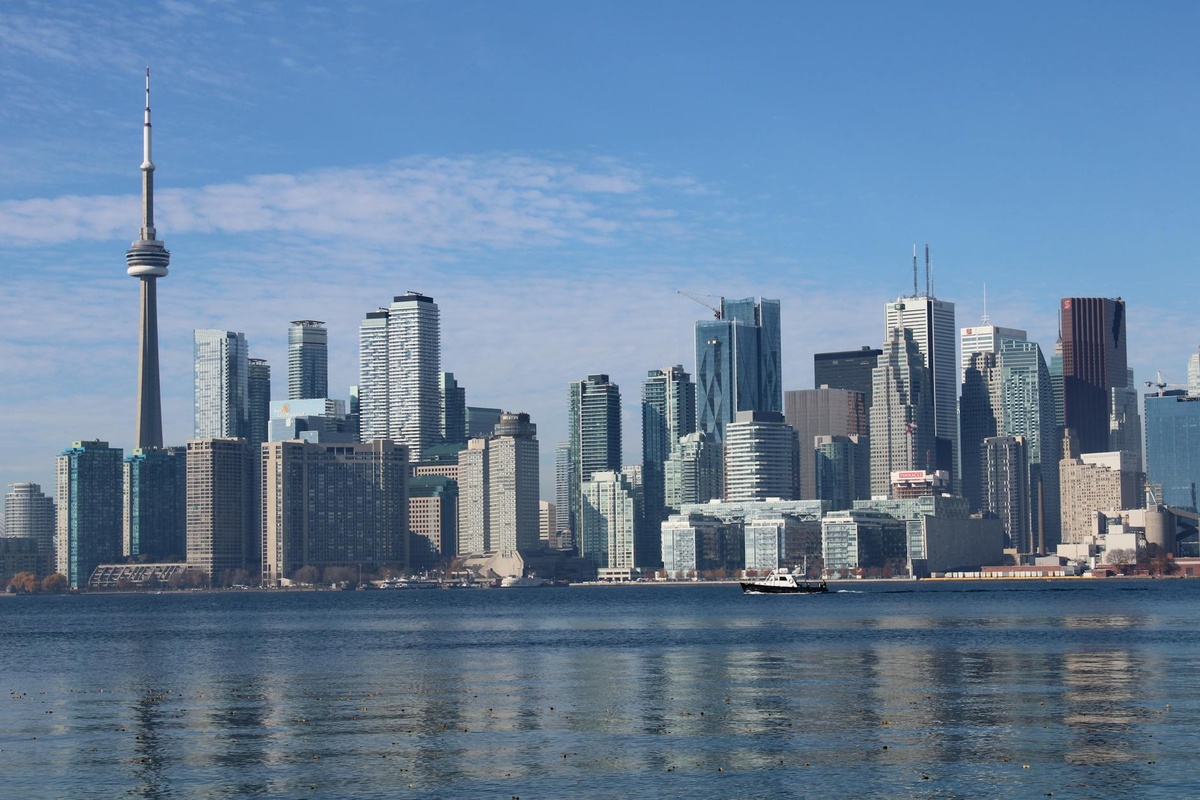
Skip the CN Tower EdgeWalk unless you love spending $160 USD for 20 minutes. The islands are better value and cooler in summer heat.
2. Kensington Market + Chinatown Food Crawl
This is where Toronto’s diversity shines. Within 500 meters you can eat Jamaican patties ($3 USD), Tibetan momos ($8 USD), and Mexican tacos ($4 USD each).
Start at Seven Lives Tacos, then grab a $5 USD espresso at FIKA Café. Total damage: ~$20 USD vs $60+ for a sit-down dinner downtown.
3. Distillery District Evenings
Pedestrian-only cobblestone streets, craft cocktails, and patios. Cluny Bistro mains run $22–35 USD.
It’s touristy but photogenic. Go after 7pm when day-trippers thin out.
4. Harbourfront Kayaking
You can rent a kayak for $30 USD/hour at Harbourfront Canoe & Kayak Centre. Water is calm in early mornings.
Way more memorable than another sports bar afternoon.
What to Eat: Specific Spots Worth Your Time
Toronto’s food scene is stronger than most U.S. World Cup cities. It’s less flashy than New York, more diverse than Boston.
Best Pre-Match Spots Near BMO Field
- Brazen Head Irish Pub – Pints ~$7 USD, 10-min walk to stadium.
- Local Liberty Village – Solid burgers ($18 USD), good beer list.
Skip generic chain restaurants at Exhibition Place. Eat in Liberty Village instead — better food, same price.
Iconic Toronto Meals
- St. Lawrence Market (8am–5pm, closed Sundays) – Peameal bacon sandwich at Carousel Bakery for $8 USD.
- PAI Thai – Khao Soi $16 USD; expect 30–45 min wait at dinner.
- Richmond Station – Upscale Canadian tasting menu ~$95 USD.
Compared to Washington DC, where reservation culture dominates peak season (see our DC summer guide), Toronto is more walk-in friendly — but World Cup weeks will change that. Book ahead on OpenTable.
Getting Around: Transit, SIM Cards & Tech Tips
Toronto’s TTC system is simple: subway + streetcar + bus. A single ride is $3.35 CAD (~$2.50 USD). Day pass is ~$10 USD.
Uber from downtown to most central neighborhoods averages $15–25 USD. During match surges, prices can double.
Airport Transfer
UP Express runs every 15 minutes from Pearson Airport to Union Station, 5:27am–12:57am. Cost: $9 USD. Taxi: $45–60 USD depending on traffic.
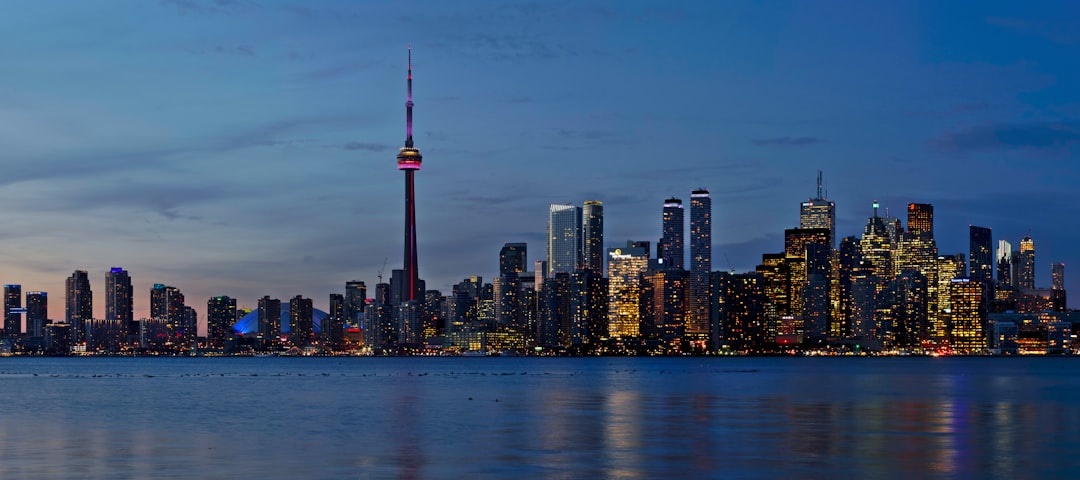
UP Express wins unless you have 4 people splitting a cab.
Connectivity
Canada roaming fees can be brutal. A local eSIM from Airalo costs about $11 USD for 5GB/30 days.
If you’re considering a portable hotspot, read this real-world hotspot review before buying — Canada’s 5G coverage is strong in Toronto, so eSIM is usually simpler.
Budget Breakdown: 3 Nights During World Cup 2026
| Expense | Mid-Range Cost (USD) |
|---|---|
| Hotel (3 nights) | $900 |
| Food & Drinks | $210 |
| Transit | $35 |
| Attractions | $60 |
| Total (excl. match ticket) | $1,205 |
Budget travelers using hostels ($45–70 USD/night) can cut that nearly in half. Luxury stays can push totals beyond $2,000 USD easily.
When to Visit & What to Expect in June–July 2026
Expect temperatures between 22–30°C (72–86°F). Humidity can spike.
Sunset is around 8:45–9:00pm in late June. That means long evenings for patios and lakefront walks.
Major events often overlap with the World Cup window:
- Pride Toronto (late June)
- Canada Day (July 1) fireworks at Harbourfront
- Outdoor concerts at Budweiser Stage
Book restaurants and accommodations at least 6 months out. Flights into YYZ are already trending 20–30% higher for match weeks compared to early June 2025 averages.
Final Tips for World Cup Travelers
- Stay near Union Station for easiest stadium access.
- Use GO Train on match days — avoid driving.
- Spend one afternoon on the Toronto Islands.
- Book restaurants for Friday/Saturday nights in advance.
- Buy match tickets only through official FIFA resale channels.
Toronto isn’t as flashy as Miami or as historic as Philadelphia, but it’s arguably the most livable host city in North America. Clean transit, safe streets, world-class food, and summer energy by the lake.
If you’re planning a multi-city World Cup trip, pair Toronto with U.S. stops like Philadelphia or Washington DC for a contrasting vibe — urban grit vs polished Canadian efficiency.
Book early, pack for heat, and leave room in your schedule for patios and ferry rides. Toronto in summer isn’t just a stop for football — it’s the kind of city that quietly wins you over.
Planning your stay in Toronto for the 2026 World Cup? Browse hotels in Toronto and book early for the best match-week deals.
Frequently Asked Questions
Where will World Cup matches be played in Toronto?
Matches will take place at BMO Field at Exhibition Place, about 4 km from downtown. It’s 7 minutes by GO Train from Union Station or 20–30 minutes by streetcar.
How much does a trip to Toronto for the 2026 World Cup cost?
Expect around $1,200 USD for 3 nights mid-range (hotel, food, transport), excluding match tickets. Budget travelers can manage closer to $700–800 USD.
Is Toronto expensive compared to other World Cup host cities?
Yes — hotel prices are higher than cities like Philadelphia but slightly lower than New York or Miami during peak dates. Food and public transport are reasonably priced.
What’s the best way to get from Toronto Pearson Airport to downtown?
The UP Express train costs about $9 USD and takes 25 minutes to Union Station. Taxis cost $45–60 USD and can take up to an hour in traffic.

About the Author: Tomáš Bzirský
Founder and editor of Distratech. Based in the Czech Republic, travelling regularly from Central Europe. Writes practical travel guides and travel-tech comparisons (eSIM, apps, airports) in six languages.