Last month I found myself hurtling down the black slopes of Cerro Negro in Nicaragua, standing on a plywood board, volcanic ash flying into my shoes. Ten years ago, that would’ve sounded reckless. In 2026? It’s just one of the fastest-growing adventure travel trends — and surprisingly organized (helmet included, $35 per run).
Adventure travel this year isn’t about ticking off bucket-list clichés. It’s about extreme landscapes, shoulder-season timing (hello, spring 2026), and smarter tech that lets you go further without going fully off-grid.
Key Takeaways
- Arctic cruises are up 40% in bookings for summer 2026, with entry-level fares starting around $6,000 per person.
- Volcano boarding in Nicaragua costs $30–$40 and takes half a day from León.
- Spring 2026 is prime season for European hiking before July crowds and heatwaves.
- Remote desert and polar adventures now rely heavily on lightweight travel tech and satellite connectivity.
1. Volcano Boarding in Nicaragua
Volcano boarding isn’t new — but in 2026, it’s mainstream adventure. Cerro Negro, about 45 minutes from León, is the epicenter.
You hike 1 hour up loose black gravel, strap into a jumpsuit, and slide down at speeds up to 50 mph. Tours cost $30–$40, including transport and gear. It’s chaotic, dusty, and ridiculously fun.
Skip companies that rush you. Go with smaller operators that limit groups to under 15 — you’ll actually get time to enjoy the descent.
2. Expedition-Style Arctic Cruises
Luxury cruises are out. Expedition ships with 100–200 passengers are in.
Svalbard, Greenland, and even the Canadian Arctic are seeing record demand for summer 2026. Entry prices start around $6,000 per person for 7–10 days, but that includes guided Zodiac landings and wildlife excursions.
Climate reality is driving urgency. Travelers want to see glaciers — now. Book at least 9–12 months in advance.
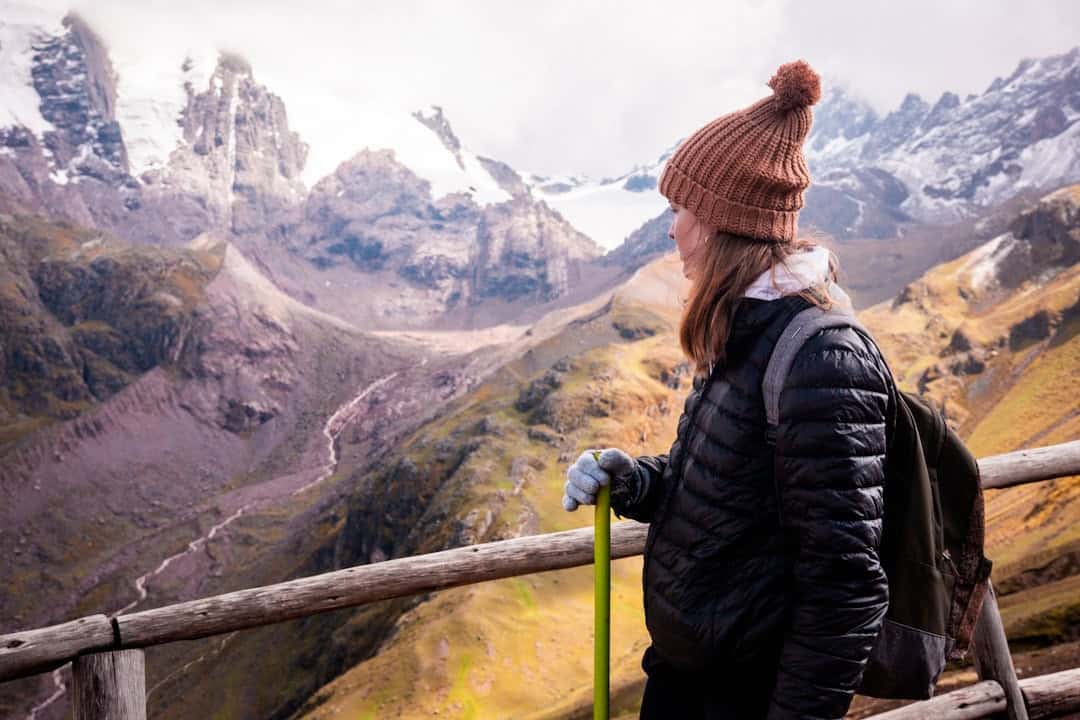
3. Spring Hiking in Europe’s Shoulder Season
April and May 2026 might be the smartest months to hike Europe.
The Dolomites are reopening lower-elevation trails, Portugal’s Rota Vicentina is green and wildflower-covered, and Spain’s Camino routes are warm but not scorching. Daytime temps hover around 15–22°C (59–72°F) — ideal hiking weather.
Avoid July unless you love crowds and 35°C heat. Spring is the sweet spot.
4. Desert Trekking in Wadi Rum, Jordan
Multi-day desert trekking is replacing quick Instagram jeep tours.
In Wadi Rum, you can hike 15–20 km per day between sandstone arches and Bedouin camps. Expect to pay $80–$120 per day including meals and guides.
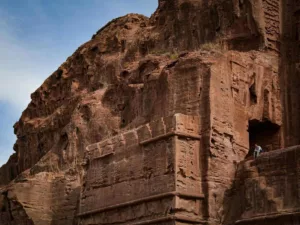
If you’re pairing it with Petra, read our detailed breakdown of new Petra trails, 2026 ticket prices, and insider tips. The backdoor hike into the Monastery is still criminally underrated.
5. Cold-Water Surfing
Warm-water surfing is crowded. Cold-water surfing is where the solitude lives.
Iceland’s Reynisfjara coast and Norway’s Lofoten Islands are seeing a spike in wetsuit-clad surfers chasing Arctic swells. Board rental and 5mm wetsuit packages run about $60–$80 per day.
It’s not for beginners — but that’s kind of the point.
6. Tech-Enhanced Micro-Adventures
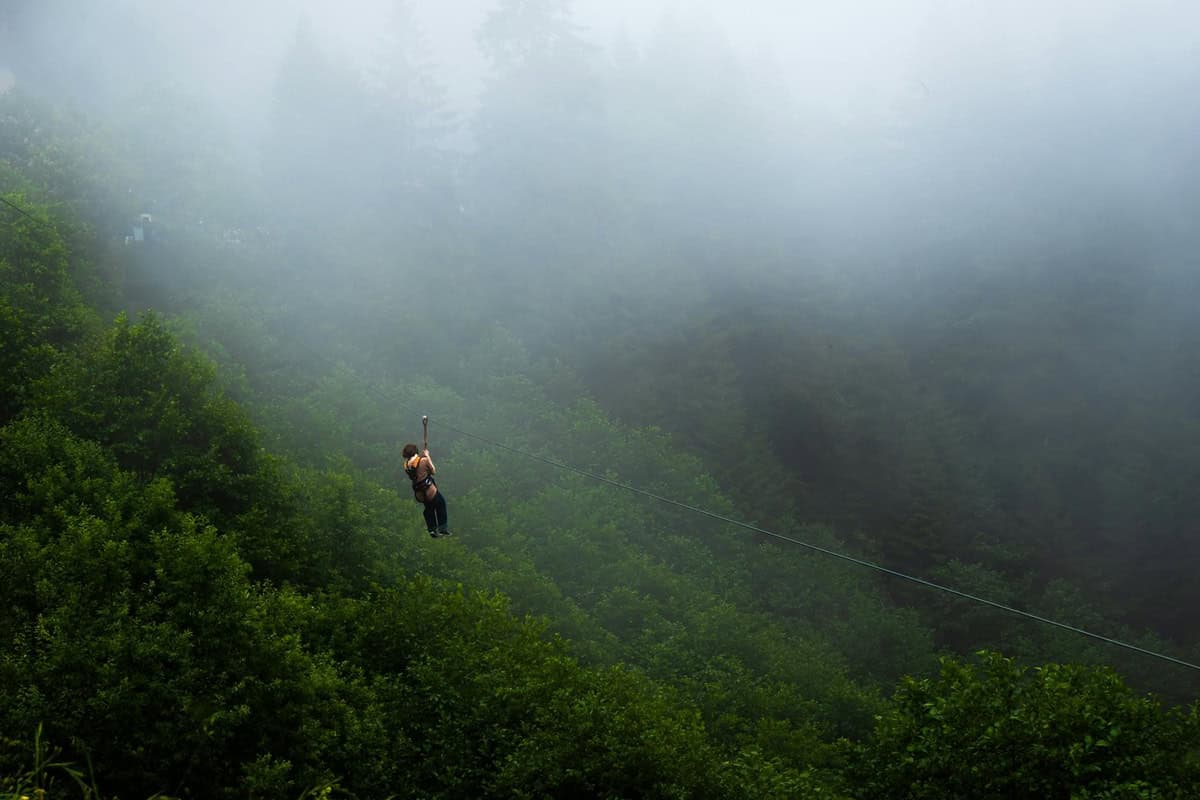
Adventure travel in 2026 is lighter and smarter.
Creators and solo travelers are packing compact stabilizers and pocket cameras instead of DSLRs. The new DJI Osmo Pocket 4, for example, is basically built for spring hiking and fast-moving activities (we tested it on volcanic slopes — no shake, even while sliding).
If you’re curious about how it performs on the road, check out this hands-on look at why the Osmo Pocket 4 is made for travel. It’s become the unofficial camera of backpackers in 2026.
7. Multi-Day Hut-to-Hut Trekking
Hotels are out. Alpine huts are in.
Austria’s Stubai High Trail and Italy’s Alta Via routes are reporting strong early bookings for summer 2026. Expect €70–€110 per night including half-board in most huts.
Book early — many huts open reservations in January and sell out by May.
8. Adventure Train Travel
Flights are efficient. Trains are experiential.
Norway’s Bergen Railway, Canada’s Rocky Mountaineer, and even sleeper trains in Central Asia are trending. It’s slower travel — but paired with hiking or kayaking segments, it becomes part of the adventure.
Pro tip: spring shoulder season often brings 15–25% lower fares.
9. Night Hiking & Astro-Tourism
In 2026, people are planning trips around the sky.
Dark-sky parks in Utah, Namibia, and northern Spain are offering guided night hikes timed with meteor showers. A guided astro hike typically costs $40–$75.
It’s quieter, cooler, and wildly atmospheric. Bring a red-light headlamp — not your phone flashlight.
10. Soft Adventure in Unexpected Cities
Adventure isn’t always remote.
Cities like Medellín (paragliding), Cape Town (urban hiking up Lion’s Head), and even Lisbon (coastal cliff trekking 40 minutes away) are blending culture with adrenaline.
It’s ideal for travelers who want espresso in the morning and a summit by sunset.
How to Plan an Adventure Trip in 2026 (Without Burning Out)
The biggest shift this year? Travelers are stacking experiences — but smarter.
- Book core experiences early: Arctic cruises and hut treks sell out 6–12 months ahead.
- Use shoulder seasons: April–June and September offer better prices and safer weather windows.
- Invest in lightweight tech: Portable chargers, satellite messengers, and compact cameras are now standard.
- Limit transitions: Fewer flights, more depth in one region.
- Insure properly: Adventure policies are not the same as basic travel insurance.
And here’s my opinion: don’t chase every trend. Pick one that genuinely excites you and build the trip around it.
What’s Driving These Adventure Travel Trends?
Three things: climate urgency, remote work flexibility, and better gear.
People want to see fragile places like glaciers and coral reefs while they still can. At the same time, more travelers can work remotely — meaning a two-week Arctic expedition is suddenly realistic.
And gear has improved. Lightweight drones, stabilized cameras, compact water filters — they reduce friction. Adventure feels more accessible.
Is Adventure Travel More Expensive in 2026?
Yes — and no.
High-end expeditions (Arctic cruises, guided polar treks) are more expensive due to fuel and environmental regulations. But micro-adventures like volcano boarding or night hikes remain affordable.
You can spend $35 sliding down a volcano. Or $15,000 kayaking in Antarctica. The spectrum is wide.
Final Thoughts: Choose the Story You Want to Tell
Adventure travel in 2026 isn’t about proving how extreme you are. It’s about access — to landscapes, silence, challenge, and perspective.
If I had to pick one trend to try this spring? Shoulder-season hiking in Europe. Wildflowers, cool air, fewer crowds. It’s adventurous without being exhausting.
Pick your edge. Book it early. And go before it becomes ordinary.
Frequently Asked Questions
What is the biggest adventure travel trend in 2026?
Expedition-style Arctic cruises are leading bookings for summer 2026, with small-ship experiences to Svalbard and Greenland starting around $6,000 per person.
How much does volcano boarding in Nicaragua cost?
Most tours to Cerro Negro cost $30–$40, including transport from León, a guide, board rental, and safety gear. The full experience takes about 4–5 hours.
When is the best time for adventure travel in Europe?
April to June and September are ideal for hiking and outdoor adventures, with mild temperatures (15–22°C) and fewer crowds compared to peak summer.
Are Arctic cruises worth the price?
If wildlife sightings, glacier landscapes, and expert-led excursions appeal to you, yes. Smaller expedition ships offer immersive experiences that traditional cruises don’t — but book 9–12 months ahead.

About the Author: Tomáš Bzirský
Founder and editor of Distratech. Based in the Czech Republic, travelling regularly from Central Europe. Writes practical travel guides and travel-tech comparisons (eSIM, apps, airports) in six languages.