The first time I visited Kyoto in summer, I made the rookie mistake of going out at noon in July. It was 34°C (93°F), humid enough to fog my camera lens, and I was shoulder-to-shoulder with tour groups in Fushimi Inari. By 2 p.m., I was hiding in a 7-Eleven with Pocari Sweat and rethinking my life choices.
Here’s the good news: Kyoto in summer 2026 is absolutely worth it — if you plan it right. The festivals are electric, the food is seasonal and surprisingly refreshing, and some of the city’s most beautiful temples are blissfully quiet if you time them well.
Key Takeaways
- Gion Matsuri runs throughout July 2026, with main parades on July 17 and 24 (free to watch; paid seating from ~¥4,000).
- Expect temperatures of 30–35°C (86–95°F) in July–August; plan sightseeing before 10 a.m. or after 5 p.m.
- Temple entry fees typically range from ¥300–¥600 ($2–$4 USD).
- ICOCA transit card costs ¥2,000 (¥500 refundable deposit) and saves time on buses and trains.
- Hidden gems like Shōren-in and Otagi Nenbutsu-ji are 20–40 minutes from central Kyoto and far less crowded.
When to Visit Kyoto in Summer 2026
Summer in Kyoto means June’s rainy season (tsuyu), followed by intense heat in July and August. If you want festival energy, come in mid-to-late July for Gion Matsuri. If you prefer fewer crowds, early June 2026 is a sweet spot — lush gardens, hydrangeas in bloom, and lighter tourism.
August is hot but magical at night. Daimonji Gozan Okuribi, the giant bonfire event on August 16, 2026, lights up the surrounding mountains. It’s free to view from spots along the Kamo River — just arrive by 6:30 p.m. to claim space.
The Festivals You Can’t Miss
Gion Matsuri (July 1–31, 2026)
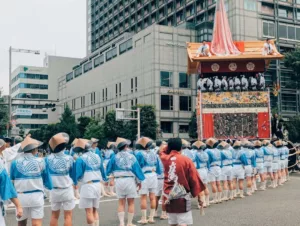
This is Kyoto’s biggest event of the year and one of Japan’s most famous festivals. The Yamaboko Junko float parades on July 17 and July 24 are the highlights — towering wooden floats, some over 25 meters tall, pulled through downtown.
My tip? Skip the paid grandstands unless you’re a photography purist. Instead, watch from Shijo Street near Karasuma around 9 a.m. It’s free, lively, and you can duck into air-conditioned shops between floats.
Mitama Matsuri at Shimogamo Shrine
Held in late July, this lantern festival feels more intimate. Hundreds of glowing lanterns line the shrine paths at night. Entry is free, and it’s far less chaotic than Gion.
Temples Beyond the Instagram Circuit
Yes, you should see Kinkaku-ji (Golden Pavilion). But go right at opening (9 a.m.) and leave within 45 minutes. It gets packed fast.
Instead, prioritize these quieter temples:
Shōren-in
Just 10 minutes on foot from the busy Yasaka Shrine area, yet almost empty in the morning. The moss garden and bamboo grove are serene, and entry is around ¥600. Sit on the tatami and just breathe.
Otagi Nenbutsu-ji
Located in Arashiyama’s far northwest (about 40 minutes by bus from central Kyoto), this temple features 1,200 quirky stone statues. It’s weird, peaceful, and rarely crowded.
Tofuku-ji (Early Morning)
Famous for autumn leaves, but in summer the green canopy is just as beautiful. Arrive at 8:30 a.m., and you’ll have the wooden Tsutenkyo Bridge nearly to yourself. Entry: ~¥400.
What (and Where) to Eat in the Heat
Kyoto summer food is designed to cool you down. Think slippery noodles, shaved ice, and delicate sweets.
Hiyashi Soba at Honke Owariya
This soba restaurant dates back to 1465. Their cold soba sets start around ¥1,500. It’s simple, refreshing, and a lifesaver after temple-hopping.
Kakigōri at Page One (Gion)
Artisan shaved ice with matcha syrup and condensed milk (~¥1,200). Yes, it’s trendy. Yes, it’s worth the 20-minute wait.
Nishiki Market (But Go Early)
Arrive before 11 a.m. to avoid tour groups. Try grilled eel skewers (unagi), which locals swear boosts stamina in the heat. Expect to spend ¥2,000–¥3,000 sampling multiple bites.
And please — skip the overpriced “Instagram wagyu skewers” near Kiyomizu-dera. You’ll pay ¥3,000 for something you can get for half the price elsewhere.
A Smart 3-Day Summer Itinerary
Day 1: Higashiyama & Gion
- 8:00 a.m. – Kiyomizu-dera (¥400 entry)
- 10:00 a.m. – Walk Sannenzaka & Ninenzaka streets
- Lunch – Cold soba near Gion
- Evening – Yasaka Shrine + Gion stroll
Total walking distance: ~6–8 km. Wear breathable shoes.
Day 2: Arashiyama & Hidden Corners
- 7:30 a.m. – Bamboo Grove (before crowds)
- 9:00 a.m. – Otagi Nenbutsu-ji
- Lunch – Riverside café
- Late afternoon – Tenryu-ji garden (¥500)
Day 3: Fushimi Inari & Downtown
- 6:30 a.m. – Fushimi Inari hike (2–3 hours round trip)
- Midday – Hotel rest (trust me)
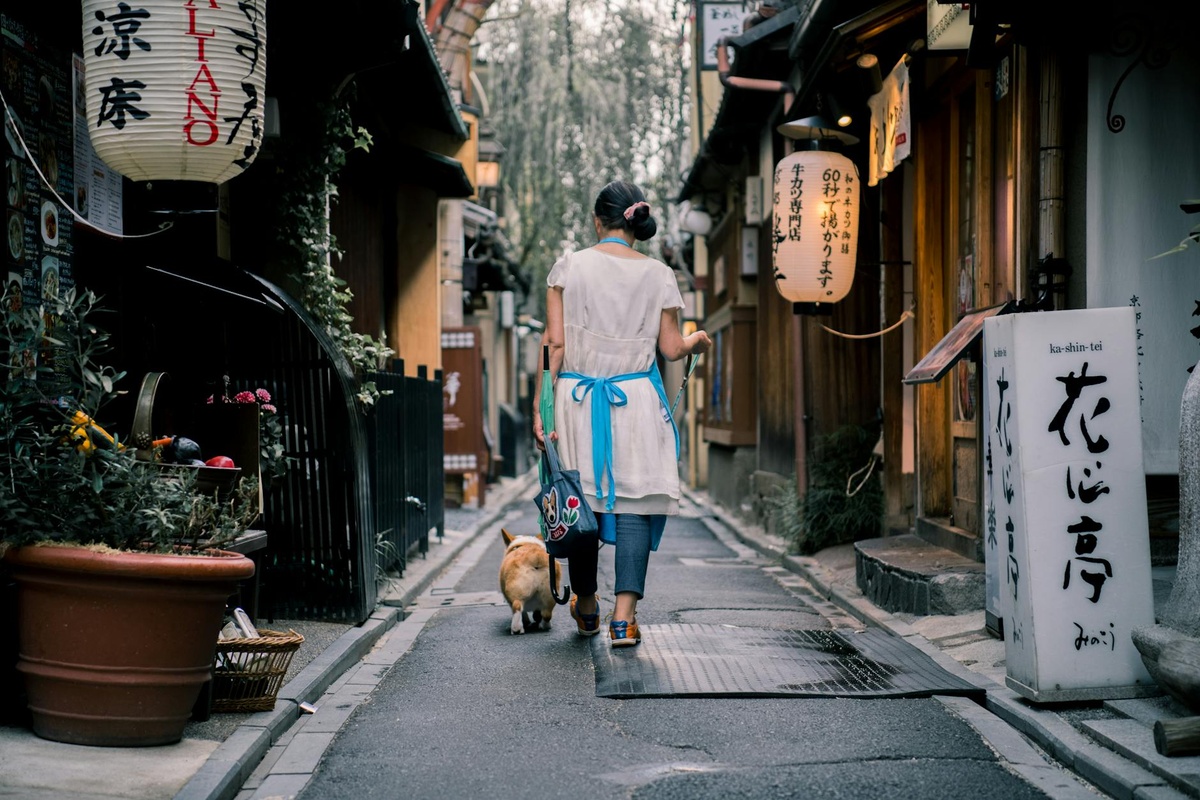
- Evening – Pontocho Alley dinner
Practical Tech & Travel Tips for Summer 2026
Kyoto is traditional, but your approach shouldn’t be.
- Download offline Google Maps. Kyoto’s bus system can be confusing, and summer heat makes wandering unpleasant.
- Use an ICOCA card. It works on buses, trains, and even convenience stores.
- Book accommodation with strong A/C. Check reviews carefully — not all traditional ryokan handle heat equally well.
- Bring a portable Wi-Fi or eSIM. You’ll want quick access to weather radar during typhoon season (late August).
- Pack a cooling towel. Locals use them. You should too.
If you’re planning a multi-city trip, remember Kyoto isn’t a “cheap Asia” destination anymore. While it’s not as pricey as many European capitals — especially compared to cities in our breakdown of Europe’s cheapest and most expensive city breaks for 2026 — peak-season hotels in central Kyoto can easily hit ¥25,000–¥40,000 per night.
Where to Stay (And Where Not To)
Stay near Kawaramachi or Gion for walkability. You’ll pay more (from ¥20,000 per night for a mid-range hotel in summer 2026), but you’ll save time and energy.
Avoid staying too far north unless you’re comfortable navigating buses in 35°C heat. Kyoto looks compact on a map. It isn’t.
Is Kyoto in Summer 2026 Worth It?
Yes — but only if you embrace the rhythm of the season.
Wake up early. Nap in the afternoon. Go out again at night when lanterns glow and the air softens. Kyoto rewards travelers who slow down.
If this is your first time, don’t try to see everything. Pick a few temples, attend one festival event, eat seasonal food, and leave space to wander.
Kyoto in summer isn’t about checking boxes. It’s about moments — cicadas buzzing in temple trees, cold soba on a humid afternoon, and the glow of festival lanterns reflecting off ancient wood.
Planning your Japan itinerary for 2026? Save this guide, book early for July, and start mapping out your mornings now.
Ready to book your stay? Find hotels in Kyoto and lock in the best options for summer 2026.
Frequently Asked Questions
Is Kyoto too hot in summer?
Kyoto regularly reaches 30–35°C (86–95°F) in July and August with high humidity. It’s manageable if you sightsee early, take midday breaks, and stay hydrated.
How much should I budget per day in Kyoto?
Mid-range travelers should budget ¥15,000–¥25,000 per day ($95–$160 USD), including accommodation, food, transport, and temple entry fees. Festival seating and special meals will increase that.
When is Gion Matsuri 2026?
Gion Matsuri runs throughout July 2026, with the main float parades on July 17 and July 24. Many evening street events happen in the days leading up to those dates.
Is Fushimi Inari worth visiting in summer?
Yes — but go before 7 a.m. The full hike takes 2–3 hours, and early morning is significantly cooler and less crowded.

About the Author: Tomáš Bzirský
Founder and editor of Distratech. Based in the Czech Republic, travelling regularly from Central Europe. Writes practical travel guides and travel-tech comparisons (eSIM, apps, airports) in six languages.