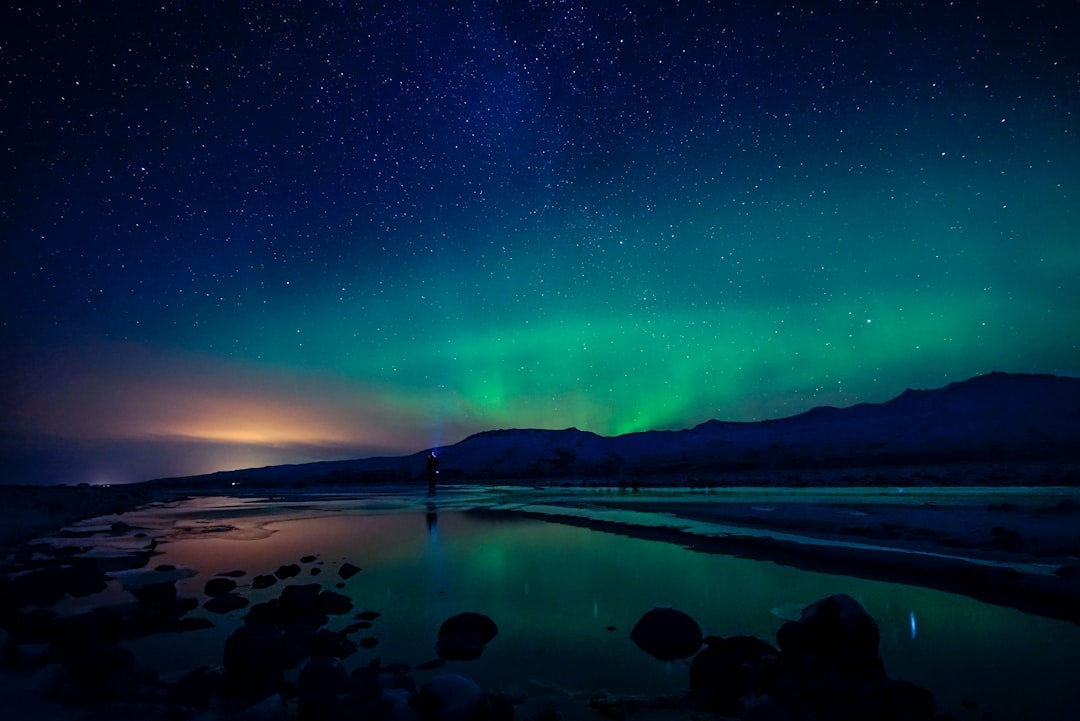
The Northern Lights are having a very good decade. Solar Cycle 25 has been stronger than expected, and while the official peak has passed, 2026-2027 should still deliver excellent aurora activity — especially around the September and March equinox windows.
Key Takeaways
- Best months: September-March, with peak odds around late September and mid-March.
- Cheapest strong aurora base: Abisko, Sweden, from about $140 per night vs Tromsø often $220+.
- Best premium trip: Norway coastal cruise from about €1,600-€3,500 per person for 6-12 nights.
- Best tech move: Use aurora apps plus cloud forecasts, not KP index alone.
- Book now: August is when winter lodges, glass igloos, and Christmas-week cabins start disappearing.
August 2026 is the right time to plan this. The Perseids meteor shower peaks around August 12-13, which is a nice reminder to look up, but most Arctic aurora destinations still have too much twilight for reliable Northern Lights viewing. The real play is booking September 2026 through March 2027 now, before flight prices and lodge rates jump.
Skip the generic “stand in a snowy field and hope” package. The best aurora trips now combine dark-sky locations with something memorable: Arctic surfing, glass igloos, ice hotels, fjord cruises, dog sledding, hot springs, photography workshops, or even a flight above the clouds.
Best Northern Lights Trips for 2026-2027: Quick Comparison
If you only remember one rule, make it this: clear skies beat high latitude. Tromsø has more restaurants and flight connections; Abisko has drier weather and better odds. Iceland has drama; Finnish Lapland has comfort; Greenland feels like the edge of the planet.
| Trip | Best For | Season | Typical 4-Night Cost | Main Booking Sites |
|---|---|---|---|---|
| Tromsø, Norway | First-timers, fjords, food | Sep-Mar | $1,300-$2,300 pp | Visit Tromsø, Hurtigruten |
| Abisko, Sweden | Best aurora odds in Europe | Nov-Mar | $950-$1,700 pp | Aurora Sky Station, STF |
| Finnish Lapland | Glass igloos, families, romance | Dec-Mar | $1,600-$3,200 pp | Visit Rovaniemi, Kakslauttanen |
| Iceland | Road trips, hot springs, volcano landscapes | Sep-Mar | $1,400-$2,600 pp | Visit Iceland, Icelandic Met Office |
| Yellowknife, Canada | Highest reliability outside Europe | Aug-Apr | $1,500-$2,500 pp | Spectacular NWT |
| Fairbanks, Alaska | Hot springs, easier U.S. logistics | Aug-Apr | $1,200-$2,200 pp | Explore Fairbanks |
| Greenland | Expedition feel, icebergs | Sep-Apr | $2,500-$5,000 pp | Visit Greenland, Air Greenland |
For European travel planning, note that ETIAS still is not required for most travelers in 2026. Distratech has a practical update here: Europe ETIAS rules for 2026.
1. Tromsø, Norway: The Best First Northern Lights Trip
Tromsø is the easiest Arctic city to love. You get direct winter flights from Oslo, restaurants that are genuinely good, fjords within 30 minutes, and aurora tours that run almost every night from September to early April.
Flights from Oslo to Tromsø take about 1 hour 55 minutes and often cost $90-$220 round-trip if booked early on SAS or Norwegian. The airport is only 5 km from the city center: bus line 42 costs about NOK 45/$4 and takes 15-20 minutes, while a taxi is NOK 250-350/$24-$34 for 10-15 minutes.
What to book
Book a small-group aurora chase, not a giant coach tour. Chasing Lights and Pukka Travels are usually more expensive than budget operators, but the guides actively drive toward clear skies, sometimes 150-250 km into Finland.
- Small-group aurora chase: NOK 1,900-2,400 / $180-$230, 6-9 hours.
- Fjord sailing with aurora option: NOK 1,600-2,300 / $150-$220.
- Fjellheisen cable car: about NOK 415 / $40 return, usually open 10:00-00:00 in winter.
- Polaria Arctic aquarium: about NOK 240 / $23, typically open 10:00-17:00.
Skip the cheapest “Northern Lights bus” if the operator promises one fixed viewpoint. Do a flexible chase instead. The difference is often $70, but the difference in cloud avoidance can be the difference between green curtains and a cold parking lot.
Where to stay and eat
Clarion Hotel The Edge often runs $190-$320 per night in winter and has the best central location. Smarthotel Tromsø is less charming but practical at $110-$180 per night.
Eat at Fiskekompaniet for Arctic seafood; mains run NOK 365-520 / $35-$50. For something cheaper, Raketten Bar & Pølse serves reindeer hot dogs for about NOK 85/$8 from a tiny kiosk that is more fun than half the sit-down restaurants in town.
2. Abisko, Sweden: Best Odds for Seeing the Aurora in Europe
Abisko is my top pick if your priority is seeing the Northern Lights, not collecting boutique hotel breakfasts. The village sits in a rain shadow created by the surrounding mountains, giving it unusually clear skies compared with coastal Norway.
From Stockholm, the overnight train to Abisko Turiststation takes about 17 hours and costs SEK 700-1,800 / $66-$170 depending on seat vs sleeper. Flying Stockholm to Kiruna takes 1 hour 35 minutes, then the train or bus to Abisko takes 1-1.5 hours for about SEK 150-250 / $14-$24.
What to book
The classic experience is the Aurora Sky Station, reached by chairlift up Mount Nuolja. Winter evening visits usually run 21:00-01:00, and tickets cost around SEK 995-1,295 / $94-$122 without dinner.
The aurora dinner package costs more — often SEK 2,295-2,795 / $216-$263 — but I would skip it if you are budget-conscious. Eat earlier at STF Abisko Turiststation and spend the savings on an extra night, because two nights in Abisko is risky and three is sensible.
| Abisko Option | Cost | Time | Verdict |
|---|---|---|---|
| Aurora Sky Station ticket | $94-$122 | 4 hours | Best iconic viewpoint |
| Guided photo tour | $120-$180 | 4-5 hours | Best if you have a real camera |
| DIY lake walk near STF | Free | As long as you last | Best budget move |
| Dinner package | $216-$263 | 4 hours | Nice, but not essential |
Where to stay and eat
STF Abisko Turiststation is the practical base, with dorm beds from about $45-$70 and private rooms from $130-$220. It is also close to trails, the train stop, and tour departures.
Food is limited. The STF restaurant is reliable, with dinners around SEK 245-395 / $23-$37, while the small supermarket in Abisko Östra is better for snacks and breakfast supplies. Compared with Tromsø, you trade restaurant choice for darker skies — and I think that is a fair deal.
3. Finnish Lapland: Glass Igloos, Saunas, and Snowy Comfort
Finnish Lapland is the trip for people who want the Northern Lights without suffering for them. Rovaniemi, Levi, Saariselkä, and Inari all offer snowy forests, heated cabins, saunas, huskies, and glass-roofed rooms where you can watch the sky from bed.
Helsinki to Rovaniemi flights take 1 hour 20 minutes and usually cost $90-$240 round-trip. The overnight Santa Claus Express train takes about 12 hours; seats start near €49/$53, while private sleeper cabins often run €120-€260/$130-$280.
What to book
Glass igloos are expensive but memorable. Kakslauttanen Arctic Resort near Saariselkä often charges €450-€900/$490-$980 per night for glass igloos in peak winter, while Arctic TreeHouse Hotel in Rovaniemi commonly runs €500-€850/$545-$925.
For better value, book a normal cabin with a sauna and take guided aurora tours on two nights. A snowmobile aurora safari costs about €150-€220/$163-$240 for 3 hours, while a reindeer sleigh aurora trip costs €120-€180/$130-$196.
- Santa Claus Village: free entry, shops generally open 10:00-18:00 in winter.
- Arktikum Museum, Rovaniemi: about €18/$20, usually open 10:00-18:00.
- Husky safari: €160-€250/$175-$272 for 2-4 hours.
- Public bus Rovaniemi airport to center: about €3.60/$4, 15 minutes vs taxi €25-€35/$27-$38, 10 minutes.
Skip this, do this instead
Skip paying €900 for one glass-igloo night if it forces you to cut the trip short. Do four nights in a cabin near Inari or Saariselkä instead; more nights equal better aurora odds.
Eat at Nili Restaurant in Rovaniemi for Lappish food; mains run €28-€42/$30-$46. In Levi, King Crab House is touristy but fun, with crab dishes often €38-€65/$41-$71.
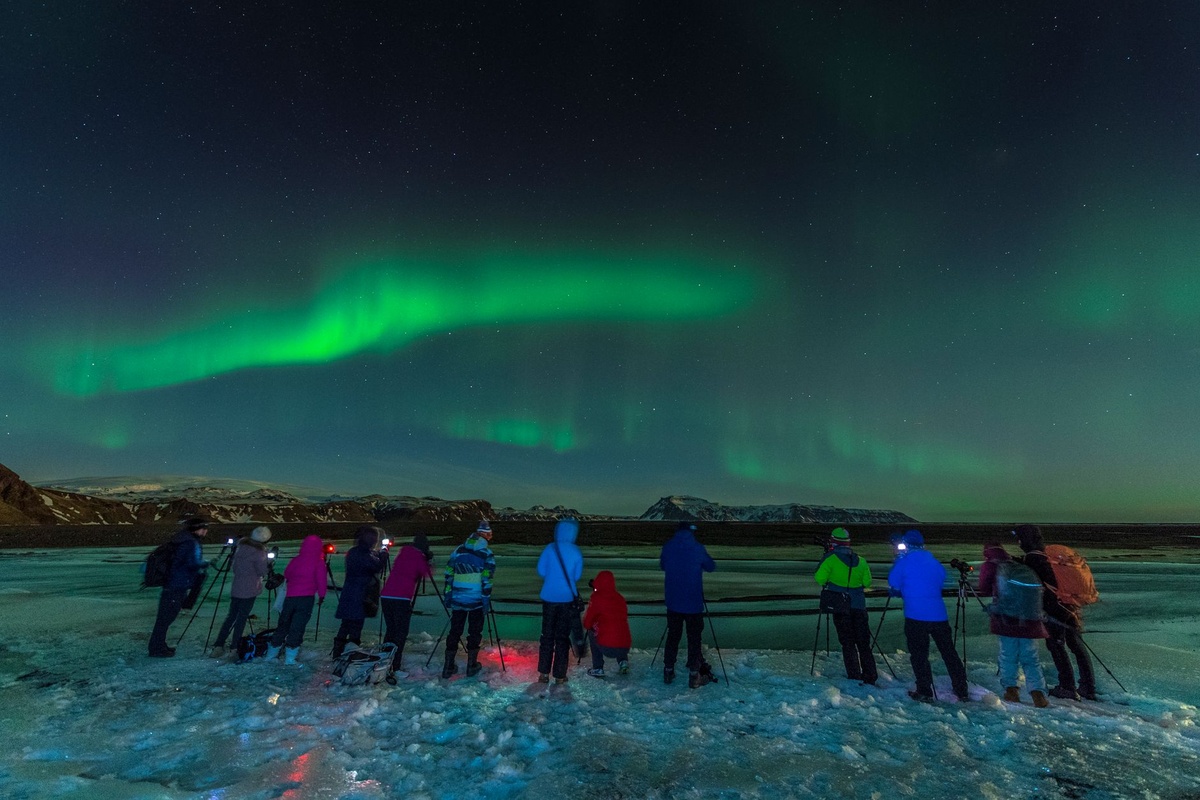
4. Iceland: Hot Springs, Black Sand, and Northern Lights Road Trips
Iceland is not the cheapest aurora destination, and Reykjavik is not the darkest base. But if you want a trip that works even when the aurora does not show, Iceland is hard to beat.
Keflavík Airport to Reykjavik is 50 km. Flybus takes 45 minutes and costs about ISK 4,999/$36 one-way, while a taxi can run ISK 20,000-28,000/$145-$205. Rent a car only if you are comfortable with winter roads; a compact car costs $55-$95/day, while a 4×4 often costs $90-$160/day.
Best aurora experiences
The easiest trip is a Reykjavik-based aurora minibus tour, usually $65-$110 for 3-5 hours. The better trip is renting a 4×4 and sleeping outside the city, especially near the Snæfellsnes Peninsula, South Coast, or Lake Mývatn.
Use the Icelandic Met Office aurora forecast religiously. It combines cloud cover and aurora activity, which is far more useful than obsessing over KP numbers.
- Blue Lagoon: from ISK 9,990/$73, usually open 08:00-22:00.
- Sky Lagoon: from ISK 11,990/$87, usually open 11:00-23:00.
- Reykjavik aurora tour: $65-$110, often includes free rebooking if no lights appear.
- South Coast day tour: $95-$150, 10-11 hours.
Skip the Blue Lagoon if your itinerary is tight and you are based in Reykjavik. Do Sky Lagoon instead: it is 15 minutes from downtown by taxi, compared with 45-50 minutes to the Blue Lagoon.
Where to stay and eat
In Reykjavik, Center Hotels Laugavegur often costs $170-$280 per night and keeps you near restaurants. For darker skies, Hotel Rangá is pricey at $350-$700 per night, but its wake-up call service and observatory make it one of Iceland’s best aurora hotels.
Eat hot dogs at Bæjarins Beztu Pylsur for about ISK 790/$6, then splurge at Messinn, where fish mains usually cost ISK 4,200-6,200/$31-$45. Iceland is a place where a simple lunch can cost $25, so book hotels with breakfast when possible.
5. Norway Coastal Cruise: The Most Comfortable Aurora Hunt
If you hate repacking, book a Norwegian coastal cruise. Hurtigruten and Havila sail the coast between Bergen and Kirkenes, crossing the Arctic Circle and stopping in ports like Trondheim, Bodø, Tromsø, Honningsvåg, and Kirkenes.
The classic Bergen-Kirkenes-Bergen round trip takes 12 days. Shorter northbound or southbound segments take 6-7 days. Prices vary wildly, but expect about €1,600-€3,500 per person for an inside or outside cabin in winter, before flights and excursions.
Hurtigruten vs Havila
| Company | Typical Winter Price | Vibe | Best For |
|---|---|---|---|
| Hurtigruten | €1,800-€3,800 pp | Classic expedition/coastal ferry mix | More departures, established excursions |
| Havila | €1,600-€3,300 pp | Newer ships, quieter design | Comfort, lower-emission ships |
| DIY train + Tromsø | €900-€1,800 pp | More planning, less sea time | Budget travelers |
Book through hurtigruten.com or havilavoyages.com. Excursions like North Cape visits often cost €180-€250, dog sledding €250-€380, and snowmobile trips €300-€450.
My opinion: skip the full 12-day round trip unless you love slow travel. The 6-night northbound Bergen-to-Kirkenes sailing gives you the best scenery-to-time ratio, then you can fly back from Kirkenes or Tromsø.
6. Yellowknife, Canada: The Reliability Pick
Yellowknife in Canada’s Northwest Territories is one of the most reliable aurora destinations on Earth. It sits under the auroral oval, has flat horizons, and gets many clear winter nights.
Flights from Vancouver or Calgary usually connect through Edmonton or Calgary and cost $350-$750 round-trip if booked early. Yellowknife Airport is 6 km from downtown; taxis cost about CAD 20-25/$15-$19 and take 10 minutes.
What to book
Most visitors book three-night aurora packages. Aurora Village is the famous option, with heated teepees and viewing chairs; packages often run CAD 600-900/$445-$670 for three nights of viewing, excluding hotel.
Smaller operators may cost CAD 120-180/$89-$134 per night and feel less staged. I would choose a small photography-focused guide if you already know how to shoot manually, but Aurora Village is easier for families and first-timers.
- Prince of Wales Northern Heritage Centre: free entry, usually open Tuesday-Sunday 10:30-17:00.
- Bullock’s Bistro: fish and chips around CAD 32-40/$24-$30.
- Hotel rooms: CAD 180-320/$134-$238 per night in winter.
- Rental car: CAD 80-130/$59-$97 per day, useful but not mandatory.
Compared with Iceland, Yellowknife has less sightseeing variety but better aurora reliability. If your goal is “I need to see the lights once in my life,” this is a smarter bet than a two-night Reykjavik weekend.
7. Fairbanks, Alaska: Best U.S. Northern Lights Trip
Fairbanks is the easiest serious aurora trip for U.S. travelers. You avoid international entry rules, use domestic flights, and still get long dark nights from late August to April.
Seattle to Fairbanks flights take about 3 hours 45 minutes nonstop and often cost $250-$550 round-trip in winter. Fairbanks Airport is 9 km from downtown; taxi or rideshare costs about $20-$30 and takes 10-15 minutes.
Best experiences
The signature move is combining aurora viewing with Chena Hot Springs Resort, about 60 miles / 97 km from Fairbanks. Shuttle transfers cost around $180 round-trip per person, while a rental car gives you flexibility but requires comfort with icy roads.
Chena Hot Springs day passes are typically around $20-$25 for adults, and the outdoor rock lake is usually open late into the evening. Rooms often cost $210-$350 per night, while Fairbanks hotels like SpringHill Suites or Sophie Station Suites often run $160-$260.
- Aurora viewing lodge tour: $130-$190, usually 10:00 p.m.-3:00 a.m.
- Arctic Circle day tour: $240-$320, 12-14 hours.
- Museum of the North: about $20 admission, usually open 09:00-17:00.
- Thai House Restaurant: mains about $17-$28; better value than hotel dining.
Skip the “drive north alone at midnight” plan if you are inexperienced on winter roads. Book a lodge tour for the first night, learn the conditions, then decide if DIY viewing makes sense.
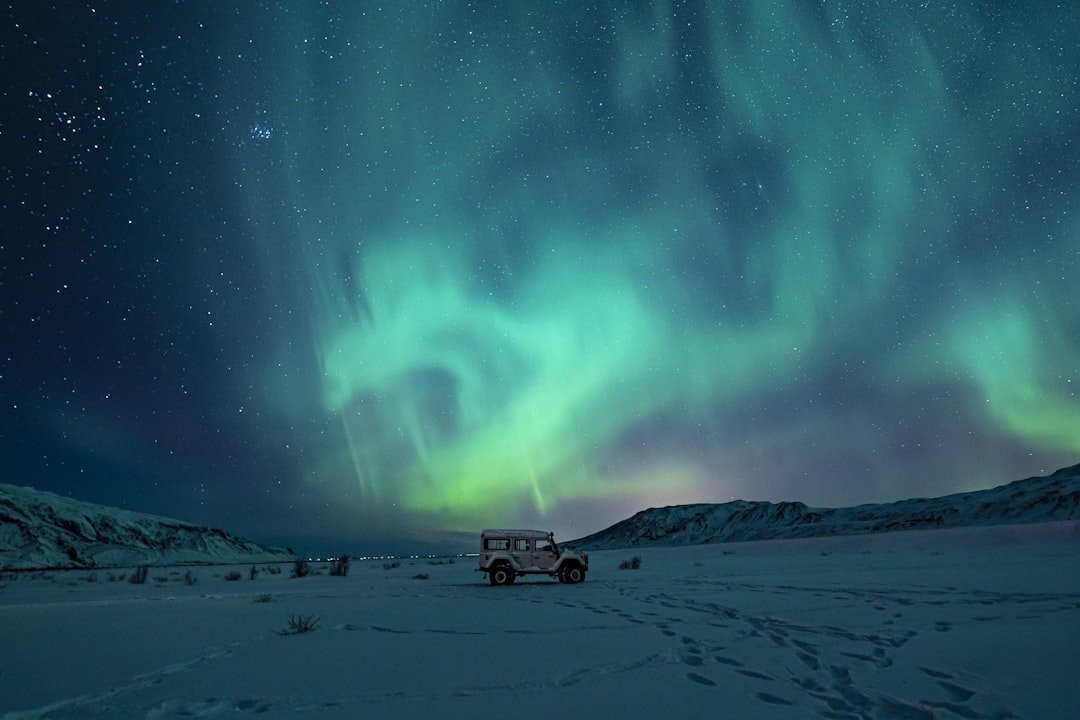
8. Greenland: The Once-in-a-Lifetime Aurora Expedition
Greenland is not the easiest Northern Lights trip. That is the point. Ilulissat, Kangerlussuaq, and Nuuk offer auroras with icebergs, sled dogs, frozen fjords, and a sense of scale that makes Scandinavia feel tame.
Flights usually route via Copenhagen or Reykjavik. Copenhagen to Kangerlussuaq takes about 4 hours 40 minutes, while onward flights to Ilulissat take about 45 minutes. Round-trip fares from Europe often land between $900 and $1,700, before domestic Greenland segments.
What to book
Ilulissat is the most visually spectacular base, thanks to the UNESCO-listed icefjord. A Northern Lights tour costs about DKK 595-995/$86-$144, dog sledding in winter can cost DKK 1,800-3,500/$260-$505, and iceberg boat trips run roughly DKK 750-1,200/$108-$173.
Hotel Arctic is the classic splurge, often $260-$480 per night. Hotel Hvide Falk can be better value at $170-$300 and has a practical location near town.
- Ilulissat Icefjord Centre: about DKK 150/$22, typically open 10:00-16:00 in winter.
- Airport to Ilulissat town: 4 km, taxi about DKK 150-200/$22-$29.
- Restaurant Ulo: tasting menus often DKK 795-1,195/$115-$173.
- Café Iluliaq: simpler meals around DKK 120-220/$17-$32.
Skip Greenland if you only have four days door-to-door. Weather delays are real. Do it properly with at least six nights, or save it for a bigger celestial trip — like pairing future sky events with the kind of planning we covered in our guide to Luxor’s 2027 “Eclipse of the Century”.
Best Time to See the Northern Lights in 2026-2027
The aurora season depends on darkness, not cold. Late August can work in Alaska and Canada, but in much of Scandinavia, September is the real opener. This is also why September is underrated: southern Europe is still roasting above 40°C in heat waves, while the north gets dark skies, comfortable hiking, and shoulder-season prices.
| Month | Aurora Odds | Pros | Cons |
|---|---|---|---|
| September 2026 | High around equinox | Warmer, fewer crowds, fall colors | Less snow for winter activities |
| October-November 2026 | Good | Lower prices than Christmas | Cloudier in coastal areas |
| December 2026 | Good | Polar night, festive trips | Most expensive holiday period |
| January-February 2027 | Very good | Deep winter, snow activities | Extreme cold in inland Canada/Alaska |
| March 2027 | Excellent around equinox | Longer days, strong aurora odds | Popular spring-break dates |
For most travelers, I would book September 20-30, 2026 or March 10-25, 2027. You get a strong balance of darkness, aurora activity, and usability. December looks magical, but prices can be 30-60% higher than late January or early March.
How Much Does a Northern Lights Trip Cost?
A realistic four-night aurora trip from Europe or North America usually costs $1,200-$2,600 per person, excluding major long-haul flights. Luxury versions can hit $5,000 fast if you add glass igloos, cruises, or remote lodges.
| Expense | Budget Trip | Comfort Trip | Splurge Trip |
|---|---|---|---|
| Flights/regional transport | $150-$350 | $350-$700 | $900-$1,700 |
| Hotel, 4 nights | $360-$600 | $700-$1,200 | $1,600-$3,000 |
| Aurora tours | $0-$180 | $250-$500 | $700-$1,500 |
| Food | $180-$300 | $350-$600 | $800+ |
| Winter activities | $100-$250 | $300-$700 | $1,000+ |
| Total | $790-$1,680 | $1,950-$3,700 | $5,000+ |
The biggest mistake is spending too much on one perfect night. Spend on duration instead. Five normal nights beat two luxury nights because clouds do not care what your hotel cost.
Tech Tips: Apps, Cameras, Connectivity, and Safety
Northern Lights travel is where tech actually helps. You need aurora probability, cloud cover, wind chill, road conditions, and a way to stay connected when your fingers barely work.
Use SpaceWeatherLive for solar wind data, My Aurora Forecast for simple alerts, Yr for Norway weather, Vedur for Iceland, and Windy for cloud layers. Compare at least two cloud forecasts; if one says clear and one says cloudy, assume the sky will be annoying.
- Download offline maps in Google Maps or Organic Maps before leaving town.
- Carry a 10,000-20,000 mAh power bank; cold drains phone batteries quickly.
- Use an eSIM for backup data; Airalo has regional Europe and country-specific plans from about $4.50-$20 depending on data.
- Set camera basics: ISO 800-3200, f/1.8-f/2.8, shutter 2-10 seconds, manual focus to infinity.
- Bring a tripod; handheld aurora photos are usually mush.
Phone cameras have improved, but a real camera still wins. An iPhone or Pixel night mode can capture a green glow, while a mirrorless camera with a fast wide lens captures structure, stars, and movement. Renting a Sony a7 series body and 20mm f/1.8 lens can cost $120-$180 for a week from services like Lensrentals in the U.S.; buying similar gear costs $2,000+.
Booking Checklist for 2026-2027
Because it is August 2026, book winter peak dates now. This is especially true for Christmas week, New Year’s, February school breaks, and March equinox dates.
- Book 4-6 nights minimum in one aurora region; two-night trips are gambling.
- Choose inland over coastal if aurora odds matter more than restaurants.
- Check moon phase: darker skies are better for photography, but auroras can still overpower moonlight.
- Reserve rental cars early in Iceland, Alaska, and Lapland; winter 4x4s sell out.
- Buy travel insurance that covers weather delays and missed connections.
- Leave your final day near the airport in Greenland, Iceland, and northern Norway during winter.
If your flight is canceled or heavily delayed on an EU/UK-related itinerary, check compensation eligibility with AirHelp. Winter weather can complicate claims, but mechanical and airline-controlled disruptions may still qualify.
My Verdict: What Should You Book?
If this is your first Northern Lights trip, book Tromsø for comfort or Abisko for odds. Tromsø is better for couples or groups with mixed interests; Abisko is better for people who will happily trade nightlife for clearer skies.
If you want romance, book Finnish Lapland, but do not blow the whole budget on one glass igloo. If you want adventure, choose Greenland or Fairbanks plus Chena Hot Springs. If you want the most relaxed version, take the Norway coastal cruise and let the ship do the logistics.
My personal 2026-2027 pick? Abisko in late March 2027. You get strong aurora odds, more daylight for snowshoeing, lower stress than peak Christmas travel, and prices that are still saner than Norway.
Start with dates, then choose the destination based on your tolerance for cold, cost, and logistics. Book the trip with enough nights, watch the cloud forecasts, and keep one rule in mind: the best aurora plan is flexible.
Frequently Asked Questions
When is the best time to see the Northern Lights in 2026-2027?
The best windows are late September 2026 and mid-March 2027 because aurora activity often strengthens around the equinoxes. For snowy landscapes, choose January-March 2027; for milder weather, choose September-October 2026.
How much does a Northern Lights trip cost?
A practical four-night trip usually costs $1,200-$2,600 per person before long-haul flights. Budget trips to Abisko can come in under $1,500, while glass igloos, Greenland, or cruises can exceed $5,000 per person.
Where is the best place to see the Northern Lights in Europe?
Abisko, Sweden has some of Europe’s best odds because it sits in a dry mountain rain shadow. Tromsø, Norway is better for first-timers who want restaurants, fjords, and frequent tours, but it is generally cloudier and more expensive.
Can you see the Northern Lights in August?
Sometimes, but it depends where you go. Alaska and northern Canada can work from late August, while much of Scandinavia is better from September because August skies are still too bright.
Is a Northern Lights tour worth it?
Yes for your first night, especially in Tromsø, Iceland, Fairbanks, or Yellowknife. A good guide tracks cloud gaps and may drive 100-250 km, which is far better than waiting at one fixed viewpoint.

About the Author: Tomáš Bzirský
Founder and editor of Distratech. Based in the Czech Republic, travelling regularly from Central Europe. Writes practical travel guides and travel-tech comparisons (eSIM, apps, airports) in six languages.