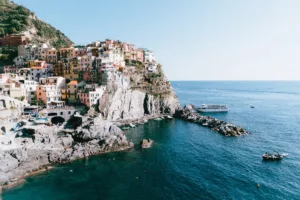
September is the month when the Aegean finally starts making sense again. August 2026 is still serving 40°C+ heat in parts of southern Europe, sold-out ferries, and sweaty cruise tenders; by mid-September, the sea is warm, the crowds thin, and the same Greece–Turkey route can feel like “real summer” without the cruise-ship bottleneck.
If you’re a digital nomad looking at a 7-night Aegean cruise and thinking, “Could I do this better by ferry?” the answer is usually yes — but only if you plan around wind, border crossings, and the sneaky costs cruise lines hide behind onboard credit.
Key Takeaways
- Best switch window: September 10–25, 2026, after peak August crowds but before late-month storm risk rises.
- A workable ferry route is Athens → Syros → Naxos → Samos → Kuşadası → Çeşme → Chios → Athens, covering roughly 700–800 km by sea and land.
- Budget €280–€430 for ferries versus a cruise “deal” that can jump from $899 to $1,600+ after Wi-Fi, gratuities, shuttles, and drinks.
- For rough seas, choose large conventional ferries like Blue Star over high-speed catamarans, even if they take 2 hours longer.
- Do not schedule client calls on ferry days; Aegean Wi-Fi is unreliable and mobile signal drops between islands.
1. First, Decide If You Should Switch from Cruise to Ferry
Here’s the unpopular opinion: skip the September “Greek Isles cruise deal” if you need reliable work time. Cruise ships are fine for passive vacationing, but digital nomads pay extra for the two things they need most — Wi-Fi and flexibility.
A 7-night Aegean cruise advertised at $899 per person can easily become $1,600–$1,900 once you add port taxes, gratuities, Wi-Fi, espresso, laundry, and shore shuttles. A ferry route costs more in hotels, but you control the schedule and can stay longer where the Wi-Fi works.
| Cost Item | Typical Cruise Cost | Ferry Switch Cost |
|---|---|---|
| Base transport | $899 interior cabin deal | €280–€430 ferry tickets |
| Port taxes / fees | $150–$220 | Usually included in ferry fare |
| Gratuities | $14–$18 per night; $98–$126 weekly | €0 mandatory |
| Wi-Fi | $20–$35 per day | €10–€25 eSIM data top-up |
| Port shuttles | $10–$25 per port | Bus: €1.80–€3 vs taxi: €12–€25 |
| Schedule flexibility | Low; ship leaves without you | High; stay 2–4 nights per island |
The onboard credit trap is real. A cruise may offer $200 onboard credit, but it often cannot be used for everything, may exclude pre-booked excursions, and nudges you into ship-priced drinks, spa treatments, or premium dining.
Ferry travel has its own hidden costs — seasickness tablets, reserved seats, taxis from ugly ports, and occasional backup hotel nights — but those are fixable with planning. Cruise costs compound every day you’re trapped onboard.
2. Pick a Route Spine, Not a Postcard Wishlist
Do not build your September route around Santorini, Mykonos, and “whatever looks pretty on Instagram.” Santorini’s cruise port tender process can eat 90 minutes each way, and Mykonos hotel rates still bite in early September.
Do this instead: use islands that make geographic sense between mainland Greece and Turkey. My favorite cruise-to-ferry switch route for September 2026 is:
- Athens / Piraeus — 1 night
- Syros — 2 nights
- Naxos — 3 nights
- Samos — 2 nights
- Kuşadası / Ephesus — 2 nights
- Izmir / Çeşme — 1–2 nights
- Chios — 2 nights
- Return to Athens by overnight ferry
This route keeps the crossings logical and gives you actual work bases. Syros has a year-round town, Naxos has better beaches than Mykonos for half the price, Samos gets you to Turkey fast, and Chios is criminally underrated.
| Leg | Distance | Typical Time | Typical Fare | Book At |
|---|---|---|---|---|
| Piraeus → Syros | 144 km / 78 nm | 2h 05m high-speed; 3h 45m conventional | €38–€68 | Ferryhopper, Blue Star Ferries |
| Syros → Naxos | 80 km / 43 nm | 2h–3h 30m | €22–€55 | Ferryhopper, SeaJets |
| Naxos → Samos | Approx. 210–260 km with routing | 5h–8h depending connection | €45–€85 | Ferryhopper, OpenSeas |
| Samos → Kuşadası | 31 km / 17 nm | 45m–1h 15m | €35–€55 one-way | Meander Travel, Makri Travel |
| Kuşadası → Izmir / Çeşme | 95–150 km by road | 1h 30m–2h 30m | Bus €5–€9; taxi €70–€110 | Obilet |
| Çeşme → Chios | 17 km / 9 nm | 20m–35m | €25–€35 | Ertürk Lines, Makri Travel |
| Chios → Piraeus | 215 km / 116 nm | 7h 30m–9h overnight | €47 seat; €85–€140 cabin | Blue Star Ferries, Ferryhopper |
Comparison that matters: Naxos → Piraeus on SeaJets can be 3h 20m and €85, while Blue Star can be 5h 20m and €52. If the wind is up, take the slower ship; your stomach and laptop will both be happier.
3. Time the Weather: September Is Better, Not Bulletproof
September is the real summer in the Mediterranean because the sea is still warm — around 24–25°C in the central Aegean — but the worst August heat and ferry chaos fade. Northern Europe is still warm in early September 2026, but the Aegean has the better swim-work balance.
The risk is wind. The Meltemi, the dry northerly Aegean wind, is strongest in July and August but can absolutely continue into early September.
Use this timing rule:
- September 1–9: cheaper than August, but still busy and Meltemi-prone.
- September 10–25: best balance of warm sea, open restaurants, and lower crowd pressure.
- September 26–30: still good, but storm systems and ferry disruptions become more likely.
Check wind with Windy using the ECMWF model, Greece’s Hellenic National Meteorological Service, and the Poseidon System. If you see sustained northerlies above 25 knots or Beaufort 6+, avoid small high-speed catamarans.
Morning crossings are usually better than late afternoon. For example, Samos → Kuşadası at 08:00 is often calmer and gives you border-buffer time; a 17:00 boat risks delays and a grumpy arrival after hotel check-in.
4. Build the Digital Nomad Version, Not the Vacation Version
The best nomad route has fewer islands, longer stays, and zero “I’ll work from the ferry” fantasies. Ferry Wi-Fi is either absent, overloaded, or priced like a prank.

In Greece, EU roaming usually works if you have a European plan. For mixed Greece + Turkey data, use an eSIM such as Airalo; budget $10–$25 for a regional package or separate Turkey top-up.
Skip hotels that advertise “free Wi-Fi” without speed details. Message before booking and ask: “Can you confirm download/upload speed from a recent Speedtest?” Anything under 25 Mbps down / 8 Mbps up is risky for video calls.
Where I’d Base for Work
- Athens/Piraeus: stay at Port Square Hotel near Piraeus station, usually €140–€210 in September; metro to central Athens is about 25 minutes and €1.20.
- Syros: book Shapes Luxury Suites from about €95–€150; Ermoupoli has real-town cafés, not just beach bars.
- Naxos: choose Emery Hotel around €90–€140; skip staying far out at Plaka if you have calls, because taxis back to town run €18–€28.
- Kuşadası: Ilayda Avantgarde Hotel often runs €105–€160, has central access, and is easier than pretending a resort 8 km out is “convenient.”
- Chios: Agora Residence is usually €80–€130 and puts you near food, buses, and the port.
For Turkey coworking, Kuşadası is weaker than Izmir. If you need a serious workday, go to Originn Coworking in Izmir, where day access is commonly around ₺450–₺700 — roughly $14–$22.
Workday comparison: ferry day gives you maybe 1–2 usable hours of offline work; hotel day gives you 6–8 stable hours. Treat every sea crossing as a transit day, not a productivity day.
5. Plan Border Crossings Like a Mini Airport Day
Greece is in Schengen; Turkey is not. That means Samos → Kuşadası and Çeşme → Chios are not casual domestic ferry hops — you’ll pass passport control both ways.
Arrive at the port 60–90 minutes before departure for Greece–Turkey ferries. The boat may only take 45 minutes, but passport queues can double the actual experience.
Also watch Europe’s border-tech rollout. The EU’s Entry/Exit System can affect external Schengen borders, including sea ports, so build in margin when re-entering Greece; our guide to avoiding the worst EES queues is airport-focused, but the same “don’t book tight onward connections” rule applies.
For 2026, most short-stay travelers still don’t need ETIAS yet; check our plain-English update on Europe’s ETIAS delay before you book. Turkey visa rules depend on your passport, so check evisa.gov.tr instead of trusting a random cruise forum.
Cost comparison: Samos port taxi from Pythagoreio to Vathy can be €25–€35, while the local bus is usually under €3 but infrequent. If you have a border ferry, pay for the taxi and protect the schedule.
6. Budget the Hidden Seasickness Costs
Seasickness is not just discomfort; it’s a budget line. The Aegean has short distances, but wind-against-current crossings can turn a “quick hop” into a laptop-free survival exercise.
Basic motion sickness tablets in Greek pharmacies usually cost €4–€12. Acupressure bands run €8–€18, while prescription patches can cost €15–€35 depending on country and availability.
The bigger cost is upgrading because you chose badly. A reserved aircraft-style seat may add €9–€25; a cabin on Chios → Piraeus can add €40–€90 over a deck seat, but it is worth it if you need to work the next morning.
| Problem | Cheap Choice | Smarter Choice | Price Difference |
|---|---|---|---|
| Windy Naxos crossing | High-speed catamaran, 3h 20m | Large Blue Star ferry, 5h 20m | Save about €25–€35 and feel better |
| Overnight Chios → Athens | Deck seat €47 | Shared/private cabin €85–€140 | +€40–€90 |
| Early Turkey ferry | Bus to port €2–€3 | Taxi €20–€35 | +€18–€32, but safer timing |
| Lost work block | Try calls onboard | Move calls to hotel day | Could save a $200–$500 client headache |
My rule: if the crossing is under 90 minutes, sit outside midship if allowed. If it’s over 4 hours, book a reserved seat on a large ferry and keep medication accessible, not buried in your roller bag.
7. Eat Well Without Losing Your Work Window
Food is where ferry switching destroys cruising. You are not stuck choosing between a buffet and a specialty dining surcharge.
In Syros, skip the waterfront tourist menus and book Avant Garden in Ermoupoli, typically open evenings around 19:00–00:00; mains run €14–€28. For a cheaper desk-friendly lunch, Django Gelato and nearby bakeries can solve a work break for under €8.
In Naxos, skip the old-port restaurants with laminated photo menus. Go to Doukato in the Old Town; dinner for two with wine is usually €55–€75, versus €90+ for a forgettable waterfront meal.
In Kuşadası, do not waste your only Turkey dinner inside a hotel buffet. Try Kazım Usta for grilled fish and meze; budget ₺700–₺1,200 per person, about $22–$38 depending on fish choice.
For sightseeing, Ephesus is the one paid excursion I would not skip. The archaeological site is generally open around 08:00–19:00 in summer/early fall, entry has recently been around €40, and Kuşadası → Ephesus by taxi is 25–30 minutes and roughly €45–€65 round trip; dolmuş/minibus is far cheaper at about €2–€4 each way but slower.
8. The 12-Night September 2026 Plan I’d Actually Book
This is the route I’d use if switching from a cruise to ferries and still needing three solid workdays per week.
- Sept 10: Arrive Athens, sleep Piraeus; avoid same-day ferry after a long-haul flight.
- Sept 11–12: Ferry to Syros, work mornings, swim afternoons.
- Sept 13–15: Naxos for beaches and stable hotel time; avoid Sunday ferry stress if possible.
- Sept 16: Transit toward Samos; keep the day meeting-free.
- Sept 17: Samos workday; book Turkey ferry for next morning.
- Sept 18–19: Kuşadası and Ephesus; use one half-day for sightseeing.
- Sept 20: Bus to Izmir or Çeşme; cowork in Izmir if deadlines are heavy.
- Sept 21–22: Cross to Chios, decompress, and visit mastic villages.
- Sept 23: Overnight ferry back to Piraeus; book a cabin if working Sept 24.
Rough trip budget for one person: ferries and buses €330, 12 hotel nights at midrange average €115 = €1,380, food €35–€55/day, data $15–$30, seasickness/seat upgrades €30–€120. Total realistic spend: €2,150–€2,650 before flights.
If your flight to Europe is delayed and you miss the first ferry, know your compensation rights. Our EU261 flight delay guide explains when you may be owed up to €600; services like AirHelp can be useful if the airline stonewalls.
Final Advice: Switch, But Don’t Over-Island-Hop
The best September 2026 cruise-to-ferry switch is not a race to copy a cruise itinerary. It is a slower, smarter Aegean loop that uses ferries where they shine: short scenic hops, real towns, better food, and the freedom to dodge bad weather.
Book the big ferry legs early, leave one buffer night before flights, and treat onboard credit like casino chips, not cash. If you want a practical nomad-friendly Aegean, skip the ship casino and build your own route from Athens to Turkey and back.
CTA: Before you book, compare your cruise quote against a ferry budget line by line — Wi-Fi, gratuities, port transfers, and seasickness fixes included.
Frequently Asked Questions
Is September a good time to ferry between Greece and Turkey?
Yes, especially September 10–25, when the Aegean is still warm but August crowds have dropped. The Meltemi wind can still disrupt ferries, so check Windy, HNMS, and Ferryhopper alerts before travel days.
How much does a Greece to Turkey ferry cost in 2026?
Short international ferries usually cost €25–€55 one-way. Samos → Kuşadası is commonly €35–€55, while Çeşme → Chios is often €25–€35.
Is ferry hopping cheaper than an Aegean cruise?
Transport alone is usually cheaper by ferry at about €280–€430, but hotels make the total trip more variable. A cruise advertised at $899 can exceed $1,600 after Wi-Fi, gratuities, drinks, port fees, and shuttles.
Which Aegean ferries are best for seasickness?
Large conventional ferries such as Blue Star are usually better than high-speed catamarans in wind. They may take 1–2 hours longer, but they are steadier and often cheaper.
Can digital nomads work on Greek ferries?
Do not rely on it for calls. Some ferries have Wi-Fi, but speeds are inconsistent; plan offline work only and schedule meetings for hotel or coworking days with at least 25 Mbps download.

About the Author: Tomáš Bzirský
Founder and editor of Distratech. Based in the Czech Republic, travelling regularly from Central Europe. Writes practical travel guides and travel-tech comparisons (eSIM, apps, airports) in six languages.