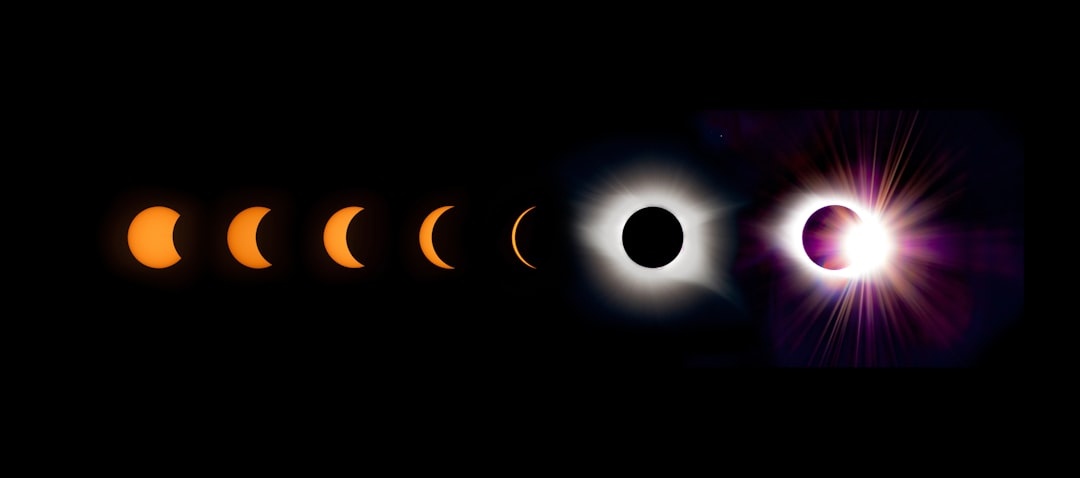
The next truly trip-worthy total solar eclipse is Monday, August 2, 2027, and if you want the best odds of clear skies, real totality, and a hotel that doesn’t cost the same as a business-class ticket, you should start planning now. August 2026 is already packed with Perseids meteor shower trips, Edinburgh Fringe pricing, Burning Man logistics, and last-minute summer deals, but the smart money is quietly moving toward Egypt, southern Spain, and Morocco for 2027.
Key Takeaways
- The next major total solar eclipse to plan around is August 2, 2027, with up to 6 minutes 22 seconds of totality near Luxor, Egypt.
- Luxor has the best weather odds but brutal August heat of around 40–43°C / 104–109°F.
- Southern Spain and Gibraltar are easier for European travelers, with totality around 4–5 minutes and hotels from about €180–€350/night.
- International flights usually open 330–355 days ahead, so set alerts from September 2026 for August 2027 travel.
- Buy certified ISO 12312-2 eclipse glasses for $2–$5 each and skip unverified marketplace bundles.
So, When Is the Next Total Solar Eclipse?
There is a technical answer and a useful travel answer. If you are reading before August 12, 2026, the very next total solar eclipse crosses Greenland, Iceland, and Spain on that date, but availability is ugly and prices are already inflated.
The one to plan properly is August 2, 2027. Its path of totality crosses the Atlantic, southern Spain, Gibraltar, Morocco, Algeria, Tunisia, Libya, Egypt, Saudi Arabia, Yemen, and Somalia.
The headline destination is Luxor, Egypt, where totality lasts roughly 6 minutes 20 seconds. Compare that with the 2026 Spain eclipse, where many places get under 2 minutes and hotel prices in northern Spain have already doubled.
August is not a comfortable month in North Africa, but eclipses do not care about shoulder-season preferences. This is one case where I would normally say “September is the real summer in the Mediterranean,” but the sun has inconveniently chosen peak heat.
- Date: Monday, August 2, 2027
- Best totality duration: about 6 minutes 22 seconds near Luxor, Egypt
- Best weather odds: Egypt and interior North Africa
- Easiest logistics: southern Spain and Gibraltar
- Best balance: Tangier or Tétouan, Morocco
For path maps and exact timing, bookmark Timeanddate, NASA Eclipse Web Site, and Xavier Jubier’s interactive eclipse map. Timeanddate is easiest on mobile; Jubier is better for choosing an exact viewing field or hotel roof.
Best Places to See the 2027 Total Solar Eclipse
Do not choose your eclipse base only by duration. A 6-minute eclipse is useless if you are stuck on a road, blocked by haze, or watching from a hotel courtyard with no western or southern sky view.
Here is the practical comparison I would use before booking.
| Destination | Totality | Weather Odds | Typical August Hotel Price | Best For |
|---|---|---|---|---|
| Luxor, Egypt | About 6m 20s | Excellent; very low cloud risk | $90–$240/night | Maximum totality and ancient sites |
| Aswan / Upper Egypt | About 5–6m depending location | Excellent, hotter than Spain | $80–$220/night | Independent travelers and Nile trips |
| Gibraltar / La Línea | About 4m+ | Good, possible marine haze | €170–€350/night | Easy Europe-based trip |
| Tarifa / Cádiz, Spain | About 4–5m | Good, windier coast | €180–€320/night | Beach trip plus eclipse |
| Tangier / Tétouan, Morocco | About 4–5m | Good to very good | €90–€220/night | Value, culture, easy ferry access |
My opinion: Luxor is the bucket-list choice, Morocco is the smart compromise
If this might be your only total eclipse, go to Luxor. Six-plus minutes of totality over the Nile Valley is the kind of travel moment people over-romanticize online, except this one actually deserves it.
If you hate extreme heat or want simpler logistics from Europe, pick Tangier or Tétouan. You give up about 90 seconds of totality compared with Luxor, but you gain cooler evenings, ferry options, better-value boutique hotels, and less punishing sightseeing.
I would skip Málaga city as your main base unless you plan to rent a car. It is convenient for flights, but you will likely need to move southwest toward the path; Tarifa, Algeciras, Gibraltar, or Cádiz make more sense.
The Best 2027 Eclipse Trip: Luxor, Egypt
Luxor is the strongest eclipse destination because it combines duration, weather, and world-class travel value. The catch is the heat: expect daytime highs around 40–43°C / 104–109°F, so your trip needs to be built around sunrise, shade, pools, and air-conditioning.
Fly into Luxor International Airport (LXR) if fares are reasonable. Cairo to Luxor is about 660 km / 410 miles; the flight takes 1 hour 10 minutes and often costs $70–$160 one-way, while the overnight train takes 10–11 hours and usually costs around $80–$120 for a sleeper via Watania Sleeping Trains.
From Luxor airport to the East Bank hotel zone, a taxi takes 20–25 minutes and should cost around EGP 500–800 / $10–$16 if pre-arranged. A private hotel transfer is usually $20–$35; pay the extra if you arrive late.
Where to stay in Luxor
Hilton Luxor Resort & Spa is my top pick if your budget allows it. Rates in normal August periods run around $155–$240/night, but eclipse week could easily hit $300+; book refundable early through Booking.com or Hilton direct.
Steigenberger Nile Palace is the best mid-range choice on the East Bank, usually $90–$150/night. It has Nile views, a proper pool, and better walkability than isolated resort hotels.
Budget travelers should look at Bob Marley Peace Hotel Luxor, where simple rooms can be $18–$35/night outside peak dates. I would not rely on ultra-cheap rooms for eclipse week unless you confirm air-conditioning in writing.
What to do before and after totality
Karnak Temple usually opens around 6:00 AM–5:30 PM, and foreign adult tickets are roughly EGP 600 / $12. Go at opening; by 9:30 AM the stone courtyards feel like a pizza oven.
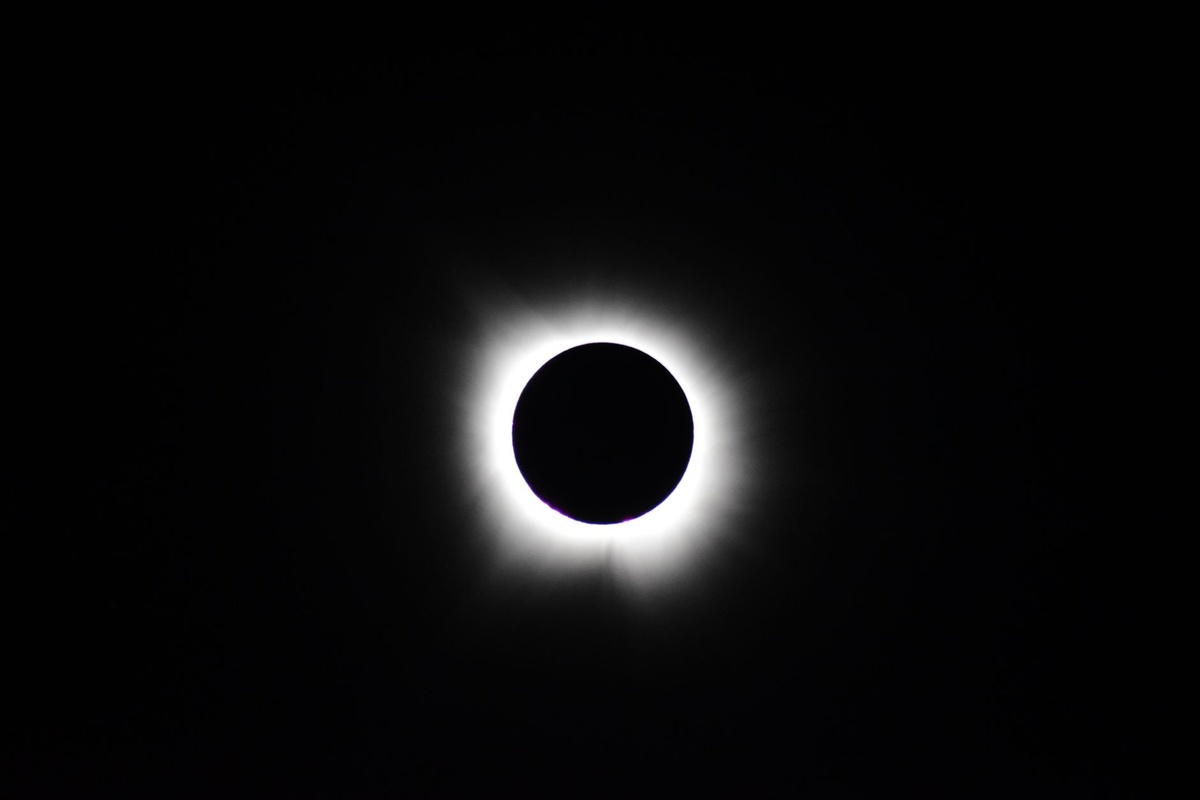
Valley of the Kings is about 30 km / 19 miles from central Luxor by road and takes 40–50 minutes by car. Standard entry is around EGP 750 / $15, while famous tombs such as Seti I cost extra and can exceed EGP 2,000 / $40.
For transport, a private West Bank driver costs about $35–$55 for 4–5 hours. A group tour can be $25–$40, but you lose control of timing, which matters in August heat.
Skip the generic $45 Nile dinner cruise. Do a private sunset felucca instead for about $15–$25 per hour, then eat at Sofra Restaurant & Café, where stuffed pigeon, tagines, and mezze usually land around $8–$14 per main.
For one splurge, book 1886 Restaurant at the Sofitel Winter Palace. Expect $35–$60 per person, jackets are sometimes requested, and it feels more memorable than another hotel buffet.
Spain, Gibraltar, or Morocco: The Easier Eclipse Alternatives
If Egypt sounds too hot, southern Spain and northern Morocco are the obvious backups. You will likely get around 4–5 minutes of totality, which is still excellent by eclipse standards.
Málaga Airport (AGP) is the main gateway for Spain. Málaga to Tarifa is about 160 km / 99 miles: rental car takes 1 hour 45 minutes, while bus combinations via Algeciras take roughly 3–4 hours and cost €18–€28 via operators listed on Avanza.
Gibraltar is easier if you can find a flight, but hotel supply is limited. A room at The Eliott Hotel or Sunborn Gibraltar can run €220–€420/night in August; staying across the border in La Línea de la Concepción can cut that to €90–€180/night.
For Spain, I would stay in Tarifa, not Marbella. Marbella is expensive and scene-y; Tarifa gives you Atlantic beaches, open horizons, and easy ferry options if forecasts favor Morocco.
Book Kook Hotel Tarifa if you want boutique style near the old town; expect €170–€260/night in August. Eat at Bar El Francés, where tapas and seafood plates usually cost €25–€35 per person, or El Lola for tuna dishes and tapas around €4–€9 each.
Morocco is the more interesting play. The Tarifa–Tangier Ville ferry takes about 1 hour and usually costs €45–€55 one-way with FRS or Baleària.
In Tangier, Dar Nour and La Maison de Tanger are better than anonymous business hotels; expect €110–€220/night. For food, skip the tourist-trap harbor menus and book El Morocco Club, where mains are around €14–€22, or go casual at Restaurant Ahlen for tagines around $7–$12.
Booking Timeline: What to Do Now in August 2026
Right now, most travelers are distracted by late-summer deals, the Perseids meteor shower on August 12–13, Burning Man, and the Edinburgh Fringe. That is good news: eclipse inventory has not fully entered panic mode yet.
Flights usually become bookable 330–355 days before departure. For an August 2, 2027 eclipse, start serious fare tracking in September 2026, especially for Cairo, Luxor, Málaga, Gibraltar, Tangier, and Casablanca.
Use Google Flights for alerts, then cross-check with airline websites. A normal round-trip New York–Cairo fare can be $750–$1,150; eclipse-period fares may jump to $1,300+ if you wait until spring 2027.
Europe-based travelers should watch border timing too. The EU’s Entry/Exit System has made some airport connections slower, so read our guide to avoiding the worst EES airport queues before building a tight Spain or Gibraltar itinerary.
If your eclipse flight is delayed or canceled in Europe, keep receipts and boarding passes. Under EU261, eligible disruptions can pay up to €600; our breakdown of EU flight compensation rules explains when claiming yourself is better than using a service like AirHelp.
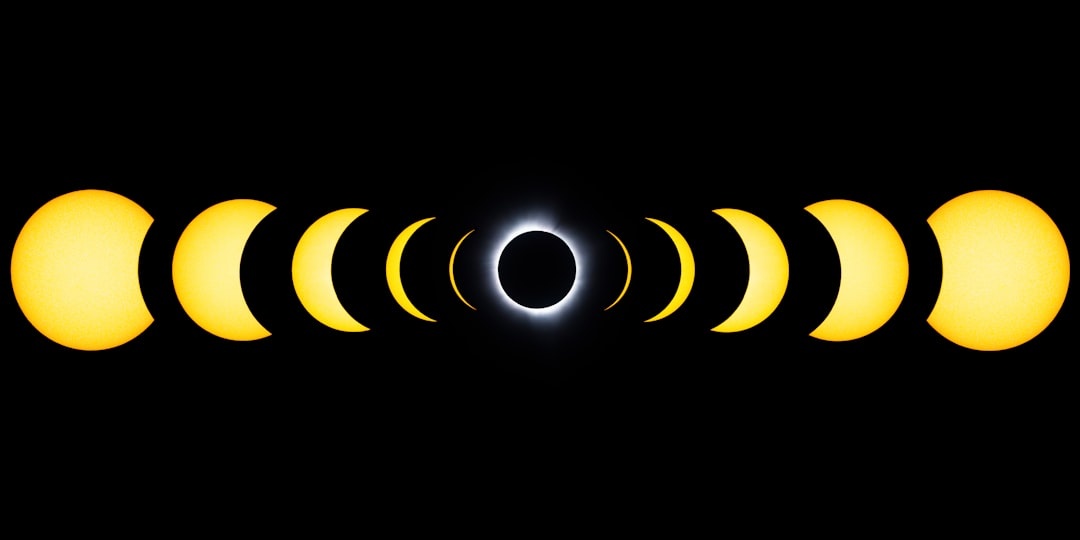
- August–September 2026: choose country, set flight alerts, reserve refundable hotels.
- October–December 2026: book international flights if fares are reasonable.
- January–March 2027: arrange internal flights, trains, drivers, ferries, and tours.
- April–June 2027: buy eclipse glasses, camera filters, eSIMs, and travel insurance.
- July 2027: monitor cloud models and confirm your viewing site has open sky access.
Tech and Gear: What You Actually Need
You do not need a $3,000 camera rig to enjoy totality. You do need certified eye protection, offline maps, weather apps, and a plan for mobile data when hotel Wi-Fi collapses under eclipse crowds.
Buy ISO 12312-2 certified eclipse glasses from reputable astronomy retailers such as Rainbow Symphony, Thousand Oaks Optical, or Baader Planetarium. Expect $2–$5 per pair; if a 20-pack costs $6 with no certification trail, skip it.
For photography, a basic solar filter sheet costs around $30–$45, while a threaded glass solar filter can be $70–$120. Do not point an unfiltered camera, binoculars, or telescope at the sun before or after totality.
Install PhotoPills for $10.99 if you care about exact sun position and framing. Windy is better for cloud and dust layers, while Maps.me or Organic Maps is useful when rural mobile coverage gets patchy.
For mobile data, an Egypt or Morocco eSIM from Airalo typically costs around $7–$15 for small short-trip plans, depending on country and data allowance. Compare that with airport SIM kiosks, where packages can be cheaper per GB but may take 20–40 minutes to activate during busy arrivals.
If the eclipse gets you hooked on dark skies, bookmark our guide to the world’s best stargazing destinations. The same apps and planning habits apply, just with fewer crowds and less pressure.
Sample Budget for a 5-Night 2027 Eclipse Trip
Here is a realistic per-person budget, assuming two people share a room. Solo travelers should add 30–60% for lodging-heavy itineraries.
| Expense | Luxor, Egypt | Tarifa/Gibraltar, Spain | Tangier, Morocco |
|---|---|---|---|
| Round-trip flights from Europe | €350–€650 via Cairo | €120–€280 to Málaga | €180–€380 to Tangier/Casablanca |
| 5 nights mid-range hotel | $450–$900 | €900–€1,600 | €450–€1,000 |
| Local transport | $80–$180 | €120–€300 | €70–€180 |
| Food and drinks | $120–$220 | €220–€380 | €120–€240 |
| Tours and entry fees | $80–$180 | €40–€120 | €40–€120 |
| Estimated total | $1,100–$2,100 | €1,400–€2,700 | €850–€1,900 |
The surprise is that Luxor is not automatically the expensive option. Spain has cheaper flights, but August hotel rates near the coast can crush the savings quickly.
My value pick is Tangier. My once-in-a-lifetime pick is Luxor. My “I need this to be easy with kids or older parents” pick is Gibraltar/La Línea, despite the higher hotel prices.
Start Planning Before Everyone Else Does
Total solar eclipses reward people who book early and punish people who wait for vibes. For August 2, 2027, choose your country now, reserve a refundable hotel, set flight alerts, and buy proper glasses before the cheap certified stock disappears.
If you want the strongest possible eclipse experience, go to Luxor and build your days around heat management. If you want flexibility, base yourself in Tarifa or Tangier and watch the cloud forecasts during the final 72 hours.
Start with one decision today: maximum totality in Egypt, easier logistics in Spain, or better-value adventure in Morocco. Then put August 2, 2027 on your calendar and treat it like the rare travel event it is.
Frequently Asked Questions
When is the next total solar eclipse after 2026?
The next major total solar eclipse after the August 12, 2026 eclipse is on Monday, August 2, 2027. The best viewing areas include southern Spain, Gibraltar, Morocco, Egypt, and parts of the Middle East.
Where is the best place to see the 2027 total solar eclipse?
Luxor, Egypt is the best overall choice for maximum totality, with about 6 minutes 20 seconds and very low August cloud risk. Morocco is a better compromise if you want easier heat and lower costs than Spain.
How much will a 2027 eclipse trip cost?
A 5-night eclipse trip will likely cost around $1,100–$2,100 per person for Luxor, €1,400–€2,700 for southern Spain, or €850–€1,900 for Tangier. Prices depend heavily on when you book hotels and flights.
Do I need eclipse glasses for totality?
You need certified ISO 12312-2 eclipse glasses for all partial phases before and after totality. Only during the brief minutes of full totality is it safe to look with the naked eye, and you must put glasses back on as soon as the sun reappears.
When should I book flights for the 2027 solar eclipse?
Most airlines release flights 330–355 days ahead, so start tracking fares in September 2026. Book once prices look normal; waiting until spring 2027 could add hundreds of dollars, especially for Cairo, Luxor, Málaga, and Gibraltar.

About the Author: Tomáš Bzirský
Founder and editor of Distratech. Based in the Czech Republic, travelling regularly from Central Europe. Writes practical travel guides and travel-tech comparisons (eSIM, apps, airports) in six languages.