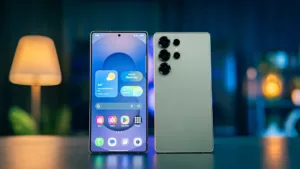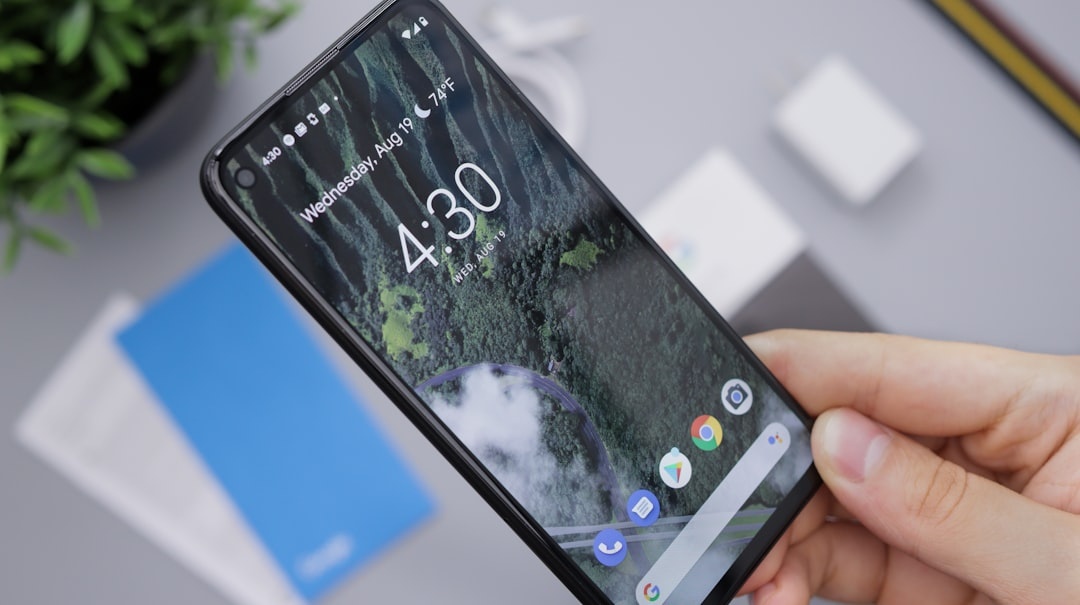
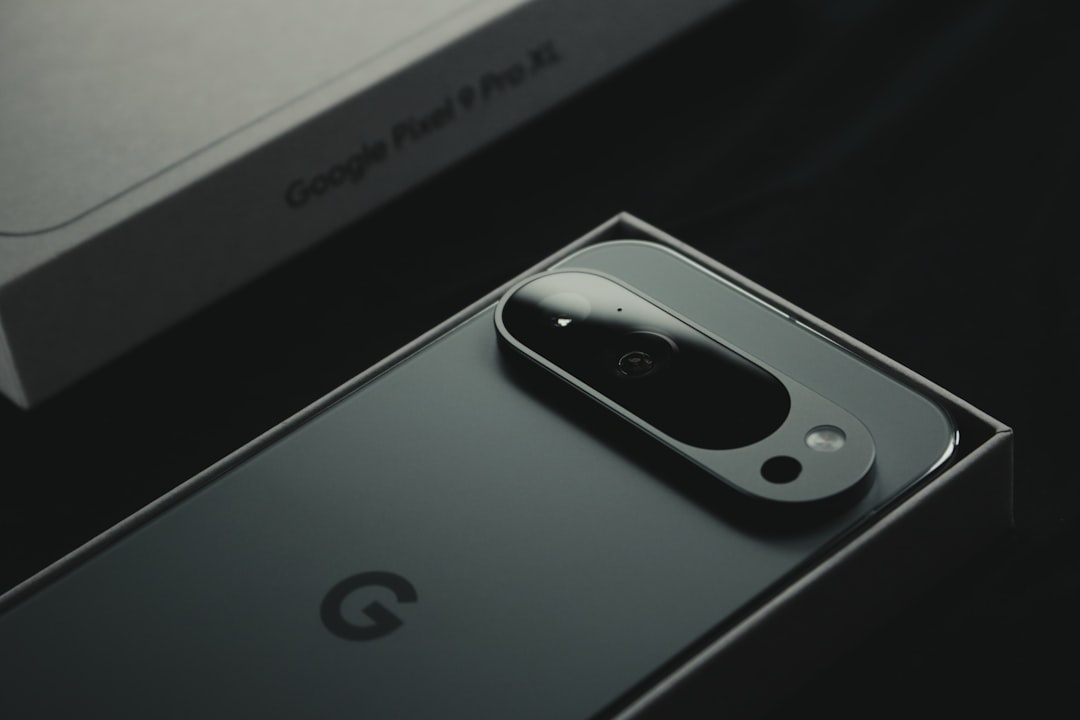
Google’s Pixel 11 phones are now up for preorder, and the best travel-tech angle is not just the camera or AI features — it’s the preorder credit. Depending on the model and retailer, Pixel 11 buyers can get up to $350 in gift cards, which is enough to cover a travel eSIM, a serious power bank, a case, a USB-C charger, and part of your airport lounge splurge.
Key Takeaways
- Pixel 11 preorders start at $899, with gift cards ranging from $150 to $350 depending on model.
- The best travel buy is the Pixel 11 Pro, not the Fold, because it balances camera reach, battery life, and pocketable weight.
- All Pixel 11 models support eSIM, nano-SIM, Wi-Fi 7, USB-C, and Google’s latest on-device AI tools.
- Preorders are best for travelers if you use the gift card for accessories or future travel tech instead of treating it as a discount.
- If you are traveling in early September, check delivery dates carefully before sending the phone to your home address.
What Google Announced — And Why It Matters When You’re Traveling
Google has opened preorders for the Pixel 11 lineup after weeks of leaks, with the base Pixel 11 starting at $899. The main hook is retailer credit: up to $350 in gift cards on selected models, usually from stores like the Google Store, Best Buy, or Amazon depending on availability and region.
For travelers, gift cards matter because a phone is never just a phone purchase. You still need a protective case, a 30W or faster USB-C charger, a backup cable, a MagSafe/Qi2-style travel stand, a privacy screen protector, and possibly an eSIM plan before you land.
That is especially relevant in August. If you are chasing the Perseids meteor shower on August 12–13, heading to Burning Man, doing Edinburgh Fringe, or planning a contrarian September “real summer” trip in the Mediterranean, the phone you buy now may become your camera, boarding pass, translator, hotspot, and emergency navigation device.
Pixel 11 Preorder Prices and Gift Card Offers
The headline deal is “up to $350,” but not every buyer gets that amount. The best credits are usually tied to the more expensive Pro XL and Fold models, while the standard Pixel 11 gets a smaller but still useful gift card.
- Google Pixel 11: from $899, expected preorder gift card up to $150.
- Google Pixel 11 Pro: from $1,099, expected preorder gift card up to $250.
- Google Pixel 11 Pro XL: from $1,199, expected preorder gift card up to $350.
- Google Pixel 11 Pro Fold: from $1,799, expected preorder gift card up to $350.
- Typical release timing: preorders in mid-August, with deliveries and store pickup expected before the end of August in major markets.
Why this matters when you travel: a $350 gift card can be more useful than a straight trade-in if you need trip gear immediately. For example, a good Anker or Ugreen 20,000mAh USB-C power bank costs about $49–$99, a rugged case costs $35–$60, and a multi-country eSIM can run $20–$50.
If you use Airalo, a regional Europe eSIM can cost more than a local SIM bought in Thailand or Spain, but it saves you the 20–40 minutes of airport kiosk hunting after a red-eye flight. That time saving is worth more when you are landing late, traveling with kids, or trying to make a train connection.
Key Pixel 11 Specs for Travelers
Google is leaning hard into AI, camera processing, and battery management with the Pixel 11 family. That matters on the road because travel days punish weak phones: long screen-on navigation, hotspot sharing, bright outdoor displays, poor signal areas, translation, video, and mobile payments all drain battery fast.
- Pixel 11 display: 6.3-inch OLED, 120Hz, up to roughly 2,700 nits peak brightness.
- Pixel 11 Pro display: 6.3-inch LTPO OLED, 1–120Hz, higher peak outdoor brightness.
- Pixel 11 Pro XL display: 6.8-inch LTPO OLED, best for maps, editing, and split-screen travel planning.
- Processor: Google Tensor G6 with upgraded on-device Gemini AI features.
- RAM: 12GB on Pixel 11, 16GB on Pro models.
- Storage: 128GB, 256GB, 512GB, and 1TB options depending on model.
- Connectivity: 5G sub-6, mmWave on selected US variants, Wi-Fi 7, Bluetooth 5.4, NFC, Ultra Wideband on Pro models.
- SIM support: nano-SIM plus eSIM, with dual-SIM standby for travel plans.
- Charging: USB-C wired fast charging, Qi2 wireless charging support on compatible accessories.
- Software support: seven years of OS, security, and feature updates.
Weight matters more than spec sheets admit. The Pixel 11 is expected to sit around 188g, the Pixel 11 Pro around 199g, and the Pixel 11 Pro XL around 221g; the Fold is likely much heavier, around 257g. After a 20,000-step day in Rome or Tokyo, the difference between 188g and 257g is not theoretical.
Battery Life: The Spec Travelers Should Care About Most
Google rates the Pixel 11 series for more than 24 hours of mixed use and up to around 72–100 hours in Extreme Battery Saver, depending on model and settings. In practical travel terms, expect the standard Pixel 11 to last a full day of maps, photos, messaging, and translation, but not two heavy days without charging.
The Pixel 11 Pro XL is the safer pick if you use your phone as your main camera and hotspot. Its larger battery, expected around 5,300mAh, should outperform the smaller models during airport delays, train days, and long outdoor festivals.
Why this matters in August: southern Europe can still hit 40°C+ in heatwaves, and phone batteries hate extreme heat. A Pixel running Google Maps in full sun in Seville, Athens, or Sicily will drain faster and may dim the screen, so the bigger battery is not just a luxury.
For northern Europe, where late August is still warm but more comfortable, the smaller Pixel 11 Pro makes more sense. It is easier to pocket during Edinburgh Fringe, Copenhagen cycling days, or Iceland road trips where you are hopping in and out of the car for photos.
Camera Upgrades: Great for Cities, Better for Night Skies
The Pixel line has always been strong for computational photography, and the Pixel 11 series keeps that travel advantage. The expected setup includes a high-resolution main sensor, ultrawide camera for architecture and landscapes, and stronger telephoto hardware on the Pro models.
Why this matters when you travel: the Pro camera gives you flexibility without packing a separate mirrorless camera. You can shoot a wide cathedral interior, a 5x zoom detail from a balcony, and a low-light street food scene without changing lenses or risking expensive camera gear in crowded areas.
For August, Night Sight and astrophotography modes are particularly relevant. The Perseids peak around August 12–13, and if you are planning a dark-sky detour, our guide to the world’s best stargazing destinations is worth pairing with a tripod and the Pixel’s long-exposure mode.
Buy the Pixel 11 Pro if camera reach matters. Skip the base Pixel 11 if you often photograph wildlife, whales in the Azores, distant mountain ridges in Iceland, or stage details at festivals; digital zoom is still not the same as good optical reach.
Real-World Speed Expectations: 5G, Wi-Fi 7, and Airport Use
Early Pixel 11 units are using Google’s latest modem package with 5G sub-6 and mmWave support on selected US models. In strong mmWave zones, realistic peak downloads can exceed 1Gbps, but most travelers will see much lower speeds on normal city 5G.
For a practical benchmark, expect 150–450Mbps down on good sub-6 5G in major cities, 20–90Mbps in busy airports, and 5–30Mbps in overloaded festival areas. On Wi-Fi 7, the phone can go far faster than airport networks usually allow; your bottleneck will be the airport router, not the Pixel.
Why this matters when you travel: faster wireless is less about bragging rights and more about recovery. If your flight is canceled, a phone that can quickly download airline apps, hotel confirmations, offline maps, and a few Netflix episodes can turn a bad connection into a manageable delay.
This is especially relevant at mega-hubs. If your 2026 routing sends you through Turkey, read our breakdown of Istanbul overtaking Heathrow as Europe’s busiest airport; crowded hubs are exactly where strong radios, eSIM flexibility, and offline backups matter.
Pixel 11 vs Pixel 11 Pro vs Pro XL vs Fold: Which Should Travelers Buy?
Buy the Pixel 11 Pro. It is the best balance for most travelers because it gives you Pro cameras, stronger AI performance, better screen tech, and a manageable body size. At around 199g, it is still comfortable enough for daily carry.
Buy the Pixel 11 Pro XL if you edit video, work remotely, use your phone as a hotspot, or want the longest battery life. The trade-off is size: a 6.8-inch phone is annoying in small shorts pockets, airplane seat pockets, and compact crossbody bags.
Buy the base Pixel 11 only if price matters more than zoom and premium display features. It is still a very good travel phone, especially if you are upgrading from a Pixel 7 or older, but the Pro model is the one I would want for a two-week trip.
Skip the Pixel 11 Pro Fold unless you are a heavy remote worker who wants a tablet-like screen in your pocket. Foldables are brilliant for train planning, spreadsheets, and reading, but they are expensive, heavier, more fragile, and less beach-friendly.
How the Gift Card Changes the Math
A preorder gift card is not the same as money off unless you were already going to shop at that retailer. Still, for travelers, it can be genuinely useful because phone accessories are unavoidable.
Here is a smart way to spend a $250–$350 gift card:
- Rugged case: $40–$60 for drop protection on cobblestones, boat decks, and airport security trays.
- Tempered glass protector: $15–$30, because one cracked screen can ruin a trip.
- 30W–65W USB-C charger: $25–$60, ideally with two ports for phone plus earbuds.
- 20,000mAh power bank: $49–$99, enough for roughly three to four phone recharges.
- USB-C cable set: $15–$25, including one short cable for planes and one longer hotel cable.
- Qi2 travel stand: $30–$70 for bedside charging and hands-free video calls.
Why this matters when you travel: buying accessories before departure is cheaper and calmer than paying airport prices. A €29 cable in an airport electronics shop is a tax on poor planning.
Pixel 11 vs iPhone and Samsung for Travelers
The Pixel 11’s strongest travel advantage is Google software. Call Screen, Recorder transcription, live translation, Google Photos editing, Circle to Search, and Gemini-powered summaries are genuinely useful when you are dealing with unfamiliar languages, transit notices, restaurant menus, and confirmation emails.
Against the iPhone, the Pixel wins on Google-native AI and photo cleanup. The iPhone still wins if your travel group lives in iMessage, AirDrop, Apple Watch, or AirTags, and with September close, iOS users should wait to see what Apple announces before switching ecosystems.
Against Samsung Galaxy S-series phones, Pixel usually wins on cleaner software and point-and-shoot camera consistency. Samsung often wins on zoom range, display brightness, and DeX-style productivity for hotel-room work sessions.
Traveler verdict: buy Pixel 11 Pro if you want the smartest travel camera phone with excellent AI tools. Buy Samsung if you need extreme zoom or desktop-like productivity. Stay with iPhone if your family tracking, luggage tags, and group chats are already Apple-based.
Preorder Timing: Good Deal or Wait?
Preordering makes sense if your current phone is unreliable, your trip is soon, and you can use the gift card. It does not make sense if you are waiting for iPhone season, hunting for Black Friday discounts, or traveling before delivery is guaranteed.
August timing is tricky. If you are leaving for Burning Man, La Tomatina, Iceland, or a late-summer northern Europe trip, do not send the preorder to your home unless the delivery date is locked. Missed signature deliveries are a boring but common travel-tech failure.
If your big trip is in September, this preorder window is better. September is arguably the real summer in the Mediterranean: sea temperatures stay warm, crowds thin out, and your phone is less likely to overheat than during peak July-August heat.
Practical Setup Tips Before You Travel With a Pixel 11
A new phone is risky on day one if you have not tested it. Set it up at least 48 hours before departure so you can catch banking app issues, eSIM activation problems, Bluetooth pairing bugs, and missing offline maps.
- Install your airline, hotel, rail, and rideshare apps before leaving home.
- Download offline Google Maps for your destination city and backup region.
- Add your passport, travel insurance, and booking PDFs to Google Drive for offline access.
- Activate your travel eSIM before departure, but do not turn on roaming until you land.
- Test Google Wallet with your main card and a backup card.
- Pair earbuds, smartwatch, power bank, and car mount before the trip.
- Enable Find My Device and write down your Google account recovery codes.
Why this matters when you travel: phone setup problems are harder abroad. Your bank may require SMS verification, your home SIM may not roam, and airport Wi-Fi may block the exact login page you need.
Traveler Verdict: Pixel 11 Pro Is the One to Preorder
The Pixel 11 preorder gift card deal is genuinely useful if you treat it as a travel-accessory budget. The best overall choice is the Pixel 11 Pro because it gives you the travel features that matter — better cameras, strong battery life, manageable weight, eSIM flexibility, and long software support — without the bulk of the Pro XL or the cost of the Fold.
Buy the Pixel 11 Pro XL if battery life and screen size matter more than pocket comfort. Skip the Fold unless you are a digital nomad who works from trains, airport lounges, and cafés enough to justify a $1,799 phone.
For most travelers, the right move is simple: preorder the Pixel 11 Pro, use the gift card for a case, charger, power bank, and eSIM budget, then set everything up before your September trip. That is how a phone deal becomes real travel value instead of just another shiny upgrade.
Frequently Asked Questions
How much are the Pixel 11 preorder gift cards?
Pixel 11 preorder gift cards are expected to range from about $150 on the base Pixel 11 to up to $350 on higher-end models like the Pixel 11 Pro XL and Pixel 11 Pro Fold. The exact amount depends on the retailer, model, storage size, and region.
What is the best Pixel 11 model for travel?
The Pixel 11 Pro is the best travel pick because it balances Pro-level cameras, strong battery life, eSIM support, and a pocketable body around 199g. The Pro XL is better for battery-heavy users, but it is larger and less comfortable for one-handed travel use.
Does the Pixel 11 support eSIM for international travel?
Yes, the Pixel 11 lineup supports eSIM and nano-SIM with dual-SIM standby. That means you can keep your home number active while using a local or regional data plan abroad.
Should I preorder Pixel 11 before a trip?
Preorder only if delivery is guaranteed at least 48 hours before departure. You need time to transfer data, test banking apps, activate eSIM service, download offline maps, and confirm Google Wallet works.

About the Author: Tomáš Bzirský
Founder and editor of Distratech. Based in the Czech Republic, travelling regularly from Central Europe. Writes practical travel guides and travel-tech comparisons (eSIM, apps, airports) in six languages.