My first Japanese summer festival was in Kyoto in late May. I followed the smell of grilled soy sauce down a lantern-lit alley and handed over ¥600 (about $4) for a tray of sizzling noodles I couldn’t pronounce. By the third bite, I was hooked — not just on the food, but on festival season itself.
From early May through July, Japan’s matsuri (festivals) fill shrine grounds and city streets with food stalls, fireworks, and serious culinary temptation. If you’re planning a late-spring or early-summer trip for 2026, this is hands-down the best time to eat your way through the country.
Key Takeaways
- Festival street food typically costs ¥400–¥800 ($3–$6) per dish.
- Major festivals run May–July, including Aoi Matsuri (Kyoto, May 15) and Gion Matsuri (Kyoto, July).
- Arrive before 6pm for shorter food lines; after 7pm gets packed.
- Cash is still king at most stalls — bring small yen bills and coins.
1. Takoyaki (Octopus Balls)
If you try only one festival food, make it takoyaki. These golf ball–sized bites are made from batter filled with diced octopus, pickled ginger, and green onion, cooked in special round molds.
Expect to pay ¥500–¥700 for 6–8 pieces. The outside should be slightly crisp, the inside molten and creamy — don’t bite too fast unless you enjoy burning your tongue.
Osaka is the undisputed takoyaki capital, especially during Tenjin Matsuri in July. Vendors there don’t mess around.
2. Okonomiyaki (Savory Pancake)
Think of okonomiyaki as Japan’s answer to comfort food. It’s a cabbage-heavy batter mixed with pork, seafood, or cheese, grilled on a hot plate and slathered in sweet-savory sauce and mayo.
At festivals, smaller versions run about ¥600. Hiroshima-style (layered with noodles) is my favorite — messy, filling, and perfect with a cold beer.
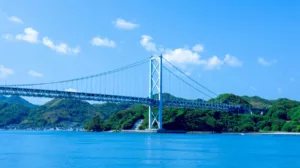
If you’re heading to the Setouchi region for art and island-hopping, combine food and culture with this Setouchi Triennale 2026 guide — Hiroshima makes a fantastic base.
3. Yakitori (Grilled Chicken Skewers)
Nothing smells more like summer in Japan than charcoal-grilled yakitori. Skewers of chicken thigh, skin, liver, or meatballs are brushed with tare (sweet soy glaze) or simply salted.
Each skewer costs around ¥150–¥250, so it’s easy to snack-hop between stalls. Pro tip: order momo (thigh) if you’re unsure — juicy and beginner-friendly.
4. Kakigori (Shaved Ice)
By late June, humidity hits hard — especially in Tokyo and Kyoto. Kakigori is your survival plan.
Fluffy shaved ice topped with syrup (matcha, strawberry, mango) and sometimes condensed milk costs ¥400–¥600. At larger festivals, look for natural syrup stands rather than neon-blue “mystery flavor.”
It melts fast. Eat immediately.
5. Taiyaki (Fish-Shaped Pastry)
Yes, it’s fish-shaped. No, it’s not fish-flavored.
Taiyaki is a waffle-like pastry traditionally filled with red bean paste, though custard and chocolate versions are everywhere now. Expect to pay ¥300–¥500.
I’m team custard. Purists may disagree.
6. Yakisoba (Festival Fried Noodles)
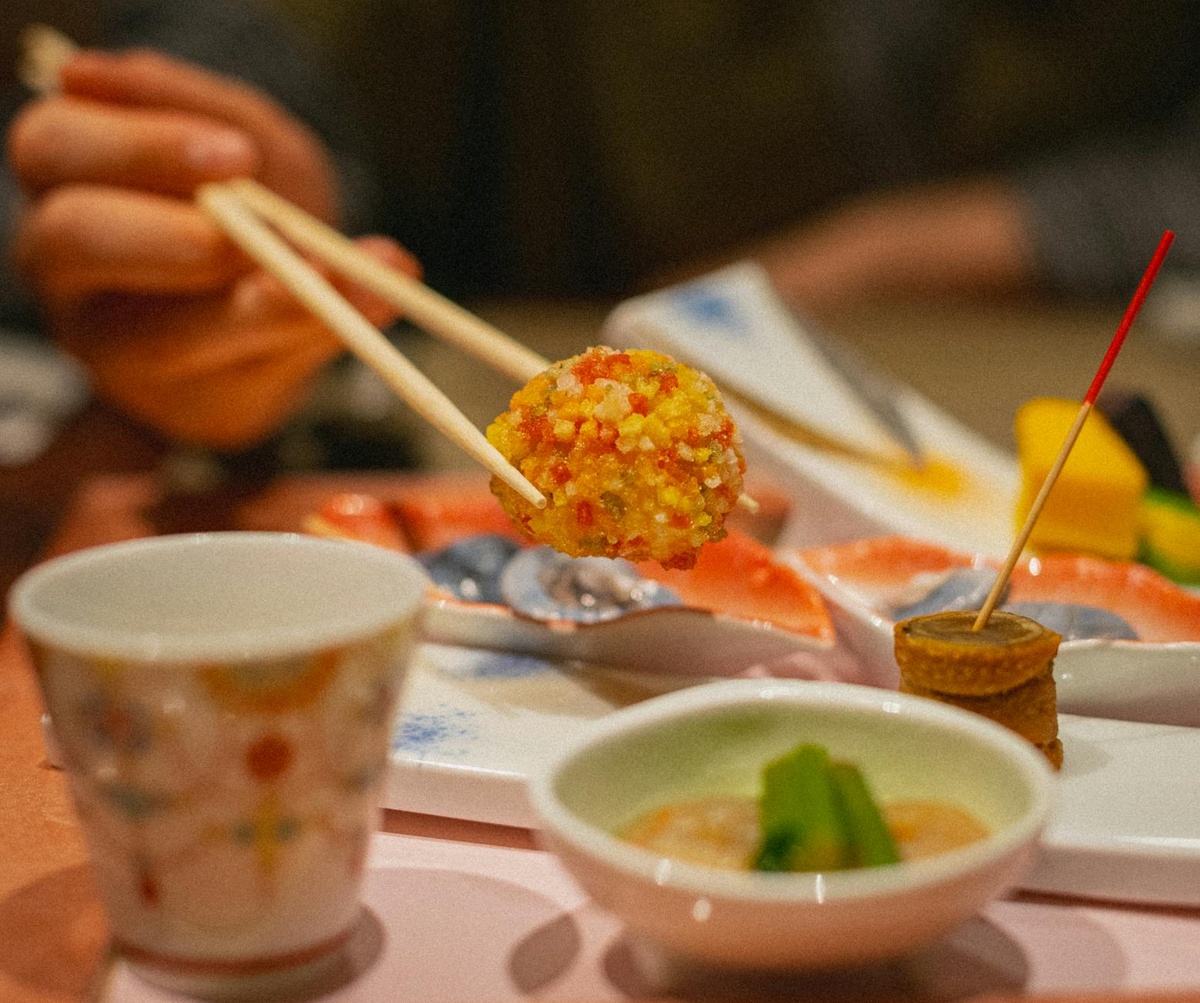
If you follow one smell at a festival, let it be yakisoba — stir-fried noodles with cabbage, pork, pickled ginger, and a smoky sauce.
A generous tray costs around ¥600. Portions are big enough to share, but I rarely do.
At Kyoto’s Gion Matsuri (July), stalls line the streets near Yasaka Shrine. Go on a weekday evening if possible — weekends are shoulder-to-shoulder.
7. Dango (Sweet Rice Dumplings)
Dango are chewy rice flour dumplings served on skewers, often glazed with a glossy soy-sugar sauce.
During spring festivals in May, you’ll sometimes see colorful hanami dango (pink, white, green). A skewer usually costs ¥300–¥400.
Texture-wise, they’re pleasantly chewy — not fluffy. Know that before you bite.
8. Karaage (Japanese Fried Chicken)
Juicy, soy-marinated chicken pieces fried until golden — karaage might be Japan’s most underrated street food.
Festival portions range from ¥500–¥700 in small paper cups. Squeeze lemon on top and thank me later.
Look for stalls with visible fryers and constant turnover. Fresh batches matter.
9. Ikayaki (Grilled Whole Squid)
This one’s dramatic. Whole squid grilled on a stick, brushed with soy sauce, slightly smoky and chewy.
Prices vary from ¥700–¥1,000 depending on size. It’s more common at coastal festivals or larger events like Osaka’s summer celebrations.
Not beginner food — but worth trying if you like seafood.
10. Choco Banana
No Japanese festival is complete without choco banana: a banana on a stick dipped in chocolate and covered in sprinkles.
It costs about ¥400–¥600 and is wildly popular with kids — and nostalgic adults.
It’s simple, photogenic, and surprisingly satisfying after savory dishes.
Best Festivals to Experience These Foods (May–July 2026)
If you’re planning your trip now, here’s where timing matters:
- Aoi Matsuri (Kyoto, May 15): Elegant historical procession, smaller but atmospheric food stalls.
- Sanja Matsuri (Tokyo, mid-May): Lively, crowded, fantastic street food near Asakusa.
- Tenjin Matsuri (Osaka, July 24–25): One of Japan’s biggest festivals, epic fireworks and food.
- Gion Matsuri (Kyoto, all July): Month-long celebrations with peak food nights around July 14–16.
Arrive by 5pm to explore comfortably. After 7pm, popular areas become extremely crowded — fun, but intense.
Practical Festival Food Tips (From Someone Who Learned the Hard Way)
- Bring cash — many stalls still don’t accept cards or mobile pay.
- Carry tissues or wet wipes; napkins are minimal.
- Share dishes so you can try more variety.
- Stand to the side when eating; don’t block stall fronts.
- Check for English menus near major tourist areas, but don’t expect them everywhere.
Japan is incredibly walkable — especially cities like Kyoto and Tokyo during festivals. If you enjoy exploring on foot, you’ll appreciate how pedestrian-friendly Japanese urban areas feel, similar to the cities highlighted in our piece on the world’s best walking cities for 2026.
When Is the Best Time to Visit for Festival Food?
Late May offers comfortable temperatures (18–25°C / 64–77°F) and lighter crowds compared to peak July.
June is rainy season in much of Japan, but festivals still happen — just pack a light waterproof jacket. July brings high humidity (often above 30°C / 86°F), but also the biggest, most energetic celebrations.
If you can handle heat, July delivers the full sensory experience: lanterns, fireworks, music, and endless food stalls.
Final Bite: Why Festival Season Is Japan at Its Best
You can eat incredible food in Japan year-round. But during festival season, food moves outdoors — it becomes louder, smokier, and more communal.
For a few hundred yen at a time, you taste recipes passed down for generations while standing under paper lanterns. It’s messy. It’s crowded. It’s unforgettable.
If Japan is on your 2026 travel list, plan your dates around a matsuri. Come hungry, bring cash, and try at least one thing you can’t pronounce.
Frequently Asked Questions
How much does food cost at Japanese festivals?
Most dishes cost between ¥400 and ¥800 ($3–$6). Premium items like whole grilled squid can reach ¥1,000, but you can easily sample several foods for under ¥3,000 total.
When is the best month for Japanese festival food?
May offers mild weather and manageable crowds, while July has the biggest and most vibrant festivals like Gion Matsuri. If you prefer comfort over spectacle, choose late May or early June.
Do Japanese festival stalls accept credit cards?
Most traditional food stalls are cash-only, especially at shrine festivals. Bring small bills and coins to make transactions quick and smooth.
Is Japanese festival food vegetarian-friendly?
Options are limited, as many dishes use meat or fish-based sauces. Look for plain kakigori, some versions of dango, or ask vendors directly — but expect fewer choices than in major restaurants.

About the Author: Tomáš Bzirský
Founder and editor of Distratech. Based in the Czech Republic, travelling regularly from Central Europe. Writes practical travel guides and travel-tech comparisons (eSIM, apps, airports) in six languages.