
The first time I went to Chianti, I made the classic mistake: I rented a tiny Fiat, white-knuckled through hairpin curves, and spent more time watching for cyclists than enjoying the view. The second time, I skipped the car — and it was infinitely better.
Yes, you can visit Chianti vineyards without driving. And in late spring, when vineyards are lush green, wildflowers line the roads, and summer crowds haven’t fully peaked, it’s arguably the smartest way to do it.
Key Takeaways
- Regional buses from Florence to Greve in Chianti take about 1 hour and cost €4–€6 each way.
- Small-group Chianti wine tours from Florence start around €60–€120 per person.
- Wine tastings at vineyards typically cost €20–€35 and include 3–5 wines.
- Late May and June offer ideal weather (20–28°C / 68–82°F) before peak July crowds.
Step 1: Base Yourself in Florence (Not the Countryside)
If you don’t have a car, Florence is your launchpad. It’s one of Europe’s best walking cities, which means you won’t need taxis or complicated transport while you’re in town.
Stay near Santa Maria Novella station or along the Arno. That puts you within easy reach of buses and organized tours.
Hotels in late May 2026 are averaging €180–€300 per night for solid 3–4 star properties. Book now for summer — June weekends are filling fast thanks to wedding season and wine festivals.
Step 2: Choose Your No-Car Strategy
You’ve got three realistic ways to explore Chianti without driving. Each has pros and cons.
Option A: Public Bus to Greve in Chianti
This is the budget-friendly, semi-adventurous route.
From Florence, take the Autolinee Toscane bus (Line 365A or similar) to Greve in Chianti. The ride takes about 60–75 minutes and costs around €4–€6.
Greve is compact and charming, with a triangular piazza and several walkable wine bars. But here’s the honest truth: most of the postcard-perfect vineyards are outside town.
You can walk 30–45 minutes uphill to a nearby winery like Montefioralle. It’s beautiful — but not easy in midday heat.
Best for: Budget travelers, slow travelers, hikers who don’t mind sweating for their Sangiovese.
Option B: Small-Group Wine Tour from Florence (My Pick)
This is what I recommend to almost everyone.
Half-day Chianti tours start at €60 and usually include transport, two winery visits, and 6–8 tastings. Full-day tours run €100–€120 and often include lunch in a vineyard.
You’ll visit estates you’d never reach by bus — hilltop properties with cypress-lined drives and panoramic terraces.
In late spring, vineyards are vivid green and temperatures hover around 22–26°C (72–79°F). It’s prime sipping weather.
Look for tours that:
- Limit groups to 8–15 people
- Visit family-run wineries (avoid “wine factories” near highways)
- Include at least one Chianti Classico DOCG tasting
- Offer time in a village like Castellina or Radda
Avoid ultra-cheap €35 tours. They often feel rushed and overly commercial.
Option C: Train + Local Driver (Premium but Flexible)
Take the train from Florence to Poggibonsi (about 1 hour, €9–€12), then hire a local driver for 3–4 hours.
Expect to pay €250–€350 total for a private driver, which becomes reasonable if you’re splitting between 3–4 people.
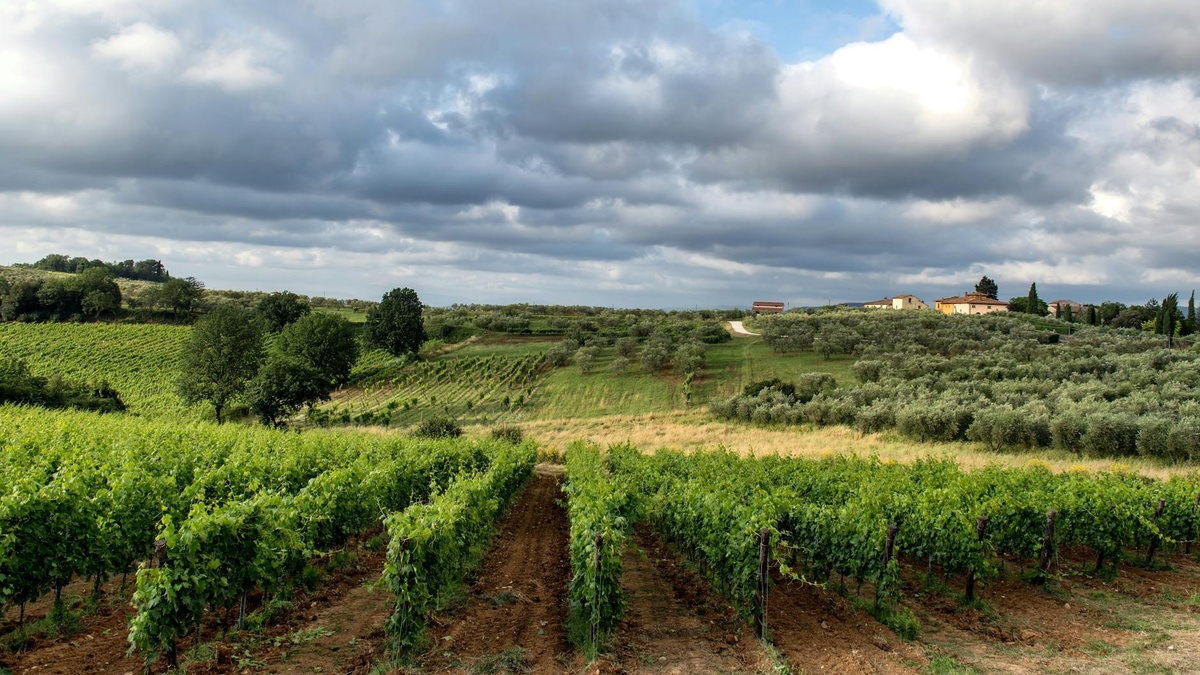
This gives you flexibility without the stress of navigating winding Tuscan roads.
Best for: Couples celebrating something special, small groups, or anyone who wants control over their schedule.
The Best Vineyards to Visit Without a Car
Not all wineries are created equal. Some are stunning but logistically impossible without wheels.
These are realistic, high-quality options:
1. Castello di Verrazzano (Near Greve)
One of the most polished experiences in Chianti.
Tours cost around €30–€40 and include a cellar visit and guided tasting. The terrace views alone are worth it.
It’s about 3 km from Greve — technically walkable, but better paired with a tour or taxi.
2. Montefioralle Winery
Small, family-run, and refreshingly unpretentious.
Tastings hover around €25 and feel intimate. You’re often hosted by the winemaker himself.
This is the kind of place where you learn something — not just swirl and nod.
3. Antinori nel Chianti Classico
Architecturally stunning and ultra-modern.
It’s not boutique, but the experience is slick. Tastings start around €28.
Best accessed via organized tour or private transfer.
What a Chianti Wine Tasting Actually Costs
Here’s a realistic breakdown for 2026:
- Basic tasting (3 wines): €20–€25
- Premium tasting (5–6 wines + olive oil): €30–€40
- Full lunch pairing: €45–€70
- Bottle of Chianti Classico at the vineyard: €15–€35
Shipping wine home? Most wineries can arrange international delivery, but expect €40–€80 shipping fees.
Pro tip: Bring a wine-friendly smartwatch or fitness tracker to monitor steps on those vineyard hills. If you’re considering an upgrade, here’s what travelers should know about the Apple Watch Series 12 before summer travel season.
When to Visit Chianti in 2026
Late May and June are arguably the sweet spot.
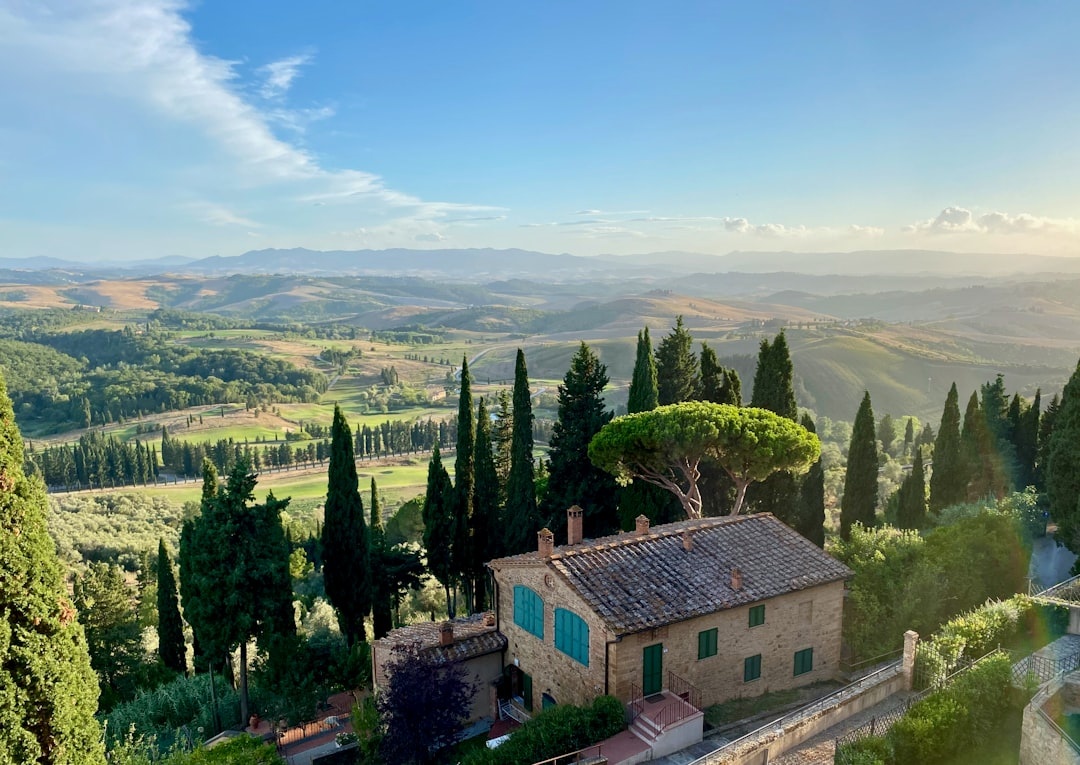
Vines are green but not yet heavy with grapes. Temperatures sit comfortably in the low-to-mid 20s°C (70s°F). And you’re ahead of the July–August rush.
Harvest (vendemmia) happens in September and October, which is magical but busy and more expensive.
July and August? Hot. Think 35°C (95°F) afternoons and crowded tasting rooms.
What to Wear (Yes, It Matters)
Chianti is not flat.
Wear real shoes — not slick sandals. Gravel paths and vineyard slopes are unforgiving.
Late spring evenings cool down quickly. Bring a light layer for sunset tastings.
Common Mistakes to Avoid
- Underestimating distances. “Close” on a map can mean a 45-minute uphill walk.
- Skipping reservations. Many wineries require advance booking, especially May–June weekends.
- Booking the cheapest tour. You often get rushed visits and mediocre wine.
- Trying to see too much. Two wineries in a day is perfect. Three is pushing it.
Is Visiting Chianti Without a Car Worth It?
Absolutely — if you plan smartly.
You won’t have total freedom to wander random backroads. But you also won’t stress about navigation, parking, or drinking and driving.
Instead, you’ll sip Sangiovese on a terrace overlooking rolling green hills, listen to a winemaker explain oak barrels, and glide back to Florence in time for sunset along the Arno.
And honestly? That sounds like the Tuscan fantasy most of us are after.
Conclusion: Plan Now, Sip Later
Chianti without a car isn’t just possible — it’s often better. Base yourself in Florence, choose the right transport option, book tastings ahead, and travel in late spring for the sweet spot between scenery and sanity.
If Tuscany is on your 2026 summer planning list, lock in your tours now. The best small-group experiences sell out weeks ahead — especially June weekends.
Raise a glass to smarter, stress-free wine travel. 🍷
Planning a car-free wine getaway in Chianti? Find hotels in Chianti and book a stay close to Florence or Greve for easy connections.
Frequently Asked Questions
Can you visit Chianti without renting a car?
Yes. You can take a €4–€6 bus from Florence to Greve in Chianti or book a small-group wine tour starting at €60. Tours are the easiest way to reach scenic vineyards without driving.
How much does a Chianti wine tour cost?
Half-day tours typically cost €60–€80, while full-day experiences with lunch range from €100–€120 per person. Private drivers start around €250 for 3–4 hours.
What is the best month to visit Chianti?
Late May and June offer ideal weather (20–28°C / 68–82°F) and fewer crowds than peak summer. September is beautiful for harvest but busier and more expensive.
Is Greve in Chianti worth visiting?
Yes, especially for a relaxed afternoon of wine bars and local shops. However, the most scenic vineyards are outside town, so consider pairing Greve with a tour.

About the Author: Tomáš Bzirský
Founder and editor of Distratech. Based in the Czech Republic, travelling regularly from Central Europe. Writes practical travel guides and travel-tech comparisons (eSIM, apps, airports) in six languages.