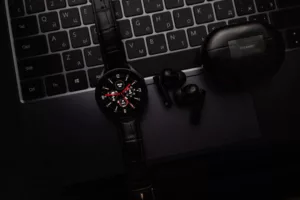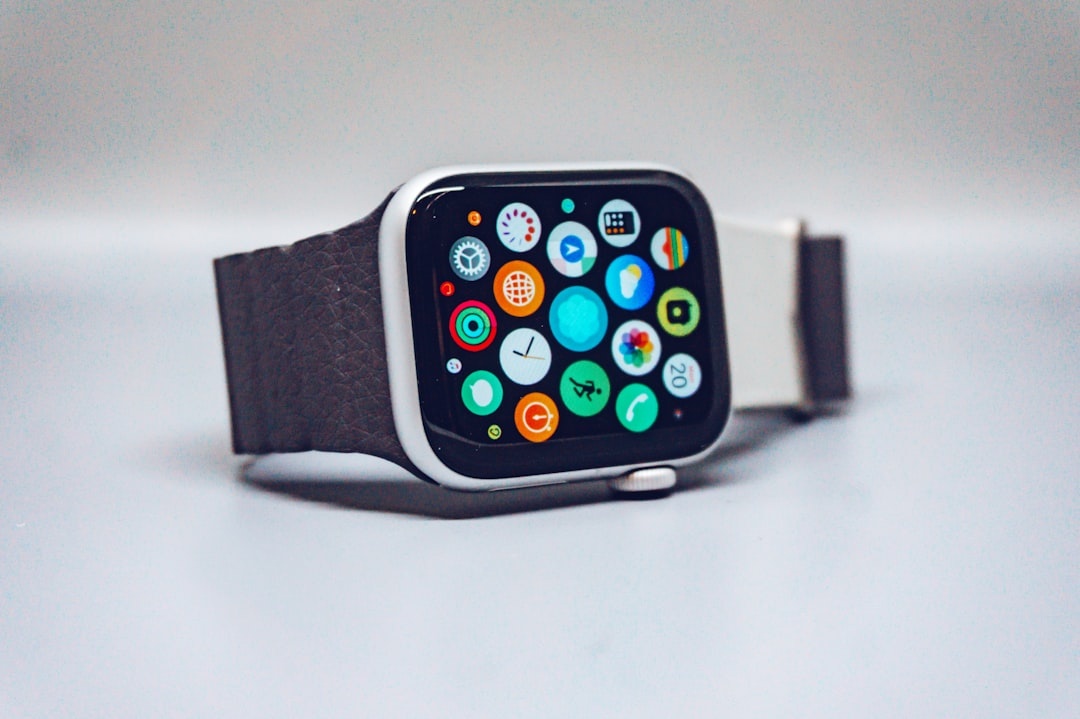
Apple Watch Series 12 is expected to arrive during Apple’s September 2026 hardware cycle. As of September 20, final pricing and availability may still vary by country, but the launch window is close enough that most travelers should wait for confirmed regional listings before buying an older model.
Reports continue to point to a more efficient chip, display refinements, updated health sensors, and possible design changes. The likely gains are evolutionary rather than dramatic, but better battery efficiency, outdoor readability, and health tracking could make Series 12 particularly useful for frequent travelers.
Key Takeaways
- Apple Watch Series 12 is expected during Apple’s September 2026 product cycle, with availability varying by market.
- A more efficient display and processor could improve outdoor visibility and all-day battery reliability.
- Recent reports have raised the possibility of a revised sensor layout and case design, but buyers should not expect non-invasive blood glucose monitoring.
- Pricing is widely expected to remain near the Series 11 range, starting at approximately $399 in the US before taxes.
- Travelers with a Series 8 or older model stand to gain the most, while Series 10 and 11 owners can probably wait.
Expected Release Date and Price
Apple traditionally announces its mainstream Apple Watch alongside the new iPhone in September. Series 12 is expected to follow that pattern, with orders and retail availability beginning during the second half of September 2026 in the first launch markets.
Stock levels, case finishes, and cellular configurations may differ by country. Travelers who need the watch for an imminent trip should also allow time to activate cellular service, install updates, download apps, and test Wallet before departure.
Expected US pricing remains close to the previous generation:
- Apple Watch Series 12 (GPS): approximately $399 before taxes
- Apple Watch Series 12 (GPS + Cellular): approximately $499, depending on case size and material
- Apple Watch Ultra refresh: likely $799 or more, although it is a separate product line
International prices can be substantially higher after VAT, currency conversion, and local duties. Buying abroad is not always a shortcut: cellular band support, warranty service, and the availability of regulated health features can vary by sales region.
A Brighter, More Efficient Display
Current reporting points to display efficiency and internal design improvements rather than a confirmed switch to micro-LED. Earlier micro-LED speculation should therefore be treated cautiously until Apple lists the final display technology.
Why does this matter? If you’ve ever tried checking directions in direct Mediterranean sun or on a beach in Palawan (like on this 10-day Palawan and Siargao island-hopping route), you know glare is real.
A bright, efficient always-on display can provide practical benefits:
- Easier turn-by-turn navigation while walking through unfamiliar cities
- Quicker access to boarding passes, transit cards, and gate information
- Clearer workout metrics during outdoor runs, hikes, and cycling trips
- Better readability while wearing sunglasses or exploring in direct sun
Peak brightness is only part of the experience. Low-brightness legibility, automatic brightness adjustment, font size, and battery consumption also determine how useful the display is during a full travel day.
Battery Life: The Upgrade Travelers Actually Want
Battery life remains the most important unanswered question for travelers. A more efficient processor and display could extend normal use or reduce the need for aggressive charging, but there is no reliable reason yet to expect Garmin-style multi-day endurance from the standard Series 12.
Even a modest improvement matters when:
- You’re navigating all day in a city like those featured in Europe’s best walking cities for 2026
- You’re tracking flights, steps, workouts, and notifications from early morning until after midnight
- You want to track sleep after a long travel day without charging the watch overnight
- You’re using cellular service, GPS, or the always-on display more heavily than usual
Real-world endurance will depend on screen brightness, GPS use, cellular signal strength, workouts, and background apps. Cellular roaming in a weak-signal area can drain the battery far faster than ordinary use near a paired iPhone.
Regardless of Apple’s final battery claim, travelers should pack the magnetic fast-charging cable and a compatible USB-C power adapter. A short charge while showering or getting ready can be more practical than trying to stretch the watch through a second full day.
Performance: A Faster, More Efficient Chip
Series 12 is expected to use a new-generation system-in-package designed to improve responsiveness and power efficiency. The difference may not be dramatic in basic apps, but it could become noticeable when switching quickly among Maps, Wallet, Messages, workouts, and travel apps.
In real-world travel terms, that could mean:
- Faster opening of passes and payment cards at busy gates or checkout terminals
- Smoother switching among Maps, Wallet, Messages, and translation tools
- More responsive dictation and Siri requests when the network connection is reliable
- Better support for future watchOS features over a longer ownership period
Travelers should not assume that every Apple Intelligence feature available on an iPhone will run directly on the watch. Some requests may still depend on a compatible nearby iPhone, an internet connection, or Apple’s cloud services.
Health Features: Why This Matters on the Road
Reports suggest Apple has explored a revised sensor arrangement and additional health capabilities for its 2026 watches. More dependable sleep, heart-rate, temperature, and recovery trends are plausible, while features such as non-invasive blood glucose measurement remain unlikely to be ready for Series 12.
Blood pressure-related tools also require careful interpretation. If Apple expands trend or hypertension notifications, they should not be confused with a traditional blood pressure cuff or used to make medical decisions without professional advice.
For travelers, the existing health and safety toolkit is already useful. Long-haul flights can disrupt sleep and encourage long periods of inactivity. Festival season means extended days on your feet and irregular meals — especially if you’re sampling dishes from this guide to traditional Japanese festival foods.
Useful travel features may include high and low heart-rate alerts, irregular rhythm notifications, sleep trends, fall detection, Crash Detection, Medical ID, and Emergency SOS. Availability varies by country, age, hardware, and regulatory approval, and emergency features may require an iPhone, cellular plan, Wi-Fi, or satellite-capable hardware.
None of these tools replaces medical care. Before a remote or physically demanding trip, travelers with health concerns should consult a qualified clinician and carry appropriate medication and documentation.
watchOS 27: Smarter Travel Tools?
The software expected to accompany Apple’s 2026 watches is watchOS 27, not watchOS 13. Apple moved to year-based operating-system names, making watchOS 27 the logical successor to watchOS 26 for the 2026–2027 cycle.
The most useful travel improvements are likely to build on existing Maps, Wallet, translation, fitness, and Smart Stack features:
- More useful Smart Stack suggestions based on time, location, and activity
- Improved Wallet access for supported transit cards, boarding passes, tickets, and hotel keys
- More timely flight, weather, navigation, and travel notifications
- Additional customization for complications and trip-specific information
- Better coordination with offline maps and supported translation features on a paired iPhone
Support is not universal. Airlines may require a passport check or their phone app, hotel keys work only at participating properties, and Apple Pay and express transit availability differ by country and transport network. Save important booking details offline and keep your phone accessible as a backup.
Should Travelers Wait for Series 12?
With the September launch window underway, waiting for final specifications, reviews, and regional prices is the sensible choice unless an existing watch has failed or a steep Series 11 discount is available.
If You Have Series 10 or 11
Probably skip Series 12 unless the final model delivers a specific feature you need, such as meaningfully longer battery life, a useful new health capability, or a case design that improves comfort. Everyday navigation, payments, notifications, and workout tracking are already strong on these generations.
If You Have Series 8 or Older
Series 12 could be a meaningful upgrade, particularly if your current battery no longer lasts through a travel day.
Likely benefits include:
- Faster performance and longer software support
- Better display visibility and more efficient always-on operation
- Newer health and safety features, subject to regional availability
- Improved battery efficiency and faster charging compared with much older models
Series 8 owners should compare the final specifications carefully rather than upgrading automatically. Series 7 and older users are more likely to notice a substantial overall improvement.
Apple Watch vs. Alternatives for Travel
If your priority is multi-day hiking, expedition travel, detailed route navigation, or long periods away from power, the standard Apple Watch is unlikely to be the best choice.
Garmin and other rugged sports watches typically offer substantially longer battery life, while Apple Watch Ultra models provide a better fit for iPhone users who want longer endurance, a larger display, and more robust hardware.
For urban travel, Apple Watch remains one of the most convenient options for iPhone users. Its strengths include Apple Pay, supported transit cards, boarding passes, hotel keys, notification handling, and close integration with Maps and Messages.
Cellular is useful but not essential for everyone. Before paying extra, confirm that your carrier supports the watch, your plan permits international roaming, and your destination is covered. Apple Watch cellular roaming does not work with every carrier or in every country.
What We’re Still Waiting to Learn
The most important details to confirm from final product listings and independent reviews include:
- Whether the case, band attachment, or sensor layout has changed
- The official rated battery life and real-world endurance with GPS and cellular use
- Whether older bands remain fully compatible
- Which health features are new and where they have regulatory approval
- Whether display brightness or efficiency has materially improved
- Final prices, case sizes, colors, and release dates in each country
Claims about Touch ID, major case redesigns, breakthrough blood pressure monitoring, micro-LED displays, or glucose sensing should remain labeled as rumors unless they appear in Apple’s official specifications.
Final Verdict: Is Apple Watch Series 12 Worth It for Travelers?
Apple Watch Series 12 looks most promising for travelers upgrading from Series 8 or older, particularly those dealing with reduced battery capacity or missing newer safety and health features. Owners of Series 10 or 11 should wait for measured battery tests and a clear comparison before upgrading.
The watch will not replace a phone, passport, power bank, or dedicated outdoor GPS. It can, however, reduce everyday travel friction by keeping directions, payments, tickets, messages, timers, and health information within easy reach.
Before purchasing, compare local pricing, cellular support, band compatibility, and regional health-feature availability. The best travel watch is not necessarily the newest one; it is the model that can reliably last through your itinerary and support the services available at your destination.
Frequently Asked Questions
When will Apple Watch Series 12 be released?
Apple Watch Series 12 is expected during Apple’s September 2026 release cycle. Exact order and retail dates may vary by country, carrier, configuration, and stock availability.
How much will Apple Watch Series 12 cost?
US pricing is expected to start near $399 for the GPS model, with cellular versions costing more. Case size, material, taxes, exchange rates, and regional pricing can all affect the final amount.
Will Apple Watch Series 12 have better battery life?
A more efficient chip and display could provide modest improvements, but travelers should wait for independent GPS, cellular, and sleep-tracking tests. Multi-day battery life is not guaranteed for the standard model.
Is Apple Watch Series 12 good for international travel?
It should be well suited to international travel for Maps, supported payments, boarding passes, workouts, and notifications. Cellular roaming, transit cards, hotel keys, emergency services, and health features are not available everywhere, so check destination and carrier support before departure.
Will Apple Watch Series 12 support watchOS 27?
Yes, Series 12 is expected to ship with or support watchOS 27. Apple now uses year-based names for its operating systems, replacing the older sequential naming convention.
Should I buy Series 11 at a discount or wait for Series 12?
Wait for final Series 12 pricing and reviews if your trip is not imminent. Series 11 may offer better value when heavily discounted, while Series 12 should provide the longest remaining software-support window and the newest hardware.

About the Author: Tomáš Bzirský
Founder and editor of Distratech. Based in the Czech Republic, travelling regularly from Central Europe. Writes practical travel guides and travel-tech comparisons (eSIM, apps, airports) in six languages.