'/%3E%3Cpath%20fill='%23b2b2b2'%20d='M241%20382q0%2016%2017%2026%2017%2011%2042%2011t42-11q16-11%2017-26V269H241'/%3E%3Cpath%20fill='%239f7e00'%20d='M241%20379q0%2014%208%2023%209%209%2021%209%2014%200%2021-9%209-9%209-23V269h-59'/%3E%3Cpath%20d='M241%20339v-70h59v110q0%2014-9%2023l-6%205v-68h-15v72q-8%200-14-4v-68zm59%2040c0%2022%2015%2032%2029%2032%2021%200%2030-18%2030-32v-40h-59'/%3E%3Cpath%20fill='%239f7e00'%20d='M266%20277v5h2v12h-3v-5h2v-5h-9v5h2v5h-4v9h3v18h-5v10h34v-10h-5v-18h3v-9h-4v-5h2v-5h-9v5h2v5h-3v-12h2v-5zm42%20101q0%2010%206%2017%206%206%2015%207%2010-1%2016-7%206-7%206-17v-29h-43'/%3E%3Ccircle%20fill='%230044ad'%20cx='329.5'%20cy='372'%20r='6'/%3E%3Cellipse%20fill='%230044ad'%20cx='300'%20cy='340'%20rx='16'%20ry='21'/%3E%3C/svg%3E)
'/%3E%3C/svg%3E)


'/%3E%3C/g%3E%3Cuse%20href='%23c'%20transform='matrix(-1%200%200%201%20720%200)'/%3E%3C/svg%3E)


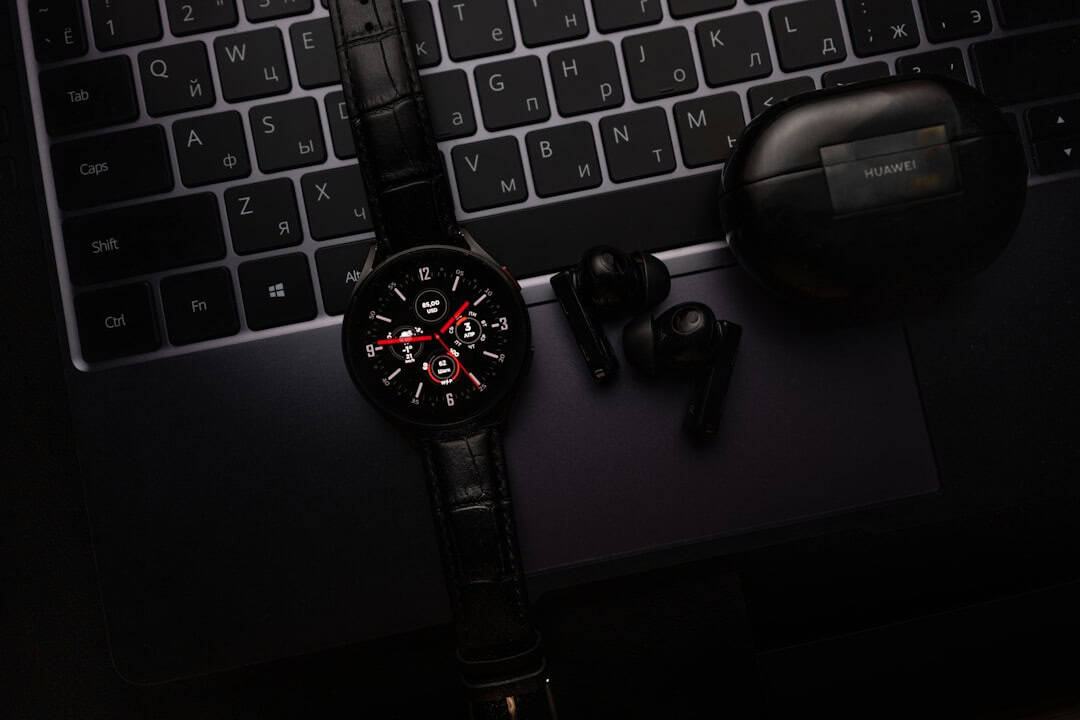
Huawei has officially launched the Pura X Max in China, becoming the first company to actually ship a “wide” passport-style foldable phone — ahead of rumored devices from Samsung and Apple. While competitors are still teasing concepts, Huawei’s device is already on sale, starting at around ¥9,999 (roughly $1,400 USD equivalent).
This isn’t just another foldable. It’s a wider, tablet-like device that opens horizontally — more like a small iPad mini than a tall book. And if you travel frequently, especially during Europe’s spring shoulder season or long-haul Asia trips, that design shift actually matters.
Key Takeaways
- Huawei Pura X Max is the first commercially available wide-format foldable, launched in China in April 2026.
- It features a tablet-like inner display (around 7+ inches) with a wider aspect ratio than Samsung’s Z Fold series.
- Starting price is approximately $1,400 USD equivalent, placing it in ultra-premium territory.
- For travelers, the wider screen is better for maps, split-screen apps, and streaming on flights.
- Global availability and Google services remain uncertain outside China.
What Makes the Pura X Max Different?
Most foldables today — like Samsung’s Galaxy Z Fold line — are tall and narrow when unfolded. They feel like elongated phones that happen to open into slightly larger versions of themselves.
The Pura X Max takes a different approach. When opened, it’s noticeably wider, giving you a more natural tablet-like layout. Think “passport that opens into a mini travel tablet” rather than “stretched smartphone.”
Key specs (based on launch details):
- Large 7+ inch internal OLED display with wide aspect ratio
- High-refresh-rate screen (smooth scrolling for maps and reading)
- Flagship Kirin chipset
- Premium camera system with advanced zoom
- Battery around 5,000mAh class with fast charging
- Price: approx. ¥9,999+ in China (~$1,400 USD equivalent)
Samsung and Apple are both rumored to be working on wider foldables. But Huawei got there first — and in tech, being first to ship matters.
Why This Actually Matters for Travelers
Let’s cut through the hype. Foldables are expensive. Most travelers don’t need one.
But if you’re a frequent flyer, digital nomad, or someone planning a multi-country Europe spring trip, the wide format solves real pain points.
1. Maps That Don’t Feel Cramped
Google Maps, Apple Maps, and city transit apps are far easier to read on a wider display. In cities like Tokyo, Lisbon, or Rome — where streets twist and transit maps are dense — the extra width makes split-screen navigation actually usable.
You can have:
- Maps on the left
- Notes or booking confirmations on the right
- Or transit info alongside WhatsApp
On a standard tall foldable, that split-screen often feels squeezed. On a wide foldable, it finally makes sense.
If you’re planning a Japan trip this year, especially with rising costs, we recently broke down what to expect in our realistic Japan travel budget guide for 2026. A larger screen makes managing bookings, rail passes, and translation apps significantly easier.
2. Better for Flights and Trains
Spring travel means long-haul flights to Europe and Asia — plus regional train rides once you’re there.
A wide foldable is almost the perfect in-between device:
- Bigger than a phone for Netflix or YouTube
- Smaller and lighter than an iPad
- No need to pull out a laptop on a cramped tray table
On a 10-hour flight, that matters. Especially if you’re traveling light with just a carry-on for tulip season in the Netherlands or hiking season in the Azores.
3. Real Multitasking for Digital Nomads
If you work remotely, the appeal is obvious.
A wide foldable allows:
- Email + Slack side by side
- Google Docs + research browser window
- Video call + notes simultaneously
Is it a laptop replacement? No.
But for café work sessions in Lisbon or airport lounges in Singapore, it could reduce how often you need to open your laptop.
The Big Catch: Availability and Google Services
Here’s the reality check.
The Pura X Max is currently launching in China. Like other recent Huawei devices, it does not ship with Google Mobile Services in many markets.
For international travelers, that’s a serious consideration.
If you rely on:
- Google Maps
- Gmail
- Google Drive
- Play Store apps
You’ll need workarounds — or you’ll be frustrated.
Samsung’s Galaxy line (like the S26 Ultra we covered in our spring Galaxy S26 and Pixel 10 travel tech deals guide) remains more seamless for global travelers because of full Google integration.
How It Compares to Samsung and Apple’s Rumored Foldables
Samsung is widely expected to introduce a wider-format Galaxy Fold variant soon. Apple is heavily rumored to release its first foldable iPhone in late 2026 or 2027.
But here’s the difference:
- Huawei: Shipping now (in China)
- Samsung: Likely iterating within the next product cycle
- Apple: Still in development phase
Apple entering the foldable market will be a massive moment — but Apple rarely ships first. It waits, refines, and charges a premium.
Huawei is betting that being first with a practical wide design gives it a usability edge — especially in Asia, where foldables are more mainstream.
What About Durability for Travel?
Foldables have improved, but they’re still more fragile than slab phones.
If you’re backpacking through Southeast Asia or hiking volcanic trails in the Azores (like our 10-day Azores island-hopping itinerary), a rugged phone might make more sense.
Sand, humidity, and repeated folding cycles are real concerns.
That said, airport lounges, business travel, and urban city breaks? Totally different story. That’s where a wide foldable shines.
Should Travelers Actually Buy It?
Here’s my honest take.
Buy it if:
- You’re a frequent international traveler
- You multitask heavily on your phone
- You value tablet-like media viewing in a pocketable device
- You’re comfortable with Huawei’s app ecosystem
Skip it if:
- You rely heavily on Google services
- You want maximum durability for adventure travel
- You’re price-sensitive
- You rarely multitask on your phone
At roughly $1,400 equivalent, this is a luxury productivity device — not a budget travel essential.
Don’t Forget Connectivity: eSIM Still Matters More
No matter how advanced your foldable is, it’s useless without good data.
If you’re heading to Europe this spring, compare coverage and pricing in our best eSIMs for Europe in 2026 guide. For multi-continent trips, our broader international eSIM comparison breaks down speeds and pricing across Asia, Europe, and the Americas.
A wide foldable paired with a reliable eSIM plan? That’s a genuinely powerful travel combo.
The Bigger Picture: The Foldable Shift Is Accelerating
Huawei beating Samsung and Apple to market signals something important.
Foldables are no longer experimental. They’re entering their “refinement” phase — where aspect ratios, usability, and real-world applications matter more than novelty.
For travelers, this evolution is good news.
Phones are slowly replacing tablets. Tablets are replacing lightweight laptops. And the wide foldable sits right in the middle of that shift.
Final Verdict: A Niche Device That Makes Sense for the Right Traveler
The Huawei Pura X Max isn’t for everyone.
But it’s the first foldable that genuinely feels designed around how people actually use their phones — reading, navigating, watching, and multitasking.
If Samsung and Apple follow this wide-format path (and they probably will), 2026 could be the year foldables finally become practical travel tools — not just expensive tech flexes.
For now, Huawei gets bragging rights.
And if you’re the kind of traveler who books flights from your phone, navigates foreign metro systems daily, edits docs on trains, and streams shows at 35,000 feet — this is the first foldable that might actually make sense.
Frequently Asked Questions
Is the Huawei Pura X Max available outside China?
As of April 2026, the Pura X Max has launched in China, with no confirmed global release timeline. Availability in Europe or North America remains uncertain.
Does the Huawei Pura X Max support Google apps?
Like recent Huawei phones, it does not officially include Google Mobile Services in many markets. Travelers who rely on Google Maps, Gmail, or the Play Store may face limitations.
How is a wide foldable different from Samsung’s Galaxy Z Fold?
The Pura X Max uses a wider internal aspect ratio, making it feel more like a small tablet when opened. Samsung’s current Fold models are taller and narrower by comparison.
Is a foldable phone good for international travel?
It can be — especially for multitasking, navigation, and media on flights. However, durability, price, and app ecosystem support should be considered before buying.

About the Author: Tomáš Bzirský
Founder and editor of Distratech. Based in the Czech Republic, travelling regularly from Central Europe. Writes practical travel guides and travel-tech comparisons (eSIM, apps, airports) in six languages.