'/%3E%3Cpath%20fill='%23b2b2b2'%20d='M241%20382q0%2016%2017%2026%2017%2011%2042%2011t42-11q16-11%2017-26V269H241'/%3E%3Cpath%20fill='%239f7e00'%20d='M241%20379q0%2014%208%2023%209%209%2021%209%2014%200%2021-9%209-9%209-23V269h-59'/%3E%3Cpath%20d='M241%20339v-70h59v110q0%2014-9%2023l-6%205v-68h-15v72q-8%200-14-4v-68zm59%2040c0%2022%2015%2032%2029%2032%2021%200%2030-18%2030-32v-40h-59'/%3E%3Cpath%20fill='%239f7e00'%20d='M266%20277v5h2v12h-3v-5h2v-5h-9v5h2v5h-4v9h3v18h-5v10h34v-10h-5v-18h3v-9h-4v-5h2v-5h-9v5h2v5h-3v-12h2v-5zm42%20101q0%2010%206%2017%206%206%2015%207%2010-1%2016-7%206-7%206-17v-29h-43'/%3E%3Ccircle%20fill='%230044ad'%20cx='329.5'%20cy='372'%20r='6'/%3E%3Cellipse%20fill='%230044ad'%20cx='300'%20cy='340'%20rx='16'%20ry='21'/%3E%3C/svg%3E)
'/%3E%3C/svg%3E)


'/%3E%3C/g%3E%3Cuse%20href='%23c'%20transform='matrix(-1%200%200%201%20720%200)'/%3E%3C/svg%3E)


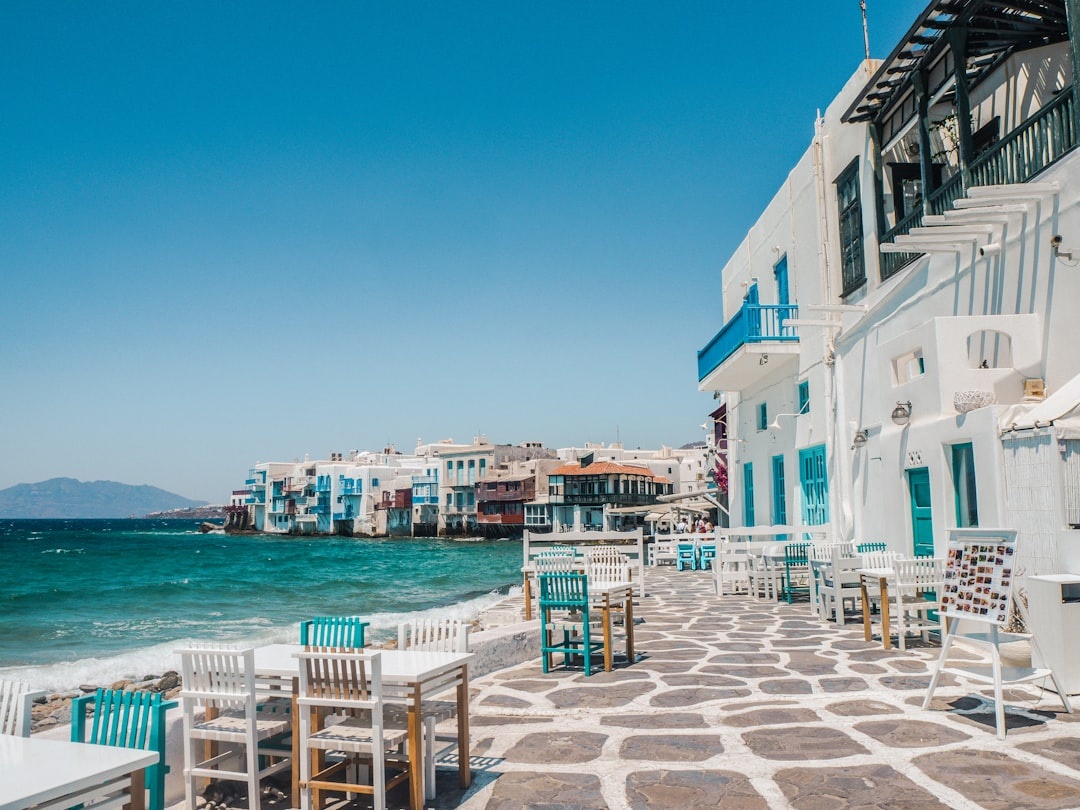
A Greek island offering free housing and a monthly stipend sounds like a TikTok myth. The story is based on a real Antikythera repopulation initiative, but viral posts often leave out the most important detail: this is not a permanent, open-to-everyone relocation program.
As of October 11, 2026, there is no widely advertised public application portal guaranteeing newcomers a house, land, and €500 per month. Past arrangements were limited, locally managed, and aimed primarily at families who could contribute to the island. Here is what the offer historically included, how to verify whether places are currently available, and what living on Antikythera actually requires.
Key Takeaways
- The widely reported offer involved housing and approximately €500 per month for up to three years, but it was a limited repopulation initiative—not an automatic entitlement.
- As of October 2026, prospective residents should confirm availability directly with the Municipality of Kythira and relevant church authorities before making plans.
- Priority has historically gone to families and applicants able to fill practical needs, including farming, fishing, construction, healthcare, and education.
- Antikythera has no airport; ferry routes, fares, and frequencies vary by season and weather.
- Do not relocate without a written agreement covering the house, stipend, utilities, land use, residency requirements, and duration of support.
Why Antikythera Is Offering Free Housing
Antikythera is one of Greece’s smallest inhabited islands. Its registered population is only a few dozen people, while the number living there continuously through winter may be lower. The population rises during summer as relatives, seasonal residents, researchers, and visitors arrive.
The offer that generated international headlines originated as a small repopulation effort associated with local authorities and the Greek Orthodox Church. Reports described support for selected families that could include:
- Use of a house rather than ownership of the property
- Access to land or help establishing agricultural activity in some cases
- Approximately €500 per month for as long as three years
These benefits should not be treated as a universal 2026 package. The number of suitable homes is extremely limited, and individual terms may differ. “Free land” can mean permission to use land—not a freehold property transferred into your name.
The goal is long-term population stability: families, children, essential services, and productive activity. It is not primarily a tourism promotion or digital-nomad incentive.
What You Actually Have to Do to Qualify
This is not a “remote work from the beach” program. If new placements become available, applicants who solve a practical local need are more likely to receive serious consideration.
Step 1: Have the Right Skills
Useful backgrounds may include:
- Farming, gardening, beekeeping, and livestock care
- Commercial fishing and boat maintenance
- Construction, plumbing, electrical work, and general repairs
- Teaching, childcare, and support for families
- Healthcare, first aid, and elder care
- Hospitality, food service, transport, and small-business experience
A remote job does not automatically disqualify you, but internet-dependent employment alone may not answer the island’s needs. Applicants should explain what they can contribute locally, how they will earn a living after any stipend ends, and whether they can remain through winter.
Greek-language ability is also a major advantage. English may be enough for an initial inquiry, but everyday administration, community life, trades, and healthcare are easier in Greek.
Step 2: Contact the Correct Authorities
Antikythera is administered by the Municipality of Kythira; it does not operate a large independent relocation office with an automated application funnel. Start by contacting the Municipality of Kythira and ask whether any active Antikythera settlement or housing initiative is accepting applications. Because the historic offer involved church support, you may also be directed to the relevant Orthodox metropolitan authorities.
Ask for written confirmation of:
- Whether applications are currently open
- Who funds and administers the program
- How many homes are available and their condition
- Whether support is for families, Greek citizens, EU citizens, or other legal residents
- What employment or community contribution is expected
- The stipend amount, payment schedule, and end date
- Who pays electricity, water, internet, repairs, taxes, and insurance
- Whether land is included, where it is, and what legal right you receive to use it
Be prepared to provide identity documents, proof of qualifications, family information, criminal-record documents if requested, evidence of income or savings, and a realistic relocation plan. Never pay an “application agent” or transfer a deposit based only on a social-media post.
Step 3: Confirm Your Right to Live and Work in Greece
EU and EEA citizens can enter Greece more easily, but a long-term move can still require local registration, a Greek tax number, healthcare arrangements, and proof of work or sufficient resources. Non-EU citizens need an appropriate Greek visa or residence permit; approval for island housing does not itself create immigration status.
Do not assume a tourism stay can be converted automatically into permanent residence. Immigration permission, employment authorization, tax residence, and participation in a local housing project are separate issues.
Step 4: Get the Offer in Writing
Before selling possessions or ending a lease elsewhere, obtain a written agreement in Greek and have it independently translated or reviewed. It should identify the property, occupancy period, stipend, renewal rules, repair obligations, and circumstances under which assistance can end.
The financial support historically associated with the initiative lasted up to three years. Your plan therefore needs to work in year four without the stipend.
What It Costs to Get There (And Why Logistics Matter)
Antikythera has no airport. Access is by ferry, and schedules can change with the season, maintenance, demand, and strong winds. Never plan an international flight, ferry, and property handover on a tight same-day connection.
Route Option 1: From Crete (Kissamos Port)
| Option | Typical Journey | Planning Notes | Frequency |
|---|---|---|---|
| Ferry (Kissamos → Antikythera) | About 2 hours, depending on vessel and routing | Passenger and vehicle fares vary; check the operator before travel | Limited and seasonal; not necessarily daily |
Flights from Athens to Chania can be relatively inexpensive outside peak periods, but summer and last-minute fares are often much higher. Watch baggage fees—especially on Ryanair and easyJet. We broke down the real costs in our deep dive on European budget airline baggage fees.
You must also account for the transfer from Chania Airport to Kissamos, possible overnight accommodation, food, and excess baggage. If you are bringing tools, household items, or bulky supplies, compare airline fees with shipping or transporting a vehicle by ferry.
Route Option 2: From Piraeus (Athens Port)
Longer sailings may connect Piraeus with Antikythera directly or as part of a route serving Kythira and Crete. Other mainland or island connections can appear in seasonal schedules.
| Option | Typical Journey | Planning Notes |
|---|---|---|
| Athens/Piraeus → Antikythera, sometimes via Kythira | Often 8–10+ hours | Schedules and fares vary; cabins and vehicle spaces may cost extra |
Sea conditions matter throughout the year, especially in winter. Build at least one buffer day into important trips and verify the departure with the ferry operator or port authority. Pro tip: download the NextThere public transit app guide before arriving in Greece, but confirm that your specific Greek transport network is supported and use official ferry information for island sailings.
For a permanent move, ask whether the assigned house can be reached easily from the port and whether you need a vehicle. Vehicle spaces can sell out even when passenger tickets remain available.
What Daily Life Actually Looks Like
Antikythera offers quiet, natural beauty, archaeological significance, and an unusually close community. It also has limited services. A scouting visit during winter or the shoulder season provides a more realistic picture than a short August holiday.
No Nightlife. Almost No Commercial Infrastructure.
Do not expect clubs, co-working spaces, a full supermarket, or a large selection of restaurants. Cafés, tavernas, rooms, and small shops may operate seasonally or on reduced hours. Opening times and available stock can change according to ferry arrivals and local demand.
Online maps and booking platforms are not always current for very small islands. Confirm accommodation and food availability directly before arriving, particularly from October through April.
Groceries and Supplies Require Planning
Because most goods arrive by sea, choice is narrower and some products cost more than on mainland Greece. Exact prices fluctuate too much to support a reliable fixed 2026 comparison, but residents should expect higher costs for fuel, packaged goods, deliveries, building materials, and replacement parts.
A sensible routine includes:
- Keeping a reserve of shelf-stable food and drinking water
- Ordering medication well before it runs out
- Buying specialized supplies during trips to Crete, Kythira, or Athens
- Maintaining backup lighting, charging, and communications
- Allowing for delivery delays after ferry cancellations
Free accommodation does not necessarily mean free utilities, internet, furnishings, heating, maintenance, or transport. Inspect the property and request an inventory before accepting it.
Internet and Mobile Coverage Must Be Tested
Mobile data and fixed connections may be sufficient for email, browsing, and ordinary calls, but performance can vary by location, provider, weather, and network congestion. Do not rely on general coverage maps if your income depends on video meetings or large uploads.
During a scouting trip, test multiple mobile networks inside the actual house. Ask residents about outages and investigate a backup connection before committing.
Community Is Tight
On an island with only a few dozen year-round residents, newcomers are visible. Participation matters: helping neighbors, attending community events, supporting local businesses, and learning Greek can make the difference between merely occupying a house and becoming part of the island.
Privacy is limited, but so is anonymity. That suits some people and feels restrictive to others.
Autumn 2026: Is This the Right Time to Apply?
October is a useful time to make inquiries and plan a scouting visit, but it is not the easiest season for an immediate move. Ferry frequency can decrease after summer, daylight shortens, and wind-related disruption becomes more likely.
If an opening is confirmed, late spring 2027 may be more practical for moving household goods and completing repairs:
- Longer daylight for inspections and maintenance
- Generally easier travel than in midwinter
- Time to organize supplies before the following winter
- A chance to experience both the active summer period and the quieter off-season
September and early October can also work for a scouting trip, but do not judge year-round life only by summer conditions. Ask specifically which businesses, services, ferries, and healthcare arrangements remain available in January and February.
Who This Is Perfect For (And Who Should Skip It)
Good Fit
- Families or couples genuinely seeking long-term rural island life
- People with agricultural, maritime, mechanical, construction, education, or healthcare skills
- Applicants with savings and an income plan beyond the stipend
- People comfortable with close community relationships and limited privacy
- Residents willing to learn Greek and remain through winter
Bad Fit
- Anyone expecting a guaranteed free house after completing an online form
- Digital nomads who require uninterrupted high-speed connectivity
- People who need frequent specialist healthcare or regular air travel
- Nightlife lovers or anyone who needs extensive shopping and dining choices
- Applicants without a legal route to long-term Greek residence
Compare it to moving to Manhattan, such as planning for the New York 2026 World Cup Final: Antikythera is the opposite extreme. You trade convenience, density, and constant choice for quiet, space, and community responsibility.
What You Don’t Get Told
You still need savings. A €500 monthly payment, if offered, is support—not a complete household income. It may also arrive after paperwork is completed rather than on your first day.
A prudent relocation fund could be €5,000–€10,000 or more, depending on family size, property condition, transport, vehicle needs, and income. Budget separately for:
- Travel and temporary accommodation
- Residence, translation, tax, and document costs
- Utilities, internet installation, and household equipment
- Vehicle purchase or maintenance
- Medical travel and emergency accommodation off-island
- Ferry cancellations and replacement journeys
- Repairs not covered by the housing provider
Healthcare access is limited. Ask what primary care is physically available, how often medical staff are present, where prescriptions are filled, and what happens during an emergency. Serious treatment may require transport to Kythira, Crete, or the mainland, and bad weather can complicate evacuation.
Families must also verify schooling and childcare directly. A school building or a past report about a school reopening does not guarantee that the required grade, teacher, or service will be available for the next academic year.
Winter can feel isolating. Strong winds, interrupted ferries, reduced business hours, damp homes, and fewer social activities are all possible. This is rural island life—not a permanent Mediterranean holiday.
Is It Worth It?
Potentially—but only if there is a confirmed opening and the lifestyle suits you. The headline value of free housing is substantial, yet the real financial picture depends on what the agreement excludes.
Use this checklist instead of assuming that “free” means zero-cost:
| Expense | Possible Program Coverage | What You Must Confirm |
|---|---|---|
| Housing | Use of an assigned property | Duration, condition, furniture, repairs, and whether utilities are included |
| Monthly support | Historically around €500 for up to three years | Current amount, eligibility, payment dates, taxes, and termination rules |
| Land | Possible access for cultivation | Location, water access, permitted use, equipment, and legal tenure |
| Food and supplies | Usually not fully covered | Local availability, seasonal prices, and delivery costs |
| Transport | Usually a personal expense | Ferries, vehicle costs, fuel, and emergency travel |
| Healthcare and schooling | Part of Greece’s wider public systems where eligible | Actual island availability and off-island travel requirements |
The strongest candidates are not simply looking to reduce rent. They have useful skills, legal residency, adequate savings, and a credible plan to remain after financial support ends.
Final Thoughts: Would I Do It?
Not on the strength of a viral headline.
I would first request confirmation that the initiative is currently accepting applicants, obtain the terms in writing, verify immigration and tax requirements, and visit the island outside peak summer. I would inspect the exact house, test the internet, speak with permanent residents, and price transport and supplies.
Antikythera is not offering an unlimited stock of free homes to anyone who asks. At most, it offers occasional opportunities for carefully selected people willing to become useful, long-term members of a very small community.
If that describes you, contact the Municipality of Kythira and ask whether a formal 2026 or 2027 call exists. If it does not, do not send documents or money to unofficial agents claiming they can secure a place.
A scouting trip remains the best next step—but only after confirming ferries, accommodation, and local contacts. The island’s beauty is real. So are its isolation, logistical challenges, and need for commitment.
If you’re planning your Antikythera stay, browse available hotels on Antikythera and book early for the best options. Inventory can be extremely limited, especially outside summer, so confirm that the property will be open on your travel dates.
Frequently Asked Questions
How much money do you get to live on Antikythera?
The widely reported initiative offered selected families approximately €500 per month for up to three years, together with housing. That figure should not be treated as a standing 2026 entitlement. Confirm the current amount, duration, funding source, and availability directly with the administering authorities.
Can foreigners apply to live for free on a Greek island?
Foreign nationals can ask about available programs, but housing approval does not grant immigration status. EU and EEA citizens have a simpler route to residence, while non-EU applicants generally need an appropriate Greek visa or residence permit before moving long term. Individual initiatives may also set their own eligibility priorities.
Is there internet on Antikythera?
Yes, mobile or fixed internet may be available, but speed and reliability depend on the house, network, weather, and equipment. If connectivity is essential for work, test it at the exact property and arrange a backup connection before relocating.
When is the best time to move to Antikythera?
Late spring or early autumn generally offers easier logistics than winter, although ferry schedules and weather can change at any time. For a permanent move, visit once outside peak summer so you understand reduced services, winter conditions, and the island’s year-round pace.
Is the Antikythera free-housing program accepting applications in 2026?
There is no widely advertised public portal guaranteeing places as of October 11, 2026. Availability must be confirmed directly with the Municipality of Kythira and any named program administrator. Treat undated news stories and social-media application links with caution.
Do applicants receive free land on Antikythera?
Do not assume you will receive ownership of land. Past descriptions referred to land access or agricultural support in certain arrangements. Any current offer should state in writing whether land is included, who owns it, what you may do with it, and how long the right of use lasts.

About the Author: Tomáš Bzirský
Founder and editor of Distratech. Based in the Czech Republic, travelling regularly from Central Europe. Writes practical travel guides and travel-tech comparisons (eSIM, apps, airports) in six languages.