'/%3E%3Cpath%20fill='%23b2b2b2'%20d='M241%20382q0%2016%2017%2026%2017%2011%2042%2011t42-11q16-11%2017-26V269H241'/%3E%3Cpath%20fill='%239f7e00'%20d='M241%20379q0%2014%208%2023%209%209%2021%209%2014%200%2021-9%209-9%209-23V269h-59'/%3E%3Cpath%20d='M241%20339v-70h59v110q0%2014-9%2023l-6%205v-68h-15v72q-8%200-14-4v-68zm59%2040c0%2022%2015%2032%2029%2032%2021%200%2030-18%2030-32v-40h-59'/%3E%3Cpath%20fill='%239f7e00'%20d='M266%20277v5h2v12h-3v-5h2v-5h-9v5h2v5h-4v9h3v18h-5v10h34v-10h-5v-18h3v-9h-4v-5h2v-5h-9v5h2v5h-3v-12h2v-5zm42%20101q0%2010%206%2017%206%206%2015%207%2010-1%2016-7%206-7%206-17v-29h-43'/%3E%3Ccircle%20fill='%230044ad'%20cx='329.5'%20cy='372'%20r='6'/%3E%3Cellipse%20fill='%230044ad'%20cx='300'%20cy='340'%20rx='16'%20ry='21'/%3E%3C/svg%3E)
'/%3E%3C/svg%3E)


'/%3E%3C/g%3E%3Cuse%20href='%23c'%20transform='matrix(-1%200%200%201%20720%200)'/%3E%3C/svg%3E)


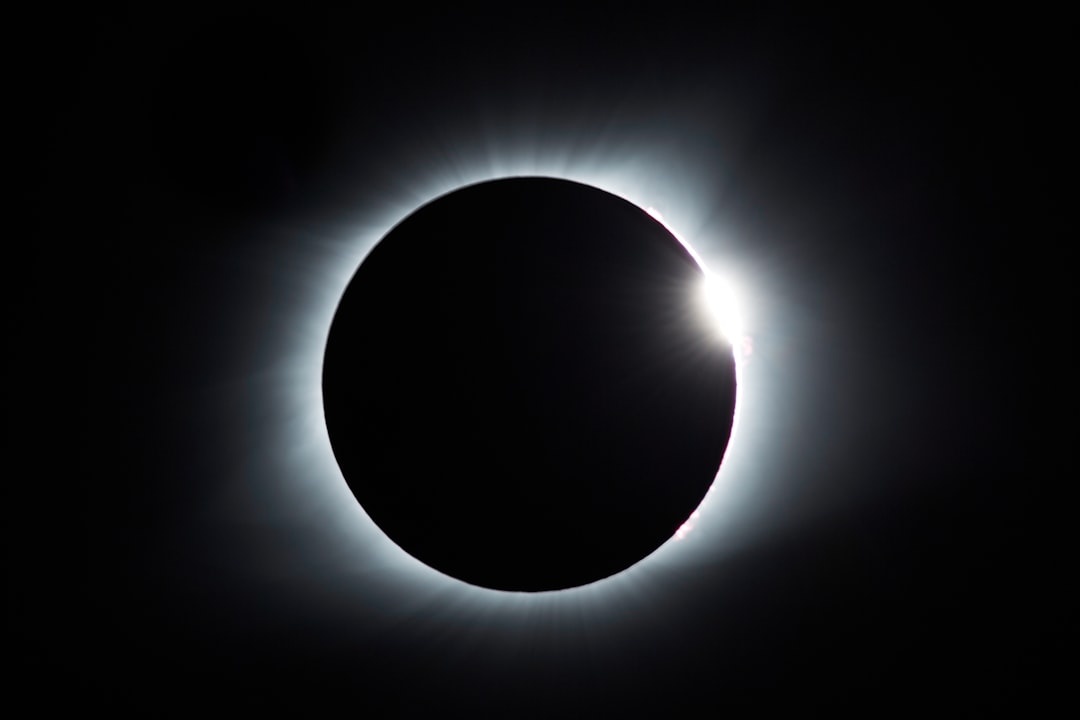
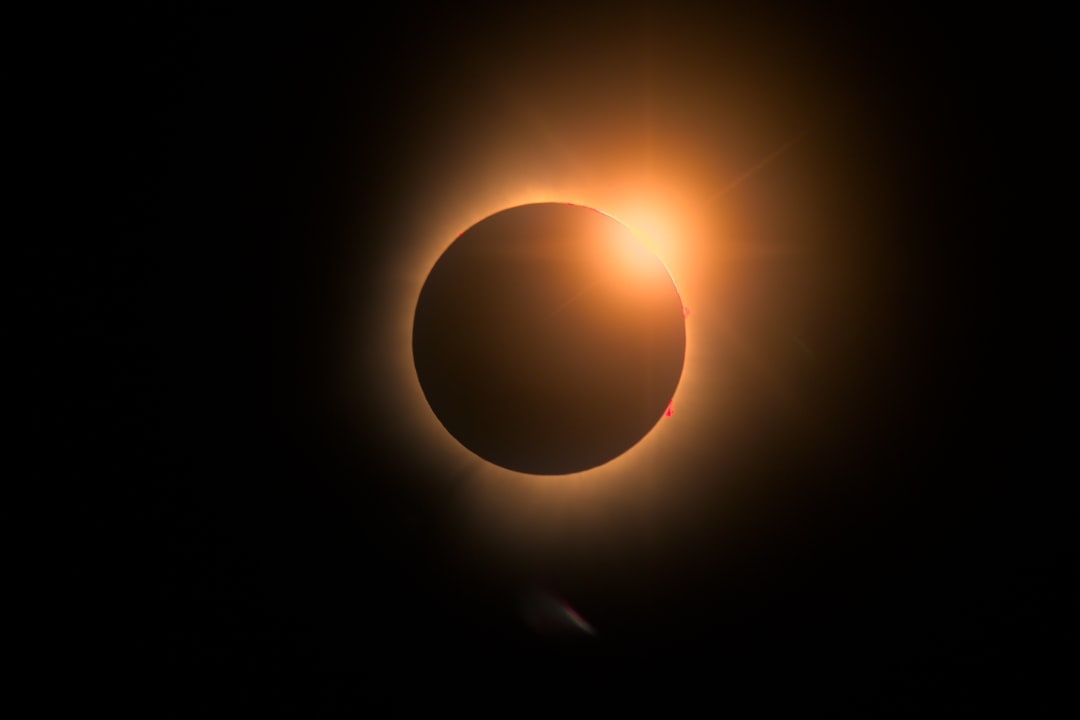
Every major solar eclipse follows the same pattern: hotel prices double, rental cars vanish, and that “cute guesthouse with mountain views” is suddenly €480 a night. Spain and Iceland — both in prime viewing paths for upcoming eclipses — are already seeing booking spikes months (and in some cases, a year) out.
So is it too late to book? Short answer: no. But you’ll need to change your strategy — and possibly your location.
Key Takeaways
- Hotel prices in eclipse hotspots are up 40–120% compared to regular summer rates.
- In Reykjavik, 3-star hotels are already €280–€450 per night; rural Iceland still has rooms from €140.
- Southern Spain (Andalusia) shows strongest demand, with coastal hotels from €220+ per night.
- Booking 30–90 minutes outside totality “hot zones” can cut prices by 30–50%.
- Car rentals in Iceland are selling out faster than flights — reserve ASAP or risk €180/day rates.
Why Spain and Iceland Are Seeing Booking Frenzy
Spain is the easiest eclipse destination in Europe. Direct flights from New York to Madrid start around $520 round-trip in shoulder season; London to Málaga is often under €90 with Ryanair. Compare that to Iceland, where Reykjavik flights from the U.S. average $650–$900 round-trip during peak demand.
Iceland, though, offers dramatic backdrops: black sand beaches, glaciers, waterfalls. Spain offers reliability — statistically clearer skies in Andalusia compared to Iceland’s famously moody weather.
Right now (August 2026), northern Europe is still warm and packed — Edinburgh Fringe, last-minute summer travel, and Perseids meteor shower trips are soaking up hotel inventory. That spillover is pushing eclipse planners to lock in rooms earlier than usual.
Spain: Where Prices Are Climbing Fastest
Andalusia (Málaga, Granada, Córdoba)
This is ground zero for demand. In Málaga, mid-range hotels like Hotel Molina Lario are listing eclipse-week rooms at €310 per night. Regular late-summer pricing? Around €170.
Granada is worse. Boutique properties near the Alhambra are already €350–€420 per night. Budget hostels that normally cost €25–€35 per dorm bed are pushing €60+.
Skip beachfront resorts in Marbella. They’re pricing for luxury eclipse packages. Instead, look 30–45 minutes inland in Antequera — rooms at Hotel Antequera Hills are still around €140–€180.
Madrid as a Base
Madrid isn’t the centerline sweet spot, but it’s a smart fallback. Hotels average €190–€260 for 4-star properties like Only YOU Atocha.
Train comparison:
| Route | Time | Price (one-way) |
|---|---|---|
| Madrid → Córdoba (AVE) | 1h 45m | €29–€65 |
| Madrid → Málaga (AVE) | 2h 30m | €35–€79 |
| Madrid → Granada | 3h 15m | €40–€75 |
Translation: you can base in Madrid and commute on eclipse morning — but book the earliest train. Renfe tickets open about 60 days in advance at renfe.com.
Iceland: Smaller Supply, Bigger Risk
Iceland has a population smaller than Tampa, Florida. Reykjavik has roughly 10,000 hotel rooms total. When an eclipse hits, that inventory disappears fast.
Reykjavik
3-star hotels like Fosshotel Baron are already showing €280–€350 per night during peak dates. 4-star options such as Hotel Borg are hitting €450–€600.
Compare that to typical late-September rates of €180–€220. That’s a 60–100% surge.
South Coast (Vik, Selfoss)
This is where photographers want to be. Vik hotels — like Hotel Kría — are pushing €390–€480 per night. Guesthouses that normally cost €120 are at €240+.
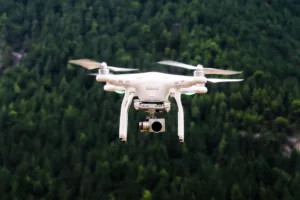
If you’re planning to bring a drone for eclipse shots, review local regulations first. Iceland enforces strict flight rules near protected areas — similar to the permit crackdowns we’ve seen in Italy and the Maldives (read the 2026 drone fine breakdown here).
Alternative: West Iceland
Borgarnes (1 hour north of Reykjavik) still has guesthouses around €150–€190. It’s less dramatic scenery, but availability is better.
Drive comparison:
- Reykjavik → Vik: 2h 30m, 180 km
- Reykjavik → Borgarnes: 1h, 75 km
- Airport (KEF) → Reykjavik: 45 min drive or 50 min Flybus (€27)
Car rentals are the real bottleneck. Compact SUVs (Toyota RAV4 class) are already €140–€180 per day during peak dates. In normal September? €75–€95.
Is It Actually Too Late?
If you want a boutique hotel in Vik or a Parador in southern Spain at standard pricing — yes, that ship has sailed.
If you’re flexible on location, no. Here’s where rooms are still realistically available:
- Secondary Spanish cities: Jaén, Almería, and Badajoz show 3-star hotels from €110–€160.
- University towns: Salamanca and Cáceres often release dorm-style accommodation late.
- Iceland farm stays: Listings on Airbnb and farmholidays.is from €130–€200.
- Package tours: Sometimes cheaper than DIY once car rentals surge.
Flight access matters too. Madrid-Barajas and Keflavik are among Europe’s better-connected hubs — though not at the level of Frankfurt or Paris (see which airports have the most direct connections in 2026). If your dates are flexible by even one day, prices can drop $150–$300 round-trip.
Smart Booking Strategies (August 2026 Reality Check)
Right now, we’re in peak European summer. Southern Spain is roasting at 40°C (104°F). Iceland is busy but stunning, with whale watching near Húsavík running about €85 for a 3-hour tour.
But September is the contrarian sweet spot. Mediterranean heat eases, crowds thin after back-to-school, and hotel rates dip 20–35% — except in eclipse zones.
Here’s how to play it:
- Book refundable rates only. Weather matters more in Iceland than Spain.
- Reserve a car before flights. In Iceland, cars sell out first.
- Track prices on Booking.com and Google Hotels. Re-check weekly.
- Consider split stays. 2 nights city + 1 rural often costs less.
- Arrive 2 days early. Eclipse traffic jams are real.
In Spain, driving vs train is a cost decision:
| Option | Cost (2 days) | Flexibility |
|---|---|---|
| AVE train from Madrid | €60–€140 round-trip | Low (fixed schedule) |
| Rental car | €120–€180 + fuel (€25) | High |
| Private transfer | €300+ | Very high |
For two people, train wins on cost. For three or four, a rental car is often cheaper per person.
Spain vs Iceland: Which Is the Better Late Booking Bet?
Weather reliability: Spain wins. Southern Spain averages 300+ sunny days per year. Iceland? Cloud cover is common, even in September.
Scenery: Iceland wins dramatically. Spain offers historic cities and olive groves; Iceland gives you waterfalls under a darkened sky.
Budget: Spain is 20–40% cheaper overall. A mid-range 3-night Spain trip might run €900–€1,200 per couple. Iceland easily hits €1,600–€2,200 with car rental.
Availability right now: Spain still has broader inventory. Iceland is tighter and riskier.
If you’re booking within 60–90 days of the event, Spain is the safer bet. If you’re booking 6–12 months out, Iceland is doable — just expensive.
My Take: Book Now, But Book Smart
Eclipse travel is like Taylor Swift tickets. Prices rarely go down closer to the date.
If you’ve been hesitating, lock something refundable this week. Worst case? You cancel. Best case? You avoid paying double in six months.
And if hotels in Málaga or Vik look outrageous, zoom out on the map. Thirty kilometers can mean a €200 nightly difference.
The sky show lasts minutes. The smart planning lasts much longer.
Looking for a place to stay for the eclipse in Spain or Iceland? Check and book eclipse-period hotels now.
Frequently Asked Questions
How much are hotels in Spain during the solar eclipse?
In prime Andalusia locations, mid-range hotels are running €250–€350 per night, up from typical €150–€180 rates. Secondary cities still offer rooms from €110–€160.
Is Iceland too expensive for eclipse travel?
Iceland is 20–40% more expensive than Spain overall. Expect €280–€450 per night in Reykjavik and €140–€180 per day for car rentals during peak eclipse dates.
When should I book eclipse accommodation?
Ideally 6–12 months in advance. Within 90 days, availability shrinks fast and prices can rise 50–100% in high-demand zones.
Is it better to stay outside the totality path?
Staying 30–60 minutes outside major hotspots can cut hotel prices by 30–50%. You’ll need a car, but savings often exceed €100 per night.

About the Author: Tomáš Bzirský
Founder and editor of Distratech. Based in the Czech Republic, travelling regularly from Central Europe. Writes practical travel guides and travel-tech comparisons (eSIM, apps, airports) in six languages.