'/%3E%3Cpath%20fill='%23b2b2b2'%20d='M241%20382q0%2016%2017%2026%2017%2011%2042%2011t42-11q16-11%2017-26V269H241'/%3E%3Cpath%20fill='%239f7e00'%20d='M241%20379q0%2014%208%2023%209%209%2021%209%2014%200%2021-9%209-9%209-23V269h-59'/%3E%3Cpath%20d='M241%20339v-70h59v110q0%2014-9%2023l-6%205v-68h-15v72q-8%200-14-4v-68zm59%2040c0%2022%2015%2032%2029%2032%2021%200%2030-18%2030-32v-40h-59'/%3E%3Cpath%20fill='%239f7e00'%20d='M266%20277v5h2v12h-3v-5h2v-5h-9v5h2v5h-4v9h3v18h-5v10h34v-10h-5v-18h3v-9h-4v-5h2v-5h-9v5h2v5h-3v-12h2v-5zm42%20101q0%2010%206%2017%206%206%2015%207%2010-1%2016-7%206-7%206-17v-29h-43'/%3E%3Ccircle%20fill='%230044ad'%20cx='329.5'%20cy='372'%20r='6'/%3E%3Cellipse%20fill='%230044ad'%20cx='300'%20cy='340'%20rx='16'%20ry='21'/%3E%3C/svg%3E)
'/%3E%3C/svg%3E)


'/%3E%3C/g%3E%3Cuse%20href='%23c'%20transform='matrix(-1%200%200%201%20720%200)'/%3E%3C/svg%3E)


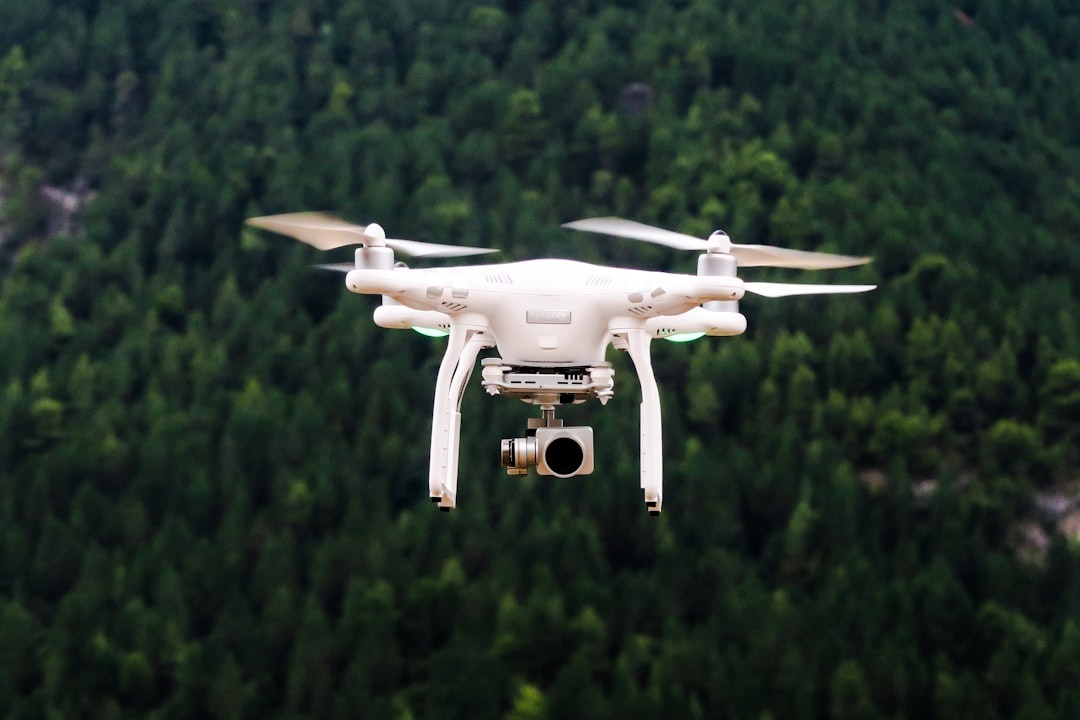
You’ve booked the overwater villa in the Maldives. You’ve chartered the Riva boat on Lake Como. Your DJI Mini 4 Pro is charged. And then — a €1,000 fine in Italy or a grounded drone at Malé Airport.
In summer 2026, drone enforcement in high-end destinations is tighter than most luxury travelers expect. Italy has doubled down on EASA rules in crowded hotspots, and the Maldives now requires pre-approvals that many resorts don’t mention until you land.
Key Takeaways
- Italy fines for illegal drone flights can reach €1,000+ in tourist zones like the Amalfi Coast and Venice.
- Maldives requires CAAM permit approval in advance; airport confiscations at MLE are real in 2026.
- Flying near Italian cultural sites (e.g., Colosseum, Cinque Terre) without authorization is prohibited regardless of drone weight.
- Wind speeds above 25–30 km/h (common in Maldives monsoon season) ground most consumer drones.
- Registration + insurance in the EU can cost €30–€120 total — far cheaper than a single fine.
1. Assuming “Small Drone = No Rules” in Italy
Big mistake. Even sub‑250g drones (like the DJI Mini series) must follow EASA Open Category rules in Italy.
If your drone has a camera — which it does — you must register as an operator with ENAC (Italy’s civil aviation authority). Registration costs around €6–€20 depending on the portal used, and liability insurance typically runs €30–€70 per year.
That’s under €100 total.
The fine for flying in restricted areas? Up to €1,000, and in some cases significantly more if you violate safety or privacy laws.
Comparison:
| Scenario | Cost |
|---|---|
| Register + insurance (1 year) | ~€50–€90 |
| Fine in restricted Italian zone | €500–€1,000+ |
Luxury travelers often skip this because “it’s just a quick sunrise shot.” That sunrise over Positano can get expensive fast.
2. Flying Over “Instagram Icons” That Are Legally Off-Limits
Italy protects cultural heritage aggressively. You cannot legally fly over:
- The Colosseum and Roman Forum (Rome)
- St. Mark’s Square (Venice)
- Cinque Terre villages
- Historic centers during high tourist density
In peak July crowds — which are intense in 2026 — local police actively monitor drones, especially in Venice and Florence.
I watched a couple get stopped in Vernazza (Cinque Terre) within 10 minutes of takeoff. Their hotel in Monterosso cost €620 per night. The fine discussion? Not worth the “drone reveal” shot.
If you want aerial coastline footage, skip the villages and instead book a licensed boat operator who can position you offshore legally. A 2-hour private boat from La Spezia costs about €450–€600 — and you avoid fines entirely.
Better yet, consider Sardinia. It’s less congested than Amalfi in July and has more flyable open coastline.
3. Ignoring No-Fly Zones Around Italian Airports and Helicopter Routes
Lake Como is the classic trap.
Multiple helicopter transfers run between Milan and lakeside villas. Flying near Bellagio or Tremezzo without checking NOTAMs (Notices to Airmen) can put you in restricted airspace.
Milan Malpensa (MXP) and Linate (LIN) have wide controlled zones extending kilometers out. If you’re connecting through Milan — which is one of Europe’s best-connected hubs in 2026 (see which airports offer the most direct routes) — understand that the surrounding airspace is tightly monitored.
Pro tip: Use the official D-Flight app (d-flight.it) in Italy. Subscription plans start around €24 per year and show real-time airspace restrictions.
Taxi from Como town to Bellagio: €120, 1 hour. Ferry: €15, 1–2 hours. Drone fine: €1,000. Choose wisely.
4. Not Getting Maldives CAAM Approval Before Departure
The Maldives looks lawless from the sky. It’s not.
As of 2026, the Civil Aviation Authority of Maldives (CAAM) requires drone approval before flying. Resorts often require additional written consent.
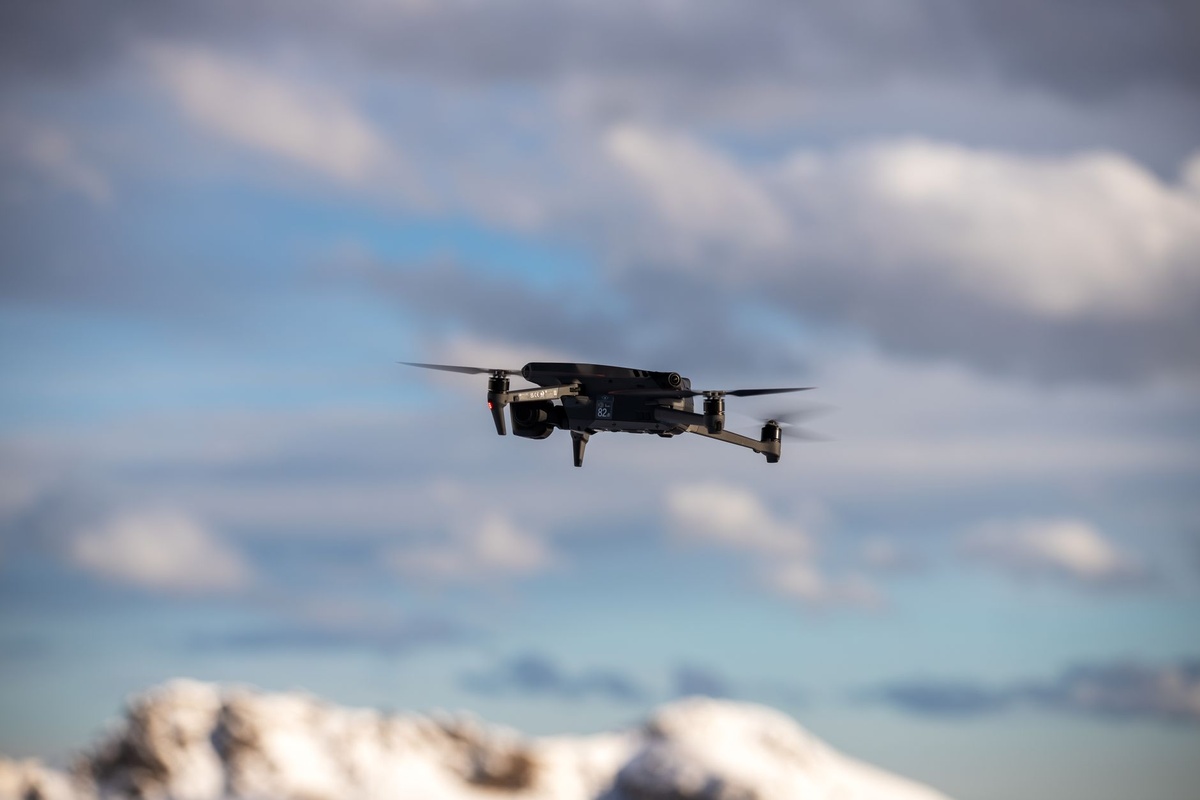
Here’s where travelers mess up: they assume resort permission is enough.
It isn’t.
If you arrive at Velana International Airport (MLE) with an undeclared drone, customs can temporarily confiscate it until departure. I’ve seen this happen.
Typical costs:
- Permit application: often free, but processing required
- Resort handling/admin fee: $50–$150
- Private seaplane transfer (common at luxury resorts): $500–$900 round-trip per person
After spending $8,000–$15,000 on a week in an overwater villa, arguing over paperwork at the airport is the worst possible start.
Email your resort at least 3–4 weeks before arrival. Ask specifically: “Do I need CAAM pre-approval and do you handle submission?”
5. Underestimating Maldives Wind Season (Especially June–September)
July is peak Mediterranean summer — but it’s monsoon season in the Maldives.
That means:
- Frequent wind gusts 25–35 km/h
- Sudden squalls
- Salt-heavy humidity affecting sensors
Most consumer drones are rated for winds up to ~29–38 km/h (depending on model). In real island conditions, that’s optimistic.
Contrast that with Italy in July: generally calmer mornings (especially before 9am), making sunrise flights more stable — if legal.
If your priority is mirror-flat turquoise lagoon drone footage, January–March (Maldives dry season) is dramatically more reliable. Expect villa rates 20–40% higher than shoulder monsoon deals, though.
Monsoon paradox: you’ll pay less for the resort, but risk not flying at all.
6. Forgetting Privacy Laws in High-End Resorts
Luxury travelers love infinity pool shots.
What they forget: European GDPR privacy rules and strict resort privacy policies.
In Italy, flying over private villas (especially in Tuscany or Lake Como) can trigger complaints fast. Celebrities actively monitor airspace around certain properties.
In the Maldives, many ultra-luxury resorts (Soneva, One&Only, Cheval Blanc Randheli) restrict drone use to protect guest privacy. Some ban them entirely unless escorted by staff.
Compare:
| Location | Drone Policy Reality (2026) |
|---|---|
| Public Sardinia beach | Often allowed if outside restricted zones |
| Private Maldives island resort | Frequently restricted or supervised only |
| Historic Italian city center | Commonly prohibited |
If you want aerial villa shots, ask the resort marketing team. Some will provide professional drone footage free for personal use — especially at $2,000+ per night properties.
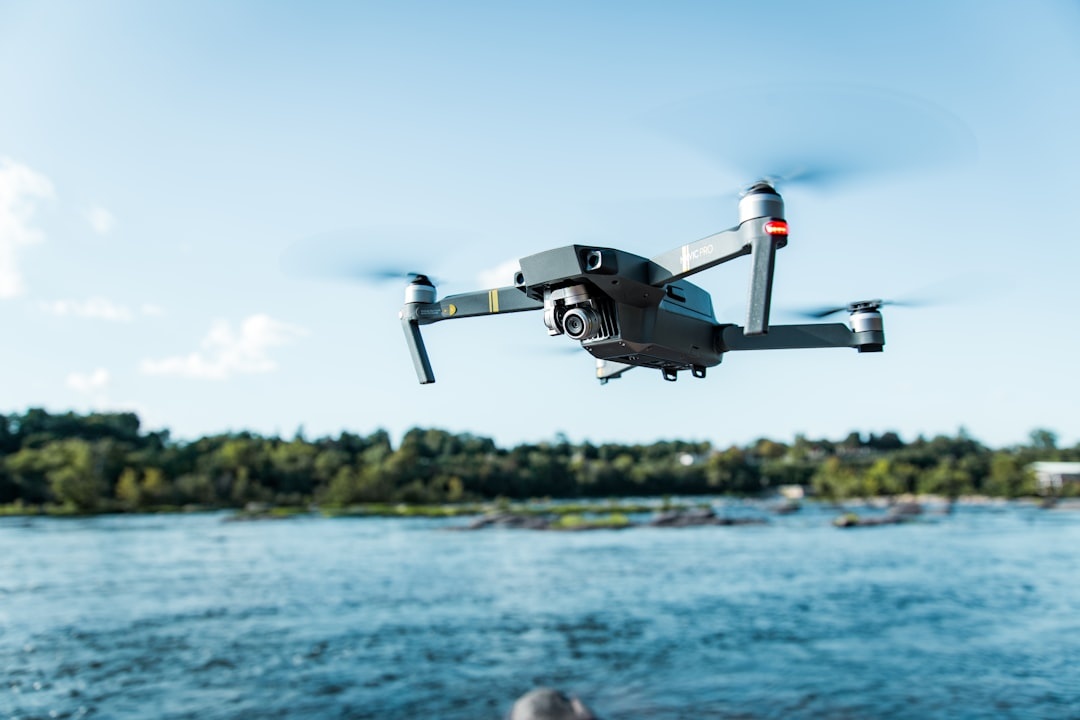
7. Not Insuring a $1,000+ Drone in Salt and Sand Environments
DJI Mini 4 Pro: ~$759. DJI Air 3: ~$1,099. Add extra batteries and ND filters, and you’re easily carrying $1,300+ in gear.
Salt air in the Maldives corrodes motors fast. Fine sand in Italy’s Sardinian beaches clogs gimbals.
DJI Care Refresh (2-year plan) costs around $125–$239 depending on model. That’s less than one night at Grand Hotel Tremezzo (from €900 per night in July).
Also check travel insurance fine print. Many luxury policies exclude drones unless specifically declared.
It’s the same logic I apply when evaluating high-cost adventure trips — like in our breakdown of what a 7-day Galápagos family trip actually costs. Expensive destinations magnify small gear mistakes.
Practical 2026 Drone Checklist for Italy & Maldives
- Register in the EU via ENAC and carry proof (digital + printed).
- Download D-Flight (Italy) and check airspace before every launch.
- Email Maldives resort 3–4 weeks ahead about CAAM permit handling.
- Check wind forecast (Windy app is more reliable than generic weather apps).
- Fly at sunrise (6:00–8:30am) to avoid crowds and thermal gusts.
- Carry documentation at airports — especially at MLE.
- Buy insurance — it’s cheaper than replacing your drone abroad.
Where Drone Flying Is Actually Easier (July 2026 Alternatives)
If Italy feels too restrictive in peak season, consider:
Southern Sardinia — More open coastline, fewer dense no-fly historic cores than Amalfi.
Nordic countries — July is prime hiking season in Norway and Sweden, with long daylight hours and generally clearer airspace outside city centers.
Peru (dry season) — Excellent flying conditions around Sacred Valley (with permits), and far fewer coastal wind issues than the Maldives monsoon period.
Right now, July–September is also one of the cheapest windows for certain long-haul routes to Asia and South America compared to Christmas peaks. Just make sure your drone paperwork matches the destination.
The Bottom Line: Luxury Doesn’t Override Airspace Law
The irony is simple.
People spending €10,000–€20,000 on a trip cut corners on €50 registrations. They assume five-star resorts equal relaxed enforcement. In 2026, that’s not how it works.
Italy is stricter in crowded heritage zones than most travelers realize. The Maldives is stricter at the airport than most resorts admit. And monsoon winds don’t care how much your villa costs.
Plan your airspace the same way you plan your flights and transfers. It’s less glamorous — but far cheaper.
If you’re mapping out a luxury Europe itinerary this summer, start with logistics first. Direct routes, airport positioning, and airspace rules matter more than ever — and we’ve broken down the smartest hubs in our guide to Europe’s most connected airports.
Fly smart. Shoot early. And don’t let a €1,000 mistake ruin a €15,000 trip.
Frequently Asked Questions
How much is the fine for flying a drone illegally in Italy?
Fines typically range from €500 to €1,000 for common violations in restricted tourist zones, but can be higher depending on safety or privacy breaches.
Do I need a permit to fly a drone in the Maldives in 2026?
Yes. You generally need Civil Aviation Authority of Maldives (CAAM) approval in advance, plus written permission from your resort. Apply at least 3–4 weeks before travel.
Is July a good time for drone photography in the Maldives?
Not ideal. July falls in monsoon season with wind gusts often 25–35 km/h, which can ground many consumer drones. January–March offers calmer conditions.
Can I fly a sub-250g drone in Italy without registration?
No. If your drone has a camera, you must register as an operator under EASA rules, even for sub‑250g models.

About the Author: Tomáš Bzirský
Founder and editor of Distratech. Based in the Czech Republic, travelling regularly from Central Europe. Writes practical travel guides and travel-tech comparisons (eSIM, apps, airports) in six languages.