'/%3E%3Cpath%20fill='%23b2b2b2'%20d='M241%20382q0%2016%2017%2026%2017%2011%2042%2011t42-11q16-11%2017-26V269H241'/%3E%3Cpath%20fill='%239f7e00'%20d='M241%20379q0%2014%208%2023%209%209%2021%209%2014%200%2021-9%209-9%209-23V269h-59'/%3E%3Cpath%20d='M241%20339v-70h59v110q0%2014-9%2023l-6%205v-68h-15v72q-8%200-14-4v-68zm59%2040c0%2022%2015%2032%2029%2032%2021%200%2030-18%2030-32v-40h-59'/%3E%3Cpath%20fill='%239f7e00'%20d='M266%20277v5h2v12h-3v-5h2v-5h-9v5h2v5h-4v9h3v18h-5v10h34v-10h-5v-18h3v-9h-4v-5h2v-5h-9v5h2v5h-3v-12h2v-5zm42%20101q0%2010%206%2017%206%206%2015%207%2010-1%2016-7%206-7%206-17v-29h-43'/%3E%3Ccircle%20fill='%230044ad'%20cx='329.5'%20cy='372'%20r='6'/%3E%3Cellipse%20fill='%230044ad'%20cx='300'%20cy='340'%20rx='16'%20ry='21'/%3E%3C/svg%3E)
'/%3E%3C/svg%3E)


'/%3E%3C/g%3E%3Cuse%20href='%23c'%20transform='matrix(-1%200%200%201%20720%200)'/%3E%3C/svg%3E)


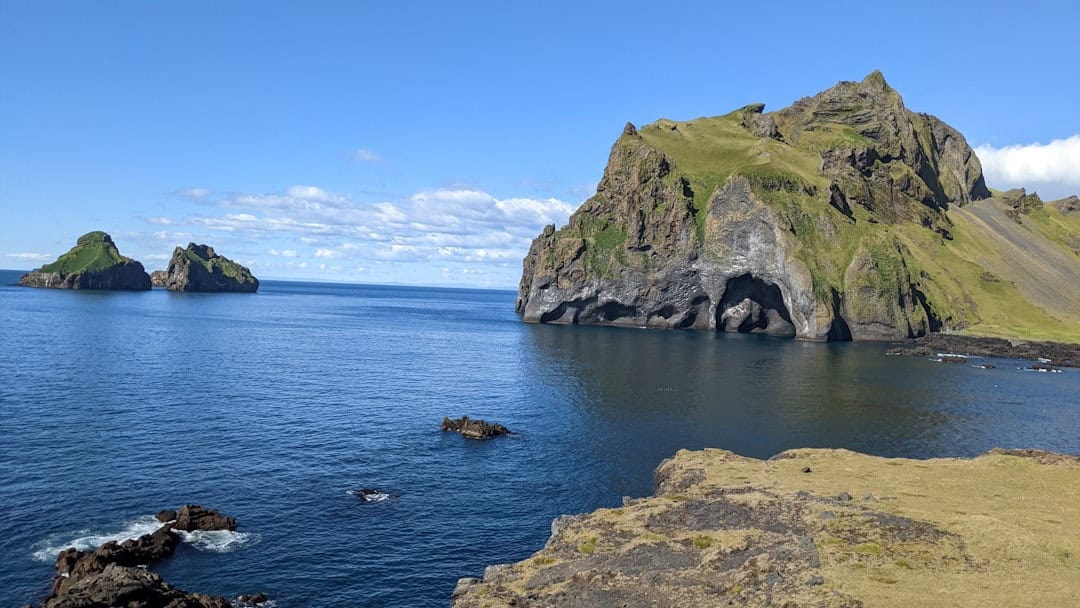
The first time I saw the Azores from the plane window, it looked like someone had dropped nine emeralds into the Atlantic. In April, the hills were impossibly green, hydrangeas just starting to bloom, and the air felt like a cool spring morning that never quite turns into summer. If you love hiking, crater lakes, thermal pools, and seafood straight off the boat, this is your kind of trip.
Key Takeaways
- Plan 10 days to visit 3 islands (São Miguel, Pico, Faial) with flights costing €60–120 per leg.
- Best time is April–June for wildflowers, mild temps (16–22°C), and fewer crowds.
- Budget €120–180 per day including car rental (€35–50/day) and mid-range lodging.
- Book inter-island flights early; ferries run daily between Pico and Faial (30 min, ~€10).
- Bring layers—weather shifts fast, especially on Mount Pico.
This 10-day Azores itinerary focuses on three islands that give you the best mix of volcanic drama, wildlife, and hiking without spending half your vacation in airports.
Why These 3 Islands?
You could try to see all nine islands. Don’t. You’ll burn time in transit and miss the magic.
São Miguel is the lush showstopper. Pico brings raw volcanic landscapes and Portugal’s highest peak. Faial adds whale watching and laid-back harbor vibes. Together, they’re the sweet spot for a 10-day adventure.
Day 1–4: São Miguel – Crater Lakes & Hot Springs
Fly into Ponta Delgada. From Lisbon, flights are about 2.5 hours and often €50–100 round-trip if booked early.
Rent a car at the airport. Expect €35–50 per day in spring 2026. You’ll need it—public transport is limited.
Day 1: Sete Cidades
Drive 40 minutes west to Sete Cidades. The Vista do Rei viewpoint is famous, but walk 15 minutes along the ridge trail for fewer crowds and better angles.
If you’re up for it, hike the 7.5 km crater rim loop (2–3 hours). In spring, the hills are neon green and dotted with wildflowers.
Day 2: Lagoa do Fogo & Caldeira Velha
Lagoa do Fogo is wilder and less developed. Go early (before 9am) to avoid parking restrictions in high season.
After hiking down to the lake (moderate, 2–3 hours round trip), soak at Caldeira Velha. Entry is around €10, and the warm waterfall pool feels incredible in cool April air.
Day 3: Furnas & Terra Nostra
Furnas smells like sulfur—and I mean that lovingly.
Walk around the steaming fumaroles, then try cozido das Furnas, a stew slow-cooked underground by volcanic heat (€20–25 per person).
End the day at Terra Nostra Park. The iron-rich thermal pool is 38–40°C year-round. Bring a dark swimsuit—it will stain.
Day 4: Whale Watching or Nordeste
April kicks off whale season. Tours cost €65–90 and last about 3 hours. You might see sperm whales or migrating blues.
Prefer land? Drive to Nordeste for dramatic cliffs and quiet viewpoints. It’s the least touristy part of the island—and that’s the point.
Day 5–7: Pico – Volcanic Drama & Vineyard Culture
Fly from São Miguel to Pico (45 minutes, €70–120). Yes, it feels extravagant for such a short hop, but it saves hours.
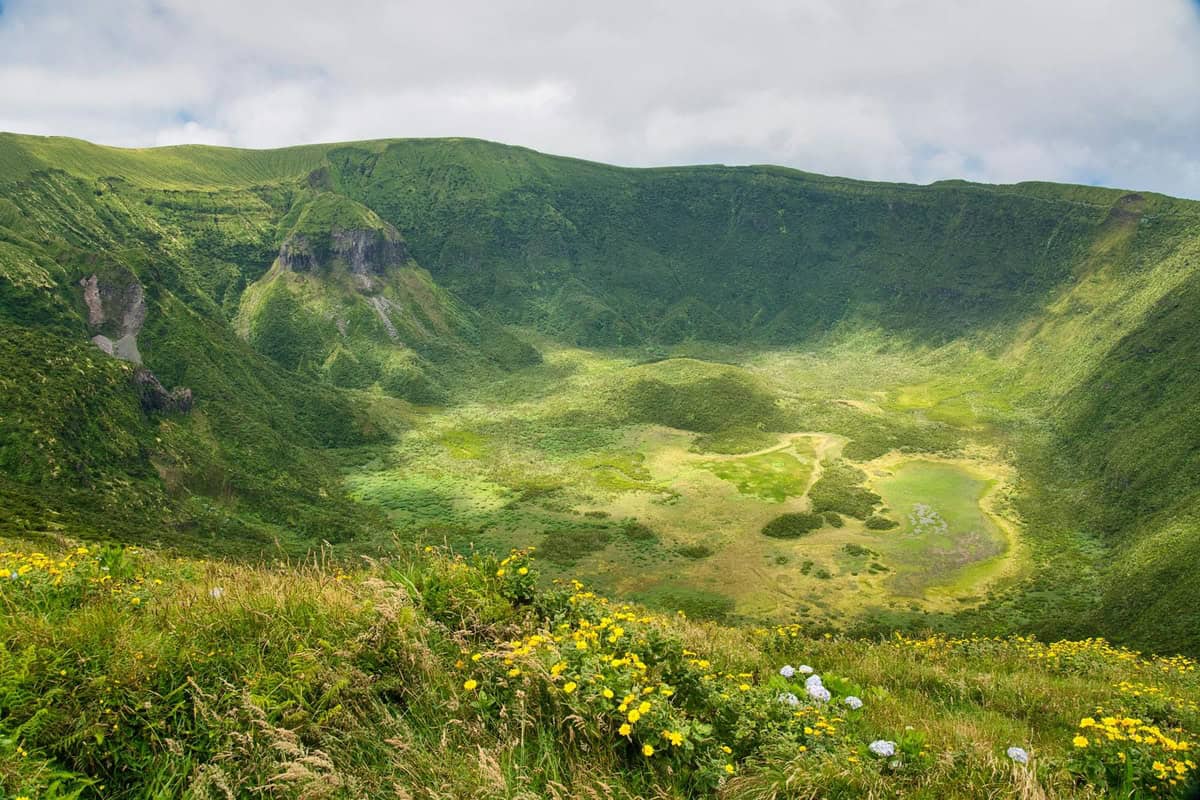
Pico is stark and beautiful, with black lava fields and UNESCO-listed vineyards.
Day 5: Explore Lajes do Pico
Base yourself near Lajes. It’s small, walkable, and great for sunset views.
Visit the Whalers’ Museum for context on the island’s past. It’s surprisingly moving and costs around €7.
Day 6: Climb Mount Pico
This is the big one: 2,351 meters, Portugal’s highest point.
You must register at the Casa da Montanha (€25). The hike takes 6–8 hours round trip. It’s steep and rocky but not technical.
Start early (around 6–7am). In spring, you’ll likely get clearer skies than in humid summer months—but conditions change fast. Bring layers and at least 1.5L of water.
Day 7: Wine & Lava Landscapes
Explore the Criação Velha vineyard fields. The stone walls against the Atlantic are iconic.
Stop at a local winery for a tasting (€15–20). Pico’s Verdelho is crisp and mineral—perfect after yesterday’s climb.
Day 8–9: Faial – Blue Hydrangeas & Whale Tales
Take the 30-minute ferry from Madalena (Pico) to Horta (Faial). Tickets are about €10, and crossings run multiple times daily in spring.
Day 8: Horta & Marina
Horta Marina is legendary among Atlantic sailors. Walk along the painted murals left by yacht crews—it’s tradition to paint one for good luck.
Have dinner at Genuíno. Order grilled limpets and fresh tuna steak. Expect €25–35 per person with wine.
Day 9: Capelinhos Volcano
Drive 30 minutes to Capelinhos, where a 1957 eruption added new land to the island.
The landscape feels lunar. Visit the underground interpretation center (€10) and hike along the ash fields.
If hydrangeas are blooming (usually late May into summer), the roads here become tunnels of blue and pink.
Day 10: Back to São Miguel & Departure
Fly from Horta back to Ponta Delgada for your onward flight. Give yourself at least a 3-hour buffer between flights—inter-island schedules can shift due to weather.
Where to Stay (Mid-Range Picks)
- São Miguel: Santa Bárbara Eco-Beach Resort (from €180/night) for ocean views.
- Pico: Aldeia da Fonte (from €120/night) tucked into lava rock cliffs.
- Faial: Hotel do Canal (from €110/night) walking distance to Horta Marina.
Book early for May and June. Spring shoulder season is no longer a secret.
Tech & Connectivity Tips for the Azores
The Azores are remote—but surprisingly well connected.
Instead of hunting for a SIM card in Ponta Delgada, I recommend setting up an eSIM before you arrive. We’ve compared the best eSIMs for Europe in 2026, and most plans work seamlessly in Portugal, including the islands.
Expect solid 4G in towns and patchier signal on mountain trails. Download offline Google Maps for hiking routes—especially on Pico.
Practical Tips for Island-Hopping
- Pack layers: Spring temps range from 16–22°C, but wind makes it feel cooler.
- Rent small cars: Roads are narrow and parking tight in villages.
- Check weather daily: Plans may shift—have backup hikes.
- Carry cash: Smaller cafés and rural spots may not accept cards.
- Travel insurance is smart: Weather delays are common.
Is 10 Days Enough?
For three islands? Yes. You’ll get crater lakes, a volcano summit, whale watching, vineyard tastings, and thermal baths—all without rushing.
Could you stay longer? Absolutely. Flores and São Jorge are next on my list.
Final Thoughts: Is the Azores Worth It in 2026?
If you’re debating between Iceland and the Azores this spring, here’s my take: the Azores are greener, cheaper, and far less crowded.
You’ll trade glaciers for hot springs and puffins for whales—but you’ll keep the drama.
Plan smart, move slowly, and let the weather guide you. The Azores reward flexibility.
Ready to map out your flights and hikes? Start checking inter-island routes and lock in your car rentals early. Spring in the Atlantic doesn’t wait.
For the best stays during your island-hopping adventure, browse Azores hotels and accommodations and book early for peak spring dates.
Frequently Asked Questions
How much does a 10-day Azores island-hopping trip cost?
Budget €1,200–1,800 per person including accommodation, car rentals, inter-island flights, food, and activities. Flights from mainland Europe are often €50–150 round trip if booked early.
When is the best time to visit the Azores?
April to June offers mild weather (16–22°C), lush landscapes, and fewer crowds than summer. Whale season begins in spring, making it an excellent time for wildlife lovers.
Do you need a car in the Azores?
Yes, especially on São Miguel and Pico. Public transport is limited, and many top प्राकृतिक sites like Sete Cidades and Mount Pico are only accessible by car.
Is Mount Pico difficult to climb?
It’s strenuous but not technical. The 6–8 hour hike involves steep, rocky terrain, and costs €25 to register, but fit hikers with proper footwear can complete it safely in good weather.

About the Author: Tomáš Bzirský
Founder and editor of Distratech. Based in the Czech Republic, travelling regularly from Central Europe. Writes practical travel guides and travel-tech comparisons (eSIM, apps, airports) in six languages.