'/%3E%3Cpath%20fill='%23b2b2b2'%20d='M241%20382q0%2016%2017%2026%2017%2011%2042%2011t42-11q16-11%2017-26V269H241'/%3E%3Cpath%20fill='%239f7e00'%20d='M241%20379q0%2014%208%2023%209%209%2021%209%2014%200%2021-9%209-9%209-23V269h-59'/%3E%3Cpath%20d='M241%20339v-70h59v110q0%2014-9%2023l-6%205v-68h-15v72q-8%200-14-4v-68zm59%2040c0%2022%2015%2032%2029%2032%2021%200%2030-18%2030-32v-40h-59'/%3E%3Cpath%20fill='%239f7e00'%20d='M266%20277v5h2v12h-3v-5h2v-5h-9v5h2v5h-4v9h3v18h-5v10h34v-10h-5v-18h3v-9h-4v-5h2v-5h-9v5h2v5h-3v-12h2v-5zm42%20101q0%2010%206%2017%206%206%2015%207%2010-1%2016-7%206-7%206-17v-29h-43'/%3E%3Ccircle%20fill='%230044ad'%20cx='329.5'%20cy='372'%20r='6'/%3E%3Cellipse%20fill='%230044ad'%20cx='300'%20cy='340'%20rx='16'%20ry='21'/%3E%3C/svg%3E)
'/%3E%3C/svg%3E)


'/%3E%3C/g%3E%3Cuse%20href='%23c'%20transform='matrix(-1%200%200%201%20720%200)'/%3E%3C/svg%3E)


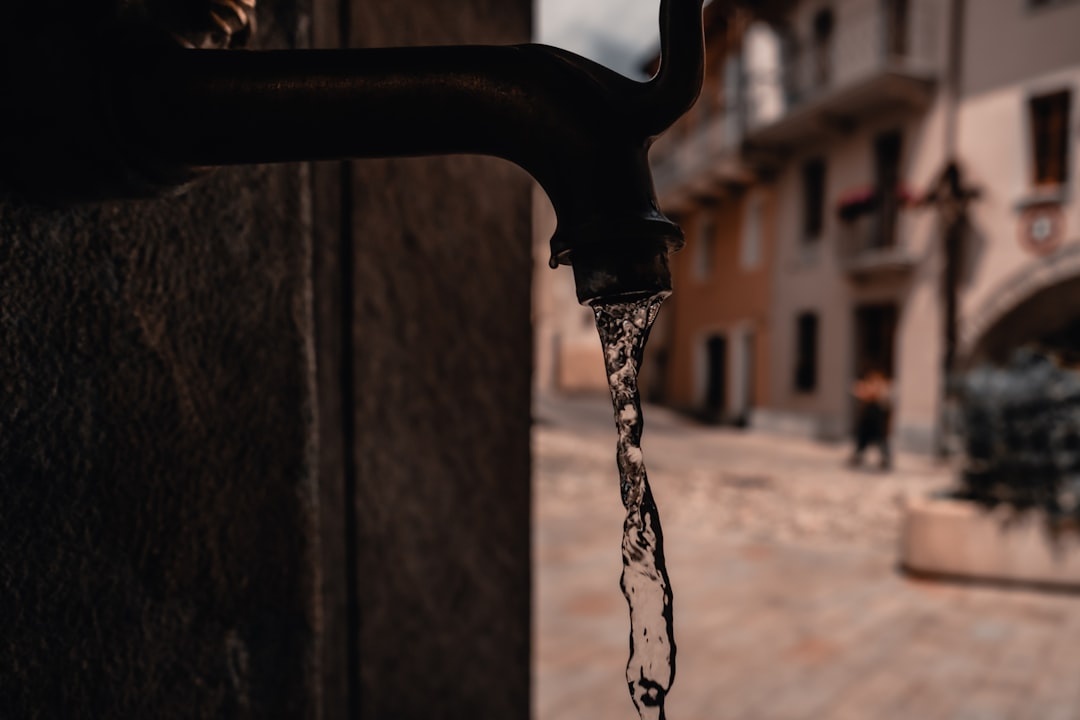
You land in Rome, it’s 32°C (90°F), and you sit down at a trattoria near Piazza Navona. You ask for tap water. The waiter shakes his head and offers a €5 bottle of still water instead.
Here’s the reality as of October 2026: tap water in Italy is safe to drink in most destinations, but restaurants are generally not required to serve it for free—or serve it at all. Elsewhere in Europe, the legal rules and everyday customs vary considerably.
Key Takeaways
- In Italy, restaurants are not nationally required to serve free tap water; bottled table water commonly costs €3–€6, with higher prices in landmark areas.
- France requires restaurants to include tap water with a meal when you request a “carafe d’eau.”
- Spain and Portugal have national rules supporting free unpackaged tap water in hospitality venues, although implementation can vary.
- Germany, Austria, and Switzerland do not generally mandate free restaurant tap water; bottled water can cost €4–€9.
- Licensed premises across the UK must generally provide free potable tap water where reasonably available. The Republic of Ireland does not have the same broad national requirement.
- Hotel tap water is normally safe in Western and Northern Europe, but local advisories, island supply systems, drought restrictions, and building plumbing can create exceptions.
This updated guide explains what to expect country by country, how to avoid unexpected bottled-water charges, and what to ask for in restaurants, bars, and hotels. Prices are indicative late-2026 menu ranges rather than regulated rates, so landmark locations, resorts, and luxury hotels may charge more.
Italy: Safe Tap Water, No Free-Serve Obligation
Italy’s municipal tap water is subject to European and national drinking-water standards. It is normally safe in major destinations including Rome, Milan, Florence, Bologna, Turin, Naples, and Venice.
That does not create an entitlement to free tap water at a restaurant table. Italy still has no nationwide rule requiring restaurants or bars to serve customers a free carafe, and many establishments rely on bottled mineral water as part of their beverage revenue.
Rome’s public “nasoni” fountains are a valuable alternative. Unless a fountain is marked “acqua non potabile”, its water is intended for drinking. Carry a refillable bottle, avoid touching the bottle opening to the spout, and never drink from decorative fountains unless they are specifically identified as potable.
Restaurant Rules in Italy (Updated October 2026)
Restaurants can decline a request for tap water and offer paid bottled water instead. They should make menu prices available, but water charges are separate from the coperto, or cover charge, unless the menu explicitly says otherwise.
Typical late-2026 menu ranges are:
| City | Free Tap Water in Restaurants? | Typical Bottled Water Price |
|---|---|---|
| Rome | Uncommon in traditional and tourist restaurants | €3–€6 for 0.75L–1L |
| Florence | Sometimes available on request | €3–€5.50 for 0.75L–1L |
| Milan | More common in casual or sustainability-focused venues | €3–€5 for 0.75L–1L |
| Venice | Uncommon in heavily visited areas | €4–€7 for 0.75L–1L |
| Naples | Varies widely by restaurant | €2.50–€5 for 0.75L–1L |
Check both the bottle size and price. A menu may list a seemingly inexpensive 0.5L bottle rather than the 0.75L or 1L format commonly shared at the table. In landmark zones, walking a few streets away can reduce the price by €1–€2.
What to Say in Italy
- “Acqua del rubinetto, per favore.” — Tap water, please.
- “Avete acqua filtrata?” — Do you have filtered water?
- “Una bottiglia d’acqua naturale, per favore.” — A bottle of still water, please.
- “Quanto costa l’acqua?” — How much does the water cost?
- “Naturale” means still; “frizzante” or “gassata” means sparkling.
Some restaurants now serve house-filtered water in reusable glass bottles. It may be cheaper than branded mineral water, but it is not necessarily free. Ask the price before agreeing.
If an unopened bottle is placed on the table automatically, ask whether it is included before opening it. If you do not want it, say “No, grazie” immediately and leave the seal intact. Also review the menu for a coperto or service charge so you do not mistake a legitimate cover fee for a water charge.
Hotels in Italy
Cold tap water is generally drinkable in mainland Italian hotels, but the local utility notice and the hotel’s own guidance always take priority. Temporary advisories can occur after pipe damage, flooding, contamination tests, or supply problems.
Parts of Sicily, Sardinia, Calabria, and smaller islands can experience summer shortages, intermittent supply, or reliance on storage tanks. These conditions do not automatically make the water unsafe, but they can affect taste, pressure, and hotel recommendations. If staff advise against drinking it, ask whether the concern is a formal municipal notice, the building’s tank, or simply mineral taste.
Use the cold tap for drinking and cooking rather than hot water from a boiler. If a room has been vacant, let the cold water run briefly. Travelers staying for several weeks may find a certified filter jug useful for taste, although a filter does not make officially non-potable water safe.
France: Free Tap Water With a Meal
France remains one of Europe’s easiest countries for obtaining free restaurant tap water. When dining, ask for “une carafe d’eau”. Tap water is included as part of the meal service and should not be replaced with paid bottled water unless you request a bottle.
The distinction matters: “de l’eau” may prompt a question about still or sparkling bottled water, while “une carafe d’eau” clearly means a carafe of tap water.
Cost Comparison: Paris in Late 2026
| Option | Typical Cost | Notes |
|---|---|---|
| Carafe d’eau with a meal | €0 | Ask clearly for a carafe |
| Bottled still water | €6–€10 | Often higher at hotels and landmark restaurants |
| Supermarket water, 1.5L | €0.50–€1.20 | Brand and store location affect price |
If a restaurant attempts to charge for an ordinary carafe of tap water served with your meal, first check whether the item was actually bottled or filtered house water. Ask staff to explain the line item before escalating the issue.
Paris also has public drinking fountains, including a limited number that dispense sparkling water. Availability can change because of maintenance or winterization, so do not assume every mapped fountain will be operating.
Spain & Portugal: Free Tap Water Under National Rules
Spain’s 2022 waste legislation requires hospitality establishments to offer customers the possibility of consuming unpackaged water free of charge. The rule applies nationally, including in Barcelona, Madrid, Seville, Valencia, and the islands, subject to the water being suitable and available.
Ask for “agua del grifo, por favor”. If staff immediately offer bottled water, repeat that you want tap water rather than agua sin gas, which can still mean bottled still water.
Portugal’s anti-waste framework also requires hospitality businesses to make free tap water and reusable containers available for on-site consumption where the public supply is fit for drinking. Ask for “água da torneira, por favor.”
Compliance has improved since these rules were introduced, but the customer experience remains inconsistent. Some venues may first promote bottled or filtered water, particularly in tourist districts. A restaurant can charge for a separately described filtered-water product, but it should not present that paid product as the only option when free tap water is available under the applicable rule.
What Travelers Commonly Encounter
- Beachfront venues may bring bottled water unless you explicitly request tap water.
- Local restaurants are often more accustomed to serving a free glass or carafe.
- Filtered house water may carry a charge even when ordinary tap water is free.
- Temporary municipal advisories can override the usual expectation, especially on islands or after infrastructure problems.
Stay polite and specific. If there is a genuine supply or safety issue, ask staff to explain it rather than assuming every refusal is an attempt to upsell.
Germany, Austria & Switzerland: No General Free-Water Right
Germany, Austria, and Switzerland do not generally give restaurant customers a nationwide right to free table water. Tap water is safe in almost all urban destinations, but hospitality customs favor paid beverages.
Some restaurants will provide Leitungswasser on request, either free or for a small service fee. Others will refuse or offer only bottled mineral water. The price should be shown on the menu.
| City | Typical Bottled Water Price | Tap Water Practice |
|---|---|---|
| Munich | €5–€9 for 0.5L–0.75L | Often unavailable or served for a fee |
| Berlin | €4–€8 for 0.5L–0.75L | More likely at casual, modern venues |
| Vienna | €4–€7 for 0.5L–0.75L | Sometimes free with coffee; otherwise venue-dependent |
| Zurich | CHF 6–10 for 0.5L–0.75L | Free carafes are not guaranteed |
In Germany and Austria, ask for “Leitungswasser, bitte.” In German-speaking Switzerland, the same phrase works. Check whether a charge applies before ordering several carafes.
For sightseeing days, filling a bottle at your accommodation is usually the simplest option. Public fountains in Austria and Switzerland are often potable, but drink only when there is a clear sign or reliable local confirmation.
UK & Ireland: Similar Habit, Different Legal Rules
Licensed premises in England and Wales must provide free potable tap water on request where it is reasonably available. Scotland also places a free tap-water requirement on licensed premises. Comparable licensing conditions generally make free water available in licensed venues across Northern Ireland.
This normally covers pubs, bars, restaurants, clubs, and hotel bars that sell alcohol. It does not mean every unlicensed café or takeaway has an identical obligation, and a venue can still sell bottled or filtered water as an optional product.
In London in late 2026, typical prices are:
- Tap water at licensed premises: Free on request
- Bottled still water: About £4–£7 in restaurants
- Supermarket water, 1.5L–2L: About £0.70–£1.50
The Republic of Ireland is different. There is no equivalent broad national rule requiring every restaurant or pub to provide free tap water, although many do so routinely. Ask for tap water clearly and check the menu if the venue offers paid filtered water.
Hotels Across Europe: What’s Safe?
Municipal tap water is generally safe in hotels across Italy, France, Spain, Portugal, Germany, the UK, Ireland, Austria, Switzerland, the Netherlands, Belgium, and Scandinavia. However, “safe in the city” does not guarantee that every building has identical plumbing or storage conditions.
Double-check before drinking when staying in:
- Properties displaying a temporary boil-water or non-potable notice
- Remote Greek, Italian, Spanish, or Croatian islands with tanker or desalinated supplies
- Rural areas using private wells rather than municipal water
- Older buildings with rooftop or basement storage tanks
- Regions affected by flooding, wildfires, pipe failures, or drought restrictions
Ask the front desk: “Is the cold tap water in this room safe to drink?” This is more precise than asking whether the country’s water is safe. If staff recommend bottled water, ask whether that advice is based on an official notice, the building system, or taste.
If you’re working remotely and relying on hotel Wi‑Fi, don’t forget water isn’t the only infrastructure variable. We covered connectivity trade-offs in our breakdown of Wi‑Fi router vs. mesh systems for travel lifestyles — surprisingly relevant for long summer stays in Europe.
Late-2026 Update: Heat, Drought, and Temporary Advisories
The summer 2026 travel season reinforced an important point: a country’s permanent water rules and a destination’s temporary supply conditions are not the same thing.
During heatwaves, islands and drought-affected regions may impose restrictions, lower network pressure, increase reliance on tanks, or issue local guidance. These measures can change quickly and may apply to one municipality without affecting the next.
Before traveling during extreme heat:
- Check the local water utility or municipality website for current notices.
- Carry a refillable bottle of 500ml–1L rather than relying on restaurant service.
- Use mapped public fountains only when they are identified as potable.
- Refill before entering archaeological sites, beaches, or transport areas with higher prices.
- Drink regularly rather than waiting until you feel thirsty.
Buying three €5 bottles per day costs €15. Over a seven-day trip, that is €105 per person or €210 for a couple. A refillable bottle will not eliminate every purchase, but it can substantially reduce both cost and plastic waste.
How to Avoid Unexpected Water Charges
- Use the local phrase for tap water. Asking only for “still water” usually means bottled water.
- Check the menu first. Look for the bottle size, price, cover charge, and any filtered-water fee.
- Do not open an unwanted bottle. Politely refuse it while it is still sealed.
- Ask whether refills are free. This is especially important for paid house-filtered water.
- Inspect the bill before paying. Clarify unfamiliar items calmly while you are still at the table.
- Keep safety separate from price disputes. If staff cite a local advisory, verify it rather than insisting on tap water.
Should You Challenge a Refusal or Just Pay?
Pick your battles and understand the local rule.
In France, Spain, Portugal, and licensed UK venues, ask confidently and specifically for free tap water. If staff misunderstand, restate the request politely before assuming deliberate noncompliance.
In Italy, Germany, Austria, Switzerland, and the Republic of Ireland, a refusal may be perfectly legal. You can order the least expensive bottled option, drink before arriving, or choose another venue next time.
Water pricing should be disclosed, but high pricing alone is not necessarily a scam. This isn’t the same situation as the aggressive tactics covered in Brazil’s infamous beach upsells — although an unexplained bottle or misleading menu can still justify asking for clarification.
The Bottom Line
Tap water in Italy is normally safe, but a free glass or carafe is not guaranteed at restaurants or bars. Expect many Italian venues to offer paid bottled or filtered water instead.
France provides the clearest meal-service entitlement, while Spain and Portugal have national rules favoring free unpackaged water. Licensed UK venues must generally supply free potable tap water where reasonably available. Germany, Austria, Switzerland, and the Republic of Ireland mostly leave the decision to individual businesses.
For hotels, trust current municipal notices and property-specific guidance over broad country lists. Carry a refillable bottle, ask clearly, check prices before opening anything, and never ignore a sign saying the water is non-potable.
Frequently Asked Questions
Is tap water safe to drink in Italy in 2026?
Yes, in most destinations. Municipal tap water in cities such as Rome, Milan, Florence, Naples, and Venice is regulated and normally safe. Temporary local advisories, private wells, storage tanks, or island supply issues can create exceptions, so follow posted notices and hotel guidance.
Are restaurants in Italy required to give free tap water?
No. Italy has no nationwide law requiring restaurants or bars to serve free tap water. A venue may refuse and offer bottled or paid filtered water instead, but prices should be disclosed on the menu.
Which European countries require free tap water in restaurants?
France provides free tap water with a restaurant meal when requested. Spain and Portugal have national provisions supporting free unpackaged tap water in hospitality venues. Licensed premises in the UK must generally provide free potable tap water where reasonably available. Exact coverage and exceptions differ by country.
Is free tap water required in Ireland?
Not across the entire island under one rule. Northern Ireland is covered by UK licensing arrangements, while the Republic of Ireland does not have the same broad national requirement. Many Irish restaurants and pubs nevertheless provide tap water voluntarily.
Why is bottled water so expensive in Germany and Switzerland?
Restaurants are generally not required to provide free tap water, and paid beverages are an established part of dining revenue. Depending on the venue and bottle size, water can cost about €4–€9 in Germany or CHF 6–10 in major Swiss cities.
Can a restaurant charge for filtered tap water?
Often, yes. House-filtered or carbonated water may be sold as a separate product, even where ordinary tap water must be available for free. Ask whether the water is bottled, filtered, or plain tap water and confirm the price before ordering.
How can I tell whether a public fountain is safe?
Look for signs such as “potable,” “drinking water,” or the local equivalent. Do not drink from fountains marked “acqua non potabile,” “eau non potable,” “agua no potable,” or similar wording. Decorative fountains should never be assumed safe.

About the Author: Tomáš Bzirský
Founder and editor of Distratech. Based in the Czech Republic, travelling regularly from Central Europe. Writes practical travel guides and travel-tech comparisons (eSIM, apps, airports) in six languages.