'/%3E%3Cpath%20fill='%23b2b2b2'%20d='M241%20382q0%2016%2017%2026%2017%2011%2042%2011t42-11q16-11%2017-26V269H241'/%3E%3Cpath%20fill='%239f7e00'%20d='M241%20379q0%2014%208%2023%209%209%2021%209%2014%200%2021-9%209-9%209-23V269h-59'/%3E%3Cpath%20d='M241%20339v-70h59v110q0%2014-9%2023l-6%205v-68h-15v72q-8%200-14-4v-68zm59%2040c0%2022%2015%2032%2029%2032%2021%200%2030-18%2030-32v-40h-59'/%3E%3Cpath%20fill='%239f7e00'%20d='M266%20277v5h2v12h-3v-5h2v-5h-9v5h2v5h-4v9h3v18h-5v10h34v-10h-5v-18h3v-9h-4v-5h2v-5h-9v5h2v5h-3v-12h2v-5zm42%20101q0%2010%206%2017%206%206%2015%207%2010-1%2016-7%206-7%206-17v-29h-43'/%3E%3Ccircle%20fill='%230044ad'%20cx='329.5'%20cy='372'%20r='6'/%3E%3Cellipse%20fill='%230044ad'%20cx='300'%20cy='340'%20rx='16'%20ry='21'/%3E%3C/svg%3E)
'/%3E%3C/svg%3E)


'/%3E%3C/g%3E%3Cuse%20href='%23c'%20transform='matrix(-1%200%200%201%20720%200)'/%3E%3C/svg%3E)


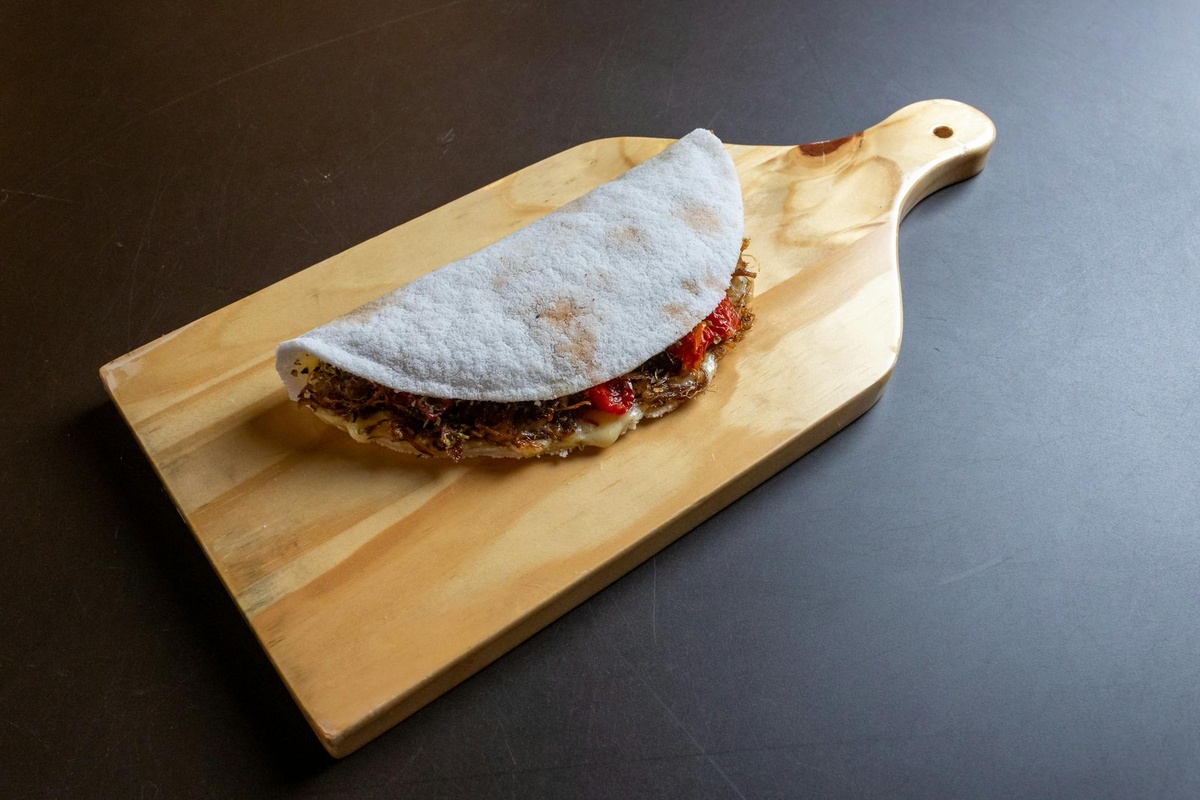
A British couple thought they were ordering a simple beach snack in Rio de Janeiro. What landed on their credit card instead? A bill for the equivalent of £600 (around $760 / €700) — mostly for “artisan cheese” and seafood they never knowingly agreed to.
Brazil’s beaches are some of the best on Earth. But in peak summer — December through March for locals, and June–August for international travelers chasing winter sun — certain beachside scams spike hard. And they’re not petty pickpocketing. We’re talking hundreds, sometimes thousands, of dollars gone in one afternoon.
Key Takeaways
- Common beach scams in Rio and Fortaleza can inflate a $20 snack into a $500+ bill via hidden per-item pricing.
- Always confirm prices in Brazilian reais (R$) before ordering — vendors rarely show printed menus.
- Refuse card machines you can’t see; some scams involve switching totals before tapping.
- Beach chair rentals should cost R$20–40 ($4–8) — not R$200+ ($40).
- Use a prepaid travel-friendly phone plan to monitor charges in real time.
The “Cheese for £600” Trick: How It Actually Works
The most notorious version happens in Rio de Janeiro, especially on Copacabana and Ipanema beaches.
A vendor approaches with skewers of grilled queijo coalho (Brazilian curd cheese), shrimp, or lobster. They offer “just a taste.” No printed menu. No visible prices.
You say yes. They keep slicing. Maybe they add shrimp. Maybe they bring caipirinhas. The whole interaction feels casual — until the bill arrives.
Instead of R$30 ($6) per skewer, you’re charged per 100 grams at inflated tourist rates — sometimes R$300 ($60) per 100g for seafood. A few generous slices later? R$3,000–4,000 ($600–800).
And here’s the kicker: Brazilian consumer law says displayed prices are mandatory — but informal beach vendors often operate in grey zones. Tourists rarely contest charges with local police, especially with language barriers.
What It Should Cost vs What Scammers Charge
| Item | Normal Price (R$) | Normal Price (USD) | Scam Price Reported |
|---|---|---|---|
| Grilled cheese skewer | R$15–30 | $3–6 | R$300+ per 100g |
| Beach shrimp skewer | R$25–40 | $5–8 | R$400+ per 100g |
| Beach chair rental (day) | R$20–40 | $4–8 | R$200+ |
| Caipirinha | R$20–35 | $4–7 | R$120+ |
Once the food is eaten, arguing becomes harder. Vendors may surround you. It’s uncomfortable — and that pressure is part of the tactic.
Where This Happens Most Often (Summer 2026 Watchlist)
These scams don’t define Brazil — but they do cluster in high-tourism beach zones.
1. Copacabana & Ipanema (Rio de Janeiro)
Peak risk during Brazilian summer (December–February) and again during major events like Carnival (February 13–18, 2026). June–August sees fewer local tourists, but international visitors are up thanks to European summer holidays.
Stick to kiosks with printed menus and visible price boards. Kiosk chains like Quiosque Pesqueiro display prices clearly (caipirinha R$32 / ~$6.50).
Skip roaming seafood sellers entirely.
2. Praia do Futuro (Fortaleza)
Fortaleza’s famous beach barracas (beach restaurants) are excellent — if you choose reputable ones.
Chico do Caranguejo lists crab prices openly (around R$89 / ~$18 per portion). Compare that to unmarked vendors who’ve charged tourists R$500+ for “premium seafood platters.”
Fortaleza is busy year-round thanks to steady 27–30°C (80–86°F) temperatures — so the scam window never really closes.
3. Porto de Galinhas (Pernambuco)
Known for natural pools and Instagram-perfect waters, it’s also known for aggressive upselling of boat tours.
Normal jangada (raft) rides cost R$50–70 ($10–14) per person for 30–40 minutes. Tourists report being quoted R$300+ after boarding.
Always confirm total price before stepping into the boat.
The Card Machine Switch: A 2026 Upgrade
Here’s where tech enters the picture.
Some vendors use portable card machines and quickly switch the screen before you tap. You think you’re paying R$80 ($16). The terminal says R$800 ($160).
With contactless limits higher on many UK and US cards in 2026, large taps don’t always trigger extra verification.
This is why I strongly recommend using a secondary travel card with instant push notifications. If you’re still comparing options, our breakdown of the best prepaid phone plans for 2026 is a good starting point — because real-time data access matters when disputing charges abroad.
No signal? You won’t see the charge until hours later.
How to Protect Yourself (Without Skipping the Beach)
Brazilian beaches are phenomenal. You don’t need paranoia — you need strategy.
- Ask “Quanto custa?” (How much does it cost?) and confirm the total in reais.
- Request the final price before preparation. Not per weight — the full amount.
- Pay in small cash bills when possible (R$10, R$20, R$50).
- Never tap without seeing the screen. Hold the machine yourself if needed.
- Photograph menus or boards showing prices — useful if disputing.
- Use kiosks with CNPJ numbers displayed (registered businesses).
Comparison: disputing a fraudulent credit card charge internationally can take 30–90 days. Walking away from a pushy vendor takes 30 seconds.
Better Alternatives: Where to Eat Instead
You’re in Brazil. Eat well — just do it smartly.
Rio de Janeiro (Copacabana Area)
Bar Urca (Av. João Luís Alves, 56) — 20 minutes by Uber from Copacabana (~R$35 / $7). Excellent seafood plates R$70–120 ($14–24). Open daily 11am–10pm.
Compare that to mystery seafood at 4x the price on the sand.
Ipanema
TT Burger (R. Francisco Otaviano, 56) — R$45 ($9) for one of the city’s best burgers. Open 12pm–11pm.
Versus a R$120 “beach burger” with no receipt.
Fortaleza
Crocobeach — structured beach complex with posted pricing. Day-use minimum spend ~R$50–100 ($10–20), but transparent.
That’s predictable spending — not surprise R$800 charges.
What To Do If You’re Already Scammed
Move fast. Timing matters.
- Immediately screenshot or photograph the receipt and card machine.
- Call your bank within minutes — not hours.
- File a police report (“Boletim de Ocorrência”) at a local station or online (available in Rio).
- Contact your embassy if the amount exceeds $1,000.
Brazil’s consumer protection agency (Procon) can assist, but cases involving informal beach vendors are harder to pursue.
Data point: UK banks reversed roughly 70–80% of clearly documented overseas card fraud claims in 2025, but partial disputes tied to “agreed purchases” are much tougher.
Is It Getting Worse in 2026?
Short answer: enforcement is improving, but opportunistic scams spike during high-traffic seasons.
Rio city authorities increased inspections before Carnival 2026, fining multiple beachfront vendors for price irregularities. But with millions of visitors, oversight can’t catch everything.
Brazil welcomed over 6.7 million international tourists in 2025 — a 12% rise year-over-year. More visitors means more opportunity.
This isn’t unique to Brazil. We’ve seen similar beachfront pricing tricks in Mediterranean hotspots and even around major events like the 2026 World Cup cities — including places like Los Angeles hosting World Cup matches, where surge pricing and “event menus” quietly double costs.
The difference in Brazil? The scale of some of these single-transaction losses.
Should You Still Go?
Absolutely.
Ipanema at sunset in June? 24°C (75°F), fewer crowds than January, and hotels 20–30% cheaper than peak Brazilian summer. A 4-star like Arena Ipanema can drop from R$1,200 ($240) per night in February to around R$850 ($170) in low season.
The beaches are worth it. The food is worth it. Just choose vendors the same way you choose flights — compare, confirm, and never assume.
And if someone offers you “just a little cheese”? Ask the price first.
Für einen sicheren Aufenthalt in Rio de Janeiro (und um die Reise ohne böse Überraschungen zu planen): Hotels in Rio de Janeiro vergleichen und buchen.
Frequently Asked Questions
How much should beach food cost in Rio de Janeiro?
A grilled cheese skewer should cost R$15–30 ($3–6), and a caipirinha around R$20–35 ($4–7). Anything above R$100 for a simple snack is a red flag unless you’re at a high-end beach kiosk with posted pricing.
Are Brazilian beach scams common in 2026?
They’re not universal, but they spike in high-tourism areas like Copacabana during Carnival and peak summer (December–February). Most vendors are legitimate — problems usually involve unmarked roaming sellers.
What should I do if I’m overcharged on a card in Brazil?
Photograph the receipt, contact your bank immediately, and file a police report (Boletim de Ocorrência). Acting within minutes improves your chances of reversing the charge.
Is it safer to pay cash or card on Brazilian beaches?
Small cash payments (R$20–50 bills) reduce the risk of card terminal manipulation. For larger amounts at registered kiosks, card is fine — just verify the total on screen before tapping.

About the Author: Tomáš Bzirský
Founder and editor of Distratech. Based in the Czech Republic, travelling regularly from Central Europe. Writes practical travel guides and travel-tech comparisons (eSIM, apps, airports) in six languages.