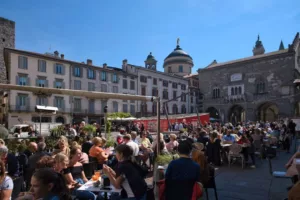
The first time I walked through Cartagena’s Old Town at sunset, I knew I’d misjudged it. I expected a pretty Caribbean city. What I got was 500-year-old walls glowing gold, salsa pouring from balconies, and $3 mango biche from a street cart that tasted better than any five-star dessert.
Cartagena is one of those places that’s equal parts romantic, chaotic, and sweaty — especially now in late spring when the humidity ramps up and summer travelers start booking beach escapes. If you’re planning a trip for June, July, or August 2026, this guide will help you avoid the tourist traps and experience the best of the beaches, Old Town, and island hopping.
Key Takeaways
- Old Town boutique hotels average $180–350 per night in high season (June–August).
- A day trip to the Rosario Islands costs $25–120 depending on speedboat vs. luxury club.
- Cartagena airport is just 15 minutes ($8–12 Uber) from the walled city.
- Best weather: December–April; hottest and most humid: May–September.
- Playa Blanca is beautiful but crowded — go early or choose Isla Grande instead.
Why Cartagena Is Perfect for a 3–4 Day Trip
Cartagena works beautifully as a long weekend. You can explore the Old Town in a day, hit the beach the next, and spend one full day island hopping.
It’s also incredibly accessible. Rafael Núñez International Airport (CTG) is only 15 minutes from the historic center. An Uber costs around 35,000–45,000 COP ($8–12 USD), and you’ll be sipping a limonada de coco by check-in.
With shifting airline routes after recent industry shakeups (we’ve seen major changes since the budget airline collapse affecting cheap fares), Cartagena remains surprisingly competitive for flights from the U.S., especially from Miami, Fort Lauderdale, and NYC.
Exploring Cartagena’s Old Town (Ciudad Amurallada)
This is where you’ll spend most of your time — and where you should stay.
The walled city is compact. You can walk from one end to the other in 20 minutes. But you’ll want hours to wander the pastel streets, flower-draped balconies, and hidden courtyards.
Don’t Miss:
- Sunset at Café del Mar – Yes, it’s touristy. Yes, cocktails are $12–15. But the view over the sea from the city walls is worth it.
- Getsemaní neighborhood – Street art, cheaper bars, and better nightlife than the polished Old Town.
- Castillo San Felipe de Barajas – Entry ~35,000 COP ($9). Go at 8 a.m. before the heat becomes brutal.
- Plaza Santo Domingo at night – Lively but crowded. Good for people-watching, not for quiet dinners.
Skip the horse-drawn carriage unless you’re fully committed to the romance aesthetic. They’re expensive (around $60–80 for 30 minutes) and uncomfortable in the heat.
The Beaches: What’s Worth It (And What’s Not)
Here’s the truth: Cartagena’s city beaches are not why you come.
Bocagrande, the modern skyline area, has brownish water and aggressive vendors. It’s fine for a quick dip, but not postcard Caribbean.
If you want clear turquoise water, you need to leave the city.
Best Beach Options
Playa Blanca (Barú)
About 45 minutes by boat or 1 hour by car. The sand is white, the water is clear — and by 11 a.m., it’s packed.
If you go, book a beach club in advance ($40–70 day pass with food credit). Otherwise, expect constant sales pitches.
Rosario Islands (Islas del Rosario)
This is the move.
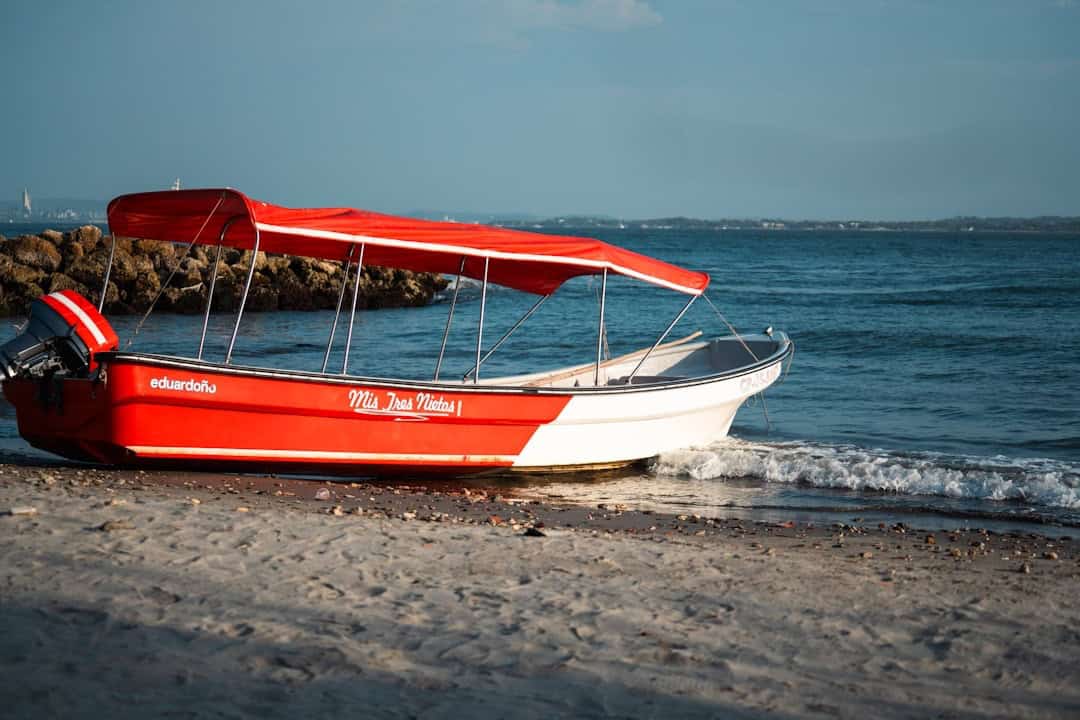
An archipelago about 1 hour by speedboat from Cartagena, with clearer water and fewer vendors. Day tours start at $25–40 for basic transport, but I recommend paying $80–120 for a reputable beach club like Isla Grande or Bora Bora for better facilities and lunch included.
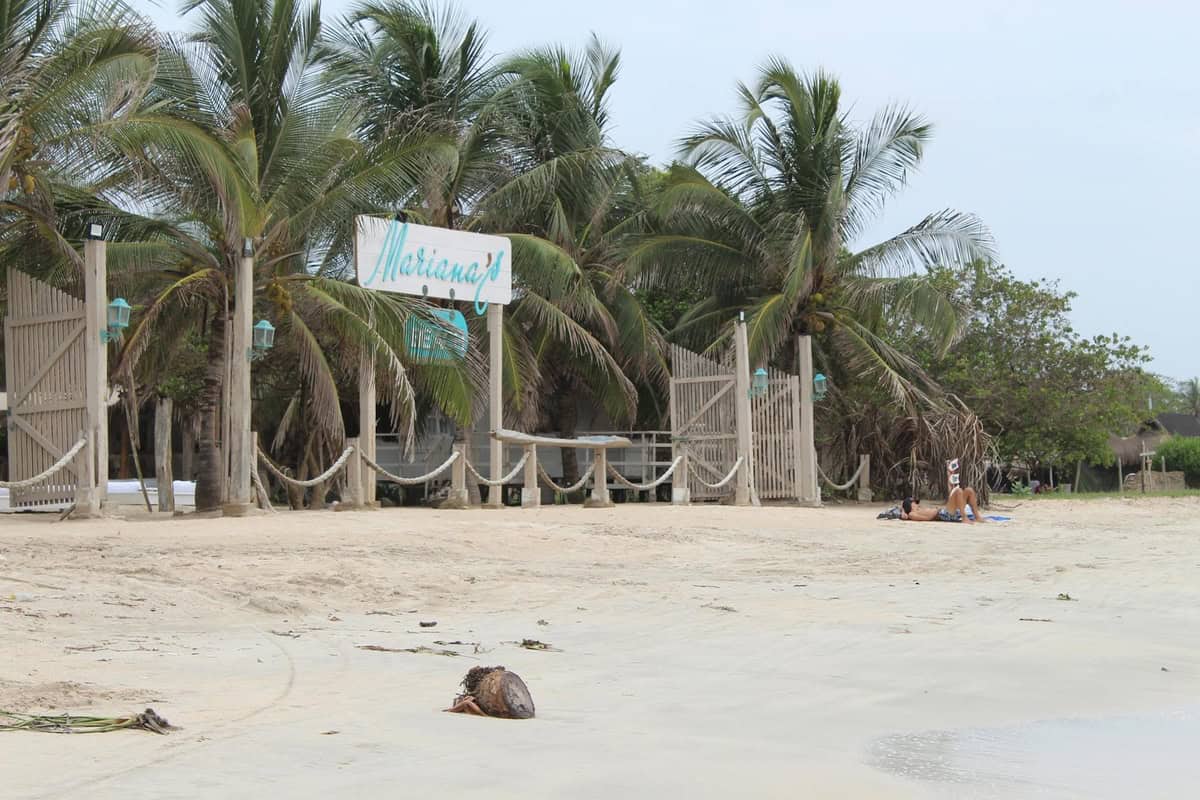
Want something calmer? Stay overnight on Isla Grande. Eco-lodges run $120–250 per night and give you golden-hour swims without day-tripper chaos.
Island Hopping: How to Choose the Right Tour
Not all island tours are created equal. Some are party boats with blaring reggaeton. Others are relaxed beach days.
When booking, check:
- Maximum group size (under 25 is ideal)
- Whether lunch is included
- How many islands you’ll actually stop at (3–4 is realistic)
- Return time (most get back around 3–4 p.m.)
Expect choppy water between May and September. If you’re prone to seasickness, take medication beforehand — the speedboats move fast.
Where to Eat in Cartagena
Cartagena’s food scene is underrated. It’s Afro-Caribbean, coastal, and bold.
If you love planning trips around food, like those heading to Europe’s summer culinary events (we recently covered the best food festivals in Europe for summer 2026), you’ll appreciate Cartagena’s seafood-heavy menus.
My Go-To Spots:
La Cevichería – Famous for a reason. Ceviche plates around $18–25. Go at lunch to avoid long waits.
Carmen Cartagena – Modern Colombian tasting menu. Around $60–80 per person. Worth it for a special night.
Di Silvio Trattoria (Getsemaní) – Casual pizza and pasta under $15. Great value.
Street fruit vendors – Fresh mango, pineapple, and watermelon cups for $2–3. Perfect mid-afternoon cooldown.
Skip restaurants with laminated menus and pushy hosts on Plaza Santo Domingo. If someone is aggressively waving you in, keep walking.
Where to Stay: Old Town vs. Getsemaní vs. Bocagrande
Old Town: Best for first-timers. Boutique hotels in restored mansions. Expect $180–350 per night in high season.
Getsemaní: Trendy, lively, slightly cheaper. Great nightlife. Boutique stays around $120–250.
Bocagrande: High-rise hotels, beach access, less charm. Better for longer stays or points redemptions.
If it’s your first visit, stay inside the walls. Waking up before day-trippers arrive is magical.
Practical Travel Tips (Especially for Summer 2026)
- Heat is real: May through September sees highs around 88–92°F (31–33°C) with high humidity.
- Hydrate constantly: Coconut water is everywhere for $1–2.
- Use Uber over taxis: Prices are clearer and generally cheaper.
- Carry small bills: Street vendors rarely have change for large notes.
- Book island tours 1–2 days ahead in high season: June and July sell out fast.
Wi-Fi is solid in most boutique hotels and cafés, but island connectivity is limited. Download offline Google Maps and boat confirmations before leaving the mainland.
When Is the Best Time to Visit Cartagena?
The sweet spot is December through April — dry season, slightly cooler, less rain.
Late spring and summer (May–August) bring higher humidity and occasional tropical showers. But you’ll also find better hotel deals and fewer European winter crowds.
July is festival season across Latin America, and Cartagena’s nightlife amps up accordingly. If you like energy and don’t mind heat, it’s a fun time to go.
Is Cartagena Worth It?
Absolutely — if you manage expectations.
Come for the history, the colors, the island escapes, and the food. Don’t come expecting untouched beaches in the city center.
Plan it right, book the better island tour, stay inside the walls, and Cartagena delivers one of the most atmospheric long weekends in the Americas.
If you’re mapping out your 2026 travels — beach breaks, cultural cities, or even alpine adventures like this 7-day Japan Alps itinerary — Cartagena deserves a spot on that shortlist.
Now’s the time to lock in summer flights and secure your island day passes before prices climb. Trust me — sunset over those golden walls is worth it.
If you’re booking your stay in Cartagena, browse hotels in Cartagena and secure the best options early for June, July, and August 2026.
Frequently Asked Questions
How much does a trip to Cartagena cost?
Mid-range travelers can expect $150–250 per day including hotel, food, and one island tour. Budget travelers can spend under $100 per day staying in guesthouses and choosing basic boat trips.
Is Cartagena safe for tourists?
Yes, especially in Old Town, Getsemaní, and tourist areas. Use normal precautions, avoid poorly lit streets late at night, and use Uber instead of street taxis.
Are the Rosario Islands worth it?
Yes — they offer clearer water and better beaches than Cartagena city. Choose a reputable beach club or stay overnight to avoid overcrowded party boats.
When is the best time to visit Cartagena?
December to April offers the best weather with lower humidity and minimal rain. May to September is hotter but often cheaper and less crowded.

About the Author: Tomáš Bzirský
Founder and editor of Distratech. Based in the Czech Republic, travelling regularly from Central Europe. Writes practical travel guides and travel-tech comparisons (eSIM, apps, airports) in six languages.