The first time I rode the Wide View Hida train from Nagoya into the Japanese Alps, I remember staring out the window thinking: why isn’t everyone talking about this region?
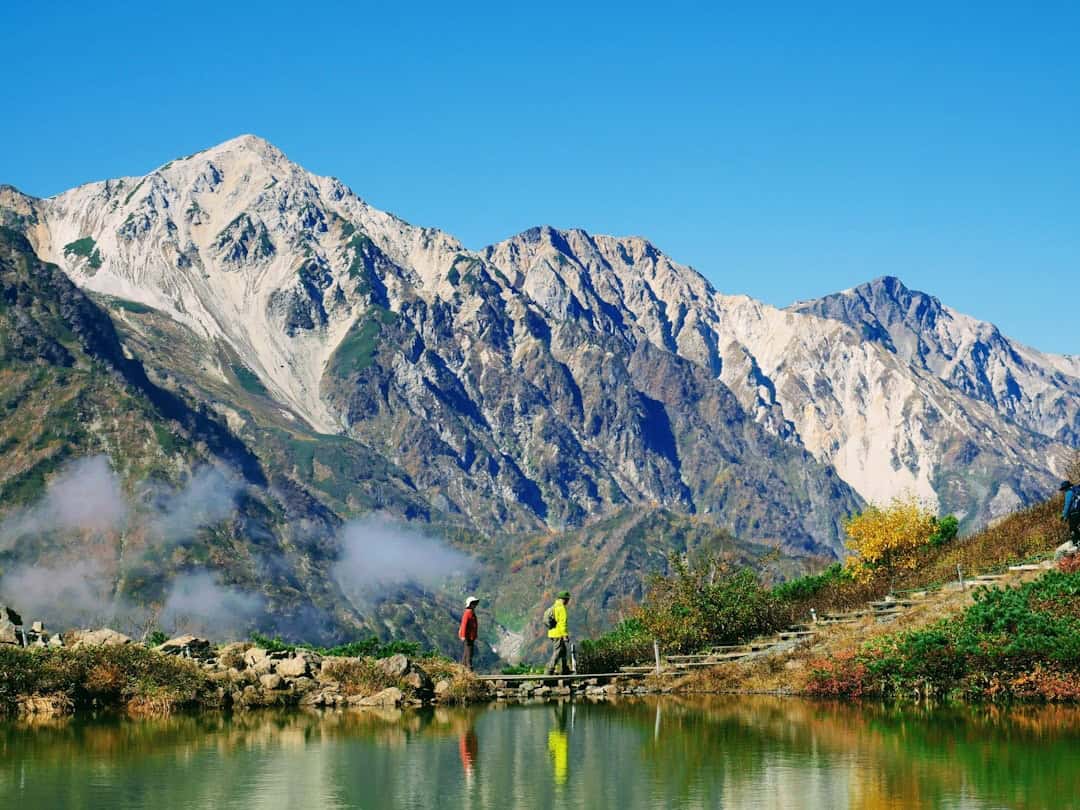
Snow-dusted peaks in late May. Rivers so clear they look Photoshopped. Tiny onsen towns where dinner costs ¥12,000 ($80) and includes eight courses of local mountain cuisine.
If you’re planning a Japan trip for summer 2026 and want something cooler (literally) and less chaotic than Kyoto in peak heat, this 7-day Japan Alps itinerary blends scenic trains, moderate alpine hikes, and hidden hot spring towns — with practical costs and timing tips.
Key Takeaways
- Best time: Late May–June and September for hiking; July–August for full alpine access but busier.
- Budget around ¥18,000–¥25,000 ($115–$160) per day including mid-range ryokan stays.
- Use the 5-Day JR Takayama-Hokuriku Pass (¥19,800) for major train segments.
- Kamikochi is car-free; access by bus from Matsumoto or Takayama (about ¥2,700 one-way).
- Book onsen ryokan 4–6 weeks ahead for summer weekends and festival dates.
Day 1: Nagoya to Takayama (Scenic Train + Old Town)
Start in Nagoya and board the Limited Express Wide View Hida to Takayama (2.5 hours, around ¥5,600 one-way).
Sit on the right side for the best river views. The train hugs emerald gorges and tunnels through the mountains — it’s one of Japan’s most underrated rail journeys.
Takayama’s old town (Sanmachi Suji) is compact and walkable. Yes, it’s touristy by midday — go after 5 pm when day-trippers leave.
Skip the generic souvenir shops and instead try Hida beef nigiri at a local butcher (¥600–¥800 per piece). It’s indulgent and absolutely worth it.
Day 2: Hida Folk Village + Onsen Night in Takayama
In the morning, walk or bus to Hida no Sato (¥700 entry), an open-air museum of traditional thatched-roof houses.
It sounds gimmicky. It’s not.
The alpine farmhouses framed by mountains give real context to how people survived brutal winters here.
In the afternoon, soak at your ryokan. A solid mid-range option costs ¥15,000–¥20,000 per person with kaiseki dinner and breakfast included.
If you’ve never done a Japanese onsen before, this is the place. It’s less intimidating than big-city bathhouses.
Day 3: Shirakawa-go Half Day → Continue to Kanazawa
Take the bus to Shirakawa-go (50 minutes, ¥2,600). Yes, it’s popular. Yes, it’s still worth it — if you arrive before 9 am.
Climb to the Ogimachi Castle observation deck for the postcard view of gassho-zukuri farmhouses.
By early afternoon, continue to Kanazawa (75 minutes by bus, around ¥2,000–¥3,000).
Kanazawa feels like a calmer Kyoto. Visit Kenrokuen Garden (¥320 entry) in late afternoon light — especially beautiful in late spring when fresh greenery is vibrant and crowds thinner than peak cherry blossom season.
Day 4: Kanazawa to Matsumoto (Castle + Mountain Views)
Take the train combination via Toyama to Matsumoto (about 3.5–4 hours total).
Matsumoto Castle is one of Japan’s most original surviving castles (¥700 entry). The black exterior against snowcapped peaks in May and early June is stunning.
Stay overnight here before heading deeper into the Alps. Hotels are cheaper than in Takayama — expect ¥8,000–¥14,000 for a modern business hotel.
Day 5: Kamikochi — The Crown Jewel of the Japan Alps
This is the reason you came.
Kamikochi is a protected alpine valley, open mid-April to mid-November. Private cars aren’t allowed, which keeps it blissfully quiet.
Take a bus from Matsumoto (about 1.5 hours, ¥2,700 one-way).
The classic hike runs from Kappa Bridge to Myojin Pond and back — about 6–8 km total, mostly flat. Give yourself 4–5 hours with photo stops.
In late spring (May–June), you’ll see lingering snow on the peaks and fewer tour groups than peak August. July and August bring full greenery but also heavier traffic and higher accommodation prices.
If you want something harder, hike toward Mount Yakedake. Just check weather conditions — alpine storms roll in fast.
Day 6: Okuhida Onsen Villages — Hidden Hot Springs
From Kamikochi, continue by bus toward Okuhida Onsen (around 1–1.5 hours depending on stop).
This cluster of five small hot spring villages is where the crowds disappear.
Book a traditional ryokan with rotenburo (outdoor bath). Expect ¥18,000–¥25,000 per person including a multi-course dinner featuring river fish, mountain vegetables, and Hida beef.
My advice? Choose a place with mixed-gender private baths you can reserve. More relaxing, especially if you’re new to onsen etiquette.
At night, it’s silent except for the river.
Day 7: Shinhotaka Ropeway + Return to Nagoya or Tokyo
Before leaving, ride the Shinhotaka Ropeway (round-trip about ¥3,300).
It’s Japan’s only double-decker gondola and climbs above 2,000 meters. On a clear late-spring morning, you’ll get panoramic views across the Northern Alps.
From here, bus back to Takayama and train onward to Nagoya (2.5 hours) or connect toward Tokyo.
If you’re flying long-haul, remember airfare volatility has been real since several low-cost carriers reshuffled routes — we saw similar shifts after major airline changes in North America (budget airline disruptions reshaped pricing trends). Book Japan flights earlier for summer 2026.
Practical Tips for the Japan Alps
- Cash is still useful: Smaller ryokan and buses may prefer cash.
- Pack layers: Even in June, mornings in Kamikochi can dip below 10°C (50°F).
- Reserve buses in peak season: Especially Takayama–Shirakawa-go routes.
- Download offline maps: Signal drops in mountain valleys.
- Travel insurance is essential: Alpine weather changes quickly.
If you’re renting a car for flexibility, Apple CarPlay support for AI navigation apps has become far more useful for rural routes — something we recently covered in our breakdown of CarPlay’s new AI chatbot integrations. It’s surprisingly helpful when signage switches between kanji and English.
Estimated 7-Day Budget (Mid-Range)
Here’s what most travelers spend:
Accommodation: ¥90,000–¥130,000 total
Transport (regional): ¥25,000–¥35,000
Food (outside ryokan meals): ¥20,000–¥30,000
Activities & entry fees: ¥5,000–¥10,000
Total: roughly ¥140,000–¥200,000 ($900–$1,300), excluding international flights.
It’s not backpacker-cheap. But for the quality of food, scenery, and accommodation, it’s strong value compared to major European alpine destinations.
When Is the Best Time to Visit the Japan Alps?
Late May–June: Snow-capped peaks, fewer crowds, cool hiking weather.
July–August: Full alpine access and festival season, but higher prices and more domestic tourists.
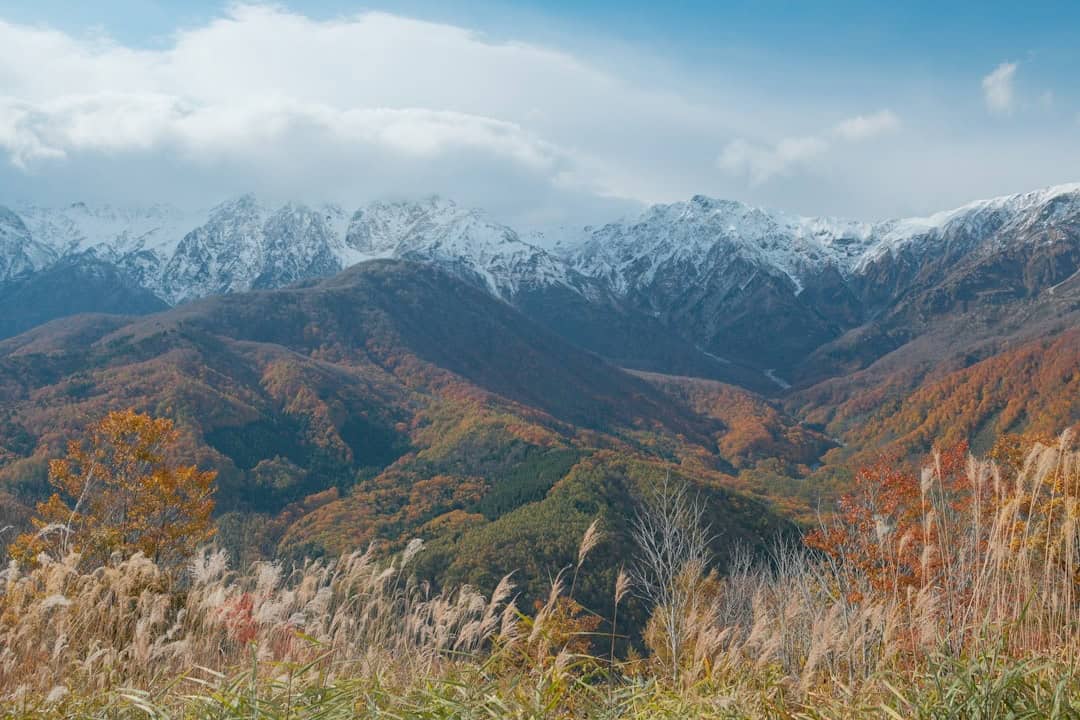
September–October: Crisp air and spectacular fall foliage — arguably the most photogenic period.
Avoid mid-winter unless you’re specifically going for snow sports; many high routes close.
Why the Japan Alps Are Worth a Full Week
Most travelers rush through this region in two or three days between Tokyo and Kyoto.
That’s a mistake.
Slow travel works here. Long train rides. Mountain air. Multi-course dinners where nobody is checking their phone.
If your 2026 Japan trip needs balance — culture, nature, and real quiet — this is the itinerary I recommend without hesitation.
Planning your route now? Save this guide, map it out, and start booking your ryokan before summer weekends disappear.
For a great base in Japan’s Alps, browse hotels in Takayama and book early for summer dates when onsen town stays fill up fast.
Frequently Asked Questions
How much does a 7-day Japan Alps trip cost?
Most mid-range travelers spend ¥140,000–¥200,000 ($900–$1,300) excluding flights. This includes ryokan stays with meals, regional transport, and entry fees.
When is the best time to visit the Japan Alps?
Late May to June and September to October offer the best balance of weather and crowd levels. July and August are great for full hiking access but busier and more expensive.
Is Kamikochi worth visiting?
Absolutely. It’s one of Japan’s most scenic alpine valleys, with accessible 6–8 km hikes and dramatic mountain views. Go early in the day to avoid tour bus crowds.
Do I need a car for the Japan Alps?
No, you can do this itinerary entirely by train and bus. A car adds flexibility for remote onsen villages but isn’t necessary.

About the Author: Tomáš Bzirský
Founder and editor of Distratech. Based in the Czech Republic, travelling regularly from Central Europe. Writes practical travel guides and travel-tech comparisons (eSIM, apps, airports) in six languages.