
After months of road testing, Waymo has officially started carrying non-employee passengers in its newest autonomous vehicle: the Ojai, a redesigned electric minivan built for robotaxi duty. This isn’t just another Silicon Valley experiment. If you’re planning summer travel in cities where Waymo operates, this could change how you get from the airport to your hotel — no driver, no tipping, no awkward small talk.
Key Takeaways
- Waymo has begun passenger rides in its new Ojai robotaxi after extended testing.
- The Ojai is an all-electric minivan designed specifically for autonomous ride-hailing.
- Rides are booked through the Waymo app in select U.S. cities.
- The spacious cabin and flat floor make it more luggage-friendly than previous models.
- Autonomous airport transfers are becoming a realistic option for summer 2026 travel.
What Is the Ojai — and Why Should Travelers Care?
The Ojai is Waymo’s newest autonomous vehicle platform, built on an electric minivan architecture rather than a compact SUV. Think: sliding doors, wide entry, roomy interior, and space for multiple suitcases.
For travelers, that’s the difference between squeezing your carry-on into a tight trunk and comfortably loading beach gear, festival luggage, or even snorkel fins for your next island getaway (like those we highlight in our guide to the best snorkeling destinations in the world).
This vehicle was designed from day one for self-driving service — not retrofitted. That matters. It means better sensor placement, smoother ride tuning, and a cabin layout optimized for passengers rather than drivers.
Where You Can Ride the Ojai (Right Now)
As of May 2026, Waymo is rolling out passenger rides in select U.S. cities where it already operates commercial autonomous services. Expect limited availability at first, expanding gradually through the summer.
Historically, Waymo has focused on cities like Phoenix and parts of California. For travelers, this is most relevant if you’re flying into major metro areas for:
- Summer festivals and concerts
- Business travel and conferences
- West Coast road trips
- Digital nomad stays in tech hubs
If your summer 2026 itinerary includes a U.S. city where Waymo operates, it’s worth checking the app before you default to Uber or Lyft.
What the Ojai Is Like Inside
The biggest upgrade? Space.
Unlike earlier compact autonomous vehicles, the Ojai uses a minivan-style layout. That means:
- Flat floor for easy luggage loading
- Wide sliding doors (huge at airport curbs)
- More legroom for tall travelers
- Better seating comfort for 20–40 minute rides
- Fully electric, zero tailpipe emissions
If you’ve ever tried to haul two checked bags and a carry-on into a small EV rideshare, you’ll appreciate this immediately.
It also feels less “experimental pod” and more like a modern airport shuttle — but private and quiet.
How Booking Works
You request a ride through the Waymo app, just like a traditional rideshare. The difference? There’s no driver.
Once the Ojai arrives, the app unlocks the doors. Inside, screens guide you through the trip. You can see the mapped route, arrival time, and vehicle status in real time.
For travelers who already rely on eSIMs, mobile boarding passes, and digital ID (like the Samsung Galaxy CLEAR passport feature we covered in our guide to using Samsung phones as a U.S. passport with CLEAR), this feels like the natural next step: a fully app-based ground transport experience.
Why This Is a Big Deal for Airport Transfers
Airport transfers are where robotaxis make the most sense.
Here’s why:
- Predictable routes: Airport-to-downtown corridors are mapped obsessively.
- High ride demand: Constant passenger flow justifies fleet deployment.
- No tipping confusion: International travelers love this.
- Transparent pricing: No surge-driver negotiation vibe.
For summer 2026 — peak travel season — that reliability matters. With airports already projecting heavy traffic, autonomous fleets could reduce wait times compared to human-driver shortages during busy weekends.
Safety: The Question Everyone Asks
Let’s be honest: most travelers don’t care about LiDAR specs. They care about one thing — is it safe?
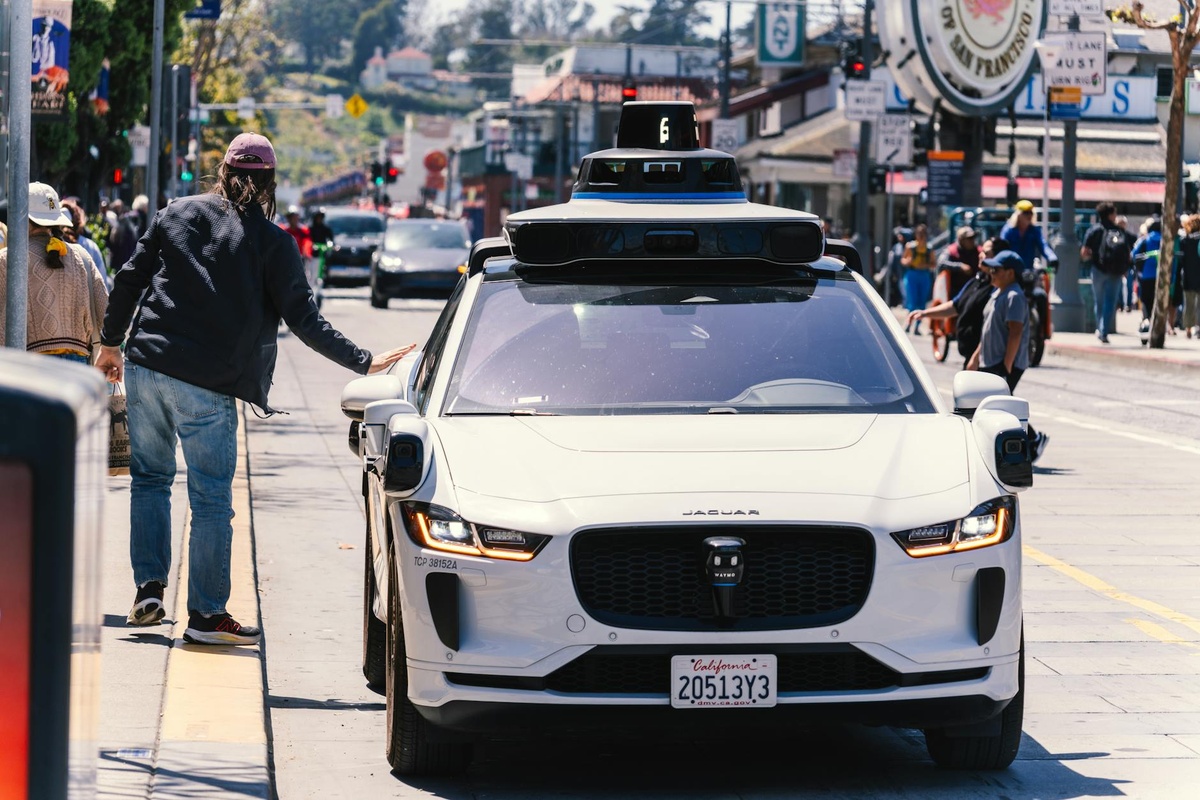
Waymo’s vehicles use multiple layers of sensors: cameras, radar, and LiDAR systems that continuously scan the environment. The Ojai platform was designed to integrate these sensors seamlessly into the body rather than bolting them on afterward.
For travelers, the practical benefit is consistency. There’s no distracted driver. No fatigue. No language barrier miscommunication. No last-minute route improvisation.
That said, autonomous service areas are still geo-fenced. You can’t take an Ojai anywhere you want — only within approved zones.
Is It Cheaper Than Uber or Lyft?
Pricing varies by city, but historically Waymo aims to be competitive with traditional rideshare — not dramatically cheaper.
The real value isn’t rock-bottom price. It’s:
- Predictable cost
- No tipping
- No surge-driver cancellations
- Clean, standardized vehicle experience
If you’re landing late at night after an international flight, that reliability may be worth more than saving $4.
What This Means for Summer 2026 Travel
Late spring is when travelers lock in summer plans. Beach destinations, music festivals, cross-country flights — it’s all ramping up.
Autonomous ride services are quietly becoming part of the planning equation.
Imagine flying into California before heading off to explore hidden coastal spots or connecting to a bigger trip — whether that’s Kyoto’s summer festival season (see our Kyoto summer 2026 guide) or a Caribbean island before peak hurricane season (these lesser-known islands are worth a look).
Seamless airport transfers are the first domino in a stress-free trip. Robotaxis are positioning themselves as that first touchpoint.
Who Should Try the Ojai?
Not everyone will jump into a driverless car on day one. But these travelers should seriously consider it:
- Tech-savvy frequent flyers
- Solo travelers who value predictability
- Digital nomads in long-term metro stays
- Business travelers on tight schedules
- Travelers who dislike tipping norms
If you’re nervous about autonomy, try a short daytime ride before committing to an airport run.

The Limitations (For Now)
Let’s stay realistic.
The Ojai rollout is gradual. Availability may be limited. Weather conditions, construction zones, and city regulations can affect service areas.
You also won’t get hyperlocal insider tips from a chatty driver. For some travelers, that’s a loss.
And if you’re heading somewhere off-grid — say remote snorkeling beaches or mountain towns — traditional transport is still your only option.
My Take: This Is the Future of Urban Travel
The Ojai isn’t flashy. It’s practical.
That’s exactly why it matters.
Travel tech that wins isn’t the loudest — it’s the tech that quietly removes friction. Autonomous minivans that show up on time, fit your luggage, and don’t expect a tip? That’s friction removal.
By the end of 2026, don’t be surprised if booking a driverless airport ride feels as normal as using a mobile boarding pass.
And if you’re traveling in a Waymo city this summer, the Ojai might be the first sign that urban transport has permanently changed.
Frequently Asked Questions
What is the Waymo Ojai robotaxi?
The Ojai is Waymo’s new all-electric autonomous minivan designed specifically for driverless ride-hailing service. It offers more space and improved passenger comfort compared to earlier models.
Where can I ride the Waymo Ojai?
Passenger rides are launching in select U.S. cities where Waymo already operates commercial services. Availability depends on city rollout zones and app access.
How do you book a Waymo robotaxi?
You book through the Waymo mobile app. Once matched, the vehicle arrives driverless, and you unlock it via the app to begin your trip.
Is the Waymo Ojai safe?
The Ojai uses a combination of cameras, radar, and LiDAR sensors for 360-degree awareness. It operates within mapped service areas designed for autonomous navigation.
Is Waymo cheaper than Uber or Lyft?
Pricing is typically competitive with traditional rideshare services. While not always cheaper, Waymo offers predictable fares with no tipping required.

About the Author: Tomáš Bzirský
Founder and editor of Distratech. Based in the Czech Republic, travelling regularly from Central Europe. Writes practical travel guides and travel-tech comparisons (eSIM, apps, airports) in six languages.