Europe looks small on Google Maps until you hit August fuel prices, toll booths, mountain passes, and a charger that wants you to download its app in a petrol station parking lot. I priced three classic first-timer border routes for August 2026 — France to Spain, Italy to Austria, and Germany to Czechia — with petrol, diesel, hybrid, and EV costs side by side.
Key Takeaways
- August 2026 petrol ranges from about €1.46–€2.02/L ($1.59–$2.20), with Italy and France the priciest on these routes.
- Venice→Innsbruck is the most expensive drive here because of Italian fuel, A22 tolls, the Brenner toll, and Austria’s vignette.
- EVs are cheapest when using hotel AC charging at €0.29–€0.45/kWh, but public DC fast charging can hit €0.69–€0.89/kWh.
- For August road trips, book chargers and hotels early; for the Mediterranean, September is usually the smarter “summer.”
1. The August 2026 Fuel Reality: Europe Is Not One Price Zone
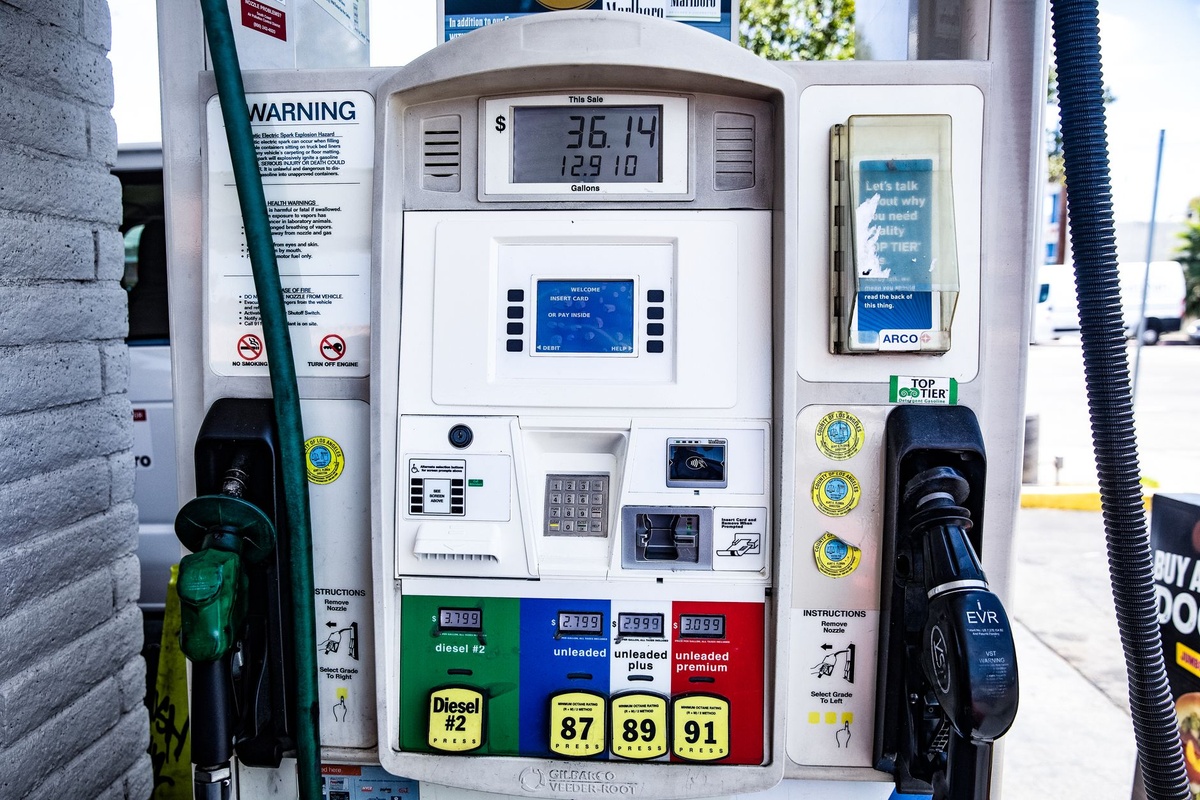
First rule: don’t assume fuel is cheaper after every border. In August 2026, Italy and France are still painful, Spain and Czechia are noticeably easier, and Austria often beats Italy by €0.25–€0.40 per liter.
I used a practical first-timer benchmark: a compact petrol car at 6.2 L/100 km, a diesel at 5.2 L/100 km, a regular hybrid at 4.6 L/100 km, and an EV at 18 kWh/100 km. USD estimates use €1 ≈ $1.09 and 25 CZK ≈ €1.
| Country | Petrol 95 / E10 | Diesel | Public DC EV charging | What to do |
|---|---|---|---|---|
| France | €1.78–€1.94/L ($1.94–$2.11) | €1.64–€1.82/L ($1.79–$1.98) | €0.49–€0.79/kWh | Use supermarket fuel, avoid motorway-only fill-ups |
| Spain | €1.55–€1.72/L ($1.69–$1.87) | €1.45–€1.62/L ($1.58–$1.77) | €0.39–€0.69/kWh | Fill after crossing from France |
| Italy | €1.82–€2.02/L ($1.98–$2.20) | €1.70–€1.90/L ($1.85–$2.07) | €0.55–€0.89/kWh | Do not fill near Venice airport unless desperate |
| Austria | €1.52–€1.68/L ($1.66–$1.83) | €1.48–€1.64/L ($1.61–$1.79) | €0.45–€0.75/kWh | Fuel up after Brenner if heading north |
| Germany | €1.75–€1.95/L ($1.91–$2.13) | €1.62–€1.82/L ($1.77–$1.98) | €0.49–€0.79/kWh | Use apps; avoid Autobahn stations |
| Czechia | CZK 36–40/L, €1.44–€1.60 ($1.57–$1.74) | CZK 35–39/L, €1.40–€1.56 ($1.53–$1.70) | CZK 10–16/kWh, €0.40–€0.64 | Fill in Czechia, not Germany |
For planning, bookmark ViaMichelin for toll estimates, A Better Routeplanner for EV routing, Chargeprice for charging tariffs, and ASFINAG for Austrian vignettes. If your trip starts with a flight, check our guide to avoiding expensive Europe flight-booking mistakes before you lock in a car rental.
2. France→Spain: Bordeaux to San Sebastián Is the Best First Border Drive
Route: Bordeaux → Bayonne → Biarritz → San Sebastián. Distance: about 235 km / 146 miles. Drive time: 2 hr 25 min without beach traffic, 3 hr 15 min on an August Saturday.
This is the friendliest France-to-Spain starter route because it avoids the hotter, slower Mediterranean side. In August 2026, southern Europe is regularly touching 40°C+, while the Atlantic coast is more forgiving and still excellent for a late swim.
| Vehicle type | Energy use | Estimated cost | Better strategy |
|---|---|---|---|
| Petrol compact | 14.6 L | €25–€28 ($27–$31) | Buy just enough in France, refill in Spain |
| Diesel compact | 12.2 L | €20–€22 ($22–$24) | Diesel remains strong for this route |
| Hybrid | 10.8 L | €18–€21 ($20–$23) | Best rental choice if EV chargers worry you |
| EV | 42 kWh | €18–€33 ($20–$36) | Charge overnight, not at peak motorway rates |
Tolls are the sneaky add-on. Expect roughly €12–€18 ($13–$20) in French motorway tolls depending on exits, plus about €3–€7 ($3–$8) if you continue deeper on Spanish toll sections near the Basque coast.
Skip filling at a French autoroute “aire” unless your tank light is on. Do a partial stop at Carrefour Anglet or E.Leclerc Bayonne; supermarket stations are commonly open 24/7 for card pumps, while staffed desks often run around 08:30–20:00.
For food, skip overpriced Biarritz seafront burgers. Do Bodega Donostiarra in San Sebastián instead, usually open around 09:30–23:30; order the tortilla, gildas, and a zurito beer for about €13–€18 ($14–$20) per person.
Hotel pick: OKKO Hotels Bayonne Centre often prices around €135–€210 ($147–$229) in August, while San Sebastián jumps to €190–€330 ($207–$360). If you are driving onward, sleeping in Bayonne and arriving in San Sebastián early saves real money.
3. Italy→Austria: Venice to Innsbruck Is Gorgeous, but the Brenner Adds Up
Route: Venice Mestre → Verona → Bolzano → Brenner Pass → Innsbruck. Distance: about 388 km / 241 miles. Drive time: 4 hr 15 min on a clean run, 5 hr 30 min during August holiday traffic.
This route is stunning: vineyards, Dolomite views, and a proper alpine border crossing. It is also the most expensive route in this article because Italy hits you with high fuel, autostrada tolls, and the Brenner toll before Austria asks for a vignette.
| Cost item | August 2026 estimate | Note |
|---|---|---|
| Italian autostrada tolls | €29–€36 ($32–$39) | Venice/Verona to Brenner corridor |
| Brenner motorway toll | €11–€12 ($12–$13) | Paid separately from normal tolls |
| Austria digital vignette | €9–€10 one-day / €12–€13 ten-day | Buy at asfinag.at |
| Petrol fuel cost | €44–€49 ($48–$53) | Assumes 24 L at mostly Italian prices |
| EV fast charging | €38–€62 ($41–$68) | 70 kWh at mixed DC rates |
Here’s my opinionated advice: skip the full tank in Venice. Put in enough to comfortably reach Austria, then refill near Innsbruck where petrol can be €0.25–€0.40/L cheaper than northern Italy.
For EVs, check IONITY, Enel X Way, Tesla Superchargers, and Smatrics before leaving Venice. DC charging on this corridor often runs €0.55–€0.89/kWh, while hotel AC charging can be €0.29–€0.45/kWh if the property offers it.
Good stop: Autogrill Laimburg Est near Bolzano for bathrooms and espresso; many Autogrill locations run 24/7 for fuel and core services, with full food counters typically strongest from 06:00–22:00. Coffee is about €1.50–€2.20, versus €4–€6 for a sad motorway sandwich.
In Innsbruck, skip the tourist-trap schnitzel right by the Golden Roof. Book Stiftskeller Innsbruck, usually open 11:00–24:00, where a beer and Tiroler gröstl lands around €20–€27 ($22–$29).
Hotel pick: Hotel Sailer near Innsbruck station is practical for drivers and usually runs €150–€240 ($164–$262) in August. If rates spike because of alpine summer weekends, Hotel Nala is more stylish but often €190–€290 ($207–$316).
4. Germany→Czechia: Berlin to Prague Is the Cheapest Classic Crossing
Route: Berlin → Dresden → Ústí nad Labem → Prague. Distance: about 350 km / 217 miles. Drive time: 3 hr 50 min to 4 hr 30 min depending on Dresden traffic.
This is the best budget route for first-timers because Germany has no passenger-car Autobahn tolls and Czech fuel is cheaper. The only mandatory road charge is the Czech e-vignette if you use motorways.
| Option | Cost | Time | Verdict |
|---|---|---|---|
| Petrol car | €38–€45 fuel + €8–€12 vignette | 4 hr | Good for 2–4 people |
| Diesel car | €30–€37 fuel + €8–€12 vignette | 4 hr | Cheapest combustion option |
| EV | €31–€50 charging + €8–€12 vignette | 4 hr 15 min with one stop | Great if your hotel has charging |
| Train | €19–€59 per person | 4 hr 20 min | Better for solo travelers |
Buy the Czech vignette only from the official site, edalnice.cz. Third-party sites often add service fees for something that takes three minutes with your license plate and a card.
For fuel, skip Autobahn stations between Berlin and Dresden unless you like donating €8–€12 per tank. Fill at a German town station before the border or, better, cross into Czechia and use Benzina/Orlen or MOL, where petrol commonly sits around CZK 36–40/L (€1.44–€1.60).
In Prague, don’t drive into Old Town unless your hotel has reserved parking. Park-and-ride lots such as P+R Černý Most or P+R Letňany are usually open around 04:00–01:00 and cost roughly CZK 50–100 (€2–€4) per day, while central hotel parking can hit €25–€40 ($27–$44) nightly.
Food pick: skip the medieval dinner shows. Go to Lokál Dlouhááá, usually open 11:00–24:00, for tank beer and svíčková; expect CZK 350–550 (€14–€22 / $15–$24) per person.
5. EV vs Hybrid vs Petrol: The First-Timer Verdict
If you are renting in August 2026 and crossing borders, a hybrid is the least stressful sweet spot. It avoids charger anxiety, beats petrol costs, and usually costs only €5–€15 ($5–$16) more per rental day than a basic compact.
An EV wins when you control overnight charging. It loses when you rely only on ad-hoc DC chargers at motorway prices, especially in Italy or during peak August weekends when families are driving to the Alps, the coast, or festivals like Edinburgh Fringe and Burning Man departures via European airports.
| Best for | Pick this | Why | Skip this |
|---|---|---|---|
| Lowest stress | Hybrid | Cheap fuel use, no charging apps | Large petrol SUV |
| Lowest cost with planning | EV + hotel charger | AC charging can be under €0.45/kWh | Pay-as-you-go DC only |
| Long mountain route | Diesel or hybrid | Efficient at steady speeds | Underpowered city car |
| Solo Berlin→Prague | Train | €19–€59, no parking hassle | One-person rental car |
Download offline maps before border areas; the Brenner and Basque hills can expose weak roaming. For data, I’d use a regional Europe eSIM from Airalo rather than juggling local SIM shops; expect around $5–$20 depending on data size and duration.
6. First-Timer Rules That Save Money Fast
Fuel costs are only half the battle. The real savings come from when and where you fill, how you pay tolls, and whether you avoid the wrong city parking zone.
- Never return a rental half-full: rental refueling fees can be €2.50–€4.00/L, far worse than any motorway station.
- Use supermarket stations: Carrefour, E.Leclerc, Repsol, Coop, and Kaufland often beat motorway prices by €0.10–€0.25/L.
- Check Sunday hours: many staffed rural stations close early, but card pumps and motorway stations are commonly 24/7.
- Buy vignettes officially: use asfinag.at for Austria and edalnice.cz for Czechia.
- Book hotels with parking filters: Booking.com and Hotels.com both let you filter for parking and EV charging, but always message the hotel to confirm price and height limits.
If your route begins in France and you are still sorting paperwork, this practical 2026 Schengen visa process for France is worth reading before you build a multi-country itinerary. Border-free Schengen driving feels easy, but rental agreements and visa dates still matter.
7. August Timing: Drive Early, or Wait for September
August is high season, with French holiday traffic, Italian autostrada queues, and Spanish beach roads filling by late morning. If you must drive this month, leave by 07:00 and plan your longest charging or fuel stop before lunch.
For night-sky travelers, the Perseids peak around 12–13 August, and rural Basque hills or the Austrian Alps can be brilliant if wildfire smoke and cloud cover behave. Just don’t park illegally on mountain shoulders for photos; fines can be nastier than fuel prices.
My contrarian take: September is the real summer for Mediterranean road trips. France-to-Spain and Italy-to-Austria routes are calmer, hotel prices soften by 10–25%, sea temperatures stay warm, and you are less likely to cook in 40°C heat while searching for a charger.
Bottom Line: Which Route Costs Least?
For first-timers, Germany→Czechia is the best-value crossing, France→Spain is the easiest scenic drive, and Italy→Austria is the one where you need to budget carefully. The Brenner route is worth it, but only if you factor in tolls before celebrating a “cheap” rental rate.
If you want the simplest rule: fill in Spain, Austria, and Czechia; avoid full tanks in France, Italy, and German Autobahn stations; choose a hybrid unless your hotels guarantee EV charging. Save this guide, price your route on ViaMichelin and ABRP, and build your August or September road trip with the real costs visible before you turn the key.
Frequently Asked Questions
How much does petrol cost in Europe in August 2026?
On these routes, petrol ranges from about €1.44–€2.02/L ($1.57–$2.20). Italy and France are the most expensive, while Czechia, Austria, and Spain are usually cheaper.
Is it cheaper to drive an EV or petrol car across Europe?
An EV is cheaper if you use hotel AC charging at roughly €0.29–€0.45/kWh. If you rely on public DC fast chargers at €0.69–€0.89/kWh, a hybrid can be similar or cheaper on short cross-border routes.
Do I need a vignette for Austria and Czechia?
Yes, if you use motorways. Austria’s one-day digital vignette is about €9–€10 in 2026, while the Czech short-term e-vignette is about CZK 210–290 (€8–€12), depending on duration.
Which Europe road trip route is cheapest for first-timers?
Berlin to Prague is the cheapest of these three because Germany has no normal passenger-car motorway tolls and Czech fuel is cheaper. Expect roughly €46–€57 total for petrol fuel plus vignette in a compact car.

About the Author: Tomáš Bzirský
Founder and editor of Distratech. Based in the Czech Republic, travelling regularly from Central Europe. Writes practical travel guides and travel-tech comparisons (eSIM, apps, airports) in six languages.