Update for October 18, 2026: September 2026 has now passed, so the prices below should be treated as planning benchmarks rather than live offers. The destination advice remains useful for comparing shoulder-season conditions and planning a similar trip next September.
September delivered the classic shoulder-season trade-off: warm weather and fewer families after school resumed, but not universally low prices. Mediterranean rates generally softened later in the month, while major festivals, public holidays and weekend demand still created short-term spikes.
The most important lesson was to look beyond the “September is cheaper” headline. Crete remained warm enough for swimming, Lisbon stayed busy on popular weekends, Japan’s Silver Week affected domestic travel, and Mexico’s Independence Day celebrations increased demand around September 15 and 16.
Key Takeaways
- Mediterranean beach destinations generally offered better value after September 10, although discounts varied by island, neighborhood and day of the week.
- Japan’s September 19–23 Silver Week holiday period brought heavier domestic demand, making the dates immediately before or after it more attractive.
- Mexico City, Oaxaca and Medellín offered lower-season pricing, but travelers needed flexible plans for afternoon rain.
- For a comparable September trip, start tracking international flights three to six months ahead and prioritize refundable hotel rates.
🇪🇺 Europe: Crete, Greece (Instead of Santorini)
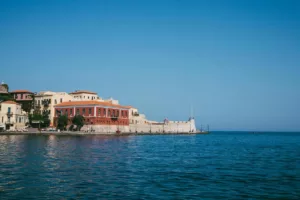
Santorini still commands a substantial premium in late summer. Crete offers more room to spread out, a wider selection of hotels and beaches, and better value away from the island’s most photographed areas.
September daytime highs in northern Crete typically range from about 77–84°F (25–29°C), with warmer conditions early in the month. Sea temperatures are usually around 75–79°F (24–26°C), making September one of the best periods for swimming. In Chania and Rethymno, well-reviewed independent hotels commonly used planning ranges of roughly €110–€190 per night, although beachfront resorts and weekend stays could cost considerably more.
Balos Lagoon and Elafonissi Beach remain popular well into September, so “shoulder season” does not mean empty. Visit early, avoid cruise-heavy days when possible and check road and boat conditions before leaving. Rental cars can provide good value for two or more travelers, but base rates may exclude full insurance, a second driver, fuel and airport fees.
Mountain villages such as Theriso, Vamos and Archanes provide a slower alternative to the coast. September also overlaps with the grape harvest in parts of Crete, although winery visits and harvest events should be reserved directly rather than assumed to be available as walk-ins.
Skip: Mykonos if the goal is a substantial discount. Beach clubs and high-end hotels can hold onto summer pricing until late September, even as some seasonal businesses begin reducing their hours.
🇪🇺 Europe Runner-Up: Lisbon, Portugal
Lisbon in September often feels more like an extension of summer than a quiet shoulder season. Typical afternoon temperatures sit around 75–82°F (24–28°C), but hotter days are possible and rain becomes more likely toward the end of the month.
Accommodation may be less expensive than during the busiest summer weeks, but Lisbon’s strong year-round demand means a 20% or 30% drop is not guaranteed. Central four-star hotels frequently fell into a broad €150–€230 planning range before taxes, with lower prices more likely on Sunday through Thursday nights. Travelers should also budget for Lisbon’s municipal tourist tax, which is charged separately by most accommodations.
Seafood remains a highlight, although the city’s traditional grilled-sardine season peaks around the June festivals rather than September. For reliable restaurant ideas, bookmark our guide to where to eat the best sardines and bacalhau in Lisbon and confirm current opening hours before crossing town.
September is harvest time in nearby wine regions, including Alentejo and the Setúbal Peninsula. A rental car offers flexibility, but organized day tours may be easier if tastings are part of the plan. Book winery appointments in advance because many estates do not accept unannounced visitors during harvest.
🇯🇵 Asia: Osaka & Kyoto, Japan
September in Osaka and Kyoto requires more weather flexibility than the original version of this guide suggested. Early and mid-month conditions can remain hot and humid, with daytime temperatures near or above 86°F (30°C). Late September may become more comfortable, but cool autumn weather is not guaranteed.
The major 2026 calendar complication was Silver Week. Respect for the Aged Day fell on September 21, September 22 became a public holiday between two national holidays, and the Autumnal Equinox fell on September 23. Combined with the preceding weekend, this created a five-day domestic travel period from September 19–23. Rail seats, popular hotels and attractions were more competitive during those dates.
Travelers seeking lower prices were better served by early September or the final week of the month, while recognizing that airfare depends heavily on origin and route. Business hotels in Osaka can still be good value, but room rates rise sharply on Saturdays, public holidays and dates with major concerts or conventions.
Osaka’s food scene remains a strong reason to visit. Takoyaki, okonomiyaki and kushikatsu are available across the city, often at better prices a few streets away from Dotonbori’s busiest strip. We mapped out practical options in our food lover’s guide to Osaka, which is particularly useful when comparing neighborhood restaurants with tourist-focused chains.
Kyoto’s temples are quieter early in the morning, but September is not the city’s peak foliage season; autumn color usually arrives much later, often in the second half of November. Visit Fushimi Inari around sunrise, reserve limited-express trains when traveling during holidays and consider staying in Osaka if central Kyoto hotel prices are high.
Watch for: September falls within Japan’s typhoon season. Monitor the Japan Meteorological Agency, avoid tight same-day rail and flight connections, and choose tickets and hotels with practical change terms.
🇲🇽 Americas: Mexico City & Oaxaca
September remains part of the rainy season in central and southern Mexico. Mornings are often suitable for sightseeing, while heavier showers and thunderstorms are more common later in the day. Full-day rain is possible, so outdoor plans should have an indoor backup.
Mexico City hotels may offer better value than during the winter high season, especially outside major event dates. Roma and Condesa boutique properties generally required a broader budget than the original sub-$120 estimate suggested; travelers comparing well-rated rooms should allow approximately $110–$190 per night before taxes, while checking Juárez, Centro Histórico and Escandón for alternatives.
Independence celebrations center on the evening of September 15, when the Grito is reenacted, followed by the national holiday on September 16. The Zócalo and surrounding streets can become extremely crowded, road closures are common and nearby hotel prices may rise. That makes the celebration memorable, but it is not necessarily the cheapest week to visit.
Oaxaca is compelling before Día de los Muertos demand builds for late October and early November. September brings green landscapes, fewer peak-festival crowds and frequent rain. Travelers should leave extra road time for trips to Hierve el Agua, Mitla or the surrounding mezcal-producing communities, particularly after storms.
🇨🇴 Americas Runner-Up: Medellín, Colombia
Medellín remains mild throughout the year, with typical daytime temperatures around 75–82°F (24–28°C). September, however, can mark the transition toward a wetter period, so the “City of Eternal Spring” nickname should not be interpreted as a promise of dry weather.
Airfares vary substantially by U.S. gateway, baggage allowance and connection length. Sub-$400 round trips can appear from well-served markets, but they should be treated as a sale rather than a standard fare. Well-reviewed hotels in El Poblado and Laureles generally used planning ranges of about $75–$150 per night, with lower rates available at simpler guesthouses.
For a practical route through the city and surrounding coffee country, follow our 5-day Medellín itinerary for culture, coffee farms, and Comuna 13. Schedule outdoor viewpoints and walking tours in the morning, keep a rain layer handy and use established transportation after dark.
Avoid: Choosing Cartagena solely because it appears discounted. September can bring intense humidity, heavy showers and reduced beach visibility. If the Caribbean coast is essential, book a refundable rate and check the short-range forecast.
How to Lock in the Best September 2026 Deals
The original booking window for September 2026 has closed, but these lessons apply when planning a comparable shoulder-season trip.
- Track international flights three to six months ahead. Eight to 12 weeks can work for some routes, but long-haul travelers generally benefit from starting earlier and using price alerts rather than relying on one universal booking date.
- Compare dates after major holidays. September 2026 included U.S. Labor Day on September 7, Mexico’s Independence Day on September 16 and Japan’s Silver Week from September 19–23. Moving a trip by even two or three days could change the price.
- Check local festivals and conventions. Shoulder-season averages can be misleading when a trade show, concert, harvest event or national holiday fills hotels.
- Use flexible cancellation. Refundable accommodation and sensible connection times are especially valuable during typhoon and rainy seasons. Read the deadline in the property’s local time and confirm whether taxes are refundable.
- Verify airport technology before departure. Carry-on travel can reduce baggage fees and delays, but digital identity availability depends on the airport, airline and device. Check current eligibility before relying on services such as Samsung’s digital passport with CLEAR at select U.S. airports.
Where I’d Personally Book for September 2026
Looking back at the month, the strongest choice in each region depended on the traveler’s priorities and exact dates.
- Europe: Western Crete after mid-month for warm water, regional food and a wider range of lodging than the Cyclades.
- Asia: Osaka in early September or after September 23, avoiding Silver Week while allowing flexibility for heat and typhoons.
- Americas: Oaxaca outside the September 15–16 holiday rush for food, crafts and cultural depth before Día de los Muertos demand.
September can provide better value, but the savings are rarely automatic. The best results come from traveling on weekdays, comparing several neighborhoods and avoiding short periods of concentrated holiday demand.
For a future September trip, build the itinerary around weather patterns and event calendars first. Then compare refundable rooms and airfare across multiple date combinations instead of assuming every post-summer departure will be discounted.
Conclusion: Shoulder Season Is the Smart Traveler’s Secret
September 2026 demonstrated why shoulder season is best understood as a strategy, not a guarantee. Crete offered warm seas after the summer peak, Osaka became more complicated during Silver Week, and Mexico combined lower-season opportunities with Independence Day crowds and rainy-season weather.
The strongest periods were destination-specific: mid-to-late September for much of the Mediterranean, dates outside September 19–23 in Japan, and non-holiday weekdays in Mexico. Travelers also needed to account for local taxes, reduced seasonal schedules and weather-related disruptions.
When planning the next comparable trip, start monitoring flights several months ahead, reserve refundable accommodation and check the public-holiday calendar before paying. Those steps matter more than any advertised shoulder-season percentage.
Frequently Asked Questions
Is September a good month to travel to Europe?
Yes, particularly for southern Europe. Crete and other Mediterranean destinations usually retain warm weather and swimmable seas, while family crowds ease after school resumes. Lisbon and major capitals can remain busy, so lower prices are not guaranteed.
How much cheaper is shoulder season in September?
There is no universal discount. Travelers may find hotels 10–30% below peak-summer rates in some beach destinations, but festivals, weekends and limited inventory can erase those savings. Compare the same room type and cancellation terms when measuring value.
Is September rainy in Asia and Latin America?
It can be. Japan remains exposed to typhoons, while Mexico City, Oaxaca and Medellín can experience frequent afternoon showers or thunderstorms. Morning sightseeing, refundable bookings and indoor backup plans reduce the risk of disruption.
When should I have booked September 2026 travel?
For international flights, tracking prices three to six months ahead was the safer approach, with eight to 12 weeks serving as a reasonable final comparison window on many routes. Hotels with free cancellation could be reserved earlier and rechecked if prices fell.

About the Author: Tomáš Bzirský
Founder and editor of Distratech. Based in the Czech Republic, travelling regularly from Central Europe. Writes practical travel guides and travel-tech comparisons (eSIM, apps, airports) in six languages.