I landed in Osaka with a loose plan and a very empty stomach. Within 20 minutes of dropping my bag in Namba, I was standing under the neon glow of Dotonbori, sauce dripping down my fingers from a boat of takoyaki that cost me ¥600 (about $4). That’s when I remembered why Osaka is called Japan’s Kitchen.
If Tokyo is refined and Kyoto is traditional, Osaka is loud, messy, and obsessed with food. And late spring—especially May into early June—is one of the best times to eat your way through the city. The weather hovers around 20–25°C (68–77°F), beer gardens reopen, and seasonal ingredients like fresh bamboo shoots and early summer eel start appearing on menus.
Key Takeaways
- Street food favorites like takoyaki and kushikatsu cost ¥500–¥1,500 ($3–$10).
- Dotonbori is iconic, but Shinsekai and Kuromon Market offer better value if you arrive before 11am.
- Many popular spots don’t take reservations—arrive before 6pm to avoid long waits.
- Late May to early June offers ideal weather and seasonal seafood at peak freshness.
1. Takoyaki (Octopus Balls) – Aizuya, Namba
You can’t visit Osaka without trying takoyaki. These golden, golf ball-sized bites are crisp outside, molten inside, and filled with diced octopus.
Head to Aizuya near Namba Station—often credited as the original inventor. A plate runs ¥600–¥800. Unlike the heavily sauced tourist versions, Aizuya keeps it simple, letting the savory batter and octopus shine.
2. Okonomiyaki – Mizuno, Dotonbori
Okonomiyaki is Osaka’s savory pancake layered with cabbage, pork, seafood, and sweet-savory sauce. Think comfort food cooked on a sizzling griddle right in front of you.
Mizuno, flipping pancakes since 1945, is a local institution. The yam-based batter gives it a fluffy texture. Expect a 30–45 minute wait at dinner. Budget ¥1,500–¥2,000 per person.
3. Kushikatsu – Daruma, Shinsekai
Kushikatsu—deep-fried skewers of meat, seafood, and vegetables—is pure Osaka indulgence.
At Daruma in retro Shinsekai, skewers start at ¥150 each. Remember the house rule: no double dipping in the communal sauce. Arrive before 5:30pm to beat the evening rush.
4. Kitsune Udon – Usami-tei Matsubaya
This comforting bowl of udon topped with sweet fried tofu originated in Osaka and remains a local staple.
Usami-tei Matsubaya, near Shinsaibashi, serves delicate broth and silky noodles for around ¥900. It’s an ideal light lunch between heavier street snacks.
5. Negiyaki – Yamamoto, Juso
Less famous than okonomiyaki, negiyaki swaps cabbage for heaps of green onions and uses soy sauce instead of sweet glaze.
Take the Hankyu Line to Juso (10 minutes from Umeda) and visit Yamamoto, the original shop. It’s hyper-local, unfussy, and absolutely worth the short train ride.
6. Butaman (Pork Buns) – 551 Horai
You’ll smell 551 Horai before you see it. The aroma of steaming pork buns fills stations and shopping arcades across Osaka.
Each bun costs about ¥210 and is packed with juicy pork and onions. Grab one to eat immediately and a boxed set for your train ride—locals do exactly that.
7. Fugu (Pufferfish) – Shinsekai Area
Yes, the potentially deadly fish—prepared safely by licensed chefs.
Osaka makes fugu surprisingly accessible. Expect to pay ¥5,000–¥8,000 for a set meal featuring sashimi and hot pot. Late spring marks the tail end of peak fugu season, meaning excellent flavor with fewer crowds.
8. Kuromon Market Street Eats – Kuromon Ichiba
Kuromon Market is often called “Osaka’s Kitchen.” It’s touristy, but if you arrive before 11am, you’ll beat most tour groups.
Sample grilled scallops, wagyu skewers (¥1,000–¥1,500), fresh tuna, and traditional sweets for just a few hundred yen. It’s perfect for a breakfast or brunch crawl.
9. Horumon (Offal BBQ) – Tsuruhashi
Tsuruhashi, Osaka’s Koreatown, is where you go for smoky, no-frills yakiniku.
Order horumon (beef intestines), grill it yourself, and pair it with cold beer. Dinner typically runs ¥3,000–¥4,000 per person with drinks. It’s loud, chaotic, and unforgettable.
10. Osaka-Style Sushi (Battera) – Yoshino Sushi
Osaka’s signature sushi isn’t flashy omakase—it’s battera, pressed mackerel sushi.
Yoshino Sushi near Honmachi serves a set for around ¥1,200. Tangy, compact, and satisfying, it’s perfect for a quick sit-down lunch.
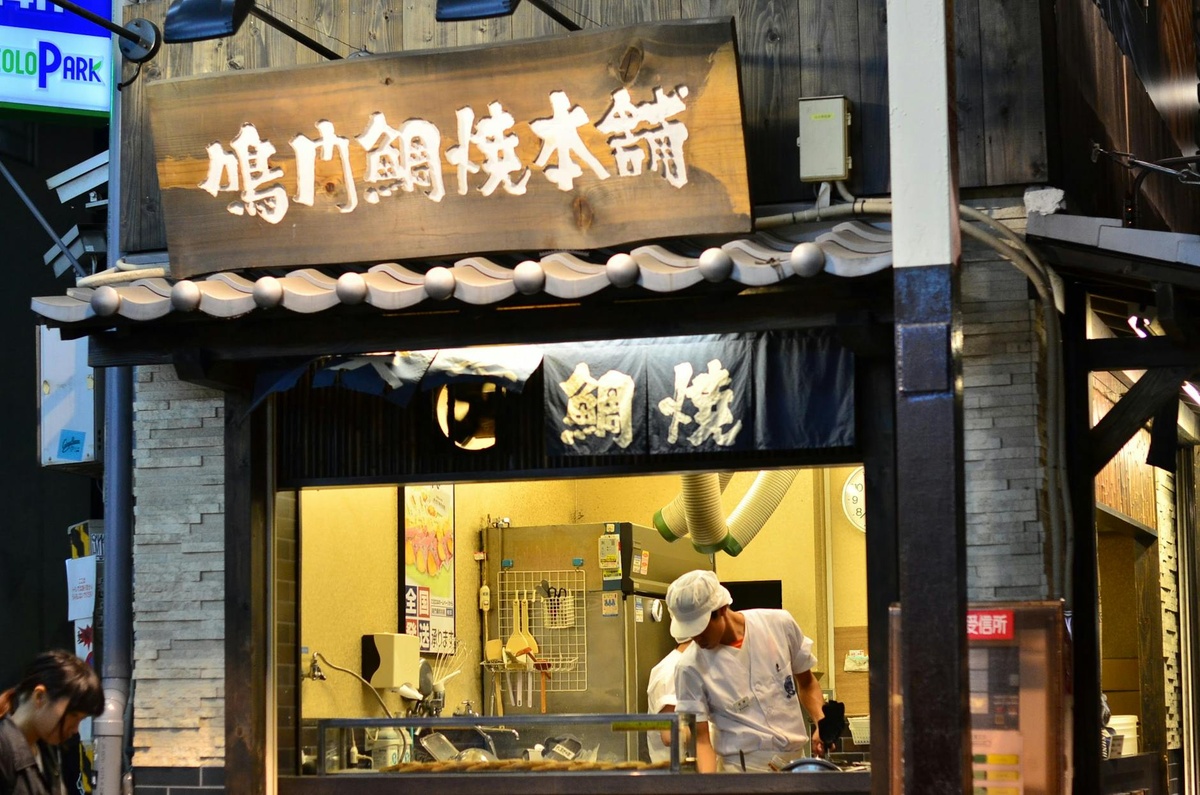
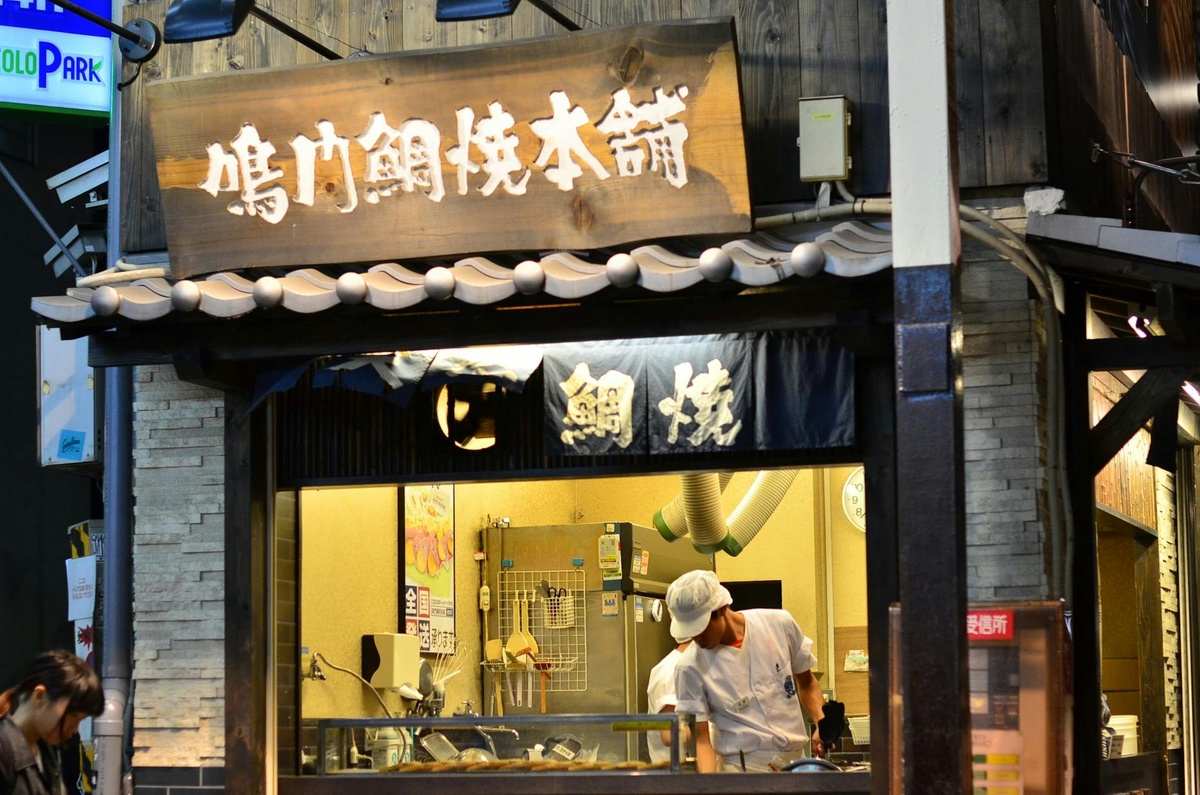
11. Taiyaki – Naruto Taiyaki Honpo
This fish-shaped waffle stuffed with red bean paste (or custard) is a classic Japanese street dessert.
Naruto Taiyaki Honpo in Dotonbori makes them fresh for about ¥250. Grab one and stroll along the canal at sunset.
12. Craft Beer & Izakaya Plates – Umeda
Osaka’s craft beer scene is underrated and growing fast.
In Umeda, modern izakayas serve seasonal small plates—grilled eel in early summer, bamboo shoot tempura in May, and rotating regional brews. Expect to spend ¥4,000–¥5,000 for a relaxed evening with drinks.
Where to Avoid (A Quick Reality Check)
Some Dotonbori restaurants rely on flashy signs and inflated prices. If there’s a 45-minute line and identical menus in five languages, consider walking a few blocks away.
Side streets and neighborhoods one train stop from the action often deliver better food at lower prices.
Practical Food Tips for Osaka (2026 Edition)
- IC cards: Use an ICOCA card for seamless metro travel between Namba, Umeda, and Shinsekai.
- Cash still matters: Many small eateries remain cash-only.
- Timing: Lunch is typically 11:30am–1pm; dinner lines begin forming by 5:30pm.
- Check hours: Google Maps reviews sorted by “most recent” help confirm closures and updated times.
- Solo dining: Counter seating is common and comfortable for solo travelers.
If you’re building a broader Japan itinerary, Osaka pairs easily with Kyoto (15 minutes by train) or works as a food-focused stop between Tokyo and Hiroshima. The city rewards travelers who plan their days around neighborhoods—and meals.
When Is the Best Time to Visit Osaka for Food?
Late May and early June offer warm weather, seasonal produce, and fewer crowds than peak summer. It’s one of the most comfortable times to explore outdoor markets and street food districts.
July and August bring intense humidity—but also major matsuri (festivals) packed with yatai street stalls. Autumn is another excellent option, with cooler temperatures and abundant seafood.
Final Bite: Why Osaka Should Be Your Next Food Trip
Osaka doesn’t try to impress you with polish. It hands you skewers, pancakes, noodles, and beer—and invites you to dig in.
Whether you’re sampling takoyaki under neon lights or grilling horumon in Tsuruhashi, this is a city that celebrates eating well without pretense. Come hungry, stay curious, and don’t overschedule your meals.
Ready to stay close to the action? Find Osaka hotels and book the perfect base for your food tour.
Frequently Asked Questions
How much should I budget for food in Osaka per day?
You can eat very well on ¥3,000–¥5,000 ($20–$35) per day with street food and casual restaurants. Add specialty meals like fugu or yakiniku and budget closer to ¥8,000–¥10,000.
What is Osaka’s most famous food?
Takoyaki and okonomiyaki are Osaka’s signature dishes. Both originated here and are available everywhere from street stalls to long-running family restaurants.
Is Kuromon Market worth visiting in 2026?
Yes—arrive before 11am to avoid peak crowds. Early visits mean fresher seafood, shorter lines, and a more local atmosphere.
When is the best time of year for a food trip to Osaka?
Late May to early June offers warm temperatures (20–25°C), seasonal ingredients, and manageable crowds. Autumn is another fantastic season for comfortable weather and food festivals.

About the Author: Tomáš Bzirský
Founder and editor of Distratech. Based in the Czech Republic, travelling regularly from Central Europe. Writes practical travel guides and travel-tech comparisons (eSIM, apps, airports) in six languages.