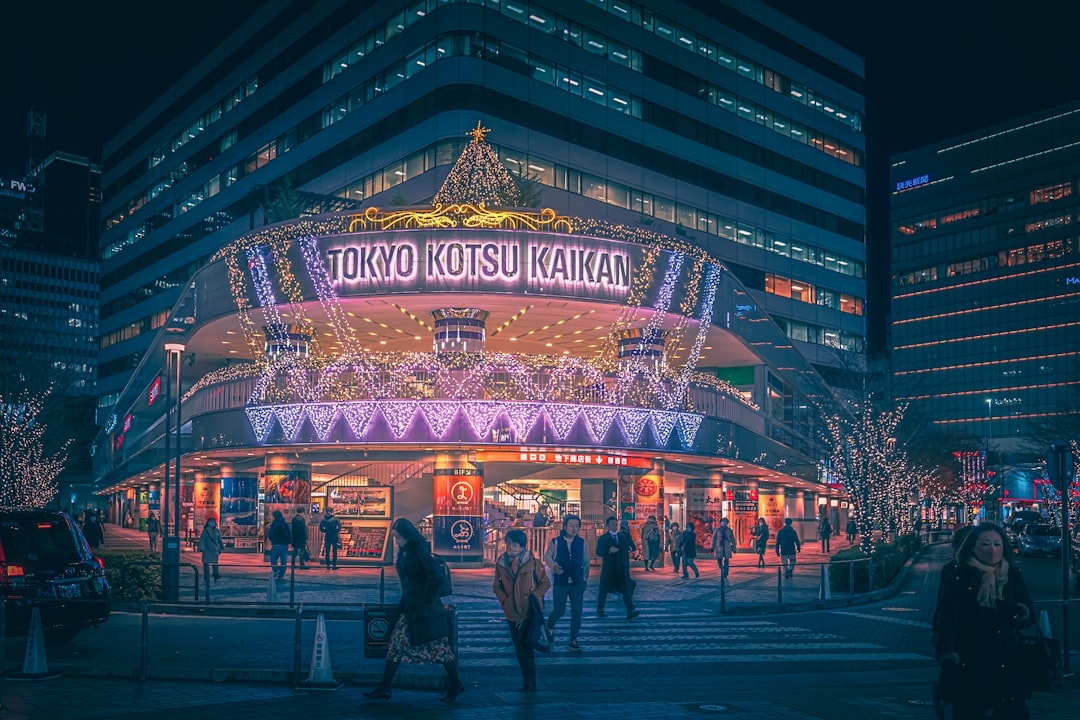
I once spent ¥1,200 (about $8) on a bowl of ramen in Shinjuku that changed how I think about soup forever. Rich pork broth simmered for 18 hours, noodles with real bite, and a queue of salarymen who clearly knew more than I did.
Tokyo has more Michelin stars than any city in the world — but the real magic happens in train stations, alleyways, and plastic-stool counters. If you think Japanese food starts and ends with sushi, you’re missing the best part.
Key Takeaways
- Most must-try Tokyo dishes cost ¥800–¥2,000 ($5–$14) at local spots.
- Arrive before 6pm or after 8pm to avoid peak dinner lines at popular ramen and tonkatsu shops.
- Late spring (May–June) brings seasonal treats like fresh ayu fish and early kakigori stands.
- Many top eateries are within 5 minutes’ walk of major JR Yamanote Line stations.
1. Ramen (Beyond the Instagram Bowls)
Forget the flashy tourist chains. Head to Menya Musashi (Shinjuku, 5 minutes from JR station) for thick tsukemen dipping noodles around ¥1,200.
Or try Afuri in Harajuku for a lighter yuzu-shio ramen that won’t destroy you on a humid May afternoon. Expect to queue 20–30 minutes at peak hours.
2. Tonkatsu (Deep-Fried Pork Cutlet)
Crispy outside, juicy inside — and somehow not greasy. Maisen in Aoyama is famous, but I prefer Tonkatsu Marugo near Akihabara for a more local vibe.
A full set meal with rice, miso soup, and cabbage runs about ¥1,800. Worth every yen.
3. Okonomiyaki (Savory Pancake)
Think cabbage, pork belly, batter, and a sweet-savory sauce grilled together. In Tsukishima, the “Monja Street” area has dozens of spots within a 3-minute walk of the station.
Budget around ¥1,500 per person and be ready to cook it yourself at some places.
4. Takoyaki (Octopus Balls)
Six molten-hot balls of batter with octopus inside for about ¥600. You’ll find them at street stalls in Asakusa and during late-spring festivals.
Blow on them. Seriously.
5. Yakitori (Grilled Chicken Skewers)
Omoide Yokocho in Shinjuku is atmospheric but slightly touristy. For better prices, try Torikizoku (¥370 per plate) — it’s a chain, but consistent and fun.
Order liver, thigh, and chicken skin. Trust me.
6. Gyudon (Beef Bowl)
This is Tokyo’s fast comfort food. Sukiya and Yoshinoya serve solid versions for ¥500–¥700.
Perfect for late nights after exploring Shibuya.
7. Tempura
Light, airy, and nothing like the heavy versions abroad. Tempura Tsunahachi (since 1924) offers lunch sets around ¥2,000.
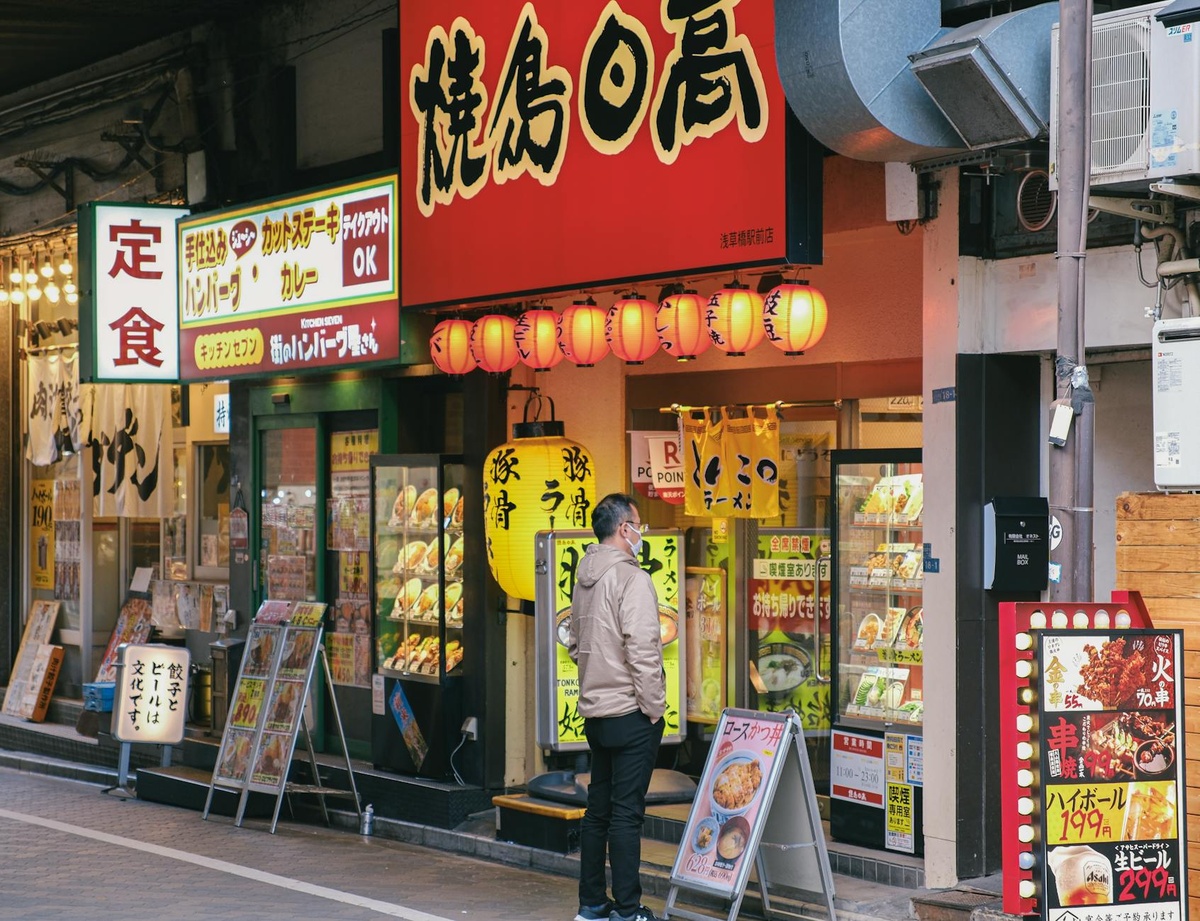
In late spring, look for seasonal vegetables like bamboo shoots.
8. Soba & Udon
Cold soba in May is refreshing as humidity creeps in. Standing soba shops near train stations serve bowls for ¥400–¥600.
For artisan noodles, try Kanda Matsuya near Akihabara.
9. Curry Rice (Kare Raisu)
Japanese curry is thicker and sweeter than Indian curry. Coco Ichibanya lets you customize spice levels and toppings starting at ¥900.
Add tonkatsu on top for the full experience.
10. Gyoza (Dumplings)
Crispy-bottomed and juicy inside. Harajuku Gyozaro serves 6 pieces for around ¥350.
Go right when they open at 11:30am to avoid the long line.
11. Monjayaki
A runnier cousin of okonomiyaki, popular in Tokyo. It looks messy but tastes incredible.
Again, Tsukishima is your best bet.
12. Onigiri (Rice Balls)
Convenience stores in Japan are elite. 7-Eleven onigiri costs ¥150–¥250 and is genuinely good.
Perfect breakfast before hitting Meiji Shrine.
13. Karaage (Japanese Fried Chicken)
Marinated, crispy, and addictive. Look for specialty karaage shops in shopping arcades.
Expect around ¥600 for a portion.
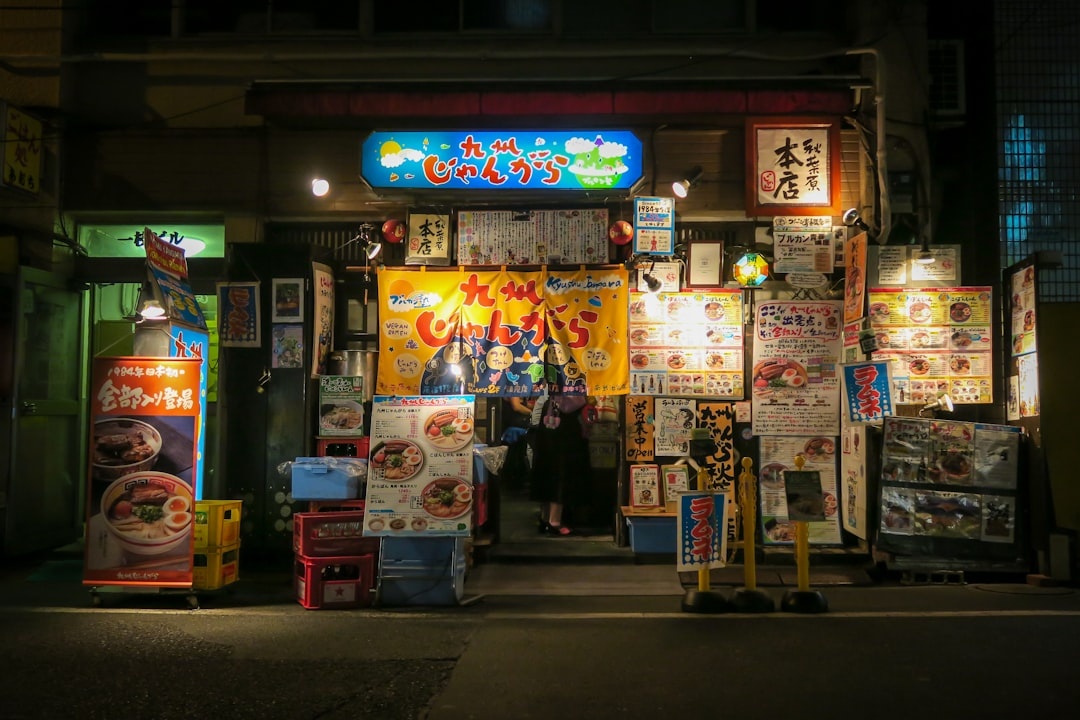
14. Wagyu (Without the $300 Price Tag)
You don’t need a Michelin reservation. Yakiniku Like offers solo grill sets starting around ¥1,500.
It’s fast, affordable, and surprisingly high quality.
15. Taiyaki & Kakigori (Dessert Break)
Taiyaki is a fish-shaped waffle filled with red bean or custard (¥300–¥500). In late spring, kakigori shaved ice shops start reopening — lifesavers as temperatures climb past 25°C (77°F).
Try Himitsudo in Yanaka for legendary shaved ice.
Where to Eat Without Getting Overwhelmed
Tokyo has over 160,000 restaurants. Decision fatigue is real.
- Stay near JR Yamanote Line stations (Shinjuku, Shibuya, Ueno) for maximum options.
- Check Tabelog ratings (3.5+ is excellent by Japanese standards).
- Bring cash — smaller spots may not accept cards.
- Avoid restaurants with aggressive English-only menus and plastic food displays in ultra-touristy zones.
- Traveling with tech? Secure public Wi-Fi and your apps — here’s how to protect your phone from spyware while traveling: essential phone security features.
When to Visit for Food Lovers
Late spring (May to early June 2026) is ideal. Cherry blossom crowds are gone, humidity hasn’t peaked, and seasonal ingredients shine.
Summer festival season kicks off in June, with street food stalls multiplying. If you’re timing a bigger trip around global events, you might also enjoy reading about unique summer solstice celebrations around the world for inspiration.
Final Bite: Come Hungry, Leave Curious
Tokyo rewards curiosity. Walk down side streets. Order something you can’t pronounce. Spend ¥800 on a bowl of noodles that tastes like it took a lifetime to perfect.
Sushi is just the beginning.
Planning a summer food-focused trip? Save this guide, map a few neighborhoods, and book your flights before peak July prices hit. Your stomach will thank you.
Planning your trip around these dishes? Browse hotels in Tokyo and book near the neighborhoods you want to explore.
Frequently Asked Questions
How much should I budget per day for food in Tokyo?
You can eat very well on ¥3,000–¥5,000 ($20–$35) per day mixing convenience store breakfasts, ramen lunches, and casual dinners. Add more if you plan on wagyu or high-end tempura.
Is Tokyo expensive for food compared to other major cities?
Surprisingly, no. Casual meals often cost less than in New York, London, or Paris, especially with the weak yen in 2026.
Do I need restaurant reservations in Tokyo?
For Michelin-star or trending spots, yes — book at least 1–2 weeks ahead. Most ramen, curry, and soba shops are walk-in only.
What is the best area in Tokyo for street food?
Asakusa and Tsukishima are great for classic street-style snacks, especially during festivals in late spring and early summer.

About the Author: Tomáš Bzirský
Founder and editor of Distratech. Based in the Czech Republic, travelling regularly from Central Europe. Writes practical travel guides and travel-tech comparisons (eSIM, apps, airports) in six languages.