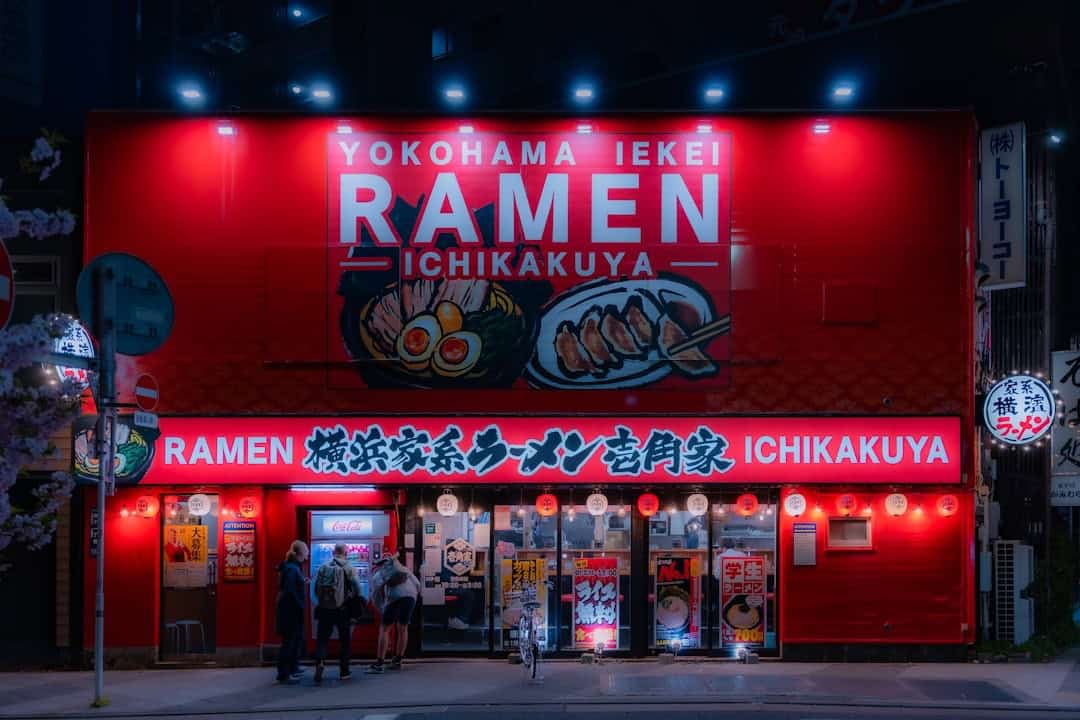
I once stood in a 45-minute line in Shinjuku for a bowl of ramen that cost ¥1,100 (about $7). It was raining. I was jet-lagged. And I would do it again tomorrow.
Tokyo doesn’t just “do” ramen — it perfects it. From smoky tonkotsu to delicate shoyu broths that taste like liquid umami, this city treats noodles like an art form. If you’re visiting Japan this spring (arguably the best season, between cherry blossoms and mild 15–22°C weather), these are the 10 ramen shops actually worth your time.
Key Takeaways
- Expect to pay ¥900–¥1,500 ($6–$10) for top-tier ramen in Tokyo.
- Arrive 30–60 minutes before opening to avoid 1+ hour queues.
- Most shops use ticket vending machines and are cash-only.
- Spring (March–May) is peak travel season — lines are longer but weather is perfect.
1. Ramen Break Beats – Meguro (Modern Shoyu)
This is my current obsession.
Hidden in a quiet Meguro backstreet (10 minutes from Meguro Station), Break Beats serves refined shoyu ramen with truffle oil and perfectly pink sous-vide pork. Bowls start at ¥1,400.
They only serve around 100 bowls per day. Get there 45 minutes before opening at 11:30am, especially during spring travel season.
2. Nakiryu – Otsuka (Michelin-Level Tantanmen)
Yes, it earned a Michelin star. Yes, it’s still worth it.
The signature tantanmen (¥1,200) balances spicy sesame richness with a clean, layered broth. It’s complex without being heavy.
Pro tip: go on a weekday around 2pm. The lunch rush can stretch past an hour in April when cherry blossom tourists flood the city.
3. Menya Musashi – Shinjuku (Rich Tsukemen)
If you want drama, this is your place.
Thick noodles. Intense dipping broth. Giant slabs of chashu. Bowls range from ¥1,100–¥1,500.
It’s tourist-friendly but still solid. I wouldn’t call it a hidden gem, but for first-time visitors staying in Shinjuku, it’s a safe and satisfying choice.
4. Fuunji – Shinjuku (Legendary Tsukemen)
Now we’re talking serious ramen credibility.
Fuunji specializes in chicken-and-fish-based tsukemen with a broth so concentrated it feels almost creamy. Around ¥1,000 for a standard bowl.
Expect a line. They open at 11am — arrive by 10:30am or you’ll wait 60+ minutes.
5. Ginza Hachigou – Ginza (Refined Shio Ramen)
This is ramen for wine lovers.
The broth tastes like a delicate French consommé — clear, elegant, and layered. It’s about ¥1,300–¥1,600.
Reservations are sometimes required via online systems. Check ahead, especially during peak spring travel months.
6. Ichiran – Multiple Locations (Solo Booth Experience)
Let’s address it.
Is Ichiran touristy? Yes. Is it still good at 1am after a long flight? Absolutely.
For about ¥980, you get customizable tonkotsu ramen in a private booth. It’s efficient, consistent, and open late — perfect for your first night in Tokyo.
Just don’t make it your only ramen stop.
7. Rokurinsha – Tokyo Station (Famous but Strategic)
Located in Tokyo Ramen Street inside Tokyo Station, this place gets slammed.
The tsukemen is thick, porky, and satisfying (¥1,100–¥1,300). Lines can hit 90 minutes at lunch.
Go before 10am or after 8pm. Or skip it if you’re short on time — Tokyo has better options without the chaos.
8. Ramen Jiro – Mita (For the Brave)
This is not casual ramen. This is a challenge.
Piles of bean sprouts. Massive garlic. Fatty broth. It’s heavy, salty, and cult-like.
Around ¥900–¥1,100. Order carefully using the vending machine and know the lingo — Jiro has its own rules.
9. Afuri – Harajuku (Yuzu Shio Ramen)
Light, citrusy, and perfect for spring.
Afuri’s yuzu shio ramen (¥1,290) is refreshing and less heavy than tonkotsu. Ideal after a morning exploring Meiji Shrine or Harajuku.
It’s popular with international visitors, but the quality holds up.
10. Tomita – (Worth the Day Trip)
Technically in Chiba, about 40 minutes from central Tokyo.
Tomita is widely considered one of Japan’s best ramen shops. Deep, complex tsukemen around ¥1,500.
Reservations are often required. If you’re a ramen obsessive, it’s worth planning half a day around it.
How to Navigate Tokyo’s Ramen Scene Like a Pro
Ramen culture has its own rhythm. Respect it, and you’ll eat very well.
- Bring cash: Many shops still don’t accept cards.
- Use the vending machine: Buy your ticket first, then hand it to staff.
- Eat quickly: These are high-turnover spots — 20–30 minutes max.
- Avoid peak lunch (12–1pm): Go early or after 2pm.
- Travel light: Small counters mean limited space — a slim daypack helps (I recommend checking out these lightweight travel gadgets for 2026 if you’re packing carry-on only).
How Much Does Ramen Cost in Tokyo in 2026?
Despite rising tourism, ramen remains one of Tokyo’s best-value meals.
Most bowls range between ¥900 and ¥1,500 ($6–$10). Even Michelin-recognized spots rarely exceed ¥2,000.
That said, Japan introduced new travel-related taxes and price adjustments in 2026. If you’re budgeting your trip, read our breakdown of Japan’s new taxes and price hikes before you go.
When Is the Best Time for a Tokyo Ramen Trip?
Spring (March to May) is peak season — cherry blossoms, comfortable weather, and vibrant neighborhoods. Expect longer lines but unbeatable atmosphere.
Late May can be a sweet spot: fewer crowds, still pleasant weather. If you’re planning a broader trip, here’s where else to travel in May 2026 for shoulder season deals.
Winter is arguably the most satisfying ramen season (nothing beats tonkotsu in 5°C weather), but honestly — ramen is a year-round obsession in Tokyo.
Final Slurp
Tokyo has more than 5,000 ramen shops. You won’t try them all — and you don’t need to.
Start with one classic (Fuunji or Nakiryu), one modern interpretation (Break Beats), and one wildcard (Jiro if you’re brave). Show up early, bring cash, and embrace the line.
And when you find your favorite? Go back the next day. That’s how Tokyo does ramen.
Planning a Tokyo ramen crawl? Find and book a hotel in Tokyo so you can rest between the lines.
Frequently Asked Questions
How much does ramen cost in Tokyo in 2026?
Most bowls cost between ¥900 and ¥1,500 ($6–$10). Even top-rated or Michelin-recognized shops rarely exceed ¥2,000 per bowl.
Is it normal to wait in line for ramen in Tokyo?
Yes. For popular shops, 30–60 minutes is common, especially during spring travel season. Arriving 30–45 minutes before opening significantly reduces wait times.
Do Tokyo ramen shops accept credit cards?
Many still operate with cash-only ticket vending machines. While some newer shops accept cards or IC transit payments, it’s safest to carry cash.
What is the best area in Tokyo for ramen?
Shinjuku offers the highest concentration of famous shops like Fuunji and Menya Musashi. Tokyo Station’s “Ramen Street” is convenient, but local neighborhood spots often offer better quality with shorter lines.

About the Author: Tomáš Bzirský
Founder and editor of Distratech. Based in the Czech Republic, travelling regularly from Central Europe. Writes practical travel guides and travel-tech comparisons (eSIM, apps, airports) in six languages.