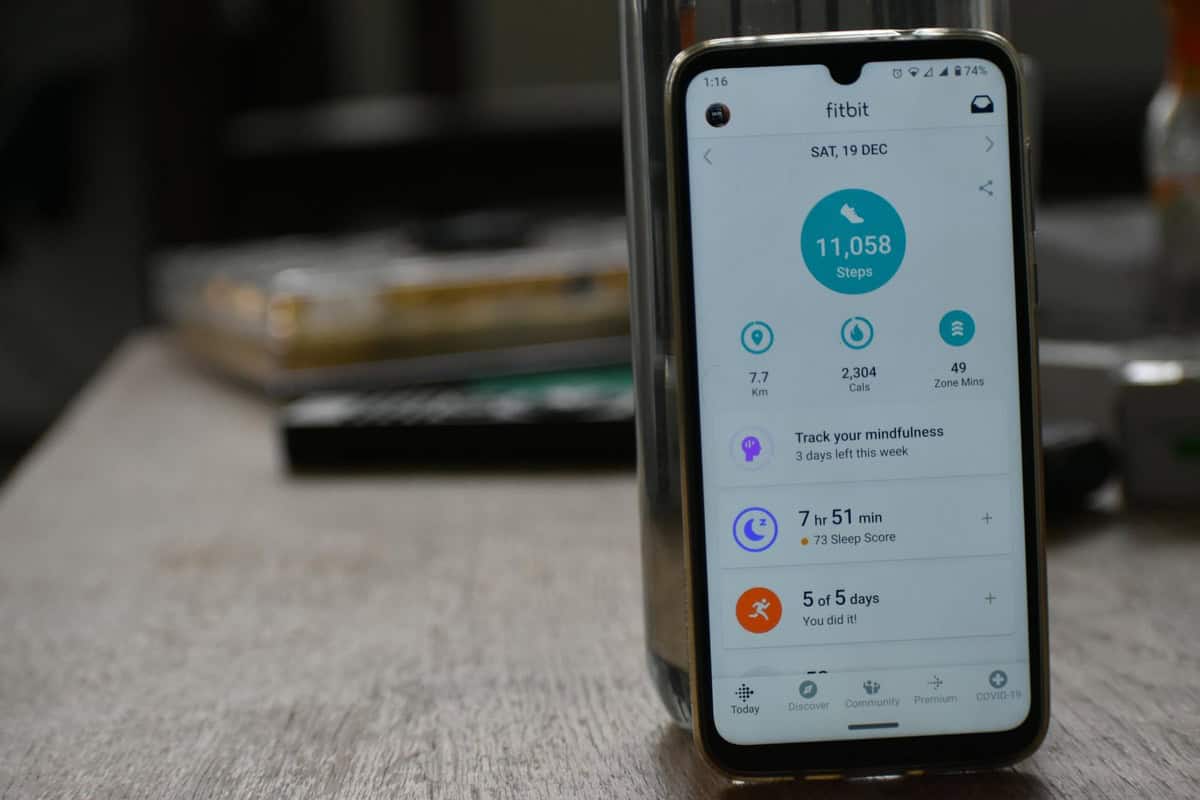
Google just announced the $99 Fitbit Air, a screen-less fitness tracker designed for all-day wear without the bulk, notifications, or constant charging of a smartwatch. No display. No buzzing alerts. Just continuous health tracking in a slim band that’s meant to disappear on your wrist.
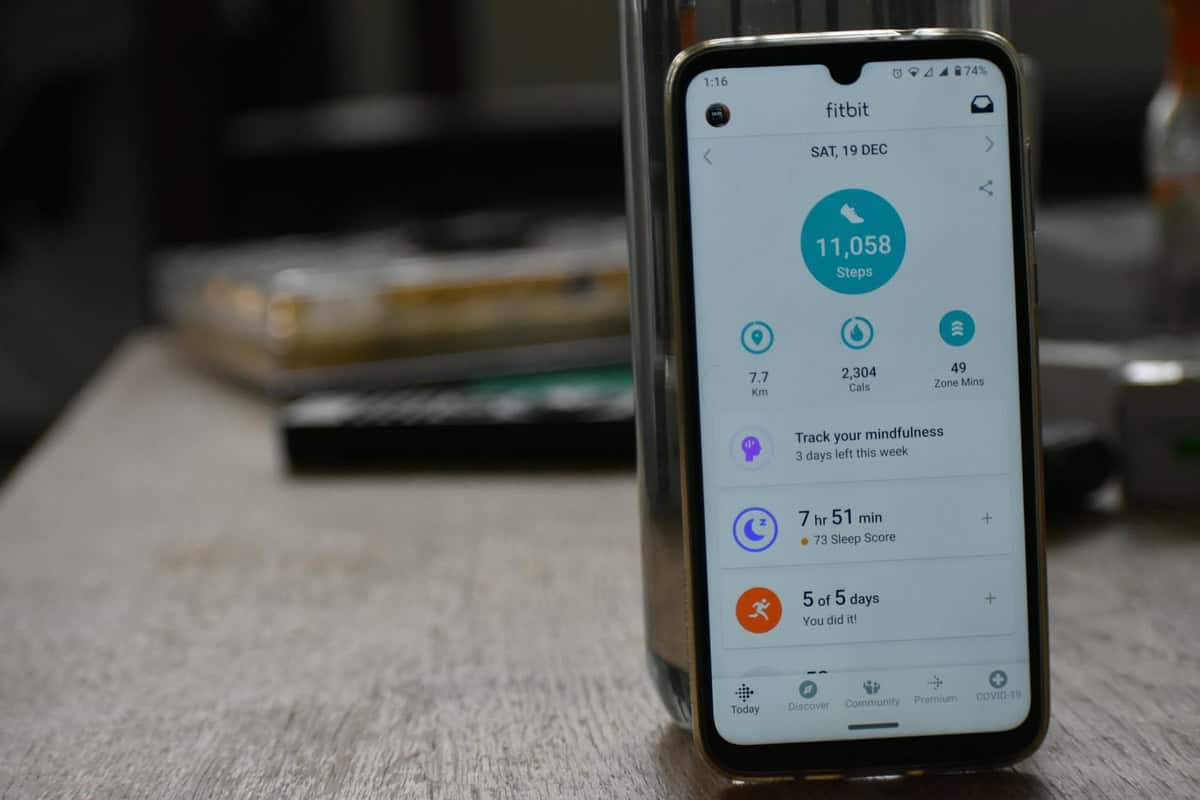
At first glance, it sounds almost too minimal. But for travelers—especially with summer 2026 trips, beach escapes, and festival season around the corner—it might be exactly what many of us have been waiting for.
Key Takeaways
- Fitbit Air costs $99.99 and features a screen-less, ultra-low-profile design.
- Designed for 24/7 wear with multi-day battery life and automatic activity tracking.
- Tracks steps, heart rate, sleep, and workouts via the Fitbit app (Android & iOS).
- Ideal for travel thanks to lightweight build, minimal charging, and discreet look.
What Is the Fitbit Air?
The Fitbit Air is Google’s most minimalist wearable yet. Think of it as the anti-smartwatch.
There’s no display to check. No message previews. No wrist-based doomscrolling while you’re supposed to be watching the sunset in Lake Bled.
Instead, the Air focuses on core health metrics:
- 24/7 heart rate monitoring
- Step and activity tracking
- Sleep tracking with sleep stages
- Workout auto-detection
- Water resistance for swimming and beach use
- Multi-day battery life
All your data lives in the Fitbit app, where you’ll see trends, daily scores, and insights.
At $99.99, it undercuts most smartwatches by hundreds of dollars and even lands cheaper than many mid-range fitness bands.
Why a Screen-Less Tracker Actually Makes Sense for Travel
Most travelers don’t need another screen.
If you’re already carrying a smartphone, maybe a laptop, and juggling boarding passes, QR codes, and Google Maps, the last thing you need is more notifications vibrating on your wrist.
The Fitbit Air’s biggest strength is what it doesn’t do.
1. Fewer Distractions at Festivals
Late spring and summer in Europe means one thing: festival season. Whether you’re heading to Primavera, Tomorrowland, or something smaller from our guide to Europe’s best summer festivals in 2026, you’ll be on your feet for 10–12 hours a day.
A screen-less tracker means:
- No worrying about cracked displays in a crowd
- No constant notification overload
- No obvious “expensive gadget” on your wrist
It tracks your steps and heart rate quietly while you enjoy the music.
2. Better for Adventure Travel
Planning canyoning in Slovenia or long hikes through mountain towns in Colorado?
For trips like our Slovenia adventure travel guide or exploring underrated U.S. mountain towns, lightweight gear matters.
The Fitbit Air is built to be worn 24/7. No bulky watch face catching on backpack straps. No anxiety about smashing a glass display on a rock wall.
For minimalists and ultralight packers, this is closer to a travel essential than a gadget flex.
3. Longer Battery, Fewer Chargers
One of the biggest annoyances with travel tech? Charging cables.
Smartwatches often need daily or near-daily charging. That’s one more proprietary cable in your bag.
With multi-day battery life, the Fitbit Air is designed to last through long weekends or even week-long trips with minimal charging. That means:
- Less cable clutter
- Fewer airport charging station battles
- Lower chance of forgetting your charger in a hotel room
For digital nomads who already travel with laptops, cameras, and power banks, that’s a real advantage.
How It Compares to Other Travel-Friendly Wearables
Let’s be honest: the wearable market is crowded.
Vs. Apple Watch / Pixel Watch
Smartwatches offer maps, calls, messages, and apps. They’re powerful—but they’re also distracting and battery-hungry.
For travel, most people end up pulling out their phone anyway for directions or boarding passes.
If you don’t need wrist-based apps, the Fitbit Air is dramatically simpler—and cheaper.
Vs. Oura Ring
The Oura Ring is the closest philosophical competitor: no screen, heavy focus on health.
But Oura costs significantly more and requires a subscription for full features. The Fitbit Air, at $99.99, is positioned as accessible and mass-market.
If you just want reliable tracking without a luxury price tag, the Air wins on value.
Vs. Budget Fitness Bands
Many low-cost fitness bands include tiny screens—but they’re often hard to read in sunlight and feel disposable.
Google’s advantage is ecosystem integration. Fitbit connects cleanly with Android (and works on iOS), and pairs well with other tools from our list of must-have travel apps for summer 2026.
For travelers already using Google Maps, Google Wallet, and Gmail, it fits naturally into your setup.
Real-World Travel Scenarios Where Fitbit Air Shines
Long-Haul Flights
The Air quietly tracks heart rate and sleep during overnight flights. You can later review sleep stages and recovery trends in the app.
That’s helpful if you’re trying to manage jet lag between New York and Lisbon—or Tokyo and Los Angeles.
Hot Beach Destinations
Summer means sweat, sunscreen, and salt water.
A screen-less band is less prone to smudging, glare, or touch sensitivity issues in extreme sun. It’s subtle enough to wear in the ocean without feeling like you’re risking a $400 smartwatch.
City Trips With 20,000+ Steps a Day
European city breaks routinely hit 18,000–25,000 steps per day.
The Air automatically logs walking and activity while you focus on exploring—not checking stats every 10 minutes.
Who Should Buy the Fitbit Air?
This is not for tech maximalists.
You’ll love it if you:
- Hate constant notifications
- Prefer minimal, low-profile accessories
- Travel frequently and want fewer chargers
- Care about sleep and recovery tracking
- Want fitness tracking under $100
You should skip it if you:
- Want on-wrist maps or navigation
- Take calls from your watch
- Love checking stats mid-workout
- Need advanced performance metrics (like hardcore triathletes)
The Bigger Trend: Less Screen, More Focus
There’s a subtle shift happening in travel tech.
After years of “more features, more screens,” many travelers are pulling back. Digital detox retreats are booming. Screen-time awareness is mainstream. Even airlines are experimenting with calmer cabin experiences.
The Fitbit Air fits into that mindset. It supports your health without pulling your attention away from the destination.
And heading into summer 2026—when many of us are planning long-awaited beach trips, mountain escapes, and multi-city Europe itineraries—that feels timely.
Final Verdict: A Smart Buy for Minimalist Travelers
The Fitbit Air won’t replace a smartwatch for power users.
But at $99.99, it doesn’t have to.
For travelers who want:
- All-day tracking
- Long battery life
- No screen distractions
- A budget-friendly wearable
It’s one of the most practical travel tech launches of 2026 so far.
If your summer plans include festivals, hiking trails, beach towns, or long-haul flights, this is the kind of low-maintenance gadget that quietly earns its place in your carry-on.
Frequently Asked Questions
How much does the Fitbit Air cost?
The Fitbit Air is priced at $99.99, making it one of Google’s most affordable fitness trackers and significantly cheaper than most smartwatches.
Does the Fitbit Air have a screen?
No, the Fitbit Air is completely screen-less. All health data, including steps, heart rate, and sleep metrics, is viewed in the Fitbit app on your phone.
Is the Fitbit Air good for travel?
Yes, its lightweight design, multi-day battery life, and lack of fragile display make it ideal for festivals, beach trips, hiking, and long-haul flights.
Does Fitbit Air work with iPhone and Android?
The Fitbit Air works with both Android and iOS devices via the Fitbit app, though integration is especially seamless for Android users.

About the Author: Tomáš Bzirský
Founder and editor of Distratech. Based in the Czech Republic, travelling regularly from Central Europe. Writes practical travel guides and travel-tech comparisons (eSIM, apps, airports) in six languages.