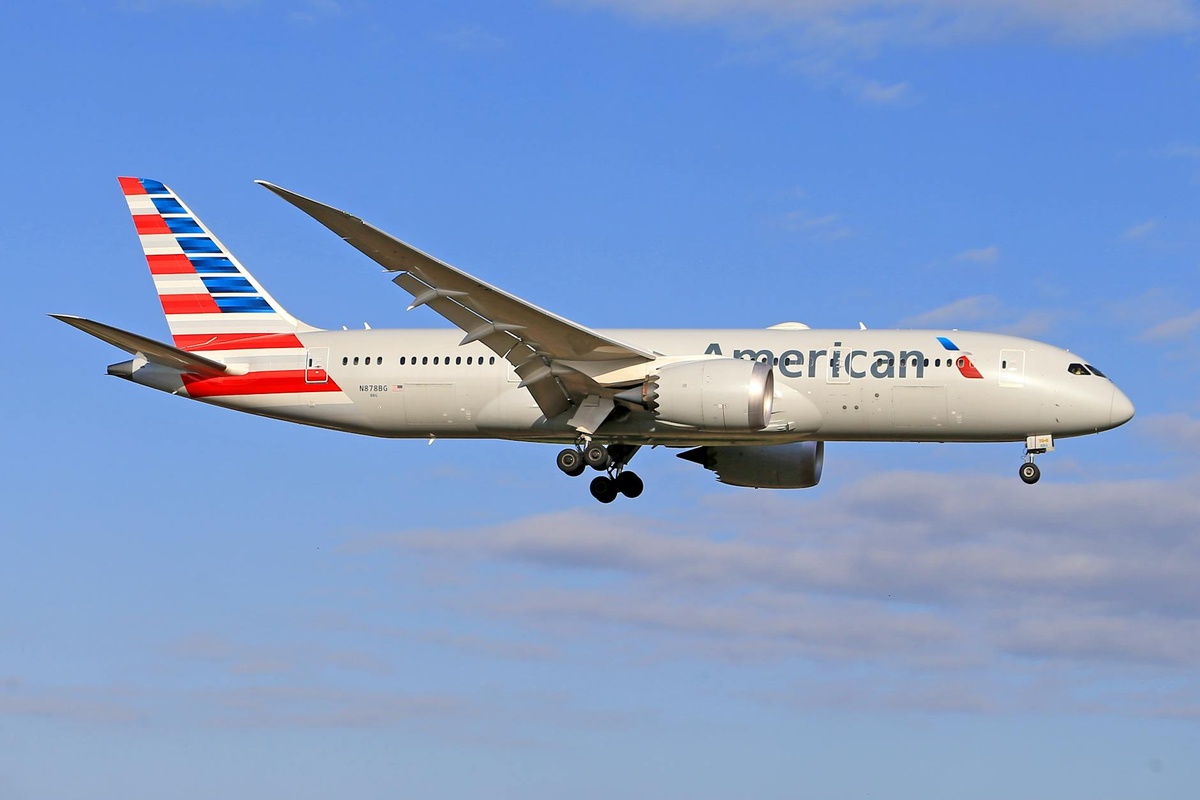
American Airlines plans to install SpaceX’s Starlink satellite internet across hundreds of its aircraft, with deployment expected to begin in early 2027. If you’ve ever tried to send a simple email over patchy in-flight Wi‑Fi at 35,000 feet, this could be the biggest onboard upgrade in years.
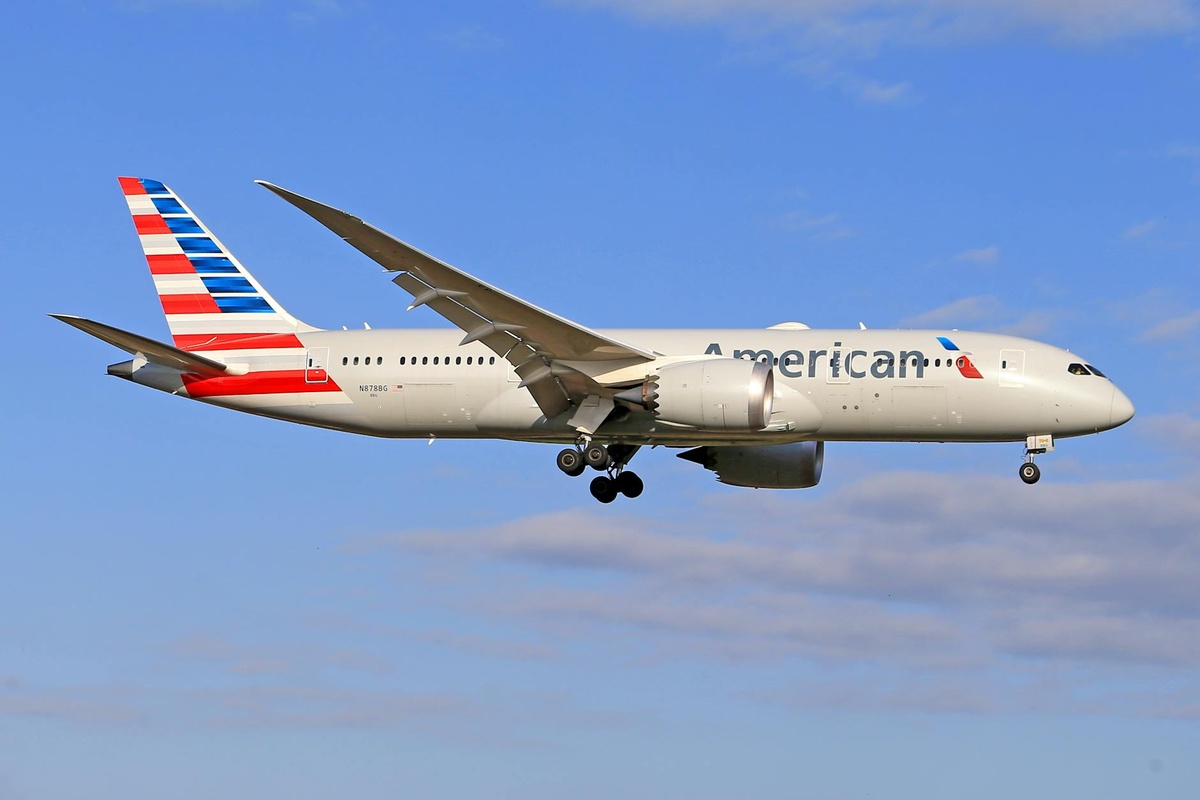
For summer 2026 travelers already booking beach trips, festival weekends, and remote-work escapes, this news matters now — because it signals where in-flight connectivity is heading next.
Key Takeaways
- American Airlines will begin installing Starlink Wi‑Fi starting in Q1 2027.
- Starlink promises faster speeds and lower latency than traditional satellite systems.
- Expect streaming-quality internet, smoother video calls, and more reliable coverage.
- Pricing hasn’t been announced, but competitors often offer it free for loyalty members.
- This could make American more attractive for digital nomads and business travelers.
What Exactly Is Changing?
Most airline Wi‑Fi today relies on either older geostationary satellites (high latency, inconsistent speeds) or air-to-ground networks (limited coverage over oceans). That’s why your connection often collapses mid-flight — especially on transatlantic or cross-country routes.
Starlink uses a low-Earth orbit (LEO) satellite constellation. The satellites are closer to Earth, which dramatically reduces latency and increases speed.
In plain English: internet that feels more like home broadband and less like 2008 airport Wi‑Fi.
How Fast Could Starlink Be in the Air?
Airlines that have already adopted Starlink have reported speeds fast enough for:
- HD and even 4K streaming
- Real-time video calls
- Large file uploads
- Cloud-based work apps like Google Workspace or Microsoft 365
- Social media scrolling without rage-refreshing
Latency — the delay that makes Zoom calls awkward — is significantly lower than traditional satellite systems. That’s the real breakthrough.
If American delivers similar performance, this could finally make gate-to-gate productivity realistic on long-haul flights.
Why This Matters for Summer 2026 Travelers
We’re entering peak travel season. Flights to Europe are filling up. Hawaii remains a hot destination (and if you’re heading there, you’ll want to understand how the new Green Fee impacts your trip).
But here’s the reality: planes are fuller than ever, and delays are common during summer thunderstorms. When you’re stuck on a tarmac for 90 minutes, reliable Wi‑Fi isn’t a luxury — it’s sanity.
For digital nomads, hybrid workers, and creators, strong in-flight connectivity means:
- No lost workday during a cross-country flight
- Uploading content before landing
- Managing bookings, Airbnb messages, or client emails mid-air
- Actually streaming a movie without buffering
If you’re flying to New York for a long weekend, for example, you could realistically finish planning your itinerary in the air (and then dive into our local’s 3-day NYC guide the moment you land).
Will It Be Free?
This is the million-mile question.
American hasn’t announced pricing yet. But here’s what we’ve seen from competitors using Starlink or next-gen Wi‑Fi:
- Free for loyalty program members (with account login)
- Free messaging, paid full access
- Flat-rate pricing per flight (typically $8–$25)
- Subscription models for frequent flyers
If American wants to compete aggressively, especially against airlines already offering free high-speed Wi‑Fi, it may need to bundle it into AAdvantage memberships.
My prediction: expect at least partial free access for members by the time rollout accelerates.
Which Aircraft Will Get Starlink?
The airline has said “hundreds” of planes will eventually receive the upgrade, starting in early 2027.
That likely means domestic narrow-body aircraft first — think Boeing 737s and Airbus A320 family jets — since those operate the bulk of high-frequency U.S. routes.
Wide-body international aircraft may follow, but installations take time. Retrofitting planes isn’t like updating an app; it requires certification, hardware installation, and aircraft downtime.
Realistically, widespread availability across the fleet could take several years.
What This Means for Business Travelers
If you regularly fly coast-to-coast — New York to LA, Miami to Seattle — this could be transformative.
Currently, many professionals block off flight time as “offline hours.” With reliable broadband in the sky, that changes.
You could:
- Take a live client call mid-flight.
- Upload large design or video files before landing.
- Access secure company VPNs without constant drops.
- Actually clear your inbox before touchdown.
That’s not just convenience. That’s regained productivity.
What This Means for Leisure Travelers
Even if you’re not working, Starlink-level Wi‑Fi improves the experience in simple ways.
Flying to Oaxaca for a food-focused getaway? You could browse restaurant reviews and plan your must-try dishes before arrival (and bookmark our guide to traditional Oaxacan dishes beyond tacos).
Heading to a music festival this summer? Stream setlists mid-flight. Coordinate airport pickups in real time. Download ride-share apps at cruising altitude.
And yes — uninterrupted Netflix.
How Starlink Compares to Traditional In-Flight Wi‑Fi
Here’s a quick breakdown:
Traditional Geostationary Satellite Wi‑Fi:
- High latency (noticeable delay)
- Inconsistent speeds
- Often struggles over oceans
- Streaming frequently blocked or throttled
Starlink Low-Earth Orbit Wi‑Fi:
- Lower latency
- Higher throughput
- Better global coverage
- Streaming-capable bandwidth
The difference isn’t subtle. It’s generational.
Is This Just Hype?
Starlink has built a reputation for strong performance in remote locations — cruise ships, rural homes, RVs, and even compact travel dishes (and there’s growing buzz around portable versions tailored for travelers).
So this isn’t experimental tech. It’s already proven in motion-heavy environments.
The real test will be scale. Hundreds of passengers simultaneously streaming on a packed summer flight is very different from residential use.
But early airline deployments elsewhere suggest it can handle the load.
What Travelers Should Do Now
You won’t see Starlink on American flights tomorrow. Installations start in 2027.
But here’s how to plan ahead:
- If booking late 2027 travel, check aircraft type before purchasing tickets.
- Join AAdvantage in case Wi‑Fi becomes a loyalty perk.
- Keep your devices updated — faster Wi‑Fi exposes outdated VPN apps quickly.
- Bring noise-canceling headphones if you plan to take calls mid-air.
- Have a backup offline plan — downloads still matter.
Summer 2026 flights will still run on current systems. Download your movies in advance. Save maps offline. Prepare like usual.
But know this: better connectivity is coming.
The Bigger Picture: The End of “Airplane Mode” Culture?
For years, flights were digital dead zones. A forced break from the internet.
As airlines adopt LEO satellite systems like Starlink, that era is ending.
Some travelers will miss the disconnect. Others — especially remote workers and frequent flyers — will welcome the productivity boost.
Either way, American Airlines’ decision signals a larger industry shift. Reliable, high-speed Wi‑Fi is becoming an expectation, not a premium add-on.
Final Verdict: A Smart Move for a Competitive Market
American Airlines installing Starlink is more than a tech upgrade. It’s a competitive necessity.
In 2026 and beyond, travelers choose airlines based on comfort, loyalty perks, and increasingly — connectivity. If American executes this rollout well and prices it competitively (or free), it could become a major differentiator.
For digital nomads, business travelers, and anyone who hates buffering at 35,000 feet, this is excellent news.
Now we just have to wait until 2027 to log in.
Frequently Asked Questions
When will American Airlines start offering Starlink Wi‑Fi?
American Airlines plans to begin installing Starlink starting in the first quarter of 2027, with rollout across hundreds of aircraft over time.
Will Starlink Wi‑Fi on American Airlines be free?
Pricing hasn’t been announced yet. Based on industry trends, it may be free for loyalty members or offered as a flat-rate fee per flight.
How fast is Starlink Wi‑Fi on airplanes?
Starlink uses low-Earth orbit satellites, offering lower latency and speeds capable of streaming HD video, supporting video calls, and handling large uploads.
Which American Airlines planes will get Starlink first?
While exact aircraft haven’t been confirmed, domestic narrow-body jets are likely to be upgraded first, followed by international wide-body planes.

About the Author: Tomáš Bzirský
Founder and editor of Distratech. Based in the Czech Republic, travelling regularly from Central Europe. Writes practical travel guides and travel-tech comparisons (eSIM, apps, airports) in six languages.