I once flew from New York to Lisbon for 10 days in late May with just a carry-on that fit under the seat. No baggage fees. No waiting at carousel 7. No dragging a 23-kg suitcase up cobblestone hills at 10 p.m.
The difference wasn’t “packing light.” It was packing smart. Over the years — from summer road trips through Utah’s national parks to long weekends in Mexico City — I’ve stolen the best tricks from flight attendants, tour guides, and serial overpackers who finally learned their lesson.
Key Takeaways
- Rolling clothes saves up to 30% more space than traditional folding.
- Wear your bulkiest items (jacket, boots) on the plane to free up 20–30% of suitcase space.
- Use packing cubes ($15–$30 per set) to compress and organize outfits by day or activity.
- Stuff socks and chargers inside shoes to maximize every inch of space.
- For summer 2026 trips, aim for carry-on only — most airlines now charge $30–$75 per checked bag.
1. Roll, Don’t Fold (But Do It Right)
You’ve heard it before: roll your clothes. But most people do it badly.
The trick is tight, uniform rolls. Lay the item flat, fold sleeves inward, smooth out wrinkles, and roll from the bottom up as tightly as possible. Think burrito, not croissant.
Rolling works especially well for:
- T-shirts and tank tops
- Workout gear
- Light summer dresses
- Swimwear
For bulkier items like jeans or sweaters, I use a hybrid method: fold once lengthwise, then roll. This prevents awkward lumps that waste space.
On a recent three-day trip following my own advice from this local’s NYC weekend guide, I packed five outfits in a carry-on using only rolling and still had room for souvenirs.
2. Packing Cubes Are Not Optional
I resisted packing cubes for years. I was wrong.
A decent compression cube set costs $20–$30 on Amazon and instantly makes your suitcase feel like a well-organized drawer instead of a laundry explosion.
Here’s how experts use them:
- One cube per category: tops in one, bottoms in another, underwear in a small cube.
- Or one cube per day: especially useful for multi-stop trips.
- Compression zipper last: don’t overstuff before compressing.
For summer 2026 travel — when quick weekend trips are everywhere and festivals are kicking off across Europe — cubes make security checks and hotel unpacking ridiculously easy. Just pull out one cube and toss it in a drawer.
3. The Shoe Rule: Maximum Three (Usually Two)
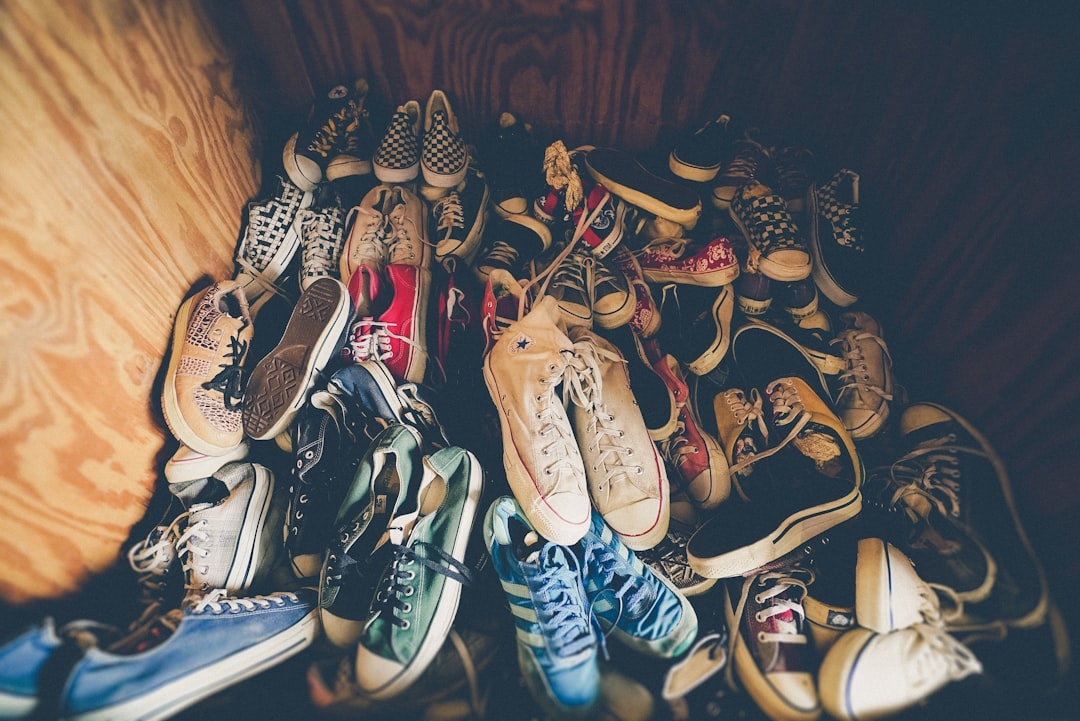
Shoes are suitcase killers. They’re bulky, heavy, and oddly shaped.
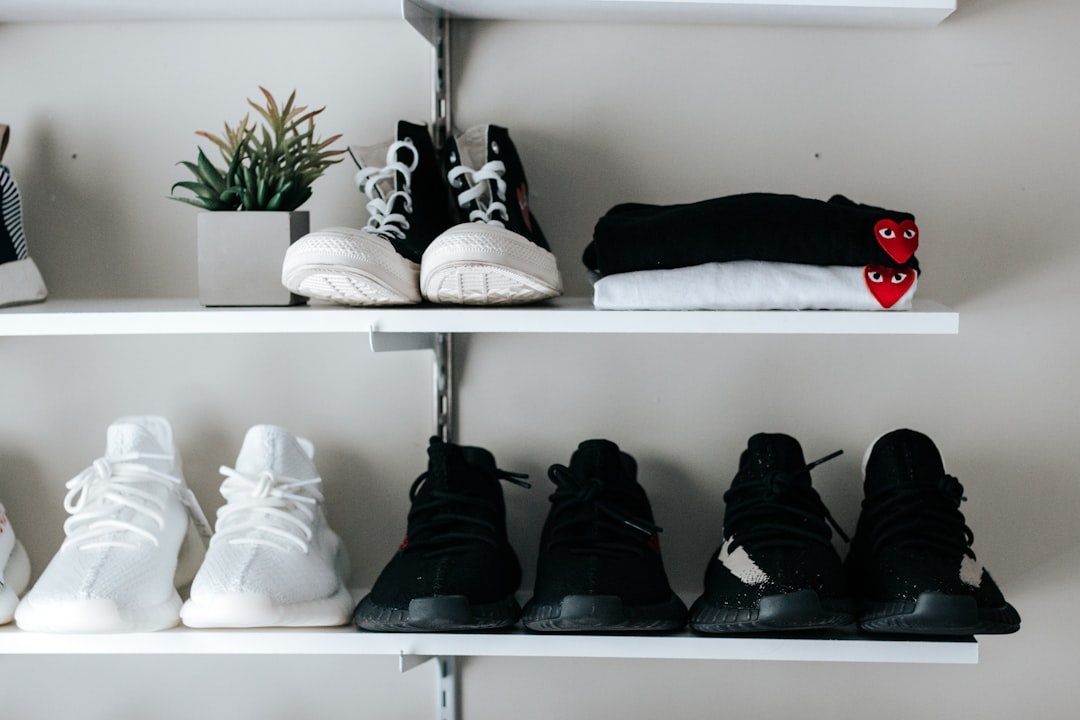
My rule: pack no more than three pairs. Most trips only require two.
- Comfortable walking shoes (non-negotiable)
- Sandals or dress shoes
- Optional: workout shoes
If I’m heading somewhere like the Southwest for a summer road trip — think Zion’s dusty trails and Grand Canyon overlooks like in this 12-day Utah Mighty 5 itinerary — I wear my hiking shoes on the plane and pack lightweight sandals.
And here’s the real hack: stuff your socks, chargers, and even belts inside your shoes. That’s dead space otherwise.
4. Wear Your Bulkiest Items on the Plane
Yes, even in late spring.
Airplanes are cold anyway, and wearing your heaviest jacket, hoodie, or boots can free up 20–30% of your suitcase space. I once wore a denim jacket tied around my waist through Miami airport in June. Zero regrets.
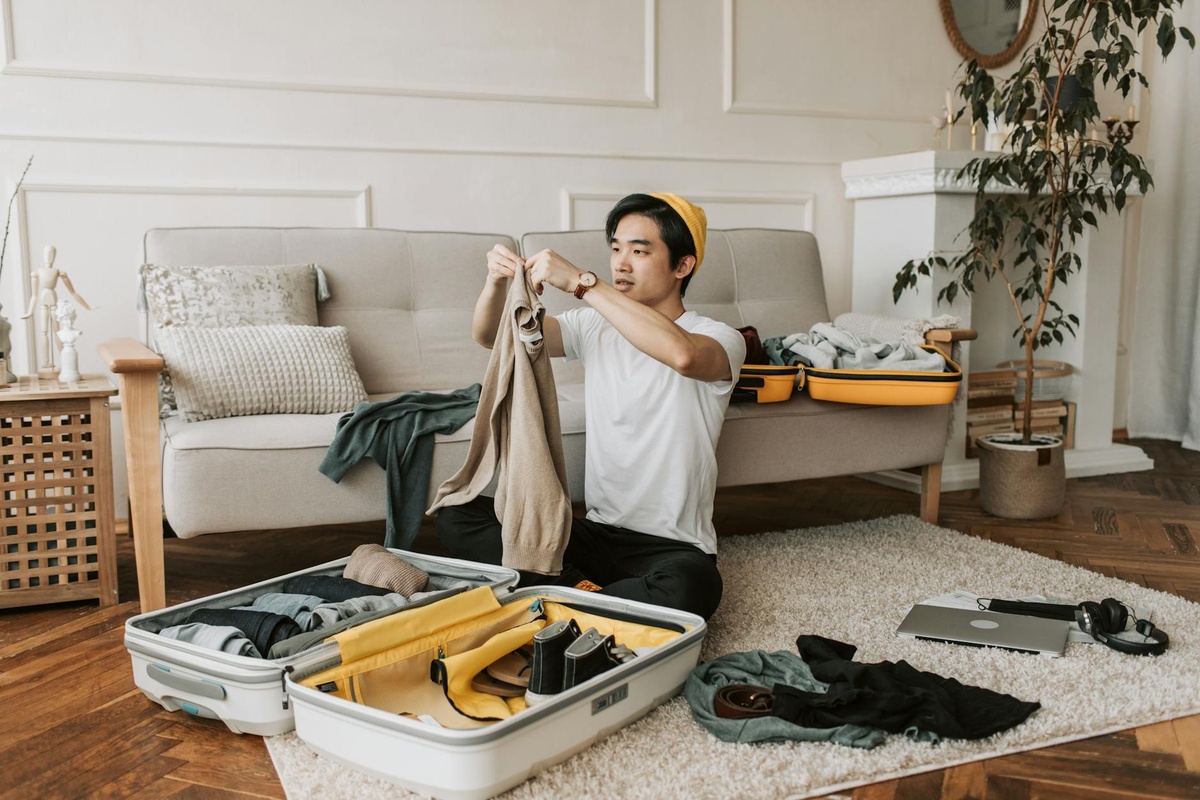
Pro move: use jacket pockets for small items — AirPods, passport, lip balm — during boarding. It keeps your personal item less cluttered.
5. Plan Outfits, Not “Just in Case” Pieces
This is where overpacking begins: the “what if” shirt.
Instead of packing random items, build actual outfits. Before I zip my bag, I can tell you exactly what I’m wearing on each day.
Ask yourself:
- Can this top work with two different bottoms?
- Does this dress work day-to-night?
- Will I realistically wear this twice?
If the answer is no, it stays home.
This approach is especially helpful for food-focused destinations. On a recent Oaxaca trip (where you’ll want room in your bag for edible souvenirs after working through dishes like those in this guide to traditional Oaxacan cuisine), I packed neutral outfits and left space for mole paste and mezcal bottles.
6. The Tech Pouch Rule: One Bag Only
Travel in 2026 means cables. Lots of them.
Instead of scattering chargers throughout your bag, use one small tech pouch. Mine holds:
- Universal adapter ($15–$25)
- Phone charger + backup cable
- Power bank (under 27,000 mAh for flight safety compliance)
- Compact extension cord
Keeping tech centralized saves time at airport security and prevents the dreaded “where is my charger?” hotel meltdown at midnight.
7. Toiletries: Go Smaller Than You Think
You do not need full-size shampoo for a five-day trip.
Most airlines cap liquids at 100 ml (3.4 oz) per container in carry-ons. I decant everything into reusable silicone bottles and use solid alternatives whenever possible — shampoo bars, solid sunscreen sticks, toothpaste tablets.
Bonus: solid products don’t count toward liquid limits.
For beach trips this summer — Mediterranean coast, Mexico’s Pacific side, even Florida — this keeps your bag lighter and avoids leaks in high heat.
8. Leave 15–20% Empty Space
This is the tip nobody talks about.
Never pack to 100% capacity. Aim for 80–85% full. That empty space is for souvenirs, shopping finds, or simply repacking without sitting on your suitcase.
Checked bag fees in 2026 typically range from $30 to $75 per leg on major airlines. Avoiding that cost once or twice already justifies buying a quality carry-on.
9. The Night-Before Flat Lay Test
Before anything goes into your suitcase, lay everything on your bed.
If it looks like too much, it is.
I remove at least two items every single time I do this. Usually they’re “backup” outfits I never end up wearing.
10. Choose the Right Bag
Packing hacks won’t save you if your suitcase is wrong.
For most 4–10 day trips, a 40L carry-on (roughly 21–22 inches tall) is the sweet spot. Soft-sided bags give more flexibility; hard shells offer better protection.
If you’re bouncing between cities — train travel across Europe this summer, for example — four spinner wheels are a game changer. But for cobblestones, two durable wheels often perform better.
Pro Packing Checklist (Screenshot This)
- ✅ Roll lightweight items tightly
- ✅ Limit shoes to two or three pairs max
- ✅ Use packing cubes to organize and compress
- ✅ Wear bulky layers on travel day
- ✅ Centralize all tech in one pouch
- ✅ Leave 15–20% empty space
Final Thoughts: Pack for the Trip You’re Taking
The best packers aren’t minimalists. They’re strategic.
Late spring and summer 2026 travel is all about mobility — quick weekend getaways, national park loops, beach escapes, food festivals. The lighter you pack, the more flexible you are.
Start with one trip. Challenge yourself to go carry-on only. I promise: once you skip baggage claim and walk straight out of the airport, you’ll never go back.
Want more smart travel strategies? Explore more practical guides on Distratech and plan your next trip like a pro.
Frequently Asked Questions
Is rolling clothes really better than folding?
Yes — for most lightweight fabrics, rolling saves up to 30% more space and reduces wrinkles. For bulky items like sweaters, a fold-and-roll hybrid works best.
How many shoes should I pack for a 7-day trip?
Two pairs is ideal: one comfortable walking shoe and one versatile second option (sandals or dress shoes). Add a third only if you have specific activities like hiking.
Are packing cubes worth it?
Absolutely. For $15–$30, packing cubes compress clothing, keep outfits organized, and make unpacking faster — especially for multi-city trips.
How can I avoid paying checked baggage fees?
Stick to a 40L carry-on, wear bulky layers on the plane, and plan mix-and-match outfits. Most airlines charge $30–$75 per checked bag in 2026, so carry-on only saves money fast.

About the Author: Tomáš Bzirský
Founder and editor of Distratech. Based in the Czech Republic, travelling regularly from Central Europe. Writes practical travel guides and travel-tech comparisons (eSIM, apps, airports) in six languages.