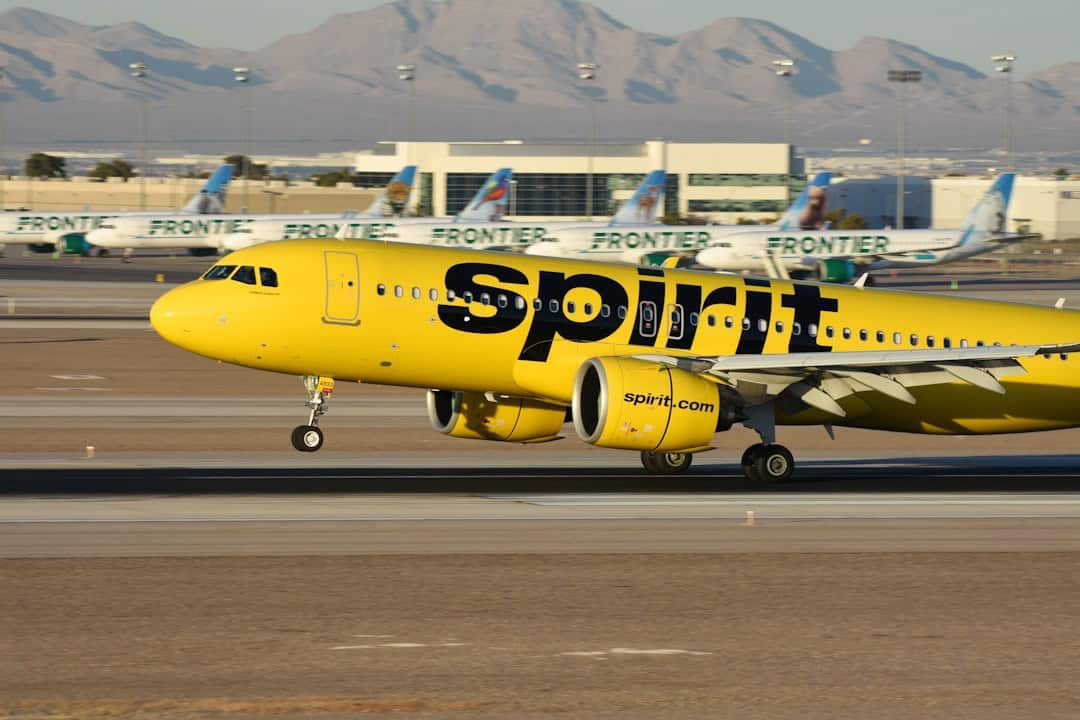
At 3:00AM ET on Saturday, Spirit Airlines canceled every remaining flight and shut down operations after 34 years in business. Within hours, its website redirected to a restructuring page — and thousands of summer travelers were left scrambling.
The trigger? A dramatic spike in jet fuel prices after the U.S.–Iran conflict escalated under President Trump’s war policy, sending global oil markets into panic mode. For ultra-low-cost carriers like Spirit, whose entire business model depends on razor-thin margins and cheap fuel, the math simply stopped working.
Key Takeaways
- Spirit Airlines ceased operations at 3AM ET Saturday after 34 years in service.
- Jet fuel prices reportedly doubled in weeks amid U.S.–Iran conflict escalation.
- Thousands of summer 2026 bookings are now canceled with limited rebooking options.
- Ultra-low-cost carriers are most vulnerable to sustained high fuel prices.
- Expect higher airfare across the U.S. and Caribbean through peak summer travel.
What Exactly Happened?
Fuel is typically 25–35% of an airline’s operating costs. When jet fuel prices double, that percentage can shoot past 50% overnight — especially for airlines that hedge less or operate older, less efficient fleets.
Spirit built its brand on $19 teaser fares and ultra-low base prices. That works when oil is stable. It collapses when global energy markets spike.
Unlike legacy carriers (Delta, United, American), Spirit didn’t have:
- Premium cabins to subsidize losses
- Corporate contracts with locked-in revenue
- International long-haul routes with higher margins
- Large fuel hedging programs to cushion price shocks
When fuel surged, ticket prices couldn’t rise fast enough without killing demand. By early May — right as summer bookings peak — the airline pulled the plug.
Why This Hits Travelers Hard in Late Spring
May and June are prime booking season for:
- Beach trips to Florida and the Caribbean
- Festival travel (Lollapalooza, Bonnaroo, Pride events)
- Family trips to Latin America
- Digital nomads repositioning for summer
Spirit served many of these routes at rock-bottom prices. Think Fort Lauderdale, Orlando, Medellín, Lima, Cancun.
If you were planning a budget-friendly Colombia trip — like following our 5-day Medellín itinerary — your $120 round-trip fare may now cost $280+ on another carrier.
That’s not temporary turbulence. That’s structural pricing pressure.
Will Other Budget Airlines Collapse Too?
Short answer: probably not immediately — but ultra-low-cost carriers are exposed.
Airlines fall into three categories:
- Legacy carriers (Delta, United, American) — diversified revenue, strong balance sheets.
- Hybrid carriers (JetBlue, Alaska) — some pricing flexibility, mid-range margins.
- Ultra-low-cost carriers (Spirit, Frontier, Allegiant) — depend heavily on low fuel costs.
If fuel remains elevated through summer 2026, expect:
- Higher baggage fees
- Reduced route networks
- Fewer promotional fares
- Potential mergers or restructuring
Spirit may be the first domino — not the last.
How This Affects Summer 2026 Flight Prices
Here’s what we’re already seeing in major booking engines:
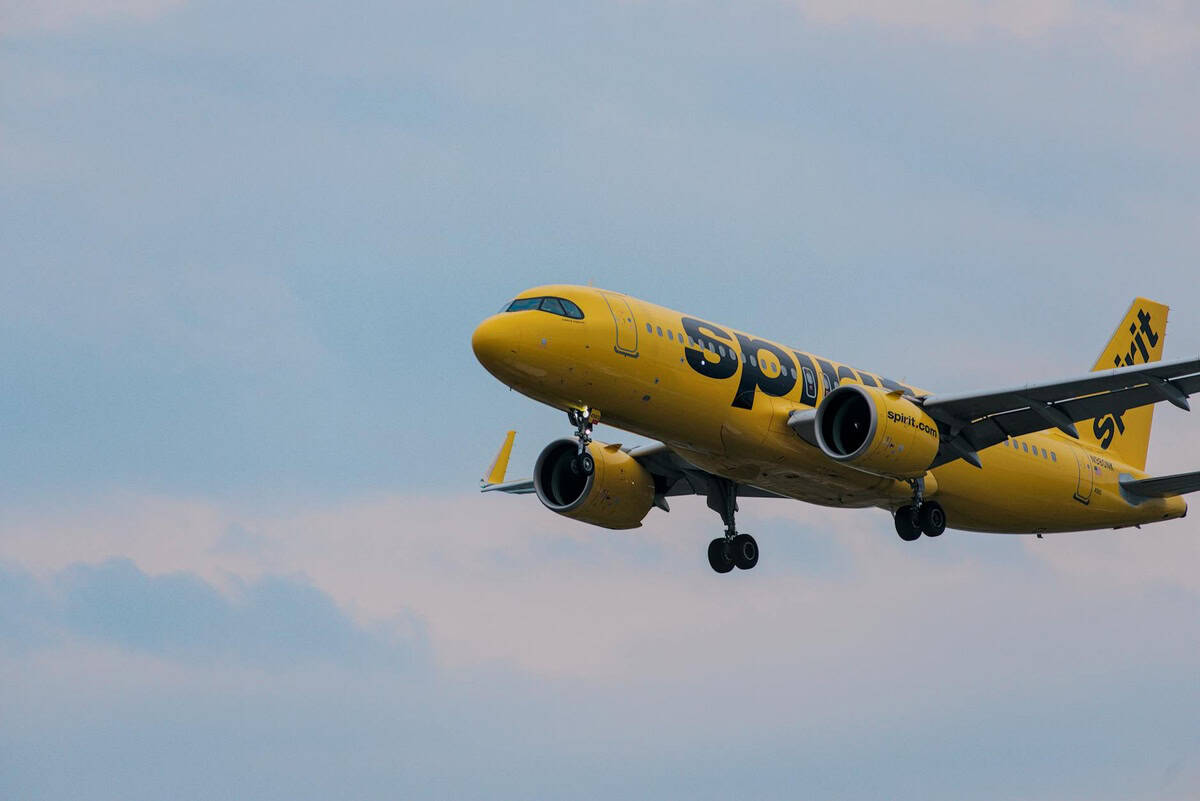
- Domestic U.S. fares up 18–27% month-over-month
- Caribbean routes up 22%
- South America routes up 15–20%
- Last-minute fares spiking fastest
If you’re planning Machu Picchu this summer, expect Lima routes to tighten. Our 10-day Peru itinerary is still worth it — but book flights earlier than usual.
The era of $39 cross-country flights may be over, at least for now.
What To Do If Your Spirit Flight Was Canceled
If you were booked on Spirit for May–August 2026, act fast.
Step 1: Check Your Credit Card Benefits
Many travel cards include trip interruption coverage. Cards like Chase Sapphire Preferred or Amex Platinum may reimburse rebooking costs.
Step 2: Rebook Within 48 Hours
Airfare algorithms spike when demand surges. After a major airline shutdown, routes fill quickly. Waiting can cost hundreds more.
Step 3: Consider Nearby Airports
Flying into Miami instead of Fort Lauderdale — or Newark instead of LaGuardia — can save real money right now.
Step 4: Use Fare Alerts Aggressively
Set Google Flights alerts immediately. Prices are volatile day-to-day.
The Bigger Tech Angle: Airlines Run on Data — But They Can’t Outsmart Oil
Modern airlines use AI for dynamic pricing, predictive maintenance, route optimization, and fuel efficiency modeling.
But no algorithm can neutralize a geopolitical shock that doubles energy costs.
Even the most optimized route planning software can’t fix:
- Sudden supply chain disruptions
- Sanctions on oil exports
- Military escalation near shipping routes
This is a reminder that travel tech is powerful — but macroeconomics still wins.
Is This the End of Ultra-Cheap Travel?
Not permanently. But the model is fragile.
Ultra-low-cost airlines depend on three conditions:
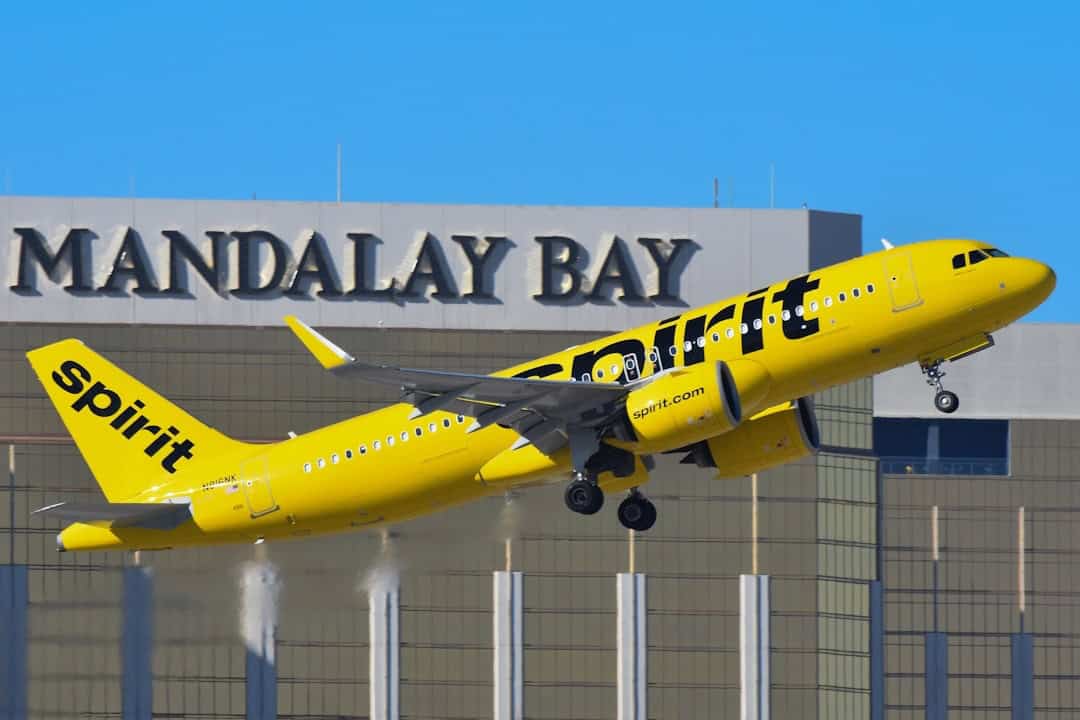
- Stable oil prices
- High passenger load factors (90%+)
- Strong discretionary travel demand
Geopolitical conflict disrupts all three.
Compare that to cruise lines investing in alternative fuels and efficiency upgrades — like the operator that cut emissions by 90% on a 12-day voyage (see our breakdown here). Aviation is still heavily oil-dependent.
Until sustainable aviation fuel (SAF) scales meaningfully — and it’s still expensive — airlines remain vulnerable to oil shocks.
What Smart Travelers Should Do Now
If you’re planning summer travel in 2026, here’s my practical advice:
- Book earlier than usual — volatility favors early commitments.
- Avoid ultra-tight layovers — rebooked itineraries are messy.
- Choose airlines with stronger balance sheets — stability matters.
- Consider alternative transport — road trips (like this Banff & Jasper Rockies drive) may suddenly look more appealing.
- Watch fuel prices — they now directly predict airfare trends.
This summer might be the year of strategic travel, not spontaneous $49 escapes.
The Digital Nomad Impact
Remote workers feel this differently.
Budget carriers were the backbone of nomad mobility — quick hops between U.S. hubs and Latin America. If airfare stays elevated, expect:
- Longer stays in each destination
- Fewer back-and-forth trips
- More regional consolidation (e.g., staying within South America instead of U.S.–LATAM hopping)
Mobility is becoming more expensive — and planning matters again.
Final Thoughts: Cheap Flights Were Never Guaranteed
Spirit Airlines’ shutdown is more than an airline bankruptcy story. It’s a reminder that global politics, energy markets, and travel tech are tightly connected.
For 34 years, Spirit made flying accessible to millions. But ultra-cheap airfare depends on global stability — and 2026 isn’t exactly stable.
If you’re traveling this summer, book smart, monitor prices, and prioritize reliability over rock-bottom fares. The era of extreme budget flying may return — but not while jet fuel costs twice what it did a few months ago.
Frequently Asked Questions
Why did Spirit Airlines shut down?
Spirit ceased operations after jet fuel prices reportedly doubled amid escalating U.S.–Iran conflict, making its ultra-low-cost model financially unsustainable.
Will I get a refund if my Spirit flight was canceled?
Passengers with canceled flights are expected to receive refunds through the restructuring process, but timelines may vary; credit card travel protections may offer faster reimbursement.
Are other budget airlines at risk?
Ultra-low-cost carriers are more vulnerable to sustained high fuel prices, but larger legacy airlines currently have stronger financial buffers and diversified revenue streams.
Will flight prices keep rising in summer 2026?
If jet fuel remains elevated, analysts expect domestic and Caribbean fares to stay 15–25% higher than early 2026 levels through peak summer travel.

About the Author: Tomáš Bzirský
Founder and editor of Distratech. Based in the Czech Republic, travelling regularly from Central Europe. Writes practical travel guides and travel-tech comparisons (eSIM, apps, airports) in six languages.