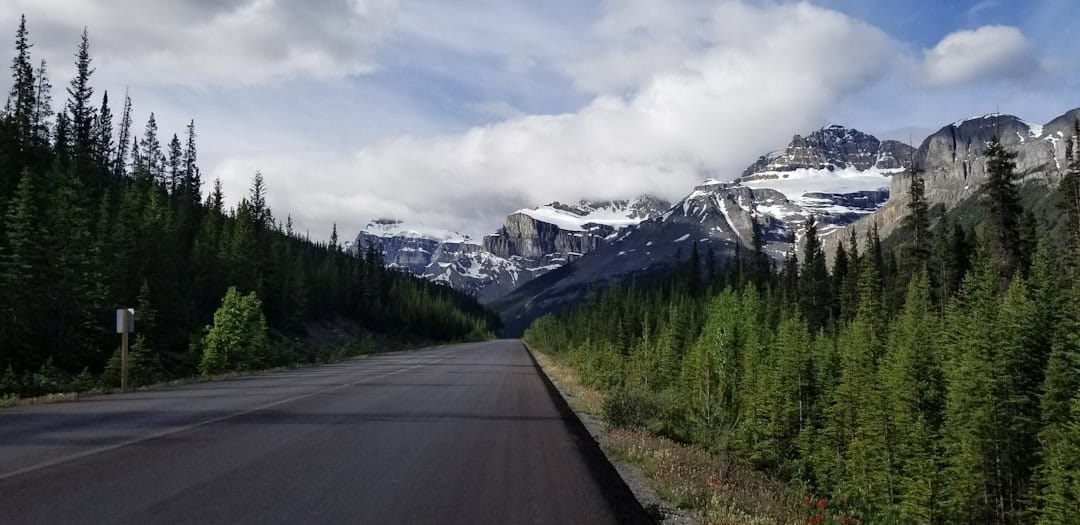
I’ve driven the Icefields Parkway three times, and every single time I’ve had to pull over just to stare. The 232 km (144-mile) stretch between Banff and Jasper is hands-down one of the most beautiful highways on Earth — and in late spring (May into June 2026), waterfalls are roaring, snow still caps the peaks, and summer crowds haven’t fully descended yet.
You can technically drive it in 3 hours without stops. Don’t. Give yourself at least 2 full days — 3 if you like hiking, kayaking, or simply not rushing through turquoise-lake overload.
Key Takeaways
- The Banff–Jasper Icefields Parkway is 232 km (144 miles) and takes 2–3 days to enjoy properly.
- Park entry costs about CAD $11 per adult per day (Parks Canada pass required).
- Late May to mid-June 2026 offers peak waterfalls and fewer crowds than July–August.
- Fuel is limited — fill up in Banff, Lake Louise, or Jasper before driving.
Stop 1: Banff Town — Start Early, Skip the Chains
Banff is charming but increasingly crowded (and pricey). Coffee on Banff Ave will run you CAD $6–7, and hotel rates in summer 2026 are already hovering around CAD $350+ per night for mid-range properties.
My advice? Stay slightly outside town or book months ahead. Grab breakfast at Wild Flour Bakery (go before 8 a.m.), then get on the road before tour buses clog up the highway.
Tourist trap alert: Banff Upper Hot Springs. It’s fine, but crowded and not exactly serene. Save your soak for somewhere quieter.
Stop 2: Lake Louise — Yes, It’s Worth It (With Strategy)
Lake Louise is the postcard. The water is that unreal glacial blue — especially in late spring when snow still frames the shoreline.
Parking fills before 7 a.m. in peak season. In 2026, expect parking fees around CAD $36 per vehicle per day. Alternatively, reserve the Parks Canada shuttle in advance.
Skip the flat lakeshore stroll and hike up to Lake Agnes (7 km round trip, moderate). You’ll get fewer crowds and arguably better views.
Stop 3: Moraine Lake — If It’s Open
Moraine Lake typically opens late May or early June depending on snowpack. Private vehicles are still restricted, so you’ll need a shuttle or guided transfer.
It’s smaller than Lake Louise but more dramatic — ten peaks rising straight out of the water. Sunrise here is unreal, but expect a 4 a.m. wake-up.
If access logistics stress you out, consider this your permission to skip it. The Rockies have plenty of equally jaw-dropping alternatives.
Stop 4: Peyto Lake — The Quick Win
Peyto Lake is the easiest “wow” stop on the Parkway. It’s a 10-minute uphill walk from the parking lot to the viewpoint.
The wolf-shaped lake is brightest midday when sunlight hits the glacier flour. Even in May, snowbanks often line the trail — wear proper shoes.
This is your perfect 30-minute stretch-your-legs stop.
Stop 5: Mistaya Canyon — Underrated and Powerful
Most people blast past Mistaya Canyon. Big mistake.
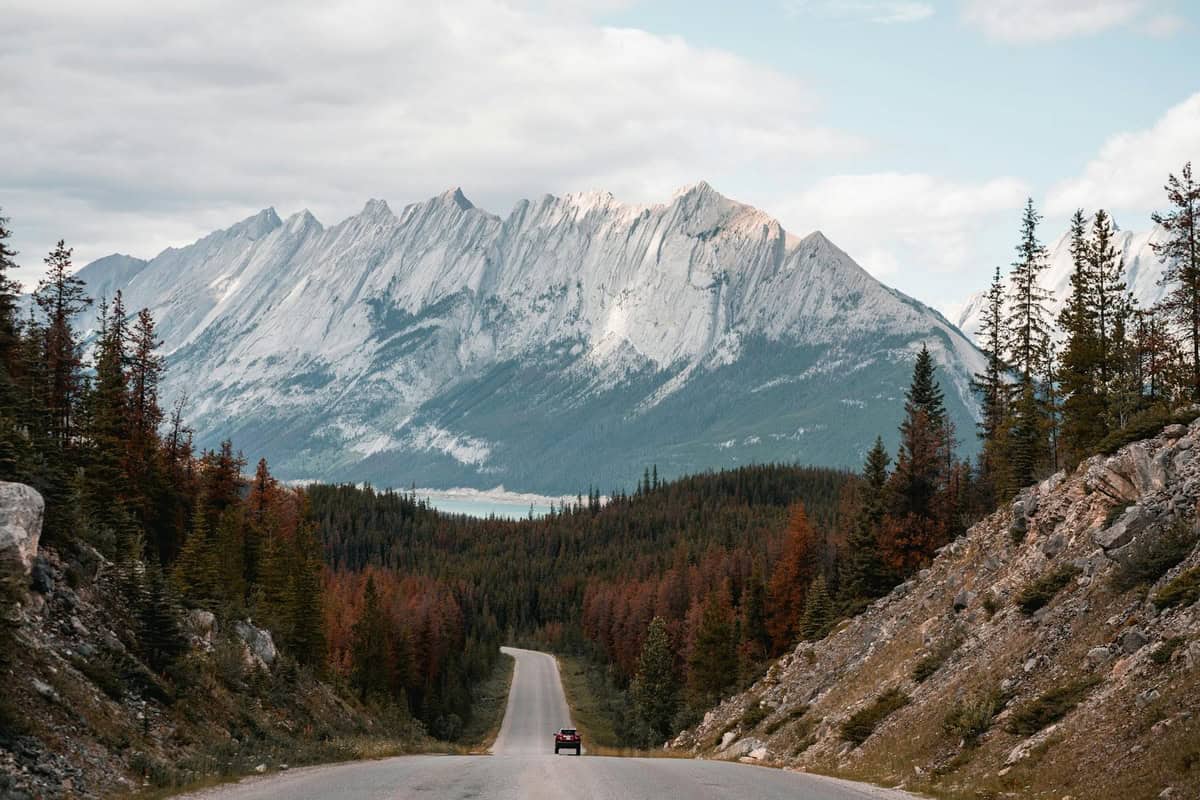
It’s a short 1 km walk to see turquoise water violently carving through limestone. In late spring, snowmelt makes the flow especially dramatic. It’s one of the few places where you truly feel the power of the Rockies.
Stop 6: Columbia Icefield & Athabasca Glacier — The Big One
The Columbia Icefield is massive — one of the largest icefields in the Rockies. You can walk to the toe of Athabasca Glacier for free (about 1.5 km round trip).
Guided glacier tours cost roughly CAD $120–$150 per adult in 2026. Worth it? If you’ve never stepped on a glacier, yes. Otherwise, the self-guided viewpoint is impressive enough.
This is also where you’ll find the Skywalk (glass platform over a canyon). I’ll be honest — it feels engineered for Instagram. If you’re short on time or budget, skip it.
Stop 7: Sunwapta Falls — Quick but Mighty
Just south of Jasper, Sunwapta Falls is a short walk from the parking lot and delivers serious impact.
In May and June, meltwater turns it into a thunderous cascade. It’s less famous than Athabasca Falls but often less crowded.
Stop 8: Athabasca Falls — End with Drama
Athabasca Falls isn’t the tallest waterfall in the Rockies — but it might be the most forceful.
Walk the short network of trails and bridges to see water slam through narrow rock channels. This is a fantastic golden-hour stop before heading into Jasper town for the night.
Where to Stay: Banff vs. Jasper
Banff is busier, trendier, and better for restaurants. Jasper feels quieter and more wilderness-focused.
If you only choose one overnight base, I’d pick Jasper. It’s more relaxed after a long day of driving and hiking.
Book early for summer 2026. With festival season and strong North American travel demand, rooms sell out fast.
Practical Tips for the Icefields Parkway
- Fuel up early: Gas stations are scarce and expensive along the Parkway.
- Download offline maps: Cell service is spotty to nonexistent.
- Pack layers: It can be 18°C in Banff and near freezing at higher elevations.
- Wildlife rules: If you see bears or elk, stay in your vehicle and never approach.
- Track your luggage: Flying into Calgary? Consider using a smart tracker — here’s a practical comparison of AirTag vs Pebblebee vs CaseSafe in 2026 to avoid baggage stress.
When Is the Best Time for a Banff & Jasper Road Trip?
Late May to mid-June 2026 is a sweet spot. Waterfalls are powerful, snow still decorates the peaks, and summer vacation crowds haven’t peaked.
July and August bring warmer weather (20–25°C daytime highs) but significantly more traffic and higher accommodation prices.
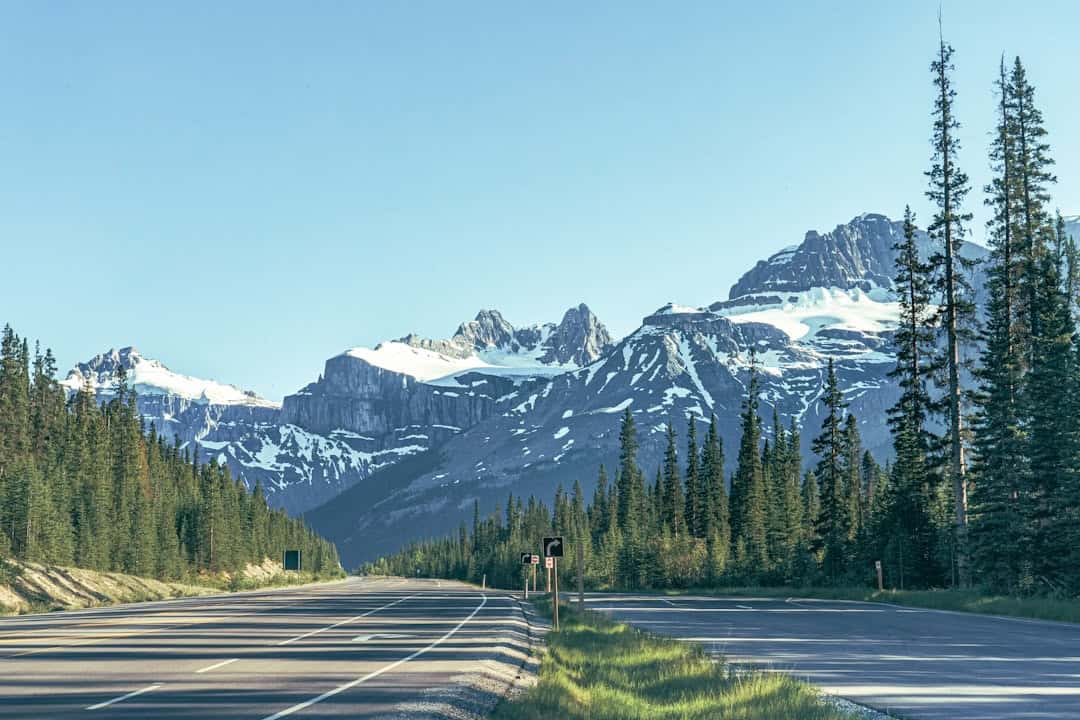
If you’re planning other early summer trips, you might also like this guide on where to travel in June for fewer crowds and perfect weather — the Rockies pair surprisingly well with a coastal getaway.
Budget Breakdown (Per Person, 2 Days)
Here’s a realistic mid-range estimate for 2026:
- Car rental (shared): CAD $60–100/day
- Accommodation: CAD $175–350/night
- Parks Canada pass: ~CAD $11/day
- Food: CAD $40–70/day
- Optional glacier tour: CAD $120–150
Total: roughly CAD $350–700 per person for a 2-day trip, depending on splurges.
Is the Banff & Jasper Road Trip Worth It?
Absolutely. Few road trips pack this much scenery into such a manageable distance.
Just don’t treat it like a checklist. Pick your stops, wake up early, linger at the lakes, and accept that you won’t see everything in one go.
The Rockies reward slow travel.
Conclusion: Plan Smart, Drive Slow
The Banff & Jasper road trip isn’t just about ticking off Lake Louise and calling it a day. It’s about glacier-fed waterfalls, roadside bear sightings (from a safe distance), and those quiet moments when you pull over and realize you’re in one of the wildest landscapes in North America.
If summer 2026 is your window, start booking now — especially accommodations and shuttles. Then build in flexibility, leave room for detours, and let the Icefields Parkway do what it does best: completely blow your mind.
Ready to plan? Bookmark this guide, map out your stops, and start watching flight deals into Calgary.
If you’re planning your Banff–Jasper road trip stay: book hotels in Banff early for the best availability in peak spring and early summer.
Frequently Asked Questions
How long does it take to drive from Banff to Jasper?
Without stops, about 3 hours. Realistically, plan 2 full days to enjoy lakes, waterfalls, and short hikes along the Icefields Parkway.
How much does a Banff & Jasper road trip cost?
Expect CAD $350–700 per person for 2 days, including accommodation, food, car rental, and park fees. Add CAD $120–150 if you book a glacier tour.
When is the best time to visit Banff and Jasper?
Late May to mid-June offers strong waterfalls and fewer crowds. July and August are warmer but busier and more expensive.
Do you need a park pass for Banff and Jasper?
Yes. A Parks Canada pass costs about CAD $11 per adult per day, or you can buy an annual Discovery Pass if visiting multiple national parks.

About the Author: Tomáš Bzirský
Founder and editor of Distratech. Based in the Czech Republic, travelling regularly from Central Europe. Writes practical travel guides and travel-tech comparisons (eSIM, apps, airports) in six languages.