I’ve been skeptical of “green cruising” for years. Floating cities burning bunker fuel while serving bottomless buffets? Hard pass.
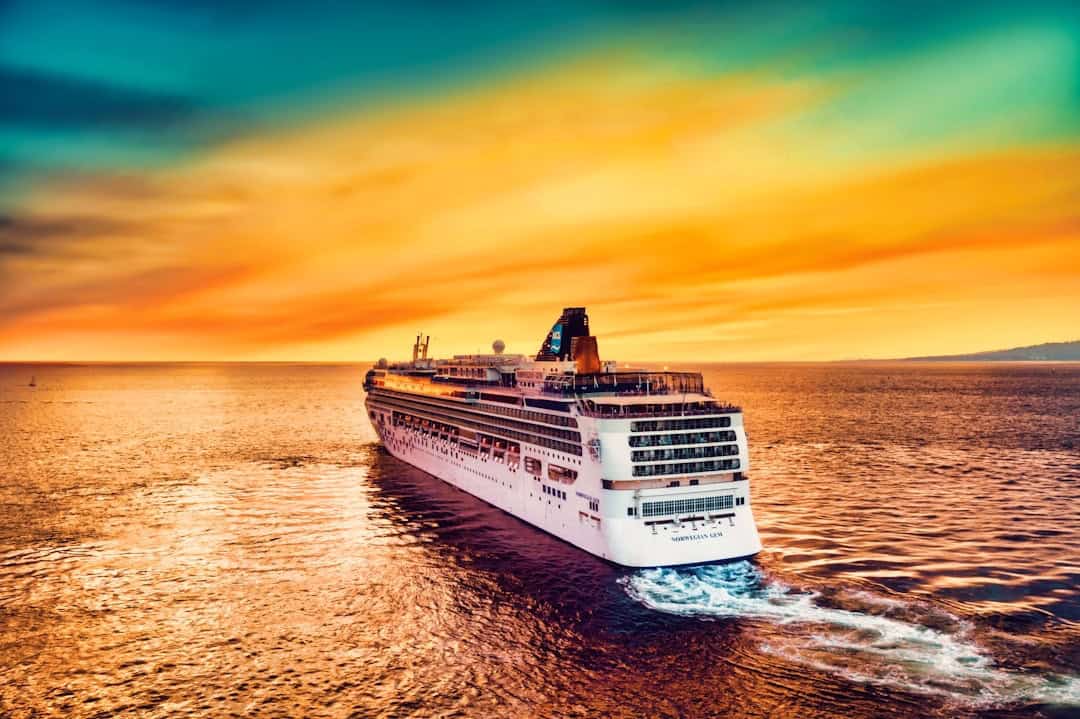
But this spring, I stepped aboard a 12-day Northern Europe voyage that claimed to cut carbon emissions by 90% compared to a conventional cruise of the same size. I expected clever marketing. What I found was something far more interesting: a genuine tech overhaul that might actually change how we travel by sea.
Key Takeaways
- The 12-day voyage reduced lifecycle CO₂ emissions by up to 90% using green methanol and shore power.
- The ship ran on dual-fuel engines, switching to near-zero-emission fuel in port and sensitive zones.
- Passengers paid roughly 8–12% more than comparable Baltic cruises (from $2,400 per person).
- Real-time energy tracking apps let guests monitor their own cabin’s energy and water use.
The Route: 12 Days Through Northern Europe
The sailing departed from Copenhagen in late April 2026 — prime shoulder season. Cool mornings (around 12°C/54°F), long daylight hours, and fewer crowds than peak July.
We covered roughly 2,100 nautical miles, calling at Oslo, Gothenburg, Hamburg, Rotterdam, and a handful of smaller Baltic ports.
If you’re considering Europe in early summer but want to avoid packed streets and inflated prices, take a look at our guide on where to travel in June for fewer crowds and perfect weather. Scandinavia right now is hard to beat.
1. The Fuel Switch: Green Methanol Instead of Heavy Fuel Oil
Traditional cruise ships burn heavy fuel oil — cheap, dirty, and carbon-intensive.
This ship used green methanol produced from renewable sources. Lifecycle emissions? Up to 90% lower than conventional marine fuels, according to independent maritime assessments shared during our onboard sustainability briefing.
What surprised me wasn’t just the fuel. It was the flexibility.
The ship’s dual-fuel engines allowed it to:
- Run entirely on green methanol in sensitive fjords and port areas
- Switch fuels depending on availability and infrastructure
- Maintain full cruising speed (18–20 knots) without performance loss
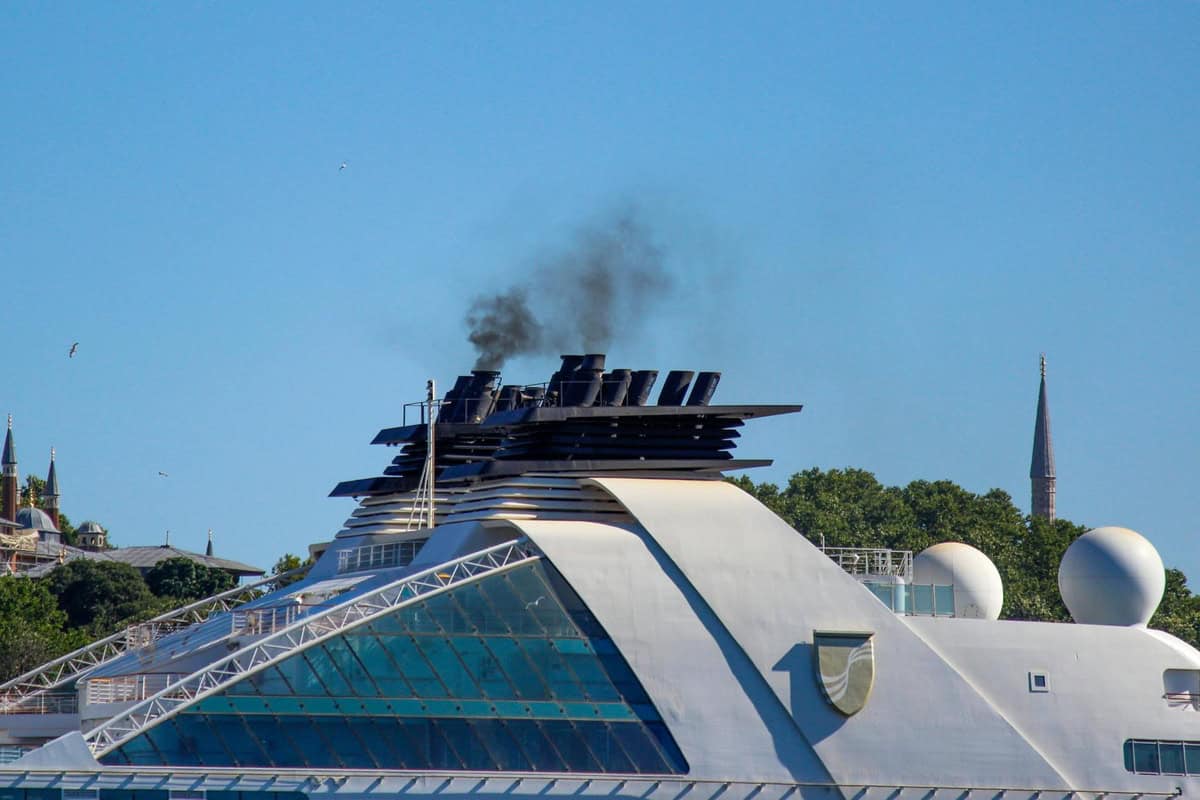
No visible smoke. No diesel smell on deck at sunset. That alone felt revolutionary.
2. Plugging Into Shore Power (Cold Ironing)
Here’s where the real emissions drop happened.
In ports like Oslo and Rotterdam, the ship shut down its engines completely and plugged directly into the local electrical grid — a system known as shore power or “cold ironing.”
Because these countries rely heavily on renewables (Norway’s grid is over 90% hydroelectric), emissions while docked were nearly zero.
On older ships, engines run 24/7 — even in port — just to keep lights, kitchens, and HVAC going. This ship went silent.
Standing on deck in Oslo without the hum of diesel generators? You could actually hear seagulls again.
3. AI-Optimized Routing Cut Fuel Burn Further
This is where travel meets tech — and where distratech readers will appreciate the nerdy details.
The ship used AI-assisted voyage optimization software to analyze:
- Wind patterns in the North Sea
- Currents in the Skagerrak Strait
- Port congestion data
- Hull resistance in real time
Instead of blasting at maximum speed, the captain adjusted arrival times slightly to avoid idling outside ports.
Arriving 40 minutes later in Hamburg shaved measurable fuel consumption over hundreds of miles. Multiply that by a 12-day voyage, and you’re talking serious reductions.
4. Energy Efficiency Onboard (Yes, Even the Buffets)
Cruise ships waste energy in shocking ways — especially in food production.
This vessel redesigned its galley systems with heat recovery technology. Waste heat from engines and kitchens was redirected to:
- Heat pool water
- Preheat freshwater systems
- Warm interior spaces in colder climates
Even cabin balconies used smart glass to reduce heat loss.
In my stateroom, a small tablet displayed real-time water and electricity usage. It sounds gimmicky, but seeing your own consumption changes behavior. I took shorter showers. Most passengers did.
5. Sustainable Shore Excursions (Finally Done Right)
Here’s where many “eco cruises” fail — they clean up the ship but ignore what happens on land.
This itinerary prioritized:
- Electric bus transfers in Oslo
- Bike tours in Copenhagen and Gothenburg
- Small-group walking excursions capped at 15 people
- Partnerships with local food producers instead of mass tourist restaurants
In Rotterdam, instead of a generic canal cruise, we visited an urban vertical farm supplying local restaurants. It was far more memorable than another crowded tourist boat.
And yes, they avoided the worst cruise traps. No forced jewelry stops. No “free” shuttles that deposit you in souvenir warehouses.
Did It Cost More?
Short answer: yes — but not outrageously.
My balcony cabin started at $2,400 per person for 12 nights. Comparable Baltic cruises this season hover around $2,100–$2,300.
So you’re paying roughly 8–12% more for dramatically lower emissions.
For travelers already spending thousands on flights, hotels, and excursions, that premium felt reasonable.
What This Means for Summer 2026 Travel
Cruise lines are under pressure. European ports are tightening environmental regulations, and some Mediterranean cities are limiting ship access entirely.
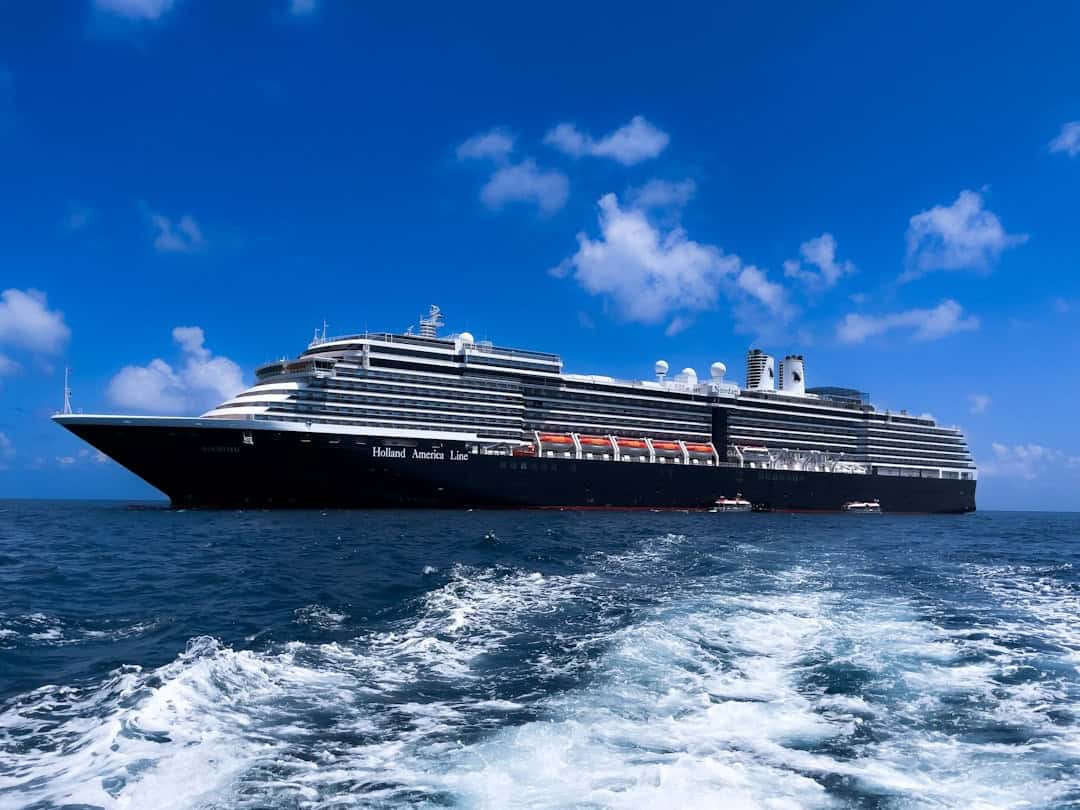
Green fuel infrastructure is expanding fast in Scandinavia, the Netherlands, and parts of Germany. Expect more itineraries like this through late summer 2026.
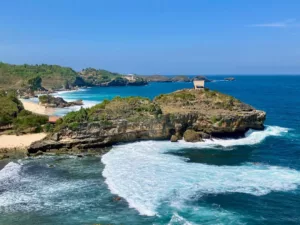
If you’re planning beach-heavy travel instead of a northern route, you might also consider lesser-known coastal destinations — especially before peak July pricing kicks in. We’ve rounded up hidden beach destinations in Southeast Asia for summer 2026 that pair well with low-impact travel planning.
Is This the Future of Cruising?
Here’s my honest take: this isn’t perfect.
Green methanol production is still limited. Not every port offers shore power. And aviation emissions to reach the embarkation port still matter.
But compared to legacy cruise models? This is a massive leap.
A 90% reduction in voyage emissions isn’t incremental — it’s transformational.
If major cruise lines scale dual-fuel ships and invest in renewable fuels over the next five years, we could see a real shift in maritime tourism’s environmental footprint.
Practical Tips If You Want to Book a Low-Emission Cruise
- Ask about fuel type. “LNG-ready” is not the same as running on renewable fuels.
- Check shore power compatibility. Not all ships can plug in, even if the port offers it.
- Travel in shoulder season. April–June and September reduce crowd pressure and fuel demand.
- Offset flights separately. Cruise emissions may drop, but flights still count.
- Choose itineraries with short port distances. Fewer long sea days = less fuel burned.
Also: book early. Sustainable ships are still limited in number, and demand for greener travel options is rising fast heading into summer 2026.
The Bottom Line
I boarded expecting clever marketing. I left cautiously optimistic.
This 12-day voyage proved that cruising doesn’t have to be synonymous with excess and pollution. With green fuels, AI routing, and shore power, emissions can drop dramatically — without sacrificing comfort.
If you’ve written off cruising entirely, it might be time to take another look.
And if you’re planning summer travel now, consider where your footprint matters most. The future of travel isn’t just about where we go — it’s about how we get there.
Want more smart, tech-forward travel insights? Explore more guides on distratech.com and plan your next trip with impact in mind.
Frequently Asked Questions
How much does a low-emission cruise cost?
Expect to pay 8–12% more than conventional cruises. For example, a 12-day Northern Europe itinerary in 2026 starts around $2,400 per person for a balcony cabin.
Are green methanol cruise ships really 90% cleaner?
Lifecycle CO₂ emissions can be reduced by up to 90% compared to heavy fuel oil, depending on how the methanol is produced and whether shore power is used in port.
Do all ports support shore power?
No. Many Northern European ports like Oslo and Rotterdam do, but infrastructure is still limited in parts of the Mediterranean and North America.
Is cruising a sustainable way to travel in 2026?
It depends on the ship and fuel type. New dual-fuel vessels using renewable energy sources are significantly cleaner than older ships, but flights and overall consumption still matter.

About the Author: Tomáš Bzirský
Founder and editor of Distratech. Based in the Czech Republic, travelling regularly from Central Europe. Writes practical travel guides and travel-tech comparisons (eSIM, apps, airports) in six languages.