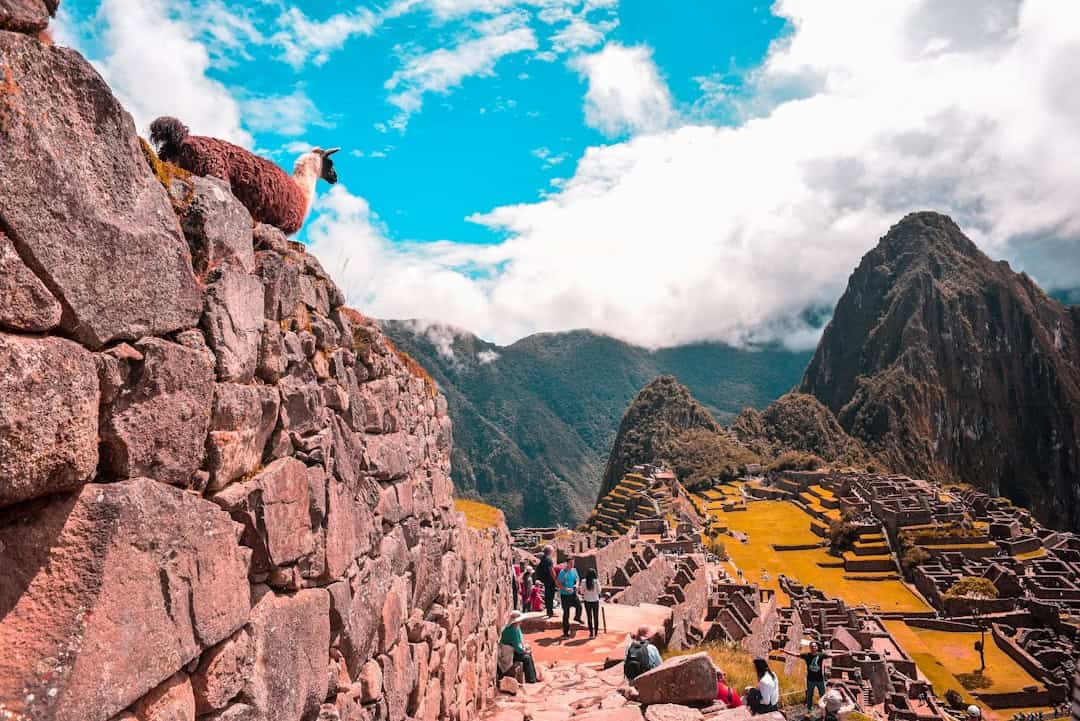
I’ve done this Peru route twice — once backpacking on $60 a day, once staying in boutique hotels and taking the panoramic train to Machu Picchu. Both times, the magic hit the same: sunrise over the Andes, ceviche that ruins all other ceviche, and Inca ruins that feel genuinely otherworldly.
If you’ve got 10 days in Peru, this is the sweet spot. You’ll cover Lima, Cusco, Machu Picchu, and the Sacred Valley without feeling rushed — and without wasting time on tourist traps.
Key Takeaways
- Budget $1,200–$2,500 per person for 10 days, depending on trains and hotels.
- Book Machu Picchu tickets 4–8 weeks ahead for May–September high season.
- Fly Lima → Cusco (1h20m, ~$50–$120) instead of taking the 20+ hour bus.
- Spend at least 2 nights in the Sacred Valley to acclimate before Machu Picchu.
- Late May and June offer dry weather and fewer crowds than peak July.
Day 1–2: Lima — Food Capital with Grit
Lima surprised me. It’s chaotic, gray in winter, and absolutely obsessed with food. Base yourself in Miraflores or Barranco — not downtown — for safety and walkability.
Must-do: Walk the Malecón at sunset. The cliffs above the Pacific are dramatic, especially in late spring when skies are clearer and paragliders fill the air.
Eat here (no debate):
- La Mar – Ceviche clásico (~$20). Go for lunch; it’s closed at dinner.
- Maido – Nikkei tasting menu (~$280). Expensive, but world top-50 level.
- Isolina (Barranco) – Order one dish to share unless you’re starving.
Skip overpriced tourist buffet shows. If you want pre-Columbian history, the Larco Museum is genuinely worth 2–3 hours.
Day 3: Fly to Cusco — Go Slow
Cusco sits at 11,150 feet (3,400m). You will feel it. Even fit travelers get winded walking uphill.
Take a morning flight (1 hour 20 minutes). Fares hover around $70 if booked early. Upon arrival, drink coca tea, skip alcohol, and keep your schedule light.
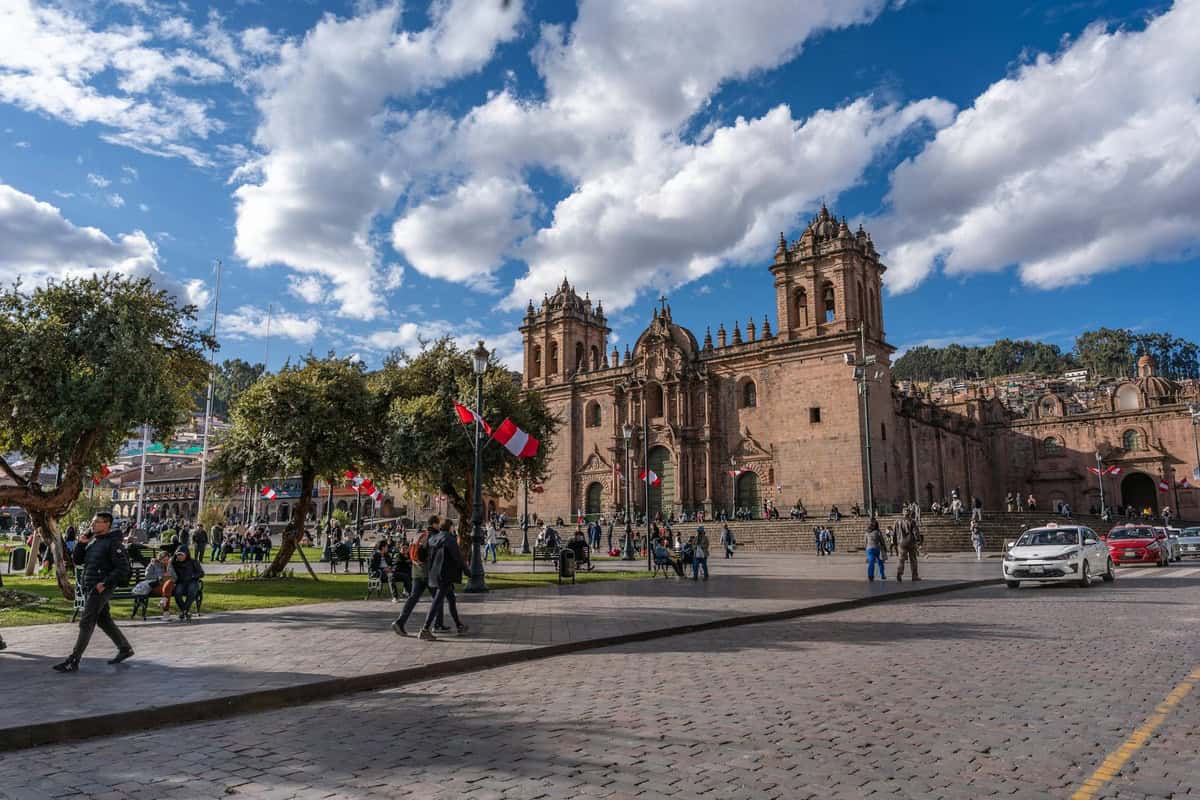
Spend the afternoon wandering San Blas and Plaza de Armas. Cusco is touristy, yes — but the Inca stonework blended with colonial buildings is mesmerizing.
Day 4: Sacred Valley — The Smart Way to Acclimate
Here’s my strong opinion: don’t rush straight to Machu Picchu. Go to the Sacred Valley first. It’s lower altitude (around 9,000 feet) and far less hectic.
Hire a driver for the day (~$100–$140) or join a small group tour.
Stops worth your time:
- Pisac ruins – Terraces with sweeping valley views.
- Ollantaytambo – My favorite Inca site after Machu Picchu.
- Chinchero – Traditional weaving demos without the hard sell.
Stay overnight in Ollantaytambo. It’s charming and positions you perfectly for the train next morning.
Day 5: Machu Picchu — Do It Right
Book the earliest train you can tolerate. From Ollantaytambo to Aguas Calientes takes about 1.5 hours. Expect $70–$150 each way depending on class.
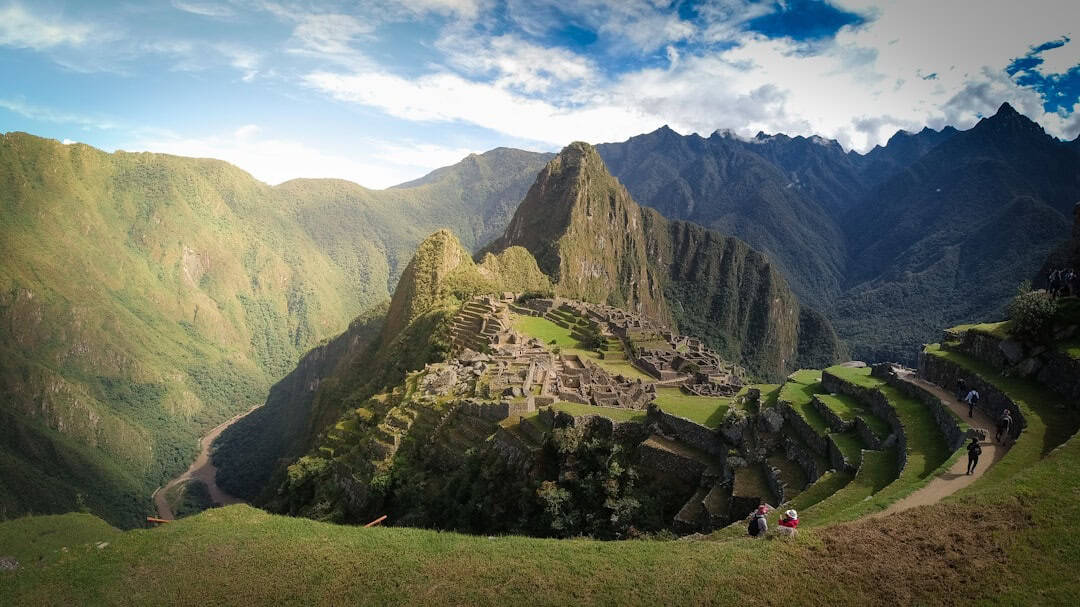
Machu Picchu entry tickets cost around $45–$60. Circuits are now regulated (since 2024 updates), so choose carefully when booking. Circuit 2 offers the classic postcard views.
Take the first bus up from Aguas Calientes (~$24 round trip). Gates open around 6am. Early entry means mist lifting off the ruins — pure magic.
Is Huayna Picchu worth it? If you’re fit and not afraid of heights, yes. But book weeks in advance; spots sell out fast during June–August.
Return to Ollantaytambo or stay one night in Aguas Calientes if you prefer a slower pace.
Day 6: Hidden Sacred Valley Gems
Most people leave after Machu Picchu. Big mistake.
Spend another day exploring quieter spots:
- Moray – Circular Inca agricultural terraces that look alien.
- Maras Salt Mines – Thousands of salt pools cascading down a hillside.
- Huchuy Qosqo hike – A moderate 3–4 hour trek with barely any crowds.
Late May and June bring dry trails and green landscapes from lingering rainy season growth — arguably the best combination.
Day 7–8: Back to Cusco — Culture + Adventure
Return to Cusco and dive deeper.
Day 7: Visit Sacsayhuamán (a 15-minute taxi, ~$5). The scale of the stone blocks is absurd. In the afternoon, explore the San Pedro Market for cheap eats (fresh juice ~$2).
Day 8: Choose your adventure:
- Rainbow Mountain (long 12-hour day, very crowded)
- Humantay Lake hike (equally stunning, slightly fewer buses)
- ATV tour in the Sacred Valley (fun, less physically intense)
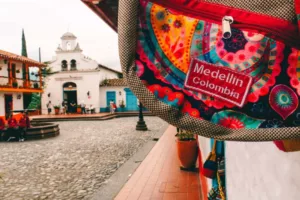
If you loved high-altitude cities like Medellín, you might enjoy comparing the vibe with this 5-day Medellín itinerary — totally different culture, similar mountain energy.
Day 9–10: Return to Lima — Slow Down
Fly back to Lima on Day 9 afternoon. Spend your final evening in Barranco, bar-hopping and watching live music.
On Day 10, take a half-day trip to Paracas (3.5-hour bus) if you love wildlife, or simply café-hop and shop for last-minute alpaca goods.
Pro tip: Buy alpaca in Cusco, not airport shops. Check labels — many “alpaca” items are synthetic blends.
Practical Tech & Travel Tips
This is Distratech, so let’s get practical.
- eSIM: Airalo or Holafly Peru plans start around $9–$20 for 7–10 days.
- Offline maps: Download Google Maps for Cusco and the Sacred Valley — signal drops often.
- Train tickets: Use PeruRail or Inca Rail directly; avoid third-party markups.
- Altitude meds: Ask your doctor about acetazolamide if you’re sensitive.
- Cash: Carry small soles bills for taxis and markets.
Peru isn’t as dirt-cheap as it once was, but it’s still excellent value compared to Europe or North America.
Estimated 10-Day Budget (Per Person)
- Flights within Peru: $120–$250
- Machu Picchu (entry + train + bus): $150–$300
- Hotels: $25 hostel / $80 mid-range / $200+ boutique
- Food: $15–$60 per day depending on splurges
- Tours & drivers: $150–$300 total
Total: Roughly $1,200 budget to $2,500 comfort travel.
When to Visit Peru in 2026
Late May through September is dry season in the Andes — clear skies, chilly nights, and peak demand.
June is ideal: fewer crowds than July, excellent hiking weather, and festival season kicking off (Inti Raymi in Cusco on June 24 is spectacular — book hotels early).
Avoid February for Machu Picchu if possible; heavy rains can disrupt trains and close parts of the Inca Trail.
Final Thoughts: Why 10 Days in Peru Is Perfect
Ten days gives you contrast: coastal Lima, high-altitude Cusco, bucket-list Machu Picchu, and the quieter Sacred Valley that most people rush through.
If you plan it smartly — acclimate properly, book trains early, and avoid overpriced tours — Peru feels adventurous but manageable.
Thinking of combining Peru with another Latin American destination? Pair it with Colombia using our Medellín 5-day itinerary guide for an epic two-country trip.
Peru isn’t just a checklist destination. Done right, it’s one of the most rewarding 10-day trips you’ll ever take.
Planning your stays for Lima, Cusco, and the Sacred Valley? Browse Peru hotel options here to find the best fit for your 10-day itinerary.
Frequently Asked Questions
How much does a 10-day Peru trip cost?
Most travelers spend $1,200–$2,500 per person excluding international flights. Machu Picchu logistics (train + ticket + bus) usually cost $150–$300 alone.
When is the best time to visit Machu Picchu?
May through June offers dry weather and slightly fewer crowds than peak July–August. Book entry tickets at least 4–8 weeks ahead during high season.
Is 10 days enough for Peru?
Yes — 10 days is ideal for Lima, Cusco, Machu Picchu, and the Sacred Valley without feeling rushed. You won’t cover the Amazon or Lake Titicaca, but it’s a perfect first trip.
Do you need to acclimate before Machu Picchu?
Yes. Spend at least 1–2 nights in Cusco or the Sacred Valley first to adjust to the altitude and reduce the risk of altitude sickness.

About the Author: Tomáš Bzirský
Founder and editor of Distratech. Based in the Czech Republic, travelling regularly from Central Europe. Writes practical travel guides and travel-tech comparisons (eSIM, apps, airports) in six languages.