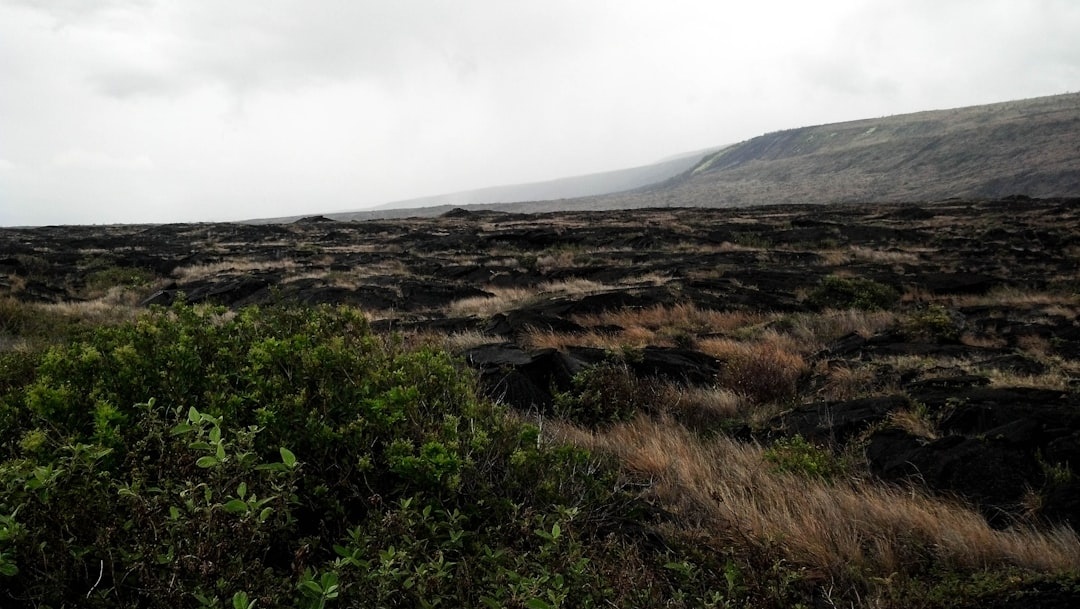
I paid $25 to enter Hā‘ena State Park on Kauaʻi last summer — parking reservation, timed entry, the whole drill. The beach was still jaw-dropping. But the bigger story wasn’t the turquoise water. It was the quiet shift happening across Hawaiʻi: visitors are now being asked to help foot the bill for protecting paradise.
As of 2025–2026, Hawaiʻi has rolled out a new “Green Fee” aimed at funding environmental restoration and climate resilience. The question travelers are asking this late spring, as summer bookings spike again, is simple: will it actually reduce the friction between 10 million annual visitors, 1.4 million residents, and some of the most fragile ecosystems in the U.S.?
Key Takeaways
- Hawaiʻi’s new Green Fee adds an estimated $25–$50 per visitor, depending on structure and park access.
- Funds are earmarked for reef protection, wildfire prevention, and climate resilience projects.
- Visitors already pay $5–$25 at many state parks; this expands conservation funding statewide.
- Summer 2026 bookings are strong, but officials hope fees will curb overtourism at fragile sites.
What Exactly Is Hawaiʻi’s Green Fee?
In practical terms, the Green Fee is a dedicated charge for out-of-state visitors. It’s designed to generate tens of millions annually for environmental protection — everything from coral reef restoration to wildfire mitigation after the devastating Maui fires of 2023.
While the exact structure has evolved (and may vary slightly depending on implementation details in 2026), travelers can expect a mandatory fee layered into lodging taxes, airline charges, or park access permits. Think of it less as a surprise add-on and more as a conservation surcharge.
And yes — residents are exempt.
Why Hawaiʻi Felt It Had to Act
If you’ve hiked Diamond Head at 9 a.m. in June, you’ve seen it: a human conveyor belt to the summit. On peak days, popular Oʻahu trails and Maui beaches feel less like sacred landscapes and more like theme parks.
Before the pandemic, Hawaiʻi welcomed roughly 10 million visitors annually. That’s nearly seven tourists for every resident. Infrastructure strained. Short-term rentals squeezed housing. And sensitive ecosystems — especially coral reefs — took a beating.
Snorkelers standing on coral. Rental cars clogging one-lane roads to Hana. Illegal parking trampling native plants. It wasn’t sustainable.
The Green Fee is Hawaiʻi’s attempt to say: if you love this place, help pay to protect it.
Will It Actually Reduce Tensions?
Here’s where things get nuanced.
Financially? It helps. Conservation projects have long been underfunded. Dedicated revenue means more reef-safe sunscreen education, more park rangers, and better trail maintenance.
Emotionally? It’s complicated.
For many Native Hawaiians, the issue isn’t just money. It’s about cultural respect, land sovereignty, and the sheer scale of tourism. A $25 fee doesn’t automatically solve overcrowding at Lanikai Beach or restore generational housing access in Lahaina.
But it does send a signal: tourism isn’t entitled access. It’s a privilege with responsibility attached.
How the Fee Affects Your 2026 Trip Budget
Let’s talk numbers — because summer planning is happening now.
A typical 7-night trip for two from the U.S. mainland:
- Flights: $400–$900 per person (West Coast is cheaper; East Coast climbs fast in June–August)
- Hotel or condo: $300–$600 per night in popular areas
- Rental car: $70–$120 per day
- Food and activities: $150–$250 per day per couple
Add a Green Fee in the $25–$50 range per person, and you’re looking at less than 1% of a $5,000–$8,000 vacation.
In other words: financially, it’s noticeable but not prohibitive.
If anything, it may encourage travelers to be more intentional — fewer islands per trip, longer stays, deeper engagement.
Where the Money Needs to Go (To Make This Work)
If Hawaiʻi wants buy-in from both locals and visitors, transparency is everything.
Here’s where Green Fee funds matter most:
- Reef protection: Coral bleaching is accelerating with warming waters. Active restoration and stricter marine protections are urgent.
- Wildfire resilience: Post-2023 Maui recovery and future prevention infrastructure can’t wait.
- Trail and park staffing: More rangers means better visitor education and rule enforcement.
- Community housing initiatives: Even partial reinvestment into local communities could ease resentment.
If visitors see cleaner beaches and better-managed parks, they’ll feel the impact. If locals see tangible community benefits, tensions may genuinely soften.
What Travelers Can Do Beyond Paying the Fee
The Green Fee isn’t a moral permission slip to behave badly.
If you’re heading to Hawaiʻi this summer, do these five things:
- Book official park reservations in advance (Hā‘ena, Diamond Head, and Waianapanapa sell out weeks ahead).
- Use reef-safe sunscreen — mineral-based, no oxybenzone.
- Skip illegal vacation rentals; choose licensed accommodations.
- Spend money at locally owned restaurants and tour operators.
- Learn basic Hawaiian place names and cultural context before you go.
Connectivity can also shape how responsibly you travel. Remote beaches often have zero signal, and relying on offline maps is smart. If you’re curious how satellite internet might change rural travel logistics, this breakdown of the battery-powered Starlink Mini and why travelers should care is worth a read — especially for digital nomads eyeing longer island stays.
Is This the Start of a Global Trend?
Hawaiʻi isn’t alone. Venice charges day-tripper entry fees. Bali has a tourist tax. Iceland debates environmental levies annually.
What makes Hawaiʻi different is its geographic isolation and cultural history. Everything is imported. Infrastructure costs are high. And the islands hold deep spiritual and ancestral significance.
A Green Fee here isn’t just environmental policy. It’s symbolic.
My Take: Is It Enough?
Short answer? It’s necessary — but not sufficient.
Money helps. Dedicated conservation funding is long overdue. But true tension relief requires limits, not just levies.
Timed park entries. Caps on short-term rentals. Smarter flight capacity management. Those policies shape crowd levels more than a modest fee ever will.
That said, as a traveler, I’d rather pay $50 knowing reefs and trails are protected than save it and watch paradise erode.
When to Visit Hawaiʻi in 2026 (If You Want to Be Part of the Solution)
Late spring (now through early June) and September are sweet spots.
You’ll get warm ocean temperatures, fewer crowds than peak July, and better availability at high-demand parks. Shoulder season travel naturally reduces pressure — arguably more impactful than any fee.
If summer is your only window, aim for less-visited areas. Molokaʻi and parts of the Big Island’s Hamakua Coast feel worlds away from Waikīkī.
The Bigger Picture
Tourism will always be part of Hawaiʻi’s economy. The islands can’t — and likely won’t — shut the door.
But the era of consequence-free paradise is over.
The Green Fee is a step toward accountability. It won’t magically erase tension. It won’t fix housing overnight. And it won’t stop every overcrowded sunrise hike.
What it does do is redefine the relationship between visitor and place.
If you’re planning a Hawaiʻi trip for summer 2026, budget for the fee. Then go further. Travel slower. Spend thoughtfully. Leave beaches cleaner than you found them.
Paradise isn’t just a backdrop for vacation photos. It’s someone’s home.
Planning a Trip?
Are you heading to Hawaiʻi this year? Tell us your island, travel dates, and budget — and we’ll help you build a smart, respectful itinerary that makes the most of your Green Fee contribution.
If you’re planning a trip to Oʻahu, browse stays in Honolulu hotels and book early as summer demand rises.
Frequently Asked Questions
How much is Hawaiʻi’s Green Fee in 2026?
Travelers can expect an added cost of roughly $25–$50 per visitor, depending on how it’s applied (lodging tax, airline surcharge, or park access fees).
Does the Green Fee apply to U.S. citizens?
Yes. The fee applies to out-of-state visitors, including U.S. mainland travelers, while Hawaiʻi residents are exempt.
Will the Green Fee reduce overtourism?
On its own, probably not. It generates conservation funding, but crowd control depends more on reservation systems, visitor caps, and housing regulations.
When is the best time to visit Hawaiʻi to avoid crowds?
Late April to early June and September offer warm weather, fewer visitors than peak summer, and better availability at popular parks.

About the Author: Tomáš Bzirský
Founder and editor of Distratech. Based in the Czech Republic, travelling regularly from Central Europe. Writes practical travel guides and travel-tech comparisons (eSIM, apps, airports) in six languages.