The first time I snorkeled in clear water, it was in Hanauma Bay, Hawaii. I paid $25 for entry, rented gear for $20, swam 30 feet from shore—and suddenly I was face-to-face with a green sea turtle. No boat, no certification, no stress.
That’s the magic of snorkeling. It’s scuba’s low-cost, low-commitment cousin—and in late spring, as summer travel ramps up, it’s one of the easiest ways to turn a beach trip into a bucket-list moment.
Key Takeaways
- Expect to pay $20–$60 for gear rental and $30–$150 for guided snorkel tours worldwide.
- Late spring to early summer (May–July) offers calmer seas in the Caribbean, Mediterranean, and Southeast Asia.
- Beginners should look for shallow reefs within 50 meters of shore and minimal current.
- Pros should target marine reserves, outer reefs, and seasonal wildlife migrations.
Below are 20 of the best snorkeling destinations in the world—split between beginner-friendly lagoons and adrenaline-worthy reef systems.
Best Snorkeling Destinations for Beginners
1. Hanauma Bay, Oahu, Hawaii
Crystal-clear, shallow, and protected. You’ll see parrotfish and turtles in waist-deep water. Reservations are required in 2026, so book online 48 hours in advance.
2. Hol Chan Marine Reserve, Belize
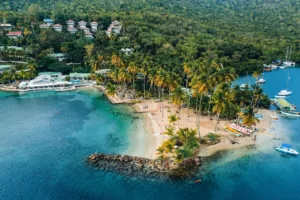
Calm water and nurse sharks that look scarier than they are. Half-day tours from Ambergris Caye run $75–$100. Pair this with one of these hidden Caribbean islands before hurricane season peaks in late August.
3. Akumal, Mexico
About 90 minutes from Cancun. You can snorkel with sea turtles right off the beach for around $15–$20 entry. Go early (before 9am) to avoid tour group chaos.
4. Maldives (House Reefs)
You don’t need a boat—most resorts have house reefs 20–50 meters from shore. Expect reef sharks, rays, and insane visibility. Budget guesthouses start at $80 per night in local islands.
5. Great Barrier Reef (Inner Reefs), Australia
Choose tours that stick to inner reefs if you’re new. Day trips from Cairns cost $150–$200. May and June are prime months: mild temps, lower stinger risk.
6. Silfra Fissure, Iceland
Cold? Yes. Unreal? Also yes. You float between tectonic plates in 2°C water wearing a dry suit. Tours cost about $130, and visibility exceeds 100 meters.
7. Gili Islands, Indonesia
No cars, calm water, and easy turtle sightings. Gear rental is about $5–$8 per day. Late spring brings excellent visibility before peak July crowds.
8. Blue Lagoon, Comino, Malta
Turquoise water and sandy entry points make it beginner gold. Go before 10am or after 4pm—midday in summer feels like a floating theme park.
9. Key Largo, Florida
John Pennekamp Coral Reef State Park offers shallow reef tours for around $50–$70. It’s one of the easiest U.S. reef experiences without needing a passport.
10. Koh Tao, Thailand
More famous for diving, but its shallow bays are ideal for snorkeling. Gear rental costs about $3–$5. May and June are sweet spots before heavy monsoon rains.
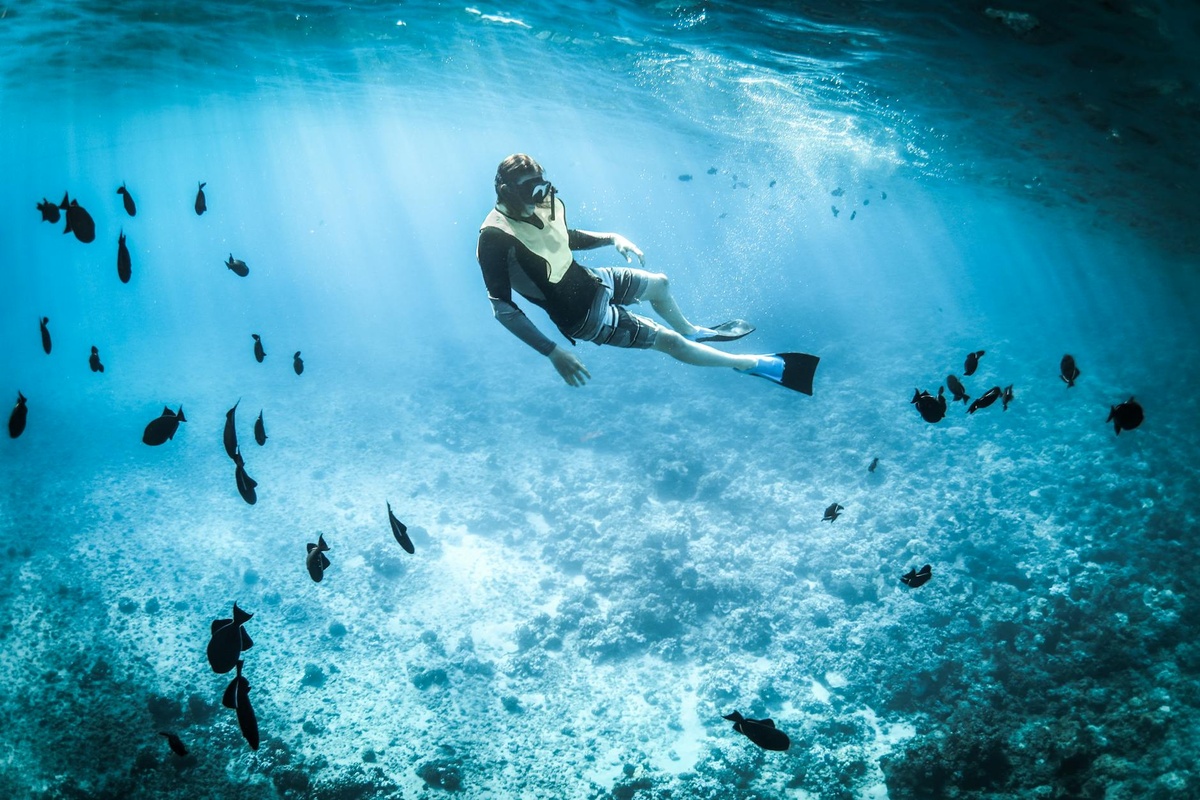
Best Snorkeling Destinations for Pros
11. Raja Ampat, Indonesia
Arguably the most biodiverse marine ecosystem on Earth. Expect manta rays and kaleidoscopic reefs. Liveaboards start around $1,500 for multi-day trips.
12. Palawan, Philippines
El Nido and Coron offer limestone cliffs above and WWII wrecks below. Boat-hopping tours cost $25–$40 for a full day.
13. Red Sea, Egypt
Sharm El Sheikh and Marsa Alam offer coral walls and insane clarity. Budget-friendly too—Egypt consistently ranks among Europe-adjacent budget destinations in 2026 for overall travel value.
14. Galápagos Islands, Ecuador
This is wildlife on hard mode. Sea lions, marine iguanas, even penguins. Tours aren’t cheap—expect $150+ for guided outings—but it’s next level.
15. Komodo National Park, Indonesia
Strong currents mean advanced conditions. But manta cleaning stations make it worth it. Go with licensed guides only.
16. Bora Bora, French Polynesia
Lagoon snorkeling is easy, but outer reef drift snorkels bring sharks and rays. Expect luxury pricing—overwater bungalows easily top $800 per night.
17. Tofo Beach, Mozambique
Known for whale sharks (especially June–October). Tours cost around $40–$60. Raw, less commercial, and wildly rewarding.
18. Lord Howe Island, Australia
Capped visitor numbers keep it pristine. The reef here sits at the world’s southernmost coral ecosystem. Expensive flights, unforgettable snorkeling.
19. Big Island, Hawaii (Night Manta Snorkel)
Floating at night while manta rays glide beneath you? Unreal. Tours cost $120–$150. Book early—summer slots fill fast.
20. Seychelles (St. Pierre Islet)
Granite boulders, reef fish, and warm Indian Ocean water. May and June offer calmer seas before trade winds intensify.
How to Choose the Right Snorkeling Spot
- Beginners: Look for protected bays, sandy entries, and lifeguards.
- Pros: Check current charts and marine reserve rules.
- Families: Choose destinations with reef close to shore (under 50m).
- Summer 2026 tip: Book early—reef tours are selling out 2–4 weeks ahead in major hotspots.
- Avoid: Overcrowded midday boat tours that rush stops to 30 minutes.
When Is the Best Time to Go Snorkeling?
Late spring and early summer (May–July) are ideal in most tropical regions. The Caribbean enjoys calmer seas before peak hurricane season (August–October), Southeast Asia has improving visibility, and Mediterranean waters warm up beautifully by June.
If you’re planning a Caribbean escape, consider pairing snorkeling with quieter islands featured in our guide to less crowded Caribbean gems for 2026.
Snorkeling Tech & Gear Tips (Don’t Skip This)
As someone who’s tested cheap masks that fog instantly—don’t skimp.
- Bring your own anti-fog solution or use baby shampoo.
- Invest $40–$70 in a dry-top snorkel.
- Use a floating waterproof phone case (around $15).
- Download offline maps and tide charts before heading out.
- Wear reef-safe sunscreen—many places now fine tourists for chemical sunscreens.
Pro move: A small inflatable snorkel vest ($20–$30) adds buoyancy without bulk, especially useful in deeper water.
Final Thoughts: Where Should You Go?
If it’s your first time, pick somewhere easy: Hawaii, Belize, or the Gili Islands. You’ll see incredible marine life without fighting currents or tour crowds.
If you’ve already snorkeled and want your mind blown, go to Raja Ampat, the Galápagos, or the Red Sea. These places redefine what you think a reef looks like.
Summer 2026 is shaping up to be a big travel year. Book early, respect marine ecosystems, and don’t chase the most Instagram-famous reef—chase the healthiest one.
Ready to plan? Start checking flights, lock in tours, and pack that mask.
Frequently Asked Questions
How much does a snorkeling trip usually cost?
Basic gear rental runs $20–$60 per day. Guided boat tours typically cost $30–$150 depending on location, while premium destinations like the Galápagos or Bora Bora can exceed $150 per excursion.
When is the best time of year for snorkeling?
May to July is ideal in many regions due to calmer seas and improving visibility. In the Caribbean, it’s best to go before peak hurricane season (August–October).
Is snorkeling safe for beginners?
Yes—especially in protected bays with shallow reefs. Choose destinations with lifeguards, minimal current, and reefs close to shore for the safest experience.
Do I need to know how to swim to snorkel?
Basic swimming skills help, but flotation vests make snorkeling accessible for non-strong swimmers. Always go with a buddy and avoid strong-current areas.

About the Author: Tomáš Bzirský
Founder and editor of Distratech. Based in the Czech Republic, travelling regularly from Central Europe. Writes practical travel guides and travel-tech comparisons (eSIM, apps, airports) in six languages.