I got my France visa the unglamorous way: by obsessing over documents, booking the earliest biometric slot I could find, and refusing to pay for “VIP visa help” that mostly repackages free instructions from the French government. If you’re applying for a short-stay France Schengen visa in August 2026, timing matters more than ever—summer appointments are tight, September trips are smarter, and one missing bank statement can cost you another 2-3 weeks.
Key Takeaways
- The standard France short-stay Schengen visa fee is €90 for adults, plus a visa center service fee that varies by country.
- Apply through France-Visas first, then book biometrics through VFS Global, TLScontact, or Capago depending on your location.
- France recommends applying at least 15 calendar days before travel, but in August I’d allow 4-6 weeks.
- Travel insurance must cover at least €30,000 in medical expenses across the Schengen Area.
- September is the sweet spot for France: cheaper than August, still warm, and less chaotic after school holidays end.
First: Which France Visa I Applied For
I applied for a short-stay Schengen tourist visa, also called a Type C visa. This lets you stay in France and the wider Schengen Area for up to 90 days in any 180-day period.
This is the visa most travelers mean when they say “France tourist visa.” It is not for moving to Paris, working remotely long-term, studying for a semester, or joining a French spouse.
The official starting point is France-Visas. Skip random visa blogs with outdated checklists; do the wizard on France-Visas because it generates the document list based on your nationality, residence country, and trip purpose.
| Visa type | Best for | Typical stay | Adult fee |
|---|---|---|---|
| Short-stay Schengen visa | Tourism, family visit, short business trip | Up to 90 days | €90 |
| Long-stay visitor visa | Living in France without working | 4-12 months | Usually €99 |
| Student visa | French university or language school | Over 90 days | Usually €50-€99 |
My opinion: if your trip is 10 days in Paris, Lyon, and Nice, do not overthink this. You want the short-stay Schengen visa, and your job is to prove three things: you will leave, you can afford the trip, and you know where you’re sleeping.
Step 1: I Built My France Itinerary Before Booking the Appointment
The visa application asks for your travel dates, arrival city, hotel addresses, and sometimes internal transport. I used a realistic itinerary: Paris for 4 nights, Lyon for 2 nights, and Nice for 3 nights.
For August 2026, I would avoid applying with a vague “France trip” plan. France is busy right now with peak summer travel, and southern France can hit 40°C+ during heat waves; if you can, plan for September instead, when Nice is often around 24-27°C and hotel rates drop after the school-holiday rush.
I booked refundable hotels through Booking.com and Accor, then downloaded PDFs showing my name, dates, hotel address, and cancellation policy. Skip non-refundable “too good to be true” rates before your visa is approved; saving €18 can become a €600 mistake if your passport is delayed.
For Paris, I like Hôtel Henriette in the 13th arrondissement because it’s usually calmer than the Marais and close to Les Gobelins metro. A sample September rate I found was around €145-€190 per night, compared with central boutique hotels in Le Marais at €230-€320.
For food planning, I listed one or two real places in my itinerary without making it look fake. Bouillon République is a practical pick: open daily roughly 12:00-00:00, onion soup around €4.90, steak-frites around €13-€16. Skip the overpriced cafés directly facing the Eiffel Tower; do Bouillon République or Le Petit Vendôme near Opéra instead.
Step 2: I Completed the France-Visas Application Online
The online form took me about 35-45 minutes. You’ll need your passport, travel dates, employer or school details, accommodation addresses, and previous Schengen visa history if applicable.
The site is france-visas.gouv.fr, and it works better on a laptop than a phone. I tried Safari first, then switched to Chrome because the PDF download behaved more reliably.
At the end, France-Visas generated two important documents: the application form and the receipt/checklist. I printed both because the visa center wanted paper copies, not “I have it on my phone” energy.
Data point: printing at home cost me about $0.12 per page; printing near my appointment center was $1-$2 per page. That sounds tiny until you realize a visa packet can easily be 25-40 pages.
- Use Chrome: fewer PDF glitches than mobile browsers.
- Match dates exactly: hotel, flight reservation, insurance, and form dates should align.
- Save every PDF: use file names like “01-passport.pdf” and “02-bank-statements.pdf.”
- Do not leave gaps: if you’re unemployed, freelance, or between jobs, explain it with evidence.
Step 3: I Booked Biometrics Through the Visa Center
After France-Visas, I booked my appointment through the external visa center. Depending on your country, that might be VFS Global, TLScontact, or Capago.
In the U.S., France visa applications are handled through VFS Global France. My example appointment was at the New York center in Midtown Manhattan, roughly a 7-minute walk from Times Square-42 St station and about 25-35 minutes by subway from Brooklyn depending on your line.
Typical center hours are weekdays during business hours, often around 9:00-16:00 or 9:00-17:00, but appointment slots vary by city. Do not assume walk-ins exist; they usually do not for standard Schengen appointments.
| Appointment option | Cost | Time impact | My take |
|---|---|---|---|
| Standard appointment | Visa fee €90 + service fee | Usually 20-45 minutes at center | Best value |
| Premium lounge | Often $70-$100 extra | Slightly more comfortable | Skip it unless mobility or time is an issue |
| Courier passport return | Often $30-$40 | Saves a return trip | Worth it if the center is far |
| SMS updates | Often $3-$6 | No faster processing | Skip; email tracking is enough |
My rule: pay for courier if the visa center is more than 45 minutes away; skip SMS and premium lounge. A subway round trip in New York is about $5.80, but losing half a workday to pick up a passport can cost more than the courier fee.
Step 4: I Prepared the Document Packet Like a Paranoid Accountant
This is where most France visa applications succeed or fail. The checklist is not decorative; it is the map.
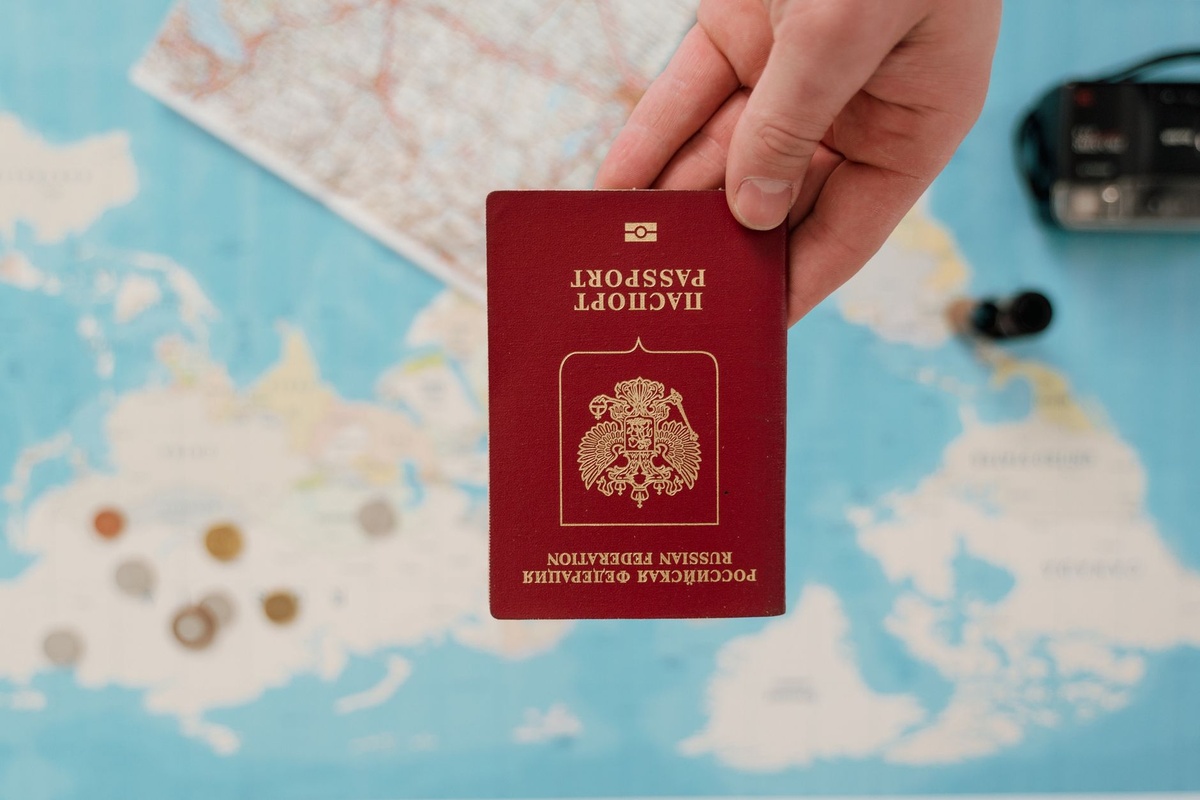
My packet had: passport, passport photo, France-Visas form, appointment confirmation, flight reservation, hotel bookings, travel insurance, bank statements, employment letter, pay slips, tax document, and a short cover letter. The final stack was around 32 pages.
For photos, I used a professional passport-photo shop instead of a phone booth. It cost $16.99 for two photos, compared with $0.39 to print a DIY photo, but Schengen photo rules are picky: 35mm x 45mm, light background, neutral expression, no shadows.
My Actual Cost Breakdown
| Item | Approximate cost | Required? |
|---|---|---|
| France Schengen visa fee | €90 / about $98-$100 | Yes |
| Visa center service fee | About $35-$45, varies by country | Yes |
| Passport photos | $12-$18 | Yes |
| Travel insurance | €20-€35 for a 7-10 day trip | Yes |
| Printing and copies | $3-$15 | Usually yes |
| Courier return | $30-$40 | Optional |
Total paid in my case was roughly $175-$215, depending on exchange rate and optional courier. That is still cheaper than paying a “visa consultant” $250 to tell you to print bank statements.
For travel insurance, the key requirement is medical coverage of at least €30,000 valid for all Schengen countries. I used an insurer that generated the visa letter instantly as a PDF; if your policy document does not clearly say “Schengen,” “€30,000,” or “worldwide/Europe coverage,” choose another provider.
Step 5: I Used a Real Flight Reservation, Not a Risky Fake Ticket
You generally do not need to buy a non-refundable flight before your France visa is approved. You do need a credible reservation or itinerary showing entry and exit dates.
I used a holdable or refundable itinerary rather than a random “dummy ticket” site with no airline record locator. Some airlines and agencies allow 24-hour free cancellation; others offer paid holds for around $10-$30.
Flight prices in August are ugly. For example, New York to Paris round-trip in late August can easily run $650-$950, while mid-September often drops closer to $420-$650 if you book smart and avoid Friday-Sunday departures.
If you’re coordinating flights with a partner, read our guide to avoiding expensive couple-booking mistakes. The same logic applies to France: search one seat first, compare nearby airports, and don’t assume two tickets price the same as one.
My contrarian take: September is the real summer in France and the Mediterranean. Paris is alive again after August closures, Provence is less punishing, and the Côte d’Azur still has beach weather without the peak-August hotel tax on your sanity.
Step 6: The Appointment Day Was Faster Than I Expected
I arrived 15 minutes early, which was enough. Arriving one hour early did not help because most centers admit by appointment time, not by enthusiasm.
Security checked my appointment letter and passport. Inside, the staff reviewed documents, took payment, scanned fingerprints, photographed me, and returned a tracking receipt.
The whole thing took about 35 minutes. A taxi from Lower Manhattan to Midtown would have been around $22-$35 and 20-35 minutes depending on traffic; the subway was $2.90 and took about 18 minutes from Union Square, so I took the subway.
Bring a simple folder, not a chaotic backpack. I used binder clips by category: identity, travel, money, employment, insurance. The staff will rearrange documents if needed, but they are not there to rescue a messy application.
Step 7: Tracking, Processing Time, and Getting the Passport Back
France says short-stay visa processing can take around 15 calendar days, but it can be longer during peak travel periods. In August 2026, I would budget 4-6 weeks from appointment hunt to passport return, especially if your city has limited slots.
My status updates were boring but useful: application received, under process, dispatched. The visa center could not tell me whether it was approved; you only know when your passport comes back.
Courier delivery took 1-2 business days after dispatch. Pickup would have required another trip during weekday office hours, so the $30-$40 courier fee made sense for me.
Tech tip: I scanned my passport bio page, visa receipt, insurance certificate, and hotel bookings into Google Drive and offline-saved them on my phone. For mobile data in France, I usually install an eSIM before departure; Airalo often has France or Europe plans from around $4.50-$13 depending on data size.
For navigating once approved, I prefer Citymapper in Paris over Google Maps for transit. A Paris Métro single ticket is now typically around €2.15, while a taxi from CDG to the Right Bank has a fixed fare around €56; the RER B is slower with luggage but much cheaper at about €11.80.
What I Would Do Differently Next Time
I would book the biometric appointment before finalizing the whole itinerary. Appointment availability is the bottleneck; documents can be polished in two evenings, but a missing slot can push your trip by weeks.
I would also plan France for September, not August. August has fun energy—Perseids meteor shower nights around 12-13 August, late-summer festivals, and packed beaches—but it also means higher fares, tighter visa slots, and heat stress in southern Europe.
If France is part of a bigger Europe trip, remember the main-destination rule. Apply through France only if France is your longest stay or, for equal stays, your first Schengen entry.
| Scenario | Where to apply | Example |
|---|---|---|
| France is longest stay | France | 5 nights Paris + 3 nights Amsterdam |
| Equal nights, France first | France | 3 nights Paris + 3 nights Rome |
| Italy is longest stay | Italy | 2 nights Nice + 6 nights Florence |
Do not try to “shop” for an easier consulate if your itinerary does not match. Schengen border officers can ask for proof, and a weird mismatch between visa issuer and travel plan is an avoidable headache.
My Final France Visa Checklist
This is the checklist I’d use again if I were applying tomorrow. It is not legal advice, but it is the practical version I wish someone had handed me before I started.
- Run the official wizard at France-Visas.
- Complete and print the application form and receipt.
- Book the visa center appointment immediately after the form is submitted.
- Prepare a passport valid at least 3 months after planned Schengen exit, with 2 blank pages.
- Get one Schengen-compliant passport photo, 35mm x 45mm.
- Book refundable hotels showing your name and full addresses.
- Prepare flight reservation or refundable itinerary matching your dates.
- Buy travel insurance covering at least €30,000 across Schengen.
- Print 3 months of bank statements, plus pay slips or proof of income.
- Add an employment letter, school letter, business registration, or sponsor documents.
- Bring payment card/cash as instructed by your local visa center.
- Scan everything before the appointment.
The biggest lesson: the France visa process rewards boring consistency. Same dates everywhere, same name spelling everywhere, enough money in the bank, and no mystery gaps.
Conclusion: Would I Apply for a France Visa Again This Way?
Yes—and I would not pay a third-party fixer unless my case involved refusals, complicated residency, or missing financial documents. For a standard tourism trip, the official France-Visas site plus a clean document packet is enough.
If you’re aiming for France in late summer 2026, move fast on appointments or pivot to September. You’ll likely get better flight prices, easier hotel availability, cooler evenings, and a much more civilized version of Paris.
Planning your own France visa application? Start with the official checklist today, then build your itinerary around refundable bookings and realistic processing time.
Frequently Asked Questions
How much does a France tourist visa cost in 2026?
The standard short-stay France Schengen visa fee is €90 for adults and €45 for children aged 6-12. You’ll also pay a visa center service fee, often around $35-$45, plus optional courier or SMS fees.
How long does it take to get a visa to France?
France recommends applying at least 15 calendar days before your trip, but August and other peak periods can take longer. I’d allow 4-6 weeks from appointment search to passport return.
Do I need to buy flights before applying for a France visa?
You usually do not need to buy non-refundable flights before approval. Use a credible reservation, refundable ticket, or airline hold that matches your hotel and insurance dates.
Can I visit other countries with a France Schengen visa?
Yes, a valid France-issued Schengen visa can allow travel within the Schengen Area for up to 90 days in any 180-day period. Apply through France only if France is your main destination or your first entry when stays are equal.

About the Author: Tomáš Bzirský
Founder and editor of Distratech. Based in the Czech Republic, travelling regularly from Central Europe. Writes practical travel guides and travel-tech comparisons (eSIM, apps, airports) in six languages.