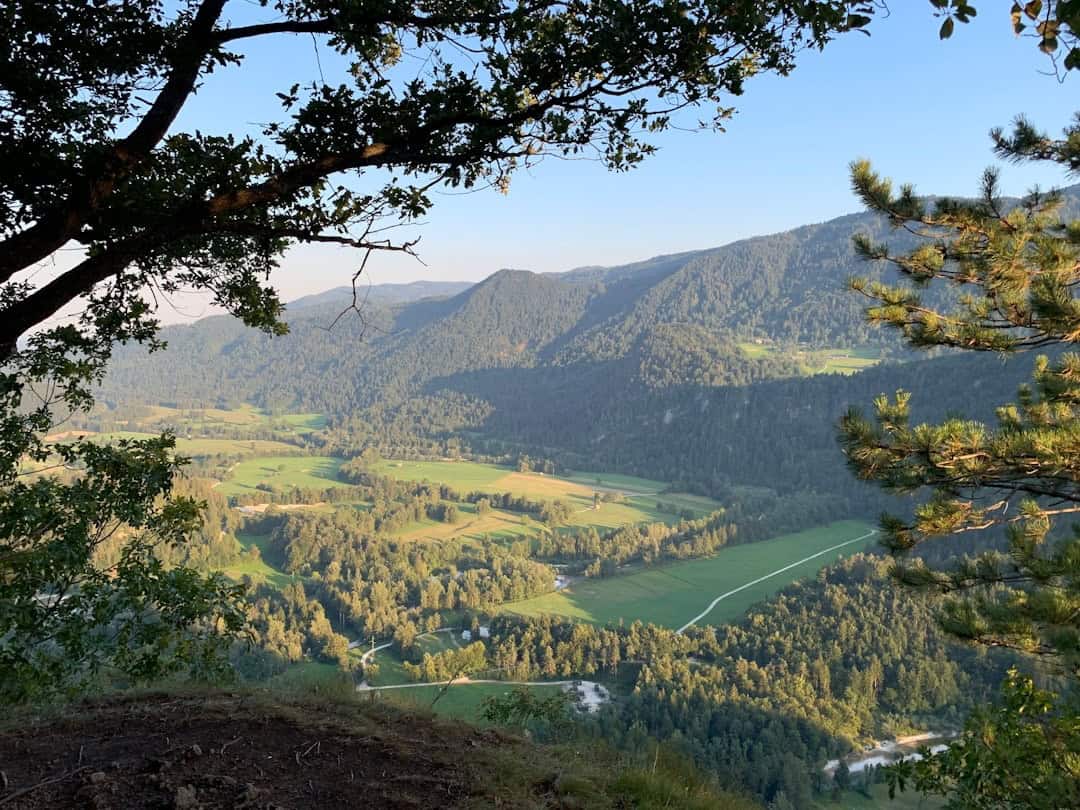
I spent €32 on a dorm bed, €18 on a canyoning trip, and exactly €0 hiking some of the most jaw-dropping alpine trails in Europe. Slovenia might be small, but if you’re planning a late-spring or summer 2026 adventure trip, it’s one of the best-value outdoor destinations on the continent.
May and June are especially sweet spots: snow has mostly melted in the Julian Alps, rivers are turquoise from spring runoff, and Lake Bled isn’t yet elbow-to-elbow with July crowds. If you want hiking, canyoning, and iconic scenery without Swiss-level prices, this is your move.
Key Takeaways
- Budget €50–€80 per day excluding flights if staying in hostels and self-catering.
- Lake Bled loop hike is 6 km and free; viewpoints take 1–2 hours round-trip.
- Canyoning near Bovec starts around €60–€90 for a half-day tour with gear.
- Late May to early July offers ideal weather (15–25°C) and fewer crowds.
- Ljubljana to Bled bus costs about €7 one-way and takes 1 hour 15 minutes.
Day 1–2: Lake Bled Without the Tourist Traps
Yes, Lake Bled is Slovenia’s postcard star. No, you don’t need to spend €25 on a traditional pletna boat ride unless you really want the nostalgia.
Instead, start with the 6 km lakeside loop. It’s flat, scenic, and completely free. Go early (before 9 a.m.) to catch the mist lifting off the water and avoid the tour buses.
Best Budget Hikes Around Lake Bled
Mala Osojnica viewpoint is the one you’ve seen on Instagram. It’s a 45-minute uphill hike from the western side of the lake. Steep but short — wear proper shoes, not sandals.
Ojstrica viewpoint is faster (20–30 minutes) and slightly less crowded. Go for sunset. The church island glows gold, and it costs you nothing.
If you’re feeling ambitious, hike up to Bled Castle instead of paying the €18 entrance fee. The castle courtyard views are nice, but honestly? The best perspectives are from the trails below.
Swimming & Paddleboarding on a Budget
In late spring, the water is brisk but swimmable (around 18–20°C by June). Head to the free public swimming areas on the west side instead of the paid lido.
Paddleboard rentals hover around €15–€20 per hour. Split it with a friend and you’ve got your “island photo” moment without the boat fare.
Where to Eat Cheap in Bled
Avoid lakefront restaurants with laminated menus in five languages. Walk 5–10 minutes into town.
My go-to: a local gostilna offering lunch menus (malica) for €12–€15 — soup, main dish, and sometimes dessert. Grab Bled cream cake (kremšnita) from a bakery instead of a sit-down café and save a few euros.
Day 3–4: Hiking in Triglav National Park
If you love mountain towns like the ones we highlighted in our guide to underrated U.S. summer mountain escapes, you’ll feel at home in Kranjska Gora or Bovec — but with sharper peaks and lower prices.
Triglav National Park is free to enter. Let me repeat that: free. You’re paying only with your legs.
Vintgar Gorge (Go Early or Skip It)
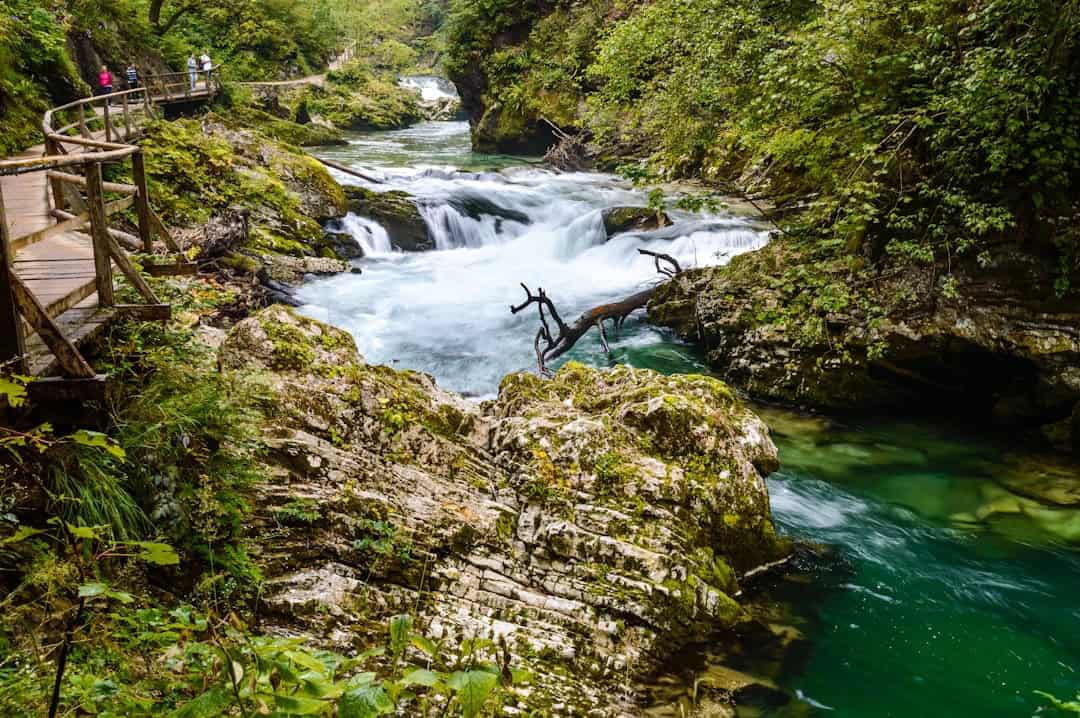
This wooden-boardwalk gorge near Bled is beautiful — turquoise water, dramatic rock walls — but it’s not a secret anymore.
Entry is around €10–€15. Arrive at opening time (typically 8 a.m.) or skip it in peak July. Personally, I prefer lesser-known hikes deeper in the park.
Mount Viševnik (Beginner-Friendly Alpine Summit)
Want a real summit without technical climbing? Viševnik (2,050 m) is your mountain.
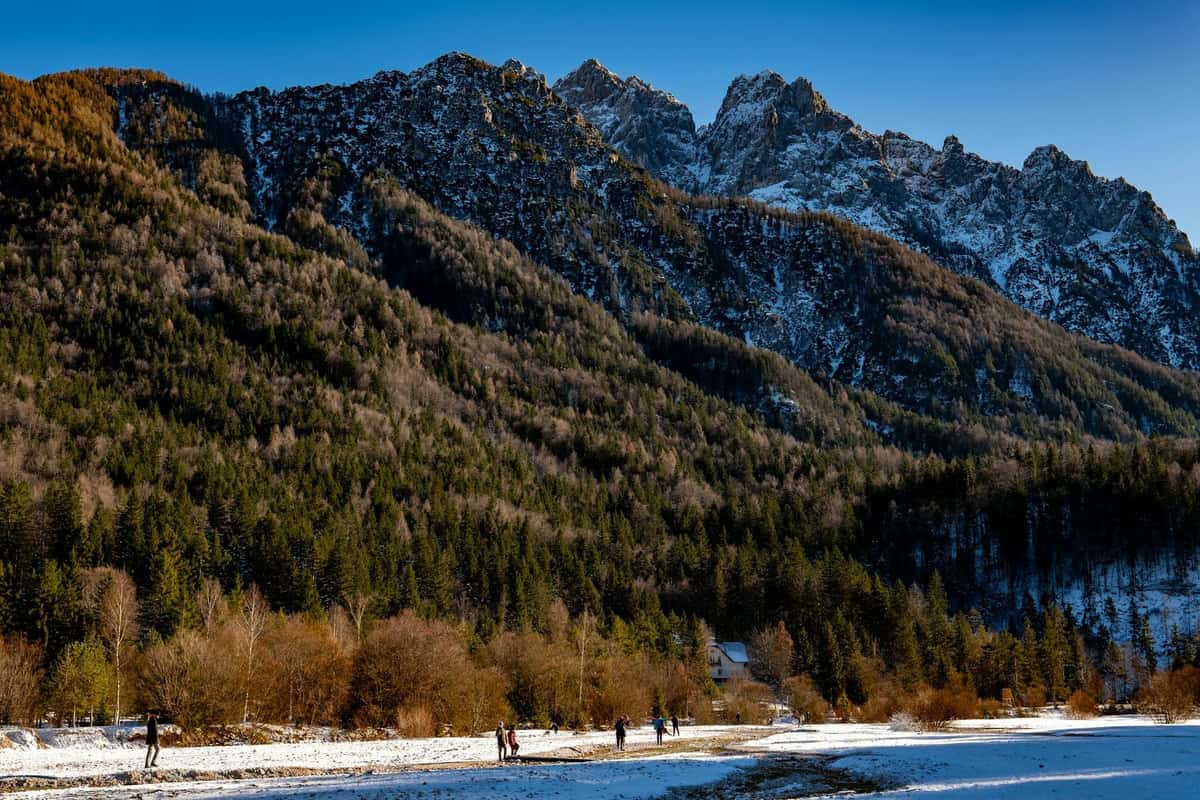
From Pokljuka Plateau, it’s about 2–3 hours up, 2 hours down. Moderate difficulty. In late May, check snow conditions — microspikes can still be useful early season.
On a clear day, you’ll see Mount Triglav itself. Total cost: €0.
Peričnik Waterfall
A 10-minute walk gets you to one of Slovenia’s most photogenic waterfalls — and yes, you can walk behind it.
Parking is around €3–€5. That’s it.
Day 5: Canyoning in the Soča Valley
If Lake Bled is Slovenia’s postcard, the Soča River is its adrenaline rush.
The water is an unreal emerald color, especially in late spring when snowmelt feeds the river. Base yourself in Bovec — a small adventure hub where nearly every second shop offers rafting, canyoning, or ziplining.
How Much Does Canyoning Cost?
Half-day canyoning tours typically run:
- €60–€75 in shoulder season (May, early June)
- €80–€100 in peak summer (July–August)
- Includes wetsuit, helmet, harness, and guide
I recommend booking a morning slot. Water levels are often better, and you’ll avoid afternoon thunderstorms that can roll through the Alps.
The experience? Natural rock slides, 5–10 meter jumps into crystal-clear pools, and rappelling down waterfalls. No prior experience needed — just basic fitness and comfort in water.
Getting Around Slovenia Cheaply
Slovenia is compact. Distances are short, which keeps transport costs low.
- Ljubljana → Lake Bled: ~€7 by bus, 1h 15m
- Bled → Bovec: ~€15 by bus (longer route via Kranjska Gora)
- Car rental: from €30–€40 per day if split between 2–3 people
If you’re planning routes, offline maps are essential in mountain areas. Before you go, download tools from our guide to must-have travel apps for summer 2026 — especially for hiking navigation and translation in rural villages.
Where to Stay on a Budget
Hostels: €25–€40 per night in dorms around Bled, Ljubljana, or Bovec.
Guesthouses (sobe): €50–€80 for a private double if booked early for summer 2026.
Campsites: €15–€25 per person. Slovenia’s campsites are clean, scenic, and often right by rivers.
Book early for June festivals and July peak hiking season. Slovenia is no longer a secret.
When to Visit for the Best Adventure Value
Late May–June: Ideal balance. Fewer crowds, strong river flow for canyoning, alpine flowers blooming.
July–August: Warmest weather (25–30°C in valleys), but higher prices and busier trails.
September: Fantastic for hiking, cooler temps, fewer families — but some tour operators reduce schedules.
For summer 2026 planning, book canyoning at least 1–2 weeks in advance for weekends.
Sample 5-Day Budget Breakdown
Here’s what a realistic 5-day adventure trip might cost (excluding flights):
- Accommodation (hostel, 4 nights): €120
- Food (mix of groceries + local meals): €100
- Transport (buses + local): €40
- Canyoning tour: €75
- Miscellaneous/entries: €30
Total: ~€365 for 5 days
That’s serious adventure travel for under €75 per day.
Pro Tips for Adventure Travel in Slovenia
- Start hikes early. Weather shifts quickly in the Alps — mornings are clearer and safer.
- Carry cash. Smaller huts and rural buses may not accept cards.
- Check mountain conditions daily. Snow can linger into June above 1,800 meters.
- Skip souvenir shops at Lake Bled. Buy local honey or cheese from village markets instead.
- Respect nature. Triglav National Park has strict rules — stay on marked trails.
Is Slovenia Worth It for Budget Adventure Travelers?
Absolutely.
You get alpine hiking that rivals Austria, turquoise rivers that feel like New Zealand, and postcard lakes that compete with northern Italy — all at a fraction of the price.
If you’re planning a European adventure for summer 2026 and want big scenery without blowing your budget, Slovenia should be at the top of your list.
Book your canyoning slot, lace up your hiking boots, and go before everyone else figures it out.
For places to stay while you hike, canyon, and base yourself near Lake Bled, browse affordable hotels in Slovenia and book early for May–June deals.
Frequently Asked Questions
How much does a budget trip to Slovenia cost?
You can expect to spend €50–€80 per day excluding flights if staying in hostels, cooking some meals, and doing one paid activity like canyoning. A 5-day trip typically costs around €350–€400.
Is Lake Bled worth visiting on a budget?
Yes — especially if you skip the expensive boat rides and focus on free hikes and swimming spots. The 6 km lake loop and viewpoints like Ojstrica cost nothing and offer the best views.
When is the best time for hiking in Slovenia?
Late May through June is ideal for most hikers, with mild temperatures (15–25°C) and fewer crowds. Higher alpine trails may still have snow until early summer.
Do you need a car to explore Triglav National Park?
No, but it helps. Buses connect major towns like Bled and Bovec, yet a rental car (€30–€40 per day) gives you flexibility for trailheads and waterfalls.

About the Author: Tomáš Bzirský
Founder and editor of Distratech. Based in the Czech Republic, travelling regularly from Central Europe. Writes practical travel guides and travel-tech comparisons (eSIM, apps, airports) in six languages.