Late spring in Portugal is pure magic. I was sipping vinho verde on a Porto terrace at 8:45 pm last May, still in a light jacket, watching the Douro glow gold — and thinking: this is the sweet spot. Warm but not sweltering, busy but not August-level chaotic.
If you have five days and want to experience the best of Lisbon and Porto without rushing, this is the exact route I recommend — including where to eat, what to skip, and how much it’ll realistically cost you.
Key Takeaways
- Late spring (May–early June) offers 20–26°C weather and fewer crowds than peak summer.
- The Lisbon–Porto train takes 2h50 and costs €15–€30 if booked in advance.
- Expect to spend €40–€60 per day on food if you mix casual spots with one standout dinner.
- Book major attractions (Jerónimos, Livraria Lello) at least 1 week ahead in May.
- Five days is enough for both cities — 3 in Lisbon, 2 in Porto is ideal.
Day 1: Lisbon’s Historic Core (Alfama + Baixa)
Start early. Lisbon’s hills are no joke, and by noon the sun is strong even in May.
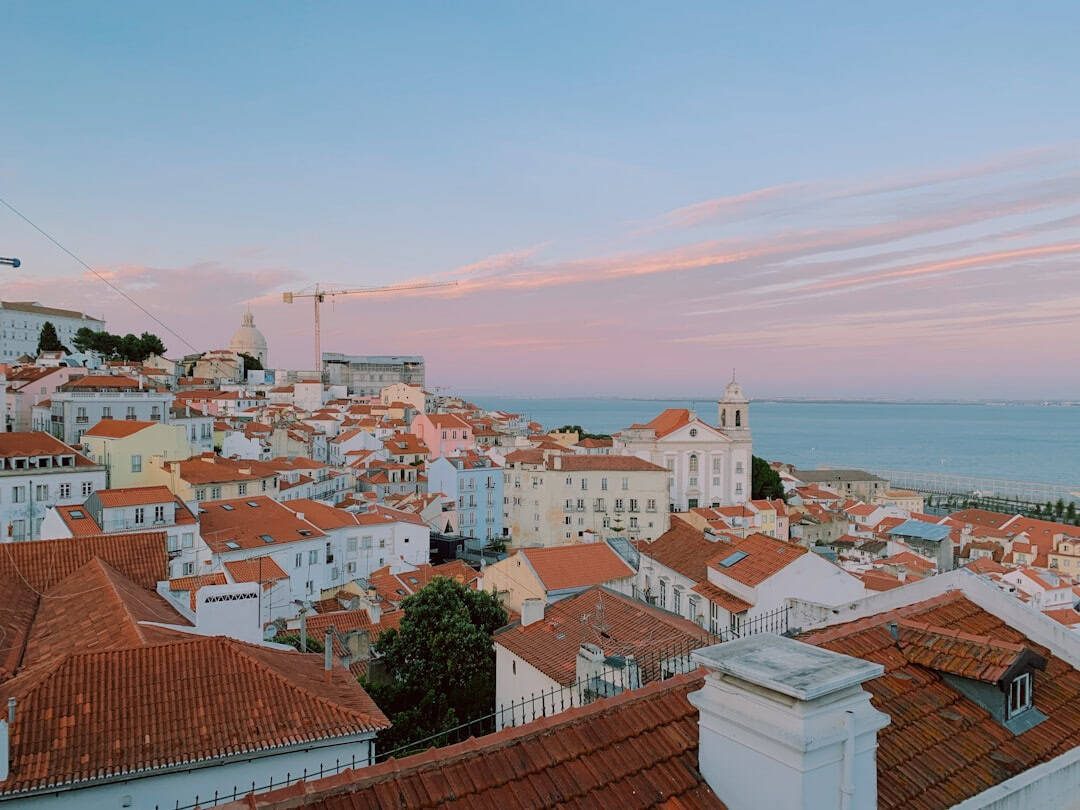
Begin in Alfama, the city’s oldest neighborhood. Wander without Google Maps for a bit — getting lost here is half the fun. Head to Miradouro da Senhora do Monte for the best panoramic view (free, and less crowded than Santa Justa).
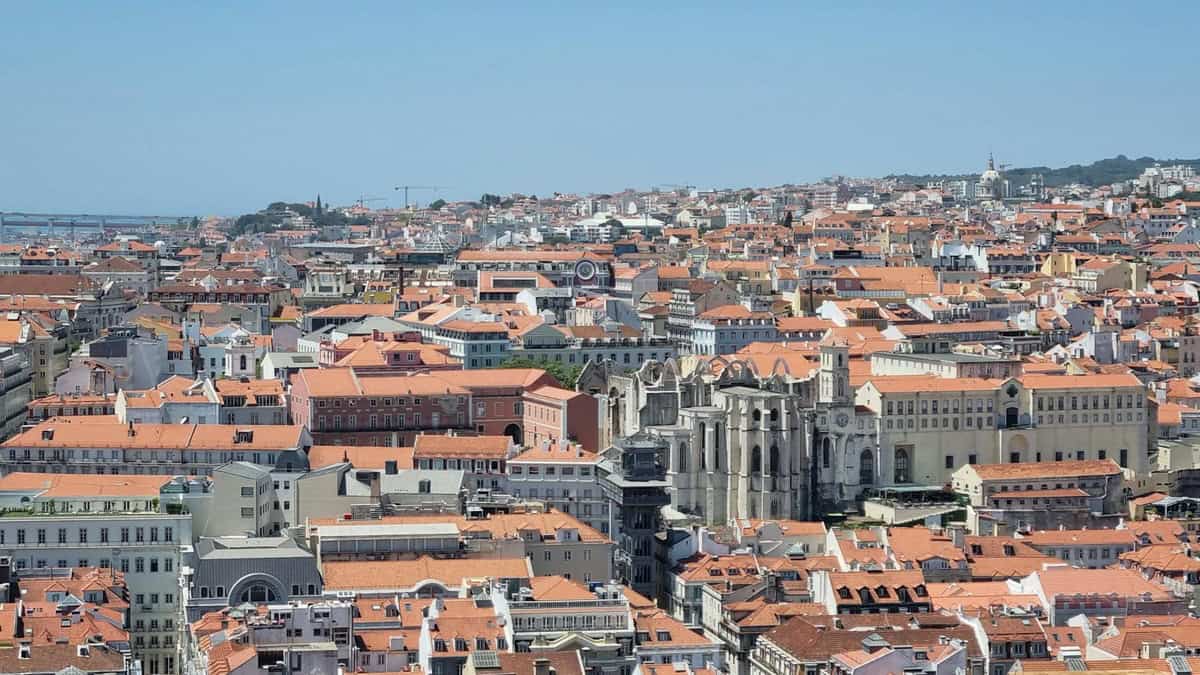
Skip the long line at Tram 28 unless you’re dying for it. It’s charming, yes — but it’s also packed. Instead, walk downhill toward Baixa and Praça do Comércio.
Lunch tip: avoid the restaurants with laminated photo menus near Rua Augusta. Go to Taberna Moderna for petiscos (small plates €6–€12) or grab a bifana sandwich for €5 at a local tasca.
In the evening, book a small-group fado experience in Alfama (around €25–€40 including a drink). It’s intimate, emotional, and far better than the big tour-bus versions.
Day 2: Belém + Sunset in Bairro Alto
Take tram 15 or an Uber (around €8–€12) to Belém in the morning.
Arrive at Jerónimos Monastery right at opening (9:30 am). Tickets are about €10, and by 11 am the line can stretch 45+ minutes in late May.
Then walk to Belém Tower and along the waterfront. The breeze off the Tagus River makes this one of the most pleasant spring walks in Europe.
Yes, you should try Pastéis de Belém. No, you shouldn’t wait 45 minutes. Go inside — the takeaway line is longer than the seated service.
Back in central Lisbon, spend sunset in Bairro Alto or at Miradouro de São Pedro de Alcântara. Dinner at Time Out Market is convenient but crowded. Personally? I prefer Sea Me for seafood (expect €25–€35 per person).
Day 3: Travel to Porto + Ribeira Evenings
Take the morning Alfa Pendular train from Lisbon’s Santa Apolónia station. It takes 2 hours 50 minutes and costs €15–€30 if you book early on Comboios de Portugal.
Arrive in Porto by midday and check into a hotel near Ribeira or Bolhão. Porto is more compact than Lisbon — you can walk almost everywhere.
Spend the afternoon strolling the colorful Ribeira district and cross the iconic Dom Luís I Bridge to Vila Nova de Gaia.
This is port wine country. Skip the first cellar you see and book a tasting at Graham’s or Taylor’s (around €20–€30 for a guided tasting).
Stay for sunset. The Douro River reflecting pastel buildings is one of Europe’s best golden-hour views.
Day 4: Porto’s Culture, Cafés & Hidden Corners
Start at Livraria Lello. It’s beautiful, yes — but it’s also crowded. Buy your timed ticket online (€8–€10), and go first thing. Otherwise, skip it and explore Porto’s independent bookstores instead.
Climb the Clérigos Tower (€6) for sweeping city views. Then wander toward São Bento Station to see the famous blue azulejo tiles (free and stunning).
Lunch at Café Santiago for a classic francesinha (around €15). It’s heavy — steak, sausage, cheese, beer sauce — so plan a long walk after.
In the afternoon, relax in the Jardins do Palácio de Cristal. Late spring flowers are in bloom, and locals picnic here once festival season begins.
If you’re planning a broader European trip this summer, check out our guide to Europe’s best summer festivals in 2026 — Porto’s São João Festival in June is chaotic, fun, and worth timing your visit around.
Day 5: Day Trip Options — Douro Valley or Sintra?
You have two strong choices, depending on where you’re flying out.
If departing from Porto: Take a Douro Valley day trip. Trains from São Bento to Peso da Régua take about 2 hours (€10–€15). Vineyards are lush green in late spring — it’s postcard-perfect.
If flying out of Lisbon: Do Sintra instead. Trains from Rossio Station take 40 minutes (€5 round trip). Go early (before 9 am) to beat tour groups at Pena Palace.
Between the two? I slightly prefer the Douro in May. Fewer crowds, rolling green hills, and wine terraces that feel almost cinematic.
Where to Stay (Quick Picks)
- Lisbon: Baixa or Chiado for walkability; Alfama for charm (but expect hills).
- Porto: Ribeira for views; Cedofeita for quieter boutique stays.
- Budget range: €120–€200 per night for stylish mid-range hotels in late spring.
Budget Breakdown (Per Person, 5 Days)
Here’s a realistic mid-range estimate for late spring 2026:
- Accommodation (4 nights shared): €300–€500
- Food & drinks: €200–€300
- Train Lisbon–Porto: €20
- Attractions & tastings: €80–€120
- Total: €600–€940 + flights
Portugal remains one of Western Europe’s best value destinations — especially compared to Paris or Rome in high season.

Practical Tech Tips for a Smooth Trip
- Use Bolt instead of Uber — it’s often 10–20% cheaper in Portugal.
- Download the CP Train app to store tickets offline.
- Get an eSIM before arrival for instant data (coverage is excellent nationwide).
- Book timed-entry tickets online to avoid wasting prime sightseeing hours in line.
Portugal is also an easy add-on to a cruise itinerary if you’re arriving by sea — if that’s your style, compare options in our guide to the best adult-oriented cruise lines sailing Europe this year.
Is Late Spring Really the Best Time?
In my opinion, yes.
May and early June bring 20–26°C days, long daylight hours (sunset after 8:30 pm), blooming jacarandas in Lisbon, and lower hotel rates than July–August.
It’s warm enough for coastal walks and even beach time in Cascais — but cool enough that climbing Porto’s hills won’t ruin you.
Final Thoughts: Lisbon or Porto — Which Wins?
Lisbon has the drama: trams, viewpoints, grand plazas.
Porto has the intimacy: river reflections, compact streets, wine cellars.
With five days, you don’t have to choose. You get the soulful south and the romantic north — connected by one easy train ride.
If you’re planning a late spring escape before Europe hits peak summer prices, this itinerary is your sweet spot. Book the train early, pack comfortable shoes, and leave room in your suitcase for wine.
And if you’ve already fallen for Portugal — tell me: Lisbon or Porto?
For your stay in Lisbon and Porto, browse hotels in Lisbon & Porto to find the right neighborhoods and best deals early.
Frequently Asked Questions
Is 5 days enough for Lisbon and Porto?
Yes — 3 days in Lisbon and 2 in Porto is ideal for a first trip. You’ll see the highlights, enjoy great food, and even fit in a day trip without feeling rushed.
How much does a Lisbon and Porto trip cost in late spring?
Expect €600–€940 per person for 5 days excluding flights, assuming mid-range hotels, train travel, and paid attractions. Portugal remains one of Western Europe’s best-value destinations.
What is the best way to travel between Lisbon and Porto?
The Alfa Pendular train is the fastest and most comfortable option, taking about 2 hours 50 minutes. Tickets cost €15–€30 if booked in advance.
Is May a good time to visit Lisbon and Porto?
Absolutely. Temperatures range from 20–26°C, crowds are lighter than summer, and hotel prices are more reasonable before peak season begins in July.

About the Author: Tomáš Bzirský
Founder and editor of Distratech. Based in the Czech Republic, travelling regularly from Central Europe. Writes practical travel guides and travel-tech comparisons (eSIM, apps, airports) in six languages.