'/%3E%3Cpath%20fill='%23b2b2b2'%20d='M241%20382q0%2016%2017%2026%2017%2011%2042%2011t42-11q16-11%2017-26V269H241'/%3E%3Cpath%20fill='%239f7e00'%20d='M241%20379q0%2014%208%2023%209%209%2021%209%2014%200%2021-9%209-9%209-23V269h-59'/%3E%3Cpath%20d='M241%20339v-70h59v110q0%2014-9%2023l-6%205v-68h-15v72q-8%200-14-4v-68zm59%2040c0%2022%2015%2032%2029%2032%2021%200%2030-18%2030-32v-40h-59'/%3E%3Cpath%20fill='%239f7e00'%20d='M266%20277v5h2v12h-3v-5h2v-5h-9v5h2v5h-4v9h3v18h-5v10h34v-10h-5v-18h3v-9h-4v-5h2v-5h-9v5h2v5h-3v-12h2v-5zm42%20101q0%2010%206%2017%206%206%2015%207%2010-1%2016-7%206-7%206-17v-29h-43'/%3E%3Ccircle%20fill='%230044ad'%20cx='329.5'%20cy='372'%20r='6'/%3E%3Cellipse%20fill='%230044ad'%20cx='300'%20cy='340'%20rx='16'%20ry='21'/%3E%3C/svg%3E)
'/%3E%3C/svg%3E)


'/%3E%3C/g%3E%3Cuse%20href='%23c'%20transform='matrix(-1%200%200%201%20720%200)'/%3E%3C/svg%3E)


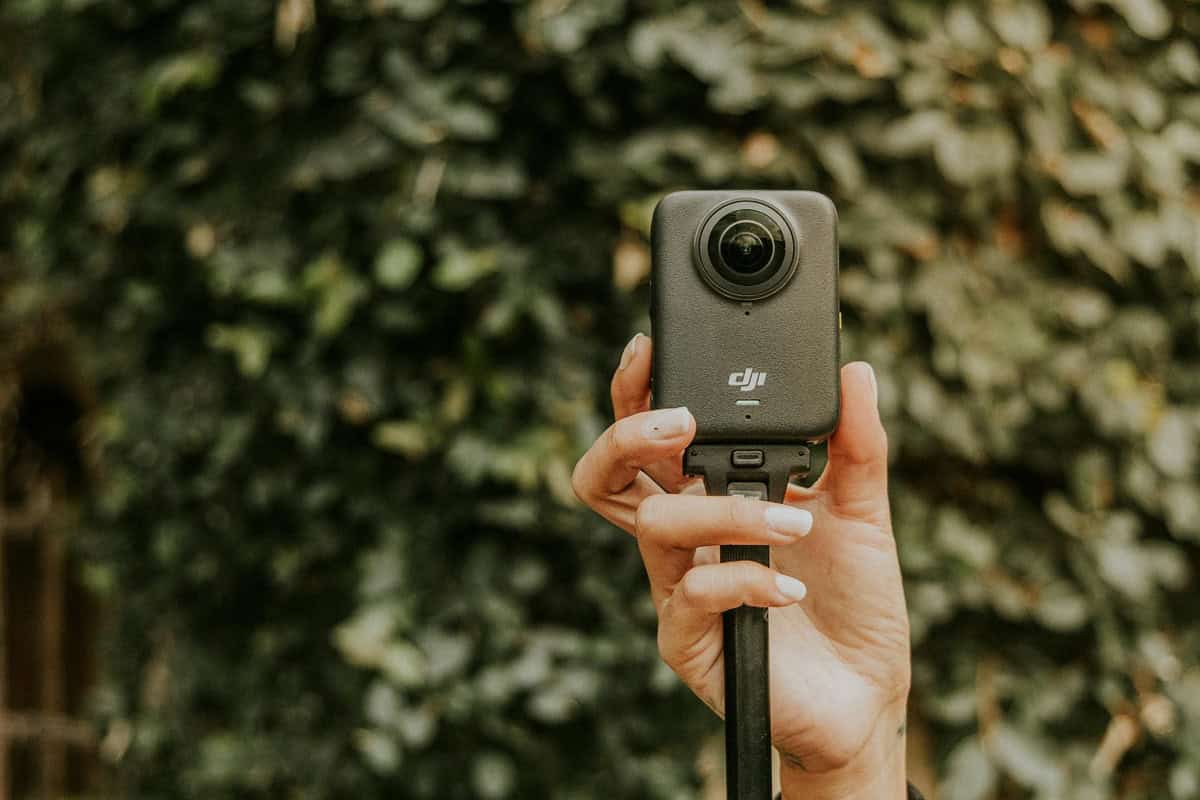
Last month I flew from Amsterdam (tulips in full bloom) to Amman for a week of hiking and city exploring — with nothing but a 28L carry-on backpack. No checked bag. No waiting at baggage claim. No stress when my connection in Vienna was cut to 45 minutes.
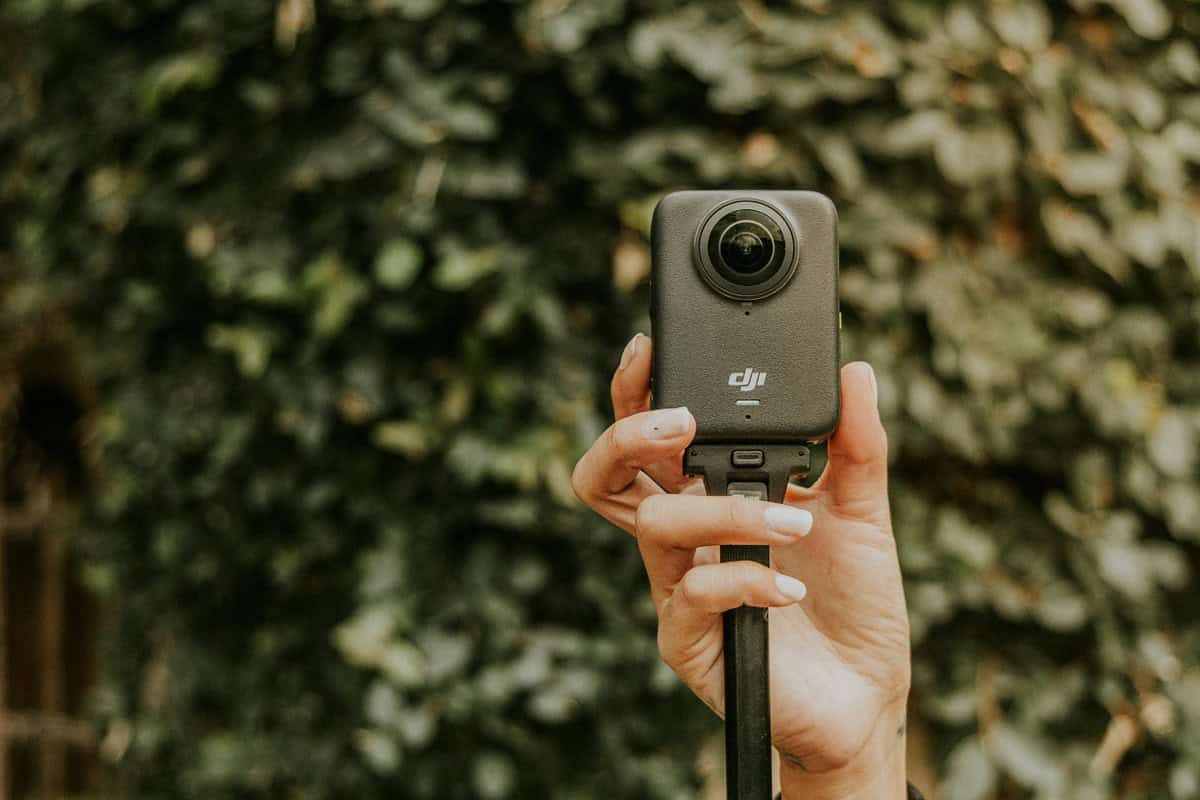
The secret wasn’t minimalism. It was smart, lightweight tech that replaced bulk with efficiency.
Key Takeaways
- A 10,000–20,000 mAh power bank ($25–$79) is essential for long travel days and spring hiking trips.
- Compact GaN chargers under 4 oz can replace 2–3 bulky adapters.
- The DJI Osmo Pocket 4 (under $500) delivers pro-level video in a pocket-sized body.
- A universal eSIM plan can save $10–$20 per day vs airport SIM cards.
- Under-seat travel backpacks (26–30L) avoid European carry-on fees in 2026.
If you’re planning shoulder-season Europe trips, spring hiking adventures, or chasing this year’s top adventure travel trends for 2026, here’s the tech I genuinely recommend — and actually carry.
1. A Compact GaN Charger (One Brick, All Devices)
If you still travel with multiple charging blocks, stop.
GaN (gallium nitride) chargers are smaller, faster, and lighter than traditional silicon chargers. My go-to in 2026 is a 65W 3-port GaN charger (around $59). It weighs about 3.5 oz and charges a laptop, phone, and earbuds at once.
In European cafés this spring — where outlets are limited and everyone is editing photos — this matters. One plug. Zero clutter.
What to look for:
- Minimum 65W output (enough for most ultrabooks)
- At least 2 USB-C ports
- Foldable prongs for U.S. travelers
- Universal voltage (100–240V)
Pair it with a slim universal adapter (not a bulky cube) and you’re set for most countries.
2. 10,000–20,000 mAh Power Bank (Spring Travel Essential)
Spring means long sightseeing days. Think 18,000 steps in Rome or sunrise hikes in Jordan.
A 10,000 mAh power bank ($25–$40) is perfect for city breaks. It’ll charge your phone about twice and still fit in a jacket pocket.
For multi-day hikes — like exploring new trails in Petra (ticket prices and updates in this complete 2026 Petra guide) — I upgrade to 20,000 mAh ($59–$79). Still TSA-approved for carry-on, but powerful enough for phone, camera, and smartwatch.
Skip anything heavier. If it feels like a brick, it defeats the carry-on-only philosophy.
3. DJI Osmo Pocket 4 (For Travelers Who Actually Film)
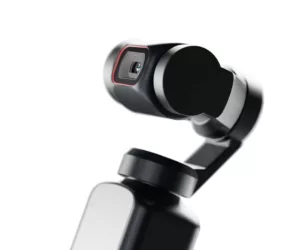
I’ve tested mirrorless cameras. I’ve hauled GoPros. In 2026? I carry the DJI Osmo Pocket 4.
It weighs just over 6 oz and shoots stabilized 4K footage that looks cinematic straight out of camera. Perfect for tulip fields in the Netherlands, coastal train rides in Italy, or desert hikes in Jordan.
We broke down why it’s such a strong travel upgrade in our full review of the DJI Osmo Pocket 4 for travel.
Price: typically under $500. Expensive? Yes. Worth it if you document your trips? Absolutely.
If you don’t film often, stick to your smartphone. But if you create Reels, YouTube, or just love smooth footage, this replaces a full camera setup.
4. eSIM Over Airport SIM Cards
In 2026, there’s almost no reason to queue at airport kiosks.
An eSIM plan for Europe can cost $15–$25 for 10GB of data. Compare that to $35–$50 at airport counters.
Even better: activate it before departure. Land, turn off airplane mode, and you’re connected. No hunting Wi-Fi while jet-lagged.
Pro tip: spring is shoulder season across much of Europe, so cafes and co-working spots aren’t packed yet — but train stations and airports still are. Having instant data saves time.
5. Ultralight Travel Router (For Digital Nomads & Remote Workers)
This one’s niche — but powerful.
A pocket-sized travel router (around $80) lets you:
- Secure sketchy hotel Wi-Fi
- Connect multiple devices to one login
- Use a VPN consistently
If you’re working remotely from Lisbon, Barcelona, or a mountain Airbnb this spring, it’s worth the 5 oz weight penalty.
Casual vacationers? You can skip it.
6. Noise-Canceling Earbuds (Not Headphones)
I used to swear by over-ear noise-canceling headphones.
But they’re bulky. And for carry-on-only travel — especially on budget European airlines with strict personal item limits — bulk is the enemy.
Modern noise-canceling earbuds (like Sony or Bose models, $199–$299) now rival over-ear performance. They take up 70% less space and fit in your pocket during boarding.
Critical for:
- Red-eye flights
- Noisy spring festival crowds
- Train rides across Europe
7. Smart Luggage Tracker (Peace of Mind, Even Without Checked Bags)
You might travel carry-on-only — but sometimes airlines force gate checks.
A slim Bluetooth tracker (around $29) inside your bag gives peace of mind. In 2026, most airlines support tracker integration, so you can see location updates directly in their apps.
I’ve only had to use it once (Madrid, weather delay chaos), but it paid for itself instantly.
8. Lightweight Under-Seat Backpack (26–30L Sweet Spot)
This isn’t “tech” in the classic sense — but it determines how much tech you can carry.
Budget European airlines in 2026 are stricter than ever. The sweet spot is a 26–30L backpack that fits under the seat (usually around 40 x 25 x 20 cm).
That size forces smarter packing:
- 1 pair versatile shoes
- Layered spring clothing (Europe weather swings 10–20°F daily in April)
- Minimal tech — only what earns its weight
If you can’t lift it easily with one hand, you’ve overpacked.
9. AI Travel Assistant Apps (Yes, They’re Actually Useful Now)
AI tools in 2026 are far more practical than they were two years ago.
The new Gemini AI desktop integration — which we covered in detail when Google launched the Gemini AI app on Mac — makes itinerary planning, translation, and quick travel research dramatically faster.
I’ve used it to:
- Summarize museum hours in Italian
- Build 3-day hiking itineraries
- Convert currencies instantly
It doesn’t replace common sense. But it saves time — and time equals more exploring.
What I No Longer Travel With in 2026
Let’s be opinionated for a second.
I no longer pack:
- DSLR cameras (too heavy for most travelers)
- Full-size tripods (use compact or flexible ones)
- Physical guidebooks (AI + offline maps win)
- Multiple charging bricks
Carry-on-only travel is about friction reduction. Every item should solve a problem worth its weight.
Spring 2026 Travel Context: Why Lightweight Tech Matters More Now
Spring is one of the best travel seasons — fewer crowds, better flight deals, and ideal hiking weather.
But it’s also unpredictable. One day you’re walking through Amsterdam’s Keukenhof gardens in sunshine. The next, you’re caught in a chilly drizzle in Prague.
Lightweight tech means:
- Less strain during long walking days
- Faster airport connections
- No checked baggage fees (often $50–$100 each way)
- Flexibility to hop cities spontaneously
That freedom is priceless.
Final Thoughts: Build a Kit That Earns Its Space
The best travel gadgets for 2026 aren’t flashy. They’re efficient.
A single GaN charger. A reliable power bank. A pocket camera that replaces pounds of gear. Smart data access. Compact audio.
That’s the formula.
If you’re planning a spring Europe escape, a hiking-heavy adventure trip, or just want to avoid baggage claim forever — start trimming the weight and upgrading the intelligence of what you carry.
Travel lighter. Move faster. See more.
Frequently Asked Questions
What is the best power bank size for carry-on travel in 2026?
A 10,000 mAh power bank is ideal for city trips and charges most phones twice. For hiking or heavy camera use, a 20,000 mAh model offers more flexibility while still meeting airline carry-on regulations.
Are GaN chargers worth it for travel?
Yes. GaN chargers are smaller and lighter than traditional chargers while delivering faster charging speeds. A 65W GaN charger can replace multiple bricks and typically costs $50–$70.
Is the DJI Osmo Pocket 4 better than a smartphone for travel?
If you regularly film video, yes. It offers superior stabilization and cinematic 4K quality in a pocket-sized device under 7 oz, making it ideal for carry-on-only travelers.
Do I need a luggage tracker if I don’t check bags?
It’s still smart to have one. Airlines sometimes gate-check carry-ons on full flights, and a $29 tracker provides peace of mind if your bag is separated from you.

About the Author: Tomáš Bzirský
Founder and editor of Distratech. Based in the Czech Republic, travelling regularly from Central Europe. Writes practical travel guides and travel-tech comparisons (eSIM, apps, airports) in six languages.