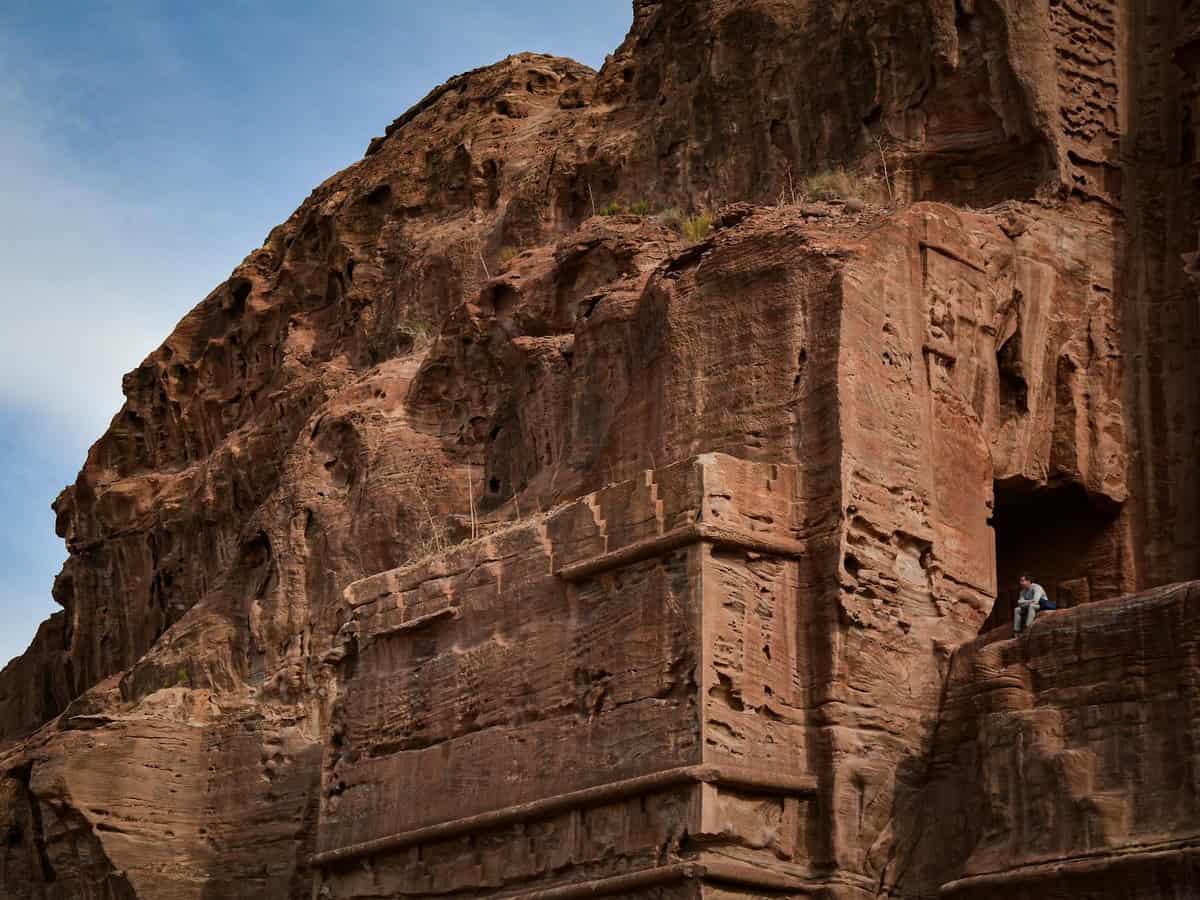
I still remember the first glimpse of Petra’s Treasury glowing pink at 7:10 a.m., with only six other people in the canyon. By 9:30 a.m., it was shoulder-to-shoulder with tour groups and selfie sticks.
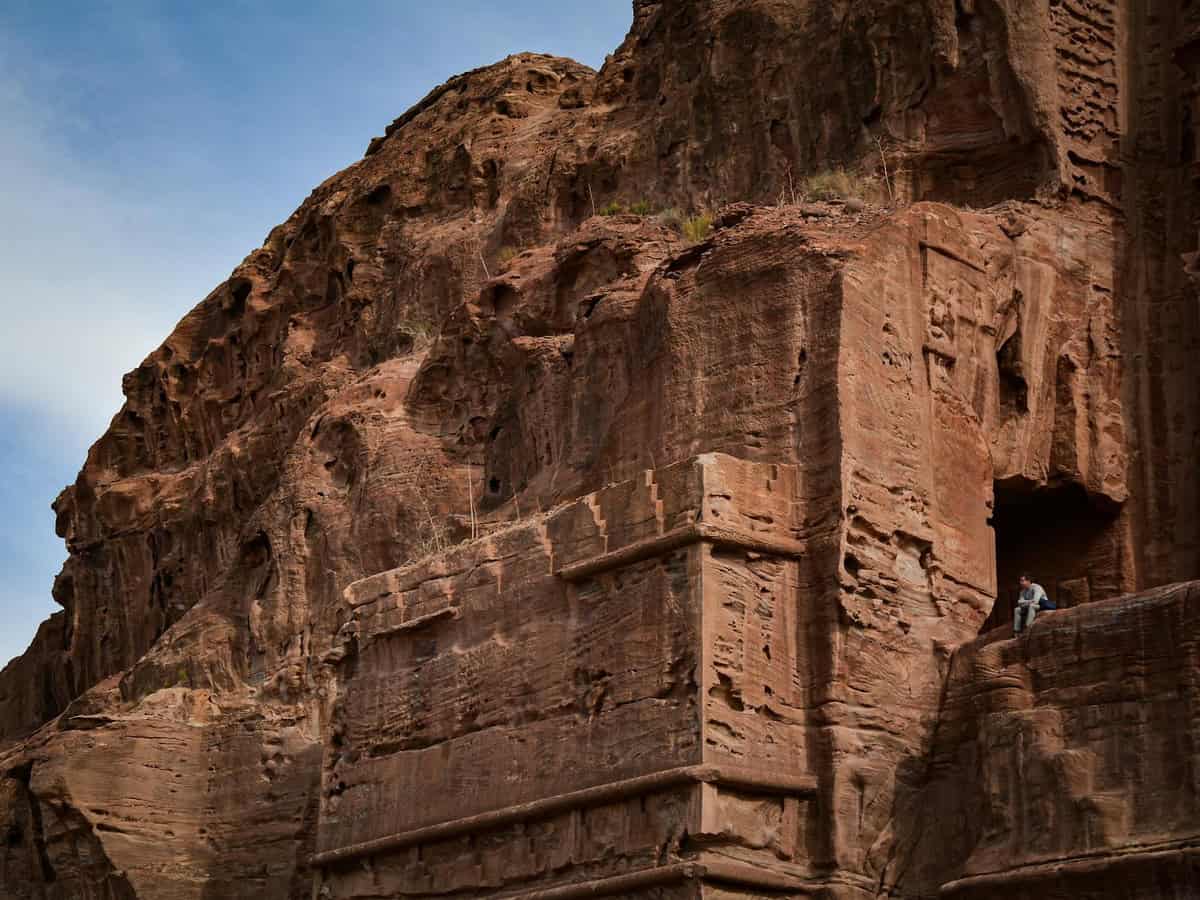
If you’re planning to visit Petra in 2026, timing, ticket strategy, and trail choices make all the difference. Spring (March–May) is peak season for a reason — cool hiking temps, desert wildflowers, and long daylight hours — but it also means higher crowds and booked-out hotels in Wadi Musa.
Key Takeaways
- Petra entry in 2026 costs 50 JOD ($70 USD) for one day, 55 JOD for two days, 60 JOD for three.
- Arrive at the gate by 6:00 a.m. to see the Treasury with minimal crowds.
- The Monastery hike is 800 steps up and takes 45–60 minutes from the basin.
- Spring (April–May) offers 15–25°C (59–77°F) temps — ideal for long hikes.
- Stay at least one night in Wadi Musa to experience Petra early or late.
Petra Ticket Prices in 2026 (And What’s Worth It)
Here’s the straight truth: Petra isn’t cheap — but it’s worth it.
As of 2026, official ticket prices for foreign visitors who stay overnight in Jordan are:
- 1 day: 50 JOD (~$70 USD)
- 2 days: 55 JOD (~$77 USD)
- 3 days: 60 JOD (~$85 USD)
If you’re only doing a day trip from Israel or not staying overnight in Jordan, expect to pay 90 JOD.
My advice? Get the 2-day pass. For just 5 JOD more, you can explore major trails without rushing — especially important in spring when hiking conditions are perfect.
Also consider the Jordan Pass (starting around 70–80 JOD depending on site tier). It waives your visa fee if you stay 3+ nights and includes Petra entry. For most travelers, it’s a no-brainer.
What’s New at Petra in 2026
Petra’s core monuments haven’t changed in 2,000 years — but visitor infrastructure has.
In 2026, expect better-marked secondary trails and improved signage on the back route to the Monastery (from Little Petra). This trail is still less crowded than the main 800-step climb and takes 2.5–3 hours one way.
There’s also stronger enforcement around unofficial “photo spots.” A few years ago, travelers were paying local teens to access risky cliff viewpoints above the Treasury. Authorities are cracking down — and honestly, good. The classic ground-level view is iconic enough.
The Best Things to Do in Petra (Beyond the Treasury)
1. Walk the Siq at Sunrise
The 1.2 km Siq canyon is part of the magic. Go early — before 6:30 a.m. — when the light is soft and the sandstone glows red and orange.
If you’re into travel photography or video, a compact stabilizer like the DJI Osmo Pocket 4 built for travel is perfect here. The canyon light shifts constantly, and the stabilization helps in low-light conditions.
2. Hike to the Monastery (Ad-Deir)
Yes, it’s 800 uneven steps.
Yes, it’s hot after 11 a.m.
And yes — it’s absolutely worth it.
The Monastery is bigger than the Treasury and sees a fraction of the crowd. Plan 45–60 minutes up, longer if you stop for tea breaks. In April, temperatures are usually comfortable until midday.
3. The Treasury Viewpoint (Official Trail)
Skip the risky “secret” climbs. Instead, take the marked Al-Khubtha trail near the Royal Tombs.
It’s a moderate 30–45 minute hike and gives you that elevated Treasury view without the drama. Go mid-morning for better lighting into the façade.
4. The Royal Tombs
Most people rush past them. Don’t.
The Urn Tomb and Silk Tomb have some of the most vibrant rock colors in Petra. In spring afternoons, the sun lights up the striations in reds, purples, and gold.
5. Little Petra (Siq al-Barid)
Just 15 minutes by car from Wadi Musa.
This smaller Nabataean site is free and far less crowded. Pair it with the backdoor hike to the Monastery if you want a full-day adventure without retracing your steps.
Where to Eat in Wadi Musa (And What to Skip)
Wadi Musa is built for tourists, which means some restaurants are overpriced and average.
Go to:
- My Mom’s Recipe – Excellent mansaf and kofta, fair prices (8–12 JOD mains).
- Al-Wadi Restaurant – Reliable Jordanian classics and big portions.
- Palm Court Restaurant – Good for a post-hike mixed grill.
Skip: Any place with someone aggressively waving you in from the street. If the menu has laminated photos and no prices, keep walking.
Expect to spend 10–15 JOD per meal at mid-range spots.
How Many Days Do You Really Need?
One day: Treasury, Monastery, quick Royal Tombs stop. Exhausting but doable.
Two days (ideal): Day 1 for main trail and Monastery. Day 2 for Royal Tombs, Treasury viewpoint, and Little Petra.
Three days: Add longer hikes like Jabal Haroun or explore at a slower pace with afternoon breaks.
If you’ve read our local guide to New York City, you know I’m a fan of slowing down in iconic destinations. Petra deserves that same mindset.
Practical Tips for Visiting Petra in Spring 2026
- Enter right at opening (6:00 a.m.). Tour buses arrive around 9:00–10:00 a.m.
- Bring 2 liters of water per person. On-site bottles cost 2–3 JOD.
- Wear real hiking shoes. Sandals + 800 stone steps = regret.
- Carry cash. Many stalls don’t accept cards.
- Don’t ride the donkeys unless necessary. It’s controversial and conditions vary.
- Download offline maps. Cell service is spotty inside the site.
Also: sunscreen in April. The desert sun is deceptive, even at 20°C.
Where to Stay
Luxury: Mövenpick Resort Petra — directly at the entrance. You’re paying for location, and it’s worth it if you want that 6:00 a.m. gate access without a taxi.
Mid-range: Petra Moon Hotel — rooftop pool and solid breakfast.
Budget: Esperanza Petra — simple but friendly and affordable.
Book at least 4–6 weeks ahead for April and early May 2026. Spring is prime season before the intense summer heat.
When Is the Best Time to Visit Petra?
Spring (March–May): Best overall. Comfortable temps, blooming desert plants, long days.
Summer (June–August): Very hot (30–40°C / 86–104°F). Only manageable with very early starts.
Fall (September–October): Another excellent window, slightly fewer crowds than spring.
Winter (December–February): Cold mornings, possible rain. Fewer tourists, but trails can be slippery.
Right now — April 2026 — conditions are close to perfect. If Petra’s on your list, this is your window.
Is Petra Worth It in 2026?
Yes. Completely.
Even with rising ticket prices and steady tourism, Petra still feels surreal — especially when you step beyond the Treasury and onto quieter trails.
Stay overnight. Wake up early. Hike further than most people do.
That’s how Petra becomes unforgettable.
If you’re planning a Middle East itinerary for spring or fall 2026, add Petra — and give it the time it deserves.
If you want the best stay base for exploring Petra, browse hotels in Wadi Musa and book early, especially in spring.
Frequently Asked Questions
How much does it cost to visit Petra in 2026?
A one-day ticket costs 50 JOD (~$70 USD), two days 55 JOD, and three days 60 JOD for visitors staying overnight in Jordan. Day-trippers without an overnight stay pay 90 JOD.
How many days do you need in Petra?
Two days is ideal for most travelers. It allows you to see the Treasury and Monastery on day one and explore the Royal Tombs and viewpoints on day two without rushing.
When is the best time to visit Petra?
Spring (March–May) and fall (September–October) offer the best temperatures for hiking. April typically sees 15–25°C (59–77°F), making it perfect for long trail days.
Is the hike to the Monastery difficult?
The hike involves about 800 uneven stone steps and takes 45–60 minutes uphill. It’s moderately challenging but manageable for anyone in decent shape with proper footwear.
Planning a trip to Jordan this year? Bookmark this guide, grab the 2-day pass, and set your alarm early. Petra rewards the travelers who put in just a little extra effort.

About the Author: Tomáš Bzirský
Founder and editor of Distratech. Based in the Czech Republic, travelling regularly from Central Europe. Writes practical travel guides and travel-tech comparisons (eSIM, apps, airports) in six languages.