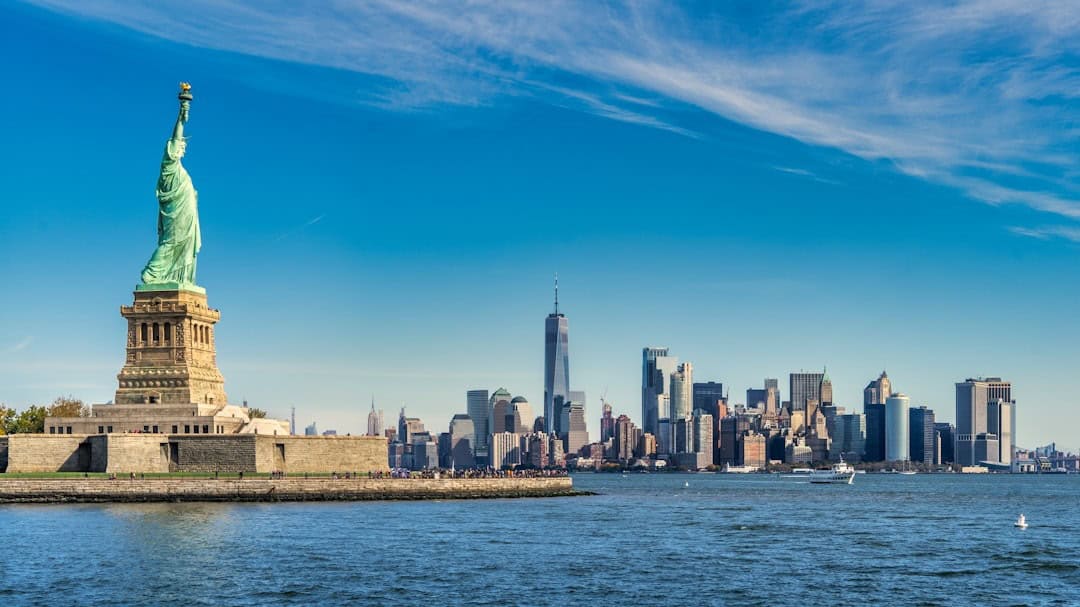
I’ve lived in New York City for over a decade, and here’s the truth: you don’t “do” NYC — you navigate it. You learn which subway car lines up with the exit, where to find a $3 slice that’s better than a $30 entrée, and when to cross the Brooklyn Bridge (hint: not at noon in July).
Spring 2026 is one of the best times to visit. The cherry blossoms are out in Central Park and Brooklyn Botanic Garden, rooftop season is back, and hotel prices haven’t hit peak summer madness yet.
Key Takeaways
- Best time to visit: April–early June for mild weather (55–75°F) and fewer crowds than summer.
- Subway ride costs $2.90; use contactless tap-to-pay (OMNY) instead of buying a MetroCard.
- Skip overpriced chain restaurants in Times Square — walk 10 minutes for better food at half the price.
- Budget at least $25–$35 per person for a solid NYC dinner, $3–$5 for a great slice.
- Book major attractions (SUMMIT, Edge, Statue of Liberty) at least 3–7 days in advance in spring.
What to See (That’s Actually Worth It)
Let’s start with the icons — and whether they deserve your time.
Central Park (Yes, Obviously)
In April, the park explodes with cherry blossoms near the Reservoir and Sheep Meadow starts filling up with locals the second it hits 65°F.
Enter at 72nd Street and walk north toward Bethesda Terrace and Fountain. It’s a 30–45 minute wander and gives you the classic views without getting lost.
The Brooklyn Bridge (But Do It Right)
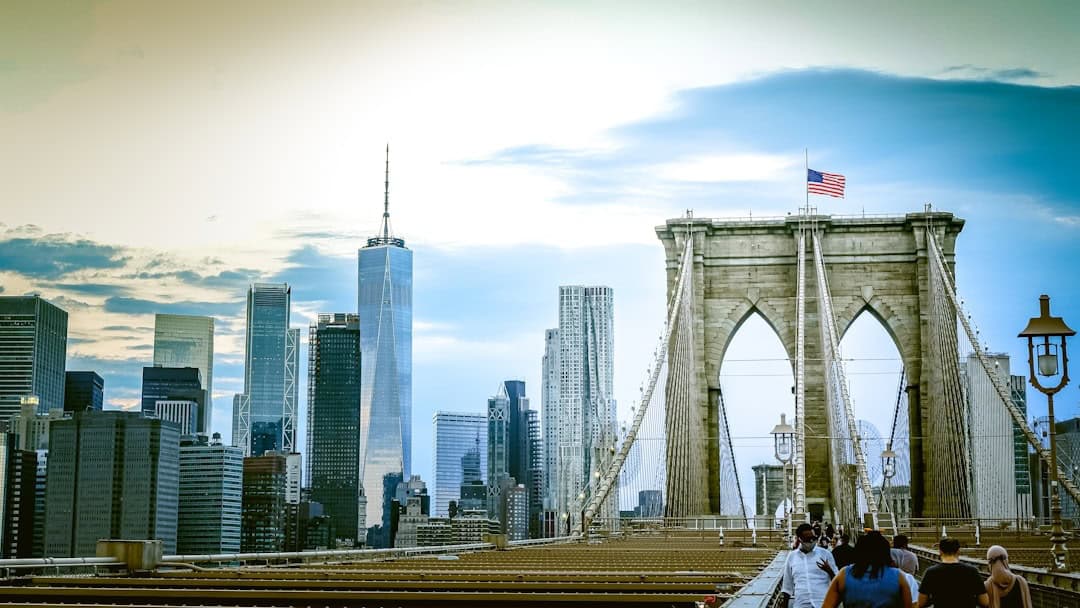
Go at sunrise (before 8am) or after 7pm. Midday is shoulder-to-shoulder chaos.
Start in Brooklyn at Washington Street in DUMBO for that Manhattan Bridge photo, then walk toward Manhattan. Reward yourself with pizza at Juliana’s (expect $25–$35 per person).
SUMMIT One Vanderbilt or Edge — Pick One
You don’t need every observation deck. My vote in 2026: SUMMIT for the mirrored immersive rooms and cleaner Midtown views.
Tickets run $39–$59 depending on time. Sunset slots sell out days in advance in spring.
Governors Island
Open for the season and criminally underrated. A 10-minute ferry ride ($5 round-trip) gets you skyline views, bike rentals, and actual breathing room.
The Museum Call
If you’re doing one museum: The Met. Period.
Two hours minimum. Head straight to the rooftop garden (open seasonally) for skyline views.
What to Eat (Like You Live Here)
New York is a food city first, tourist city second.
Bagels
Tompkins Square Bagels (East Village) or Absolute Bagels (Upper West Side). A bagel with scallion cream cheese: about $4–$6.
Skip rainbow bagels. They’re for Instagram.
Pizza
Joe’s Pizza for the classic $3–$4 slice. No frills.
For sit-down: Lucali (cash only, arrive early) or Juliana’s in DUMBO.
Classic NYC Dinner
Gramercy Tavern (bar room for walk-ins) if you want elevated but unstuffy. Expect $40–$60 per person.
Katz’s Delicatessen for pastrami — yes, it’s touristy. Yes, it’s worth it. Split a $28 sandwich.
Spring Rooftops (2026 Edition)
230 Fifth opens fully once temperatures stabilize in April. Go midweek for shorter lines.
Westlight in Williamsburg has better views and fewer finance bros.
If you’re a serious food traveler, NYC can rival global culinary capitals. I’d argue it’s as diverse as what you’ll experience on a 10-day Vietnam food itinerary — just condensed into a subway map.
Neighborhoods to Explore (Beyond Times Square)
West Village
Tree-lined streets, brownstones, jazz bars. Get lost here for an hour.
Grab coffee at Little Owl or a cocktail at Employees Only.
Williamsburg
Vintage shops, waterfront parks, and some of the city’s best bakeries.
Walk Domino Park at sunset — unobstructed Manhattan skyline views.
Lower East Side
Old-school delis meet edgy galleries.
Great for bar hopping without the Murray Hill energy (which you should absolutely skip).
What to Skip (I’ll Save You Time)
- Chain restaurants in Times Square (you didn’t fly here for Olive Garden).
- Empire State Building at peak hours — long waits, dated experience.
- Horse carriage rides in Central Park ($150+ for 20 minutes).
- “Hop-on hop-off” buses — the subway is faster 90% of the time.
How to Get Around (Tech Tips Included)
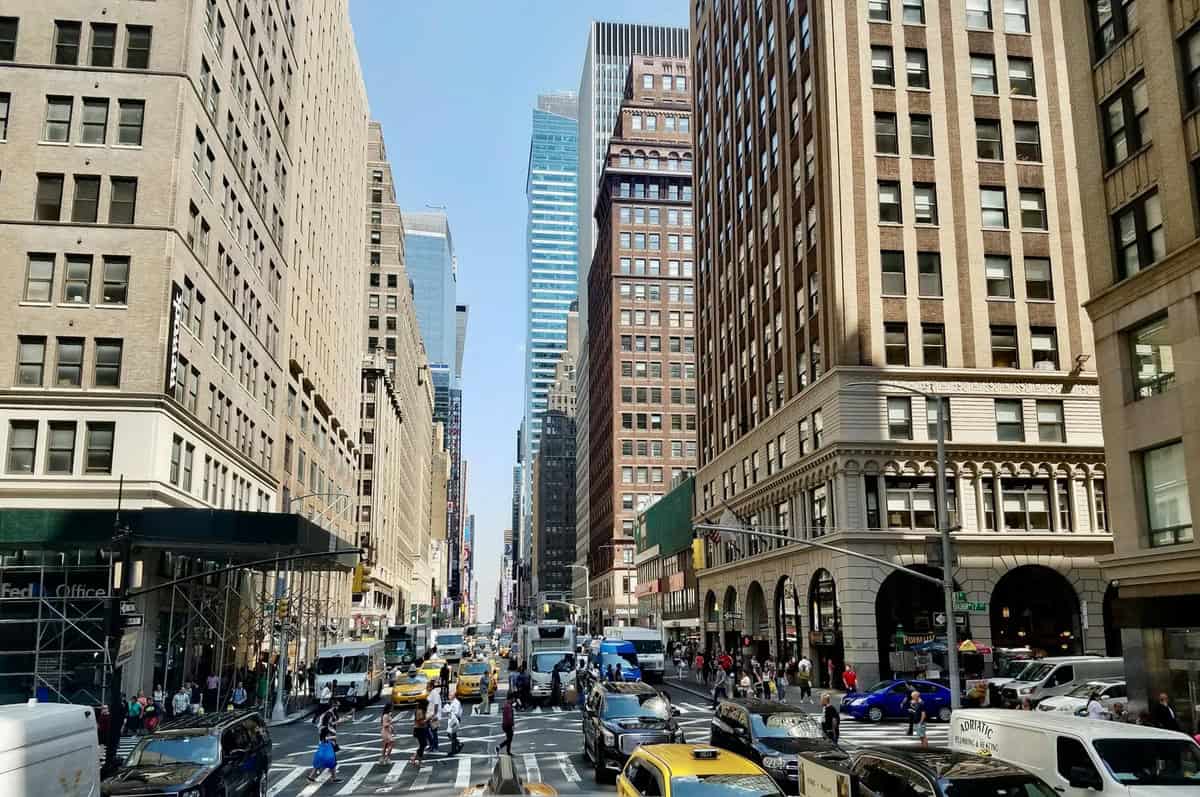
The subway is your best friend. A single ride costs $2.90. Just tap your credit card or phone using OMNY — no need to buy a MetroCard anymore.
Download Citymapper or Google Maps for real-time routes. Both are reliable here.
If you’re upgrading your travel tech this year, the upcoming iPhone Ultra’s new travel-friendly features — especially battery and camera improvements — are genuinely useful in a city where you’ll navigate and photograph nonstop.
From JFK to Manhattan:
- AirTrain + Subway: ~$11, 60–75 minutes.
- Taxi: Flat fare ~$70 + tolls + tip, 45–90 minutes depending on traffic.
- Uber/Lyft: Often $80–$120 during surge.
LaGuardia is closer but still traffic-prone. Budget 45–60 minutes minimum.
Where to Stay (Quick and Opinionated)
Midtown is convenient. It is not charming.
If it’s your first visit and you want easy logistics, stay near Bryant Park or Union Square.
If you want vibe: West Village, SoHo, or Williamsburg.
Spring 2026 hotel averages:
- Mid-range hotel: $250–$400 per night.
- Boutique 4-star: $400–$650.
- Luxury 5-star: $800+.
Book 4–6 weeks ahead for April–May weekends — graduation season pushes rates up.
When to Visit New York City
Spring (April–early June): My top pick. Comfortable temperatures, outdoor dining returns, parks are alive.
Summer: Hot, humid (85–95°F), crowded. Great energy, but prepare to sweat.
Fall: Arguably tied with spring. Crisp air, golden Central Park.
Winter: Magical in December. Brutal in February.
Right now — April 2026 — you’re in the sweet spot. Tulips, baseball season starting, and patios reopening.
A 3-Day NYC Game Plan
- Day 1: Midtown + Central Park + SUMMIT at sunset.
- Day 2: Brooklyn Bridge at sunrise → DUMBO → Williamsburg → rooftop drinks.
- Day 3: The Met → West Village wander → evening in the Lower East Side.
This gives you icons, neighborhoods, and food without burning out.
Final Thoughts: How to “Do” New York the Right Way
Don’t try to conquer New York. Sample it.
Walk more than you plan to. Make one reservation per day. Leave space for a random slice, a street performance, a bar you didn’t research.
New York rewards curiosity — and punishes overplanning.
If you’re heading here this spring, book your big-ticket attractions early, pack layers (April evenings dip into the 50s), and come hungry.
And if you’ve got specific neighborhoods or interests in mind, drop them in the comments — I’ll help you tailor your NYC game plan.
Looking for a place to stay in the Big Apple? Browse NYC hotels to find the best deals for spring 2026.
Frequently Asked Questions
How much money do you need per day in New York City?
Budget travelers can manage on $100–$150 per day (excluding hotel) with subway rides and casual eats. A comfortable mid-range day with attractions and a sit-down dinner is closer to $200–$300.
What is the best month to visit New York City?
April, May, September, and October are ideal for mild weather and walkability. April 2026 is especially great for cherry blossoms and fewer crowds than summer.
Is Times Square worth visiting?
Yes — once. Go at night, spend 20 minutes soaking in the neon chaos, then leave and eat somewhere better 10 blocks away.
What is the cheapest way to get from JFK to Manhattan?
The AirTrain plus subway costs about $11 total and takes 60–75 minutes. It’s significantly cheaper than a $70+ taxi.

About the Author: Tomáš Bzirský
Founder and editor of Distratech. Based in the Czech Republic, travelling regularly from Central Europe. Writes practical travel guides and travel-tech comparisons (eSIM, apps, airports) in six languages.