
'/%3E%3Cpath%20fill='%23b2b2b2'%20d='M241%20382q0%2016%2017%2026%2017%2011%2042%2011t42-11q16-11%2017-26V269H241'/%3E%3Cpath%20fill='%239f7e00'%20d='M241%20379q0%2014%208%2023%209%209%2021%209%2014%200%2021-9%209-9%209-23V269h-59'/%3E%3Cpath%20d='M241%20339v-70h59v110q0%2014-9%2023l-6%205v-68h-15v72q-8%200-14-4v-68zm59%2040c0%2022%2015%2032%2029%2032%2021%200%2030-18%2030-32v-40h-59'/%3E%3Cpath%20fill='%239f7e00'%20d='M266%20277v5h2v12h-3v-5h2v-5h-9v5h2v5h-4v9h3v18h-5v10h34v-10h-5v-18h3v-9h-4v-5h2v-5h-9v5h2v5h-3v-12h2v-5zm42%20101q0%2010%206%2017%206%206%2015%207%2010-1%2016-7%206-7%206-17v-29h-43'/%3E%3Ccircle%20fill='%230044ad'%20cx='329.5'%20cy='372'%20r='6'/%3E%3Cellipse%20fill='%230044ad'%20cx='300'%20cy='340'%20rx='16'%20ry='21'/%3E%3C/svg%3E)
'/%3E%3C/svg%3E)


'/%3E%3C/g%3E%3Cuse%20href='%23c'%20transform='matrix(-1%200%200%201%20720%200)'/%3E%3C/svg%3E)


Last April, I stood in a field of waist-high wildflowers in Texas with 70°F sunshine on my face — and fewer than a dozen people in sight. Two months later, that same park was a 95°F oven with full parking lots by 9 a.m.
Key Takeaways
- Spring (March–May 2026) offers ideal temperatures of 60–80°F across top parks like Great Smoky Mountains, Zion, and Yosemite — far more comfortable than peak summer heat.
- Great Smoky Mountains requires parking tags in 2026 ($5/day or $15/week); buy online in advance to skip ranger station lines.
- Zion’s Angels Landing requires a permit via recreation.gov, and spring reservations fill months ahead — arrive before 8 a.m. to avoid shuttle delays.
- Yosemite waterfalls peak in May due to Sierra snowmelt, with possible timed-entry reservations expected for spring/summer 2026.
- Great Sand Dunes’ Medano Creek typically peaks in late May to early June, and spring sand temperatures are far cooler than the 150°F surface heat seen in summer.
Spring is the sweet spot for U.S. national parks. You get blooming landscapes, snowmelt waterfalls, active wildlife, and — if you time it right — half the summer crowds.
If you’re planning a U.S. adventure for March through May 2026, these are the parks I’d personally prioritize (and exactly why).
1. Great Smoky Mountains National Park (Tennessee & North Carolina)
Best for: Wildflowers and misty mountain views without peak-season chaos.
Spring here feels alive. More than 1,500 species of flowering plants bloom between March and May — trilliums, violets, lady’s slippers — especially during the famous Spring Wildflower Pilgrimage in late April.
Temperatures hover between 60–75°F at lower elevations. Hiking Alum Cave Trail in 65°F weather beats doing it in humid July heat.
Don’t miss: Cades Cove at sunrise. You’ll see deer, wild turkeys, maybe even black bears — and avoid the midday traffic loop nightmare.
Pro tip: Parking tags are required ($5/day or $15/week in 2026). Buy online in advance to skip ranger station lines.
2. Zion National Park (Utah)
Best for: Desert landscapes without desert temperatures.
In summer, Zion regularly hits 100°F. In April? A comfortable 70–80°F.
The Virgin River flows stronger from snowmelt, emerald pools refill, and Angels Landing is actually enjoyable instead of a heat endurance test.
Heads up: You still need a permit for Angels Landing. Apply months ahead via recreation.gov — spring slots fill fast.
Skip this: Midday shuttle lines. Arrive before 8 a.m. or after 3 p.m. to avoid peak bottlenecks.
3. Yosemite National Park (California)
Best for: Waterfalls at full power.
If you’ve only seen Yosemite in late summer, you haven’t really seen it. By May, Yosemite Falls and Bridalveil Fall thunder at peak flow thanks to Sierra snowmelt.
Daytime temps range from 60–75°F in the valley — ideal for long hikes like Mist Trail without baking in the sun.
Important: Yosemite has implemented spring/summer reservation systems in recent years. Expect some type of timed-entry requirement for 2026 — check early.
Where to stay: If in-park lodges are booked (they will be), look at Mariposa. It’s about 1 hour’s drive and significantly cheaper.
4. Great Sand Dunes National Park (Colorado)
Best for: Surreal landscapes and surprisingly fun splash zones.
Spring is magic here. Snowmelt from the Sangre de Cristo Mountains creates Medano Creek — a shallow, beach-like stream at the base of the dunes.
Kids float. Adults relax. And the sand isn’t scorching hot yet.
By June, the dunes can hit 150°F at the surface. In May, you can hike barefoot comfortably.
Timing tip: Peak creek flow typically happens late May to early June. Check flow updates before booking.
5. Joshua Tree National Park (California)
Best for: Desert wildflower blooms and stargazing.
After winter rains, spring transforms Joshua Tree into a colorful surprise — purple lupines, yellow desert dandelions, blooming cacti.
March and April bring ideal hiking weather (70–85°F). By late May, it’s already pushing 95°F.
Go at night: The stargazing is unreal. Bring a stargazing app and download offline maps — cell service is unreliable.
6. Shenandoah National Park (Virginia)
Best for: East Coast road trips and waterfall hikes.
Skyline Drive stretches 105 miles along the Blue Ridge Mountains. In spring, the overlooks are green and fresh instead of hazy summer blue.
Waterfalls like Dark Hollow Falls and Overall Run are strongest in April.
It’s also far less crowded than peak October foliage season — hotel rates in nearby towns can be 20–30% lower than fall weekends.
7. Big Bend National Park (Texas)
Best for: Remote desert beauty before extreme heat hits.
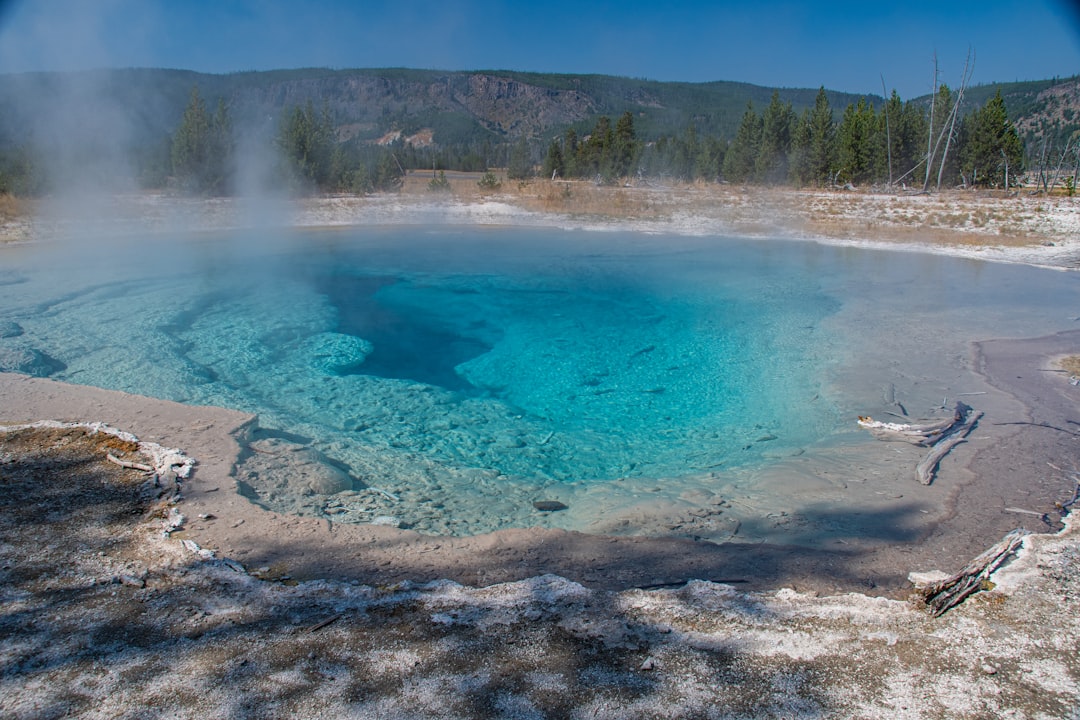
Big Bend in July? Brutal. Big Bend in March? Perfect.
Expect 75–85°F days, blooming ocotillo plants, and some of the darkest night skies in the U.S.
Warning: It’s remote. Gas stations are sparse. Download offline maps and bring more water than you think you need.
When Exactly Is “Spring” for National Parks?
Spring means different things depending on geography:
- March–April: Ideal for desert parks (Zion, Joshua Tree, Big Bend).
- April–May: Best for waterfalls (Yosemite) and wildflowers (Smokies).
- Late May: Higher-elevation parks begin opening fully.
If you’re traveling around Easter 2026, expect a small spike in family travel. For something more festive and international that same time of year, check out our guide to unique Easter celebrations around the world — it’s a completely different kind of spring experience.
Smart Tech Tips for Spring 2026 Park Trips
Spring travel is easier than summer — but you still need a strategy.
- Download offline maps in Google Maps or AllTrails. Signal disappears fast in desert and mountain parks.
- Bring a power bank (10,000–20,000 mAh). Cold mornings drain batteries faster.
- Set weather alerts. Snowstorms can still hit in April at higher elevations.
- Reserve early. Campsites for April and May 2026 are already opening on recreation.gov.
- Check road openings weekly. Tioga Pass in Yosemite, for example, often opens late May or June depending on snow.
What I’d Personally Choose for Spring 2026
If you want drama and iconic scenery: Yosemite in May.
If you want wildflowers and zero stress: Smoky Mountains in late April.
If you want warm weather and epic desert photos: Zion or Big Bend in March.
And if you’re deciding between a U.S. spring road trip and something more exotic, compare this with our ultimate spring road trip through Morocco — same season, completely different landscapes.
Final Thoughts: Why Spring 2026 Is the Smart Move
Summer gets the hype. Spring gets the experience.
You’ll hike longer, sleep better, take better photos, and spend less time in entrance lines. Hotels are cheaper. Wildlife is active. Waterfalls are roaring.
If you’ve been postponing a national park trip because you “don’t like crowds,” this is your window.
Pick one park. Book early. Set your alarm for sunrise. And enjoy the version of America’s national parks most people never see.
Want more smart, tech-savvy travel planning guides? Explore more destination deep dives on Distratech and start mapping out your Spring 2026 adventure.
Frequently Asked Questions
What is the best U.S. national park to visit in April 2026?
Great Smoky Mountains and Zion are top choices for April 2026. Temperatures range from 60–80°F, wildflowers are in bloom, and crowds are significantly lighter than summer peak season.
Do I need reservations for Yosemite in spring 2026?
Yosemite has implemented timed-entry systems in recent years, and a similar reservation requirement is expected for spring/summer 2026. Check recreation.gov several months in advance to secure entry dates.
How much does it cost to park in Great Smoky Mountains National Park?
Parking tags cost $5 per day or $15 per week in 2026. Tags must be displayed when parked longer than 15 minutes and can be purchased online before arrival.
When is the best time to see waterfalls in Yosemite?
Waterfalls typically peak in May due to Sierra Nevada snowmelt. Visiting between late April and early June gives you the strongest flows and daytime temperatures around 60–75°F.
When does Medano Creek flow at Great Sand Dunes National Park?
Medano Creek usually reaches peak flow in late May to early June, depending on snowpack levels. During this period, the shallow stream creates a beach-like area ideal for families and cooling off.

About the Author: Tomáš Bzirský
Founder and editor of Distratech. Based in the Czech Republic, travelling regularly from Central Europe. Writes practical travel guides and travel-tech comparisons (eSIM, apps, airports) in six languages.