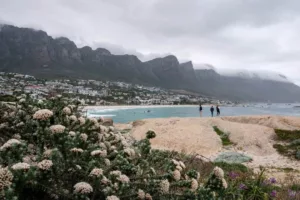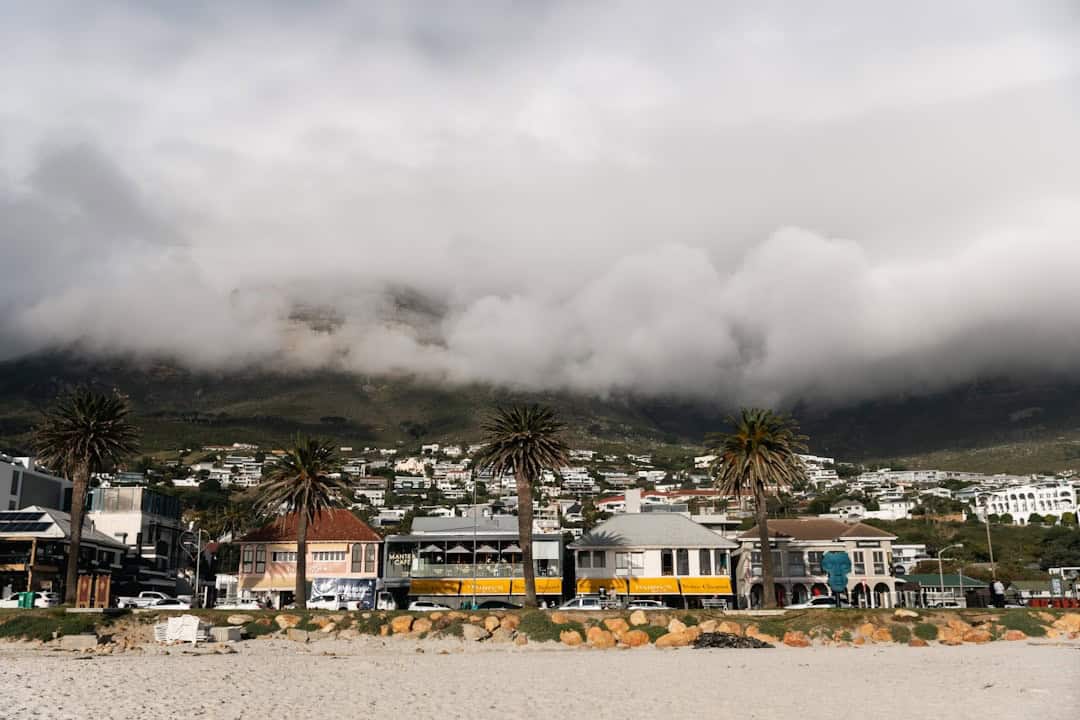
The first time I visited Cape Town in July, I expected grey skies and empty streets. Instead, I got sunshine between dramatic storms, Southern Right whales breaching 20 meters from shore, and dinner reservations at places that are impossible to book in January.
Winter (June–August) is Cape Town’s best-kept secret. Yes, it’s cooler. But it’s also cheaper, calmer, and arguably more beautiful — especially if you love wine, wildlife, and moody coastal drives.
Key Takeaways
- Whale season peaks June–August, especially in Hermanus (90 minutes from Cape Town).
- Winter hotel rates drop 20–40% compared to summer, with 4-star rooms from $90/night.
- Average daytime temps range 15–20°C (59–68°F), with rain mainly in short bursts.
- Wine tasting fees start around 50–100 ZAR ($3–6), often waived with purchases.
Why Winter in Cape Town Is Actually a Smart Move
Let’s be honest: summer in Cape Town (December–February) is stunning — and packed. Expect traffic jams on Chapman’s Peak Drive, two-hour waits for Table Mountain cable cars, and beachfront prices that sting.
In winter, the city exhales. You can drive from Camps Bay to Kalk Bay in under 40 minutes. You can walk into top restaurants midweek. And the landscapes turn lush and green after the rains.
Plus, if you’re already planning an Africa trip, winter pairs perfectly with a safari extension — dry season in southern Africa means excellent wildlife viewing. For inspiration, check out these affordable safari destinations in Africa for 2026 to combine with your Cape Town stay.
Whale Watching in Hermanus (The Main Event)
If you do one thing in Cape Town in winter, make it this.
From June to August, Southern Right whales migrate to the Western Cape to calve. Hermanus — about 120 km (75 miles) from Cape Town — is one of the best land-based whale watching spots in the world.
I’ve seen whales breach while standing on the cliff path with a coffee in hand. No boat required.
How to do it:
- Drive time: 1.5–2 hours from Cape Town via the scenic R44 coastal route.
- Best months: July and August (September gets busier during the Whale Festival).
- Boat tours: From ~1,200 ZAR ($65) per person, 2–3 hours.
- Land-based viewing: Free — just walk the Hermanus Cliff Path.
Go early (8–10am) when the ocean is calmer. Bring binoculars and a windproof jacket — the breeze is real.
Wine Tasting Without the Summer Chaos
Winter is red wine season. And in Stellenbosch and Franschhoek, it’s fireplace season too.
In July, I had a private-feeling tasting at Tokara because only three other people were there. In January? It’s bus tours and elbow nudging.
Top winter-friendly wine farms:
Stellenbosch:
– Tokara (bold reds, epic mountain views)
– Waterford Estate (excellent structured tastings)
– Rust en Vrede (serious cabernet lovers only)
Franschhoek:
– La Motte (cozy interiors, great Shiraz)
– Haute Cabrière (bubbles + valley views)
Tasting fees range from 50–150 ZAR ($3–8). Many waive the fee if you buy a bottle.
Skip the Franschhoek Wine Tram on rainy weekdays unless you love hopping on and off in drizzle. In winter, I prefer picking 2–3 estates and lingering.
Storm-Watching Along the Coast
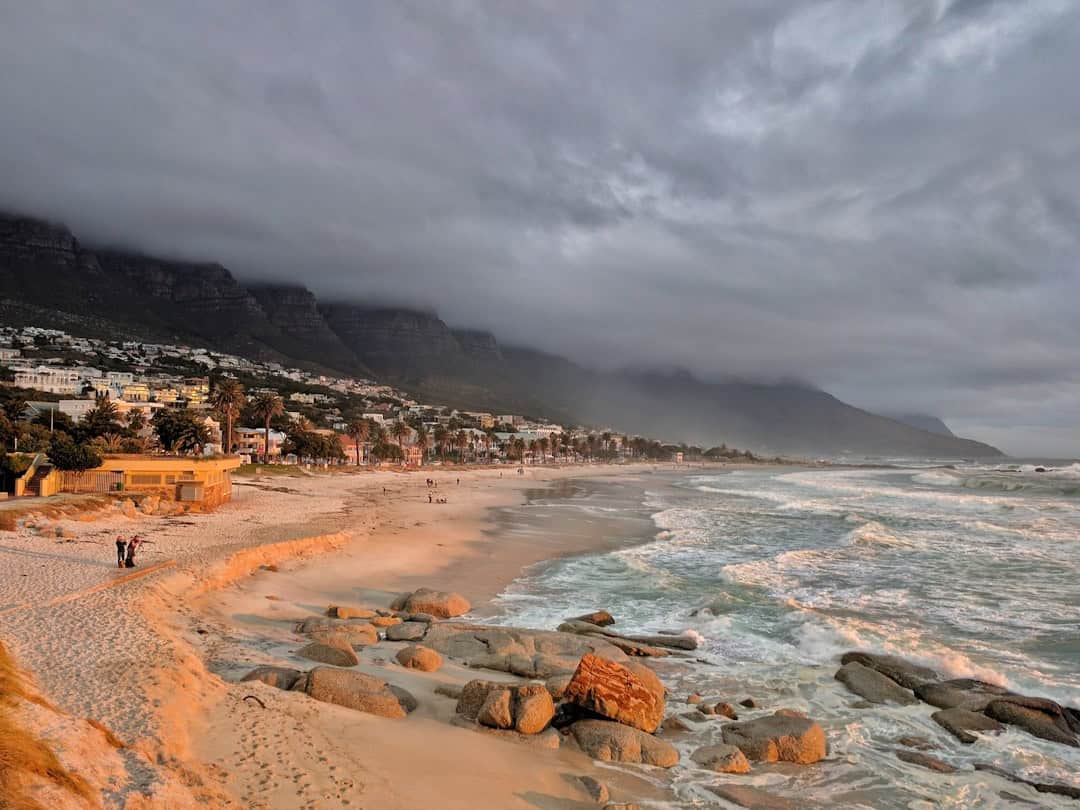
Cape Town winter storms are dramatic — in a cinematic way, not a dangerous way (usually).
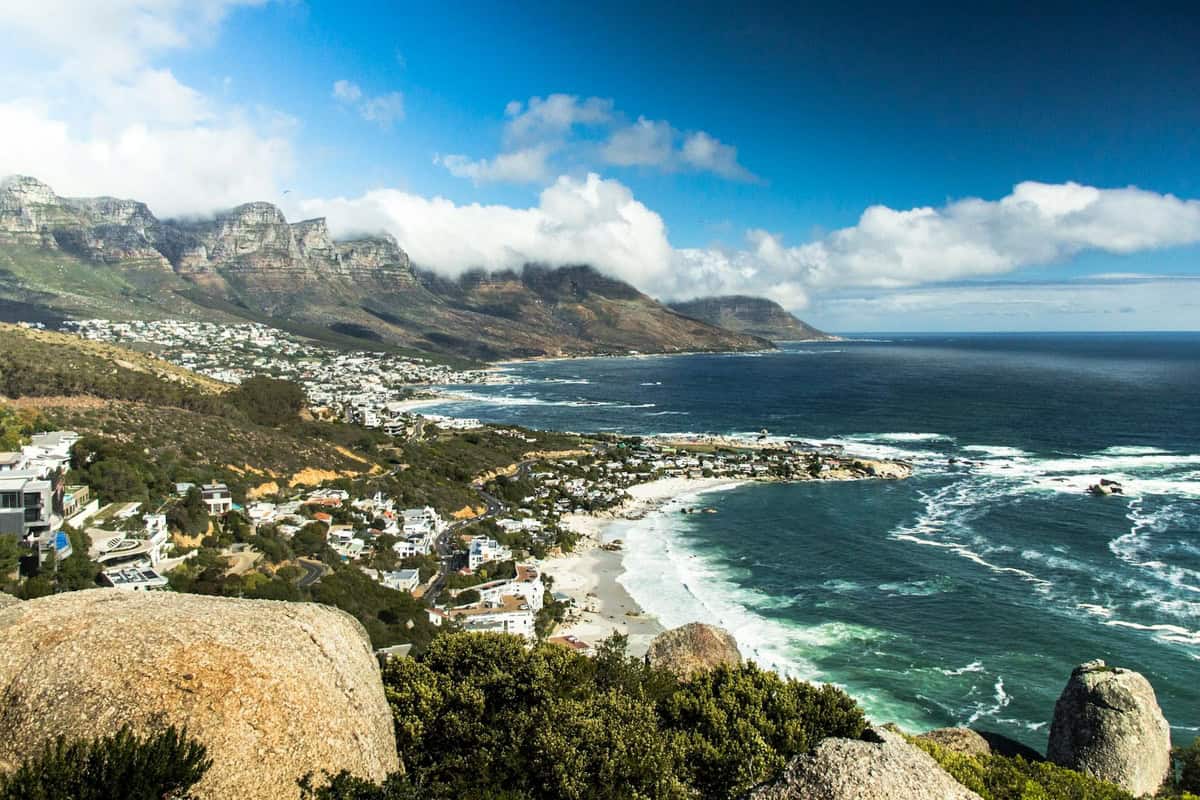
Chapman’s Peak Drive after a storm is spectacular: crashing waves, misty cliffs, fewer cars. Entry toll is around 64 ZAR ($3.50).
Muizenberg and Kalk Bay are perfect for cozy afternoons. Order fish and chips at Kalky’s (touristy but still good), then watch surfers tackle icy swells.
If you’re someone who checks weather apps obsessively, download Windy or Yr.no — they’re more accurate for Cape coastal conditions than generic forecasts.
Table Mountain Without the Two-Hour Line
Yes, you can still hike Table Mountain in winter — you just need flexibility.
Clear days are common between cold fronts. Go the day after rain for the clearest views.
Practical tips:
- Check the Table Mountain Aerial Cableway website the morning of — closures happen in high winds.
- Buy tickets online (around 420 ZAR / $23 return).
- Dress in layers — summit temps can be 5–8°C cooler than the city.
If hiking isn’t your thing, Lion’s Head at sunrise on a crisp winter morning is less crowded and equally rewarding.
Where to Eat (Easier Reservations = Better Trips)
Winter is when Cape Town’s food scene shines. Locals come out. Fireplaces get lit. Tasting menus feel indulgent instead of rushed.
Book these:
– FYN (modern Japanese-South African tasting menu, expect ~1,500–1,900 ZAR / $80–100).
– La Colombe (consistently ranked among the world’s best; reserve weeks ahead even in winter).
– Pot Luck Club (small plates, easier bookings midweek).
Tourist trap warning: V&A Waterfront chain restaurants. Fine for a view, not for culinary highlights.
For something cozy and local, try Kloof Street House on a rainy evening — velvet couches, fireplaces, strong cocktails.
What the Weather Is Really Like (Month by Month)
June: Coolest and wettest. Expect rain fronts but also dramatic clear days. Least crowded.
July: Peak whale watching. Crisp mornings, 15–18°C afternoons.
August: Wildflowers start blooming along the West Coast. Slightly busier toward the end of the month.
It’s not tropical-winter warm like Southeast Asia. But unlike Caribbean hurricane season travel, you’re not gambling with major storms — just occasional rainy days.
Where to Stay for the Best Winter Experience
Winter deals are real.
In 2026, I’m seeing 4-star boutique hotels in Gardens and Sea Point from $90–130 per night. Luxury properties that hit $400+ in summer often dip below $250.
Best neighborhoods:
- Gardens/Tamboerskloof: Close to restaurants, sheltered from wind.
- Sea Point: Ocean views, great promenade walks.
- Camps Bay: Gorgeous but windier in winter — choose wisely.
Avoid staying too far out unless you have a car. Public transport is limited; Uber works well and is affordable.
Smart Tech & Planning Tips for Winter 2026
Cape Town is easy, but a few digital moves make it smoother.
- Use Uber over Bolt during storms — slightly pricier but more reliable.
- Download EskomSePush to monitor load shedding (power cuts still happen occasionally).
- Buy a local eSIM before arrival for cheaper data (coverage is excellent in the city).
- Check marine forecasts before whale drives — calmer seas mean better sightings.
If you’re building a bigger 2026 travel calendar, winter in Cape Town pairs beautifully with a late-summer Europe trip — or even chasing the solar eclipse in August (see our guide on where to watch the 2026 eclipse).
Is Cape Town Worth It in Winter?
Absolutely — if you value experiences over beach tanning.
You won’t swim at Clifton. You might get caught in a rain shower. But you’ll see whales breach, drink world-class cabernet by a fireplace, hike without queues, and pay less for almost everything.
Cape Town in winter feels local. And that’s the version I prefer.
If you’re planning a June–August 2026 trip, book whale tours early, keep your itinerary flexible around weather windows, and lean into the cozy side of the city.
Winter might just become your favorite season here.
If you’re planning a June–August getaway, browse and book your stay with hotels in Cape Town now to lock in winter deals and whale-season dates.
Frequently Asked Questions
Is winter a good time to visit Cape Town?
Yes — especially for whale watching, wine tasting, and fewer crowds. Expect cooler temperatures (15–20°C) and occasional rain, but also lower prices and easier reservations.
When is the best month for whale watching in Cape Town?
July and August are peak months, with high chances of spotting Southern Right whales in Hermanus. Sightings often happen from shore, making it one of the easiest whale experiences globally.
How cold is Cape Town in June and July?
Daytime temperatures average 15–18°C (59–64°F), with cooler evenings around 7–10°C (45–50°F). Snow is extremely rare in the city but possible in nearby mountains.
Are hotels cheaper in Cape Town during winter?
Yes — winter rates can be 20–40% lower than peak summer prices. You can find quality 4-star stays from around $90 per night in central neighborhoods.

About the Author: Tomáš Bzirský
Founder and editor of Distratech. Based in the Czech Republic, travelling regularly from Central Europe. Writes practical travel guides and travel-tech comparisons (eSIM, apps, airports) in six languages.