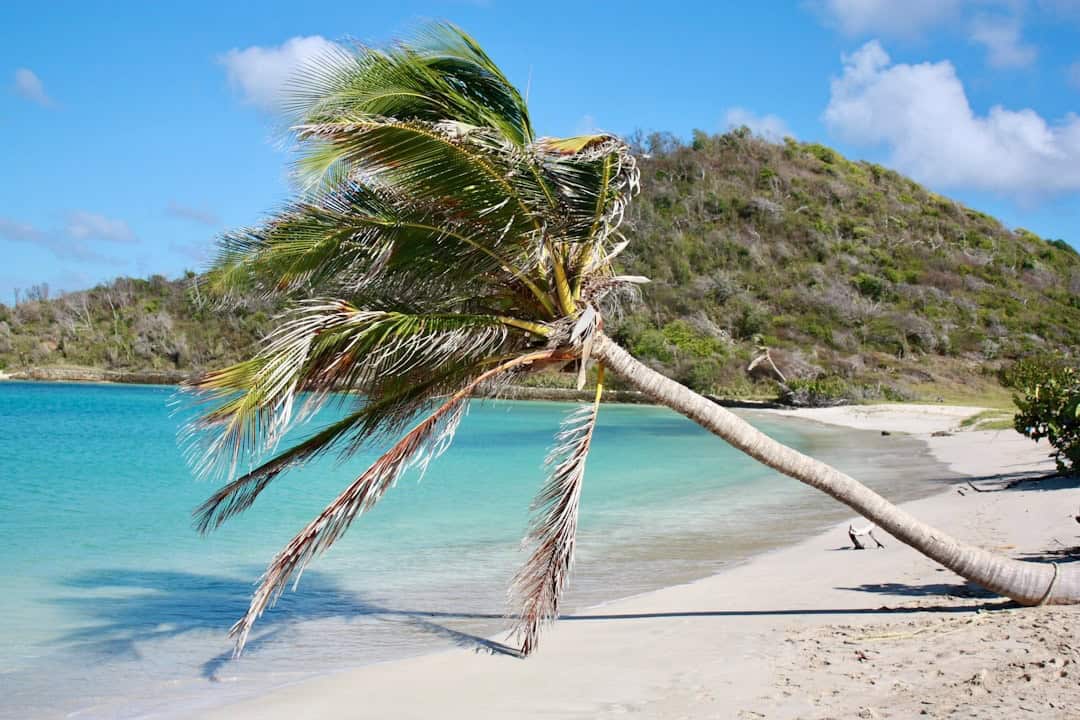
Last September, I paid $148 round-trip from Miami to Aruba and spent five nights at a beachfront boutique hotel for $165 a night. The water was flat, the beaches were quiet, and I barely saw a cloud.
That’s hurricane season in the Caribbean — misunderstood, deeply discounted, and (if you plan smartly) one of the best travel hacks of 2026.
Key Takeaways
- Hurricane season runs June 1–November 30, with peak risk from mid-August to mid-October.
- Aruba, Bonaire, and Curaçao sit outside the main hurricane belt and are historically lower-risk.
- Flights from the U.S. can drop below $200 round-trip in September.
- Flexible bookings and travel insurance are non-negotiable during peak months.
- Late June and early November often offer the best balance of price and weather.
Here’s how to travel the Caribbean during hurricane season in 2026 without gambling your vacation.
First: Understand the 2026 Hurricane Timeline
Officially, hurricane season runs from June 1 to November 30. But not all months are equal.
June and early July are typically calmer. Storm activity ramps up in late August, peaks in September, and stays active into October. By early November, risk starts tapering off.
If you’re planning summer travel right now (May 2026), aim for late June or early July departures. If you’re eyeing ultra-cheap deals, September is where prices plunge — just know you’re trading savings for higher weather risk.
The Safest Caribbean Islands During Hurricane Season
If you want beach weather with minimal stress, go south.
1. Aruba
Aruba sits outside the main hurricane belt, just 15 miles off the coast of Venezuela. Direct hits are rare.
Expect steady trade winds, 85°F days, and low rainfall even in September. Eagle Beach is wide and never feels claustrophobic — skip Palm Beach if you hate cruise crowds.
Average September hotel rates in 2026: $150–$220 per night for solid 4-star properties.
2. Bonaire
If you dive, this is your island. Bonaire’s reef system starts practically at the shoreline.
It’s quiet, less commercial, and far less storm-prone than Puerto Rico or the Bahamas. Flights can be slightly pricier, but hotel deals in hurricane season are excellent.
3. Curaçao
Think colorful Dutch architecture meets Caribbean beaches.
Willemstad is walkable, vibrant, and full of small restaurants instead of all-inclusives. I’d take it over Nassau any day.
If you’re looking for more budget-friendly picks beyond these three, check out our guide to affordable Caribbean islands for summer 2026 — several options overlap with lower-risk zones.
High-Risk (But High-Reward) Islands
Now let’s talk about the deals everyone’s tempted by.
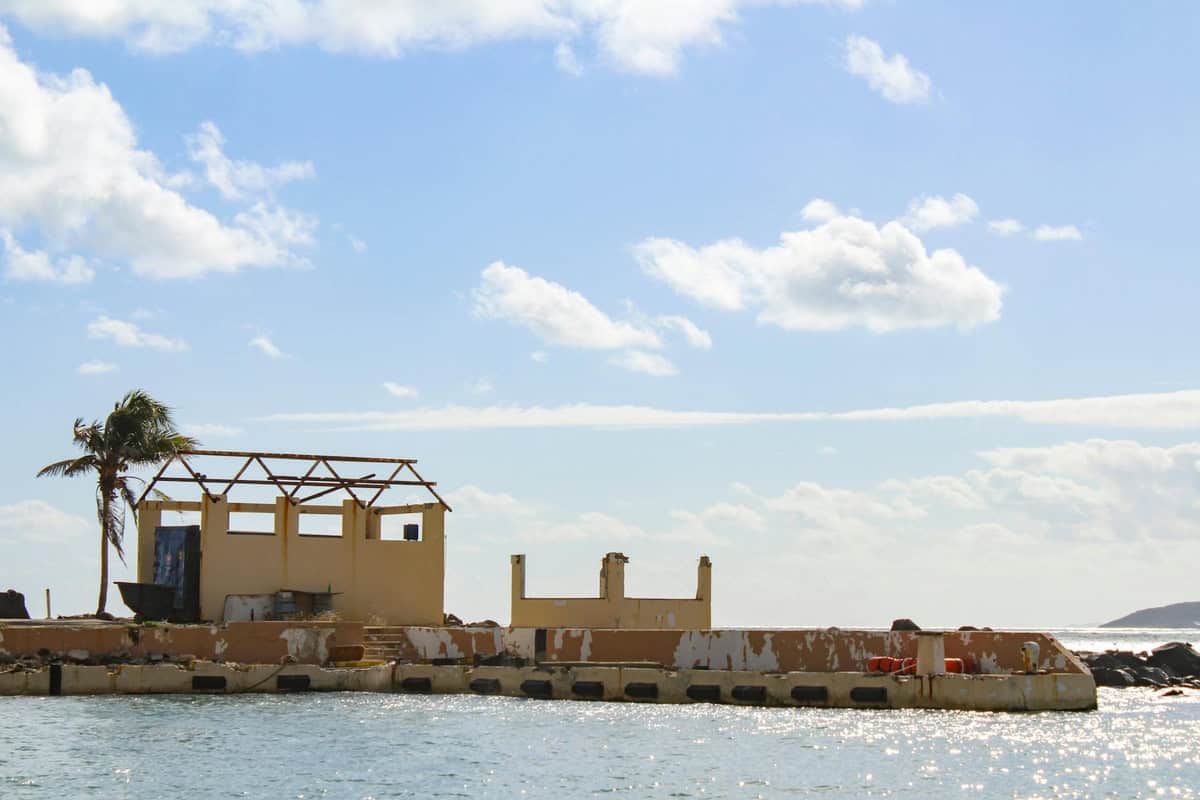
Puerto Rico
No passport needed for U.S. travelers, great food scene, strong infrastructure. But it’s squarely in the hurricane belt.
September 2026 fares from New York are already dipping under $180 round-trip. Resorts slash prices by 30–50%.
Would I go? Yes — but only with flexible cancellation and solid insurance.
Bahamas
Close to Florida. Extremely exposed to storms.
If you’re booking Nassau in peak September, understand you might spend a day or two indoors. On the flip side, you can snag 4-star resorts for under $140 a night.
Dominican Republic
Punta Cana deals look incredible in late August — sometimes under $120 per night all-inclusive.
But large resorts can feel isolating if weather turns bad. If you go, choose a property with strong amenities and airport transfer flexibility.
How to Book Smart in 2026
This is where most travelers mess up. Hurricane season isn’t about luck — it’s about flexibility.
- Book refundable rates. Non-refundable “deal” rates aren’t worth the stress.
- Buy travel insurance with weather coverage. Look for policies covering named storms.
- Schedule morning flights. Storm disruptions worsen later in the day.
- Download airline apps. Rebooking is faster in-app than in airport lines.
- Plan 1–2 buffer days if it’s a big trip.
Also, if you’re connecting through major hubs like Miami or Atlanta, consider staying nearby the night before. Airport hotels with runway views are surprisingly fun — here’s a guide to airport hotels that make layovers worth it.
Tech Tips That Actually Matter During Hurricane Season
This is a modern travel blog — so let’s talk tech.
Weather apps like Windy and MyRadar give far more detailed tracking than default phone apps. I check storm spaghetti models daily when traveling in peak season.
Also, staying connected matters when plans change. The new encrypted RCS messaging between Android and iPhone (rolling out widely with iOS 26.5) makes it easier to coordinate with travel companions internationally without relying on spotty SMS.
And yes — bring a small power bank. Storm-related delays often mean crowded outlets at airports.
When Hurricane Season Is Actually Worth It
Here’s my honest take.
If this is your once-in-a-lifetime honeymoon? Don’t risk peak September.
If you’re flexible, budget-conscious, and okay adjusting plans? Hurricane season can feel like a private-island discount event.
Late June, early July, and early November are sweet spots. September is for deal hunters who understand the gamble.
Budget Breakdown: What You Can Realistically Spend
For a 5-night September 2026 trip from the U.S. East Coast to Aruba:
- Flights: $150–$250 round-trip
- Hotel: $800–$1,000 total (4-star beachfront)
- Food & activities: $400–$600
- Insurance: $60–$120
Total: roughly $1,500–$1,900 per person — often 30–40% cheaper than peak winter rates.
That same trip in February? Easily $2,500+.
Final Verdict: Should You Travel During Hurricane Season?
Yes — if you choose the right island and book intelligently.
Stick to Aruba, Bonaire, or Curaçao for lower stress. Gamble on Puerto Rico or the Bahamas only if the discount is substantial and your plans are flexible.
Hurricane season travel isn’t reckless. It’s strategic.
If you’re planning a Caribbean escape this summer or fall, start tracking fares now and build flexibility into every booking. The deals are real — but smart planning is what turns them into a win.
Ready to start price-checking? Set fare alerts, compare islands, and don’t wait until August when everyone suddenly remembers hurricane season exists.
If you want a place to stay while planning Hurricane Season Travel in the Caribbean 2026, browse hotels in the Caribbean and compare prices for your travel dates.
Frequently Asked Questions
Is it safe to travel to the Caribbean during hurricane season?
Yes, especially in lower-risk islands like Aruba, Bonaire, and Curaçao. Risk increases in September and October, so flexible bookings and insurance are essential.
What is the cheapest month to visit the Caribbean in 2026?
September typically offers the lowest prices, with flights under $200 round-trip from many U.S. cities and hotel rates 30–50% below winter highs.
Which Caribbean islands are outside the hurricane belt?
Aruba, Bonaire, and Curaçao sit south of the main hurricane belt and are historically less likely to experience direct hits.
Should I buy travel insurance for hurricane season travel?
Absolutely. Choose a policy that covers trip cancellation or interruption due to named storms, especially for August through October trips.

About the Author: Tomáš Bzirský
Founder and editor of Distratech. Based in the Czech Republic, travelling regularly from Central Europe. Writes practical travel guides and travel-tech comparisons (eSIM, apps, airports) in six languages.