I’ve hiked in Patagonia, the Dolomites, and Zion — but few trails have surprised me like the Alto de Garajonay route through Garajonay National Park in La Gomera.
When Lonely Planet named it one of the world’s best hiking trails, I was skeptical. After 12 kilometers of misty laurel forest, volcanic ridgelines, and ocean views that look Photoshopped, I get it.
And May is arguably the perfect time to do it.
Key Takeaways
- The Alto de Garajonay loop is 10–12 km and takes 4–5 hours at a relaxed pace.
- Garajonay National Park is free to enter; parking areas are also free.
- Late spring (April–June) offers cooler temps around 18–23°C (64–73°F) and fewer crowds.
- You can reach La Gomera by 50-minute ferry from Tenerife (from €35 one-way).
- Start early (before 9:30am) to avoid midday cloud cover and tour groups.
Why This Trail Is So Special
Garajonay National Park is a UNESCO World Heritage Site — and not the dramatic, jagged kind you expect in the Canary Islands.
Instead, it’s a prehistoric laurel forest. Think moss-draped trees, twisted trunks, and mist rolling through the canopy like a fantasy movie set.
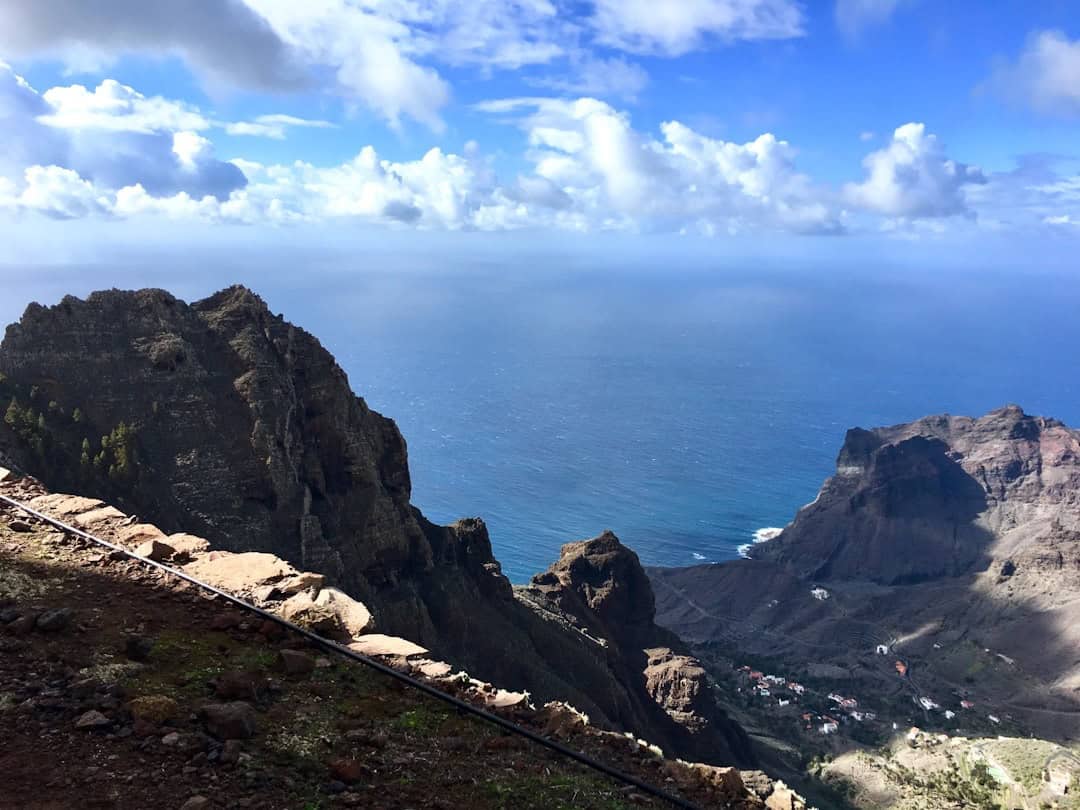
The Alto de Garajonay trail takes you to the island’s highest point (1,487 meters / 4,879 feet). On a clear day, you can see Tenerife and Mount Teide rising above the clouds.
On a cloudy day? It feels like hiking inside a dream.
The Route: What to Expect Step-by-Step
The classic route most travelers do is a circular hike starting near the Laguna Grande recreation area.
Here’s how it breaks down:
- Laguna Grande to Alto de Garajonay summit (approx. 4 km)
A steady incline through dense forest. Not brutal, but you’ll feel it. - Summit viewpoint stop (20–30 minutes)
Rocky platform with panoramic views. Bring a light jacket — wind picks up here. - Ridge trail toward Degollada de Peraza (3–4 km)
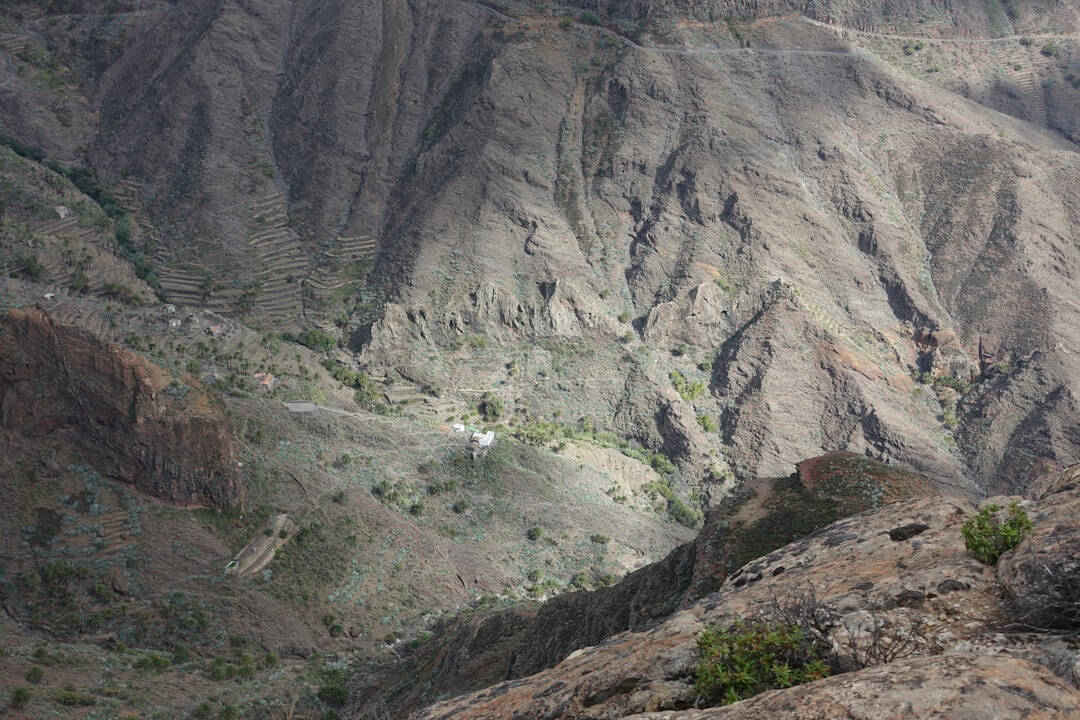
This is the money shot section. Rolling hills, open vistas, and dramatic volcanic terrain. - Return loop through forest paths (3–4 km)
Quieter trails, birdsong, and shaded paths — great for cooling down.
Total hiking time: 4–5 hours with photo stops. Fit hikers can do it in 3.5, but why rush?
Why Late Spring (Right Now) Is the Sweet Spot
Summer in the Canary Islands is beautiful — but hotter and busier.
Late May and early June give you:
- Mild temperatures (highs around 20°C / 68°F at elevation)
- Wildflowers along the ridges
- Long daylight hours (sunset after 8:30pm)
- Noticeably fewer tour buses than July–August
The trade winds create a “sea of clouds” effect that often sits below the summit in the morning. If you time it right, you’ll hike above a white ocean of mist.
Pro tip: Check the weather the night before. Garajonay creates its own microclimate.
How to Get to La Gomera
There’s no direct international airport here — and that’s part of the charm.
Most travelers fly into Tenerife South (TFS). If you have a layover, I’m a fan of turning it into part of the trip — especially if you love aviation views like the ones featured in these runway-view airport hotels.
From Tenerife, take a ferry from Los Cristianos to San Sebastián de La Gomera:
- Duration: 50–60 minutes
- Price: €35–€45 one-way
- Operators: Fred. Olsen Express or Naviera Armas
Rent a car on arrival (around €30–€45 per day in May). Public transport exists, but schedules are limited and you’ll want flexibility.
Is It Difficult?
Moderate. Not technical.
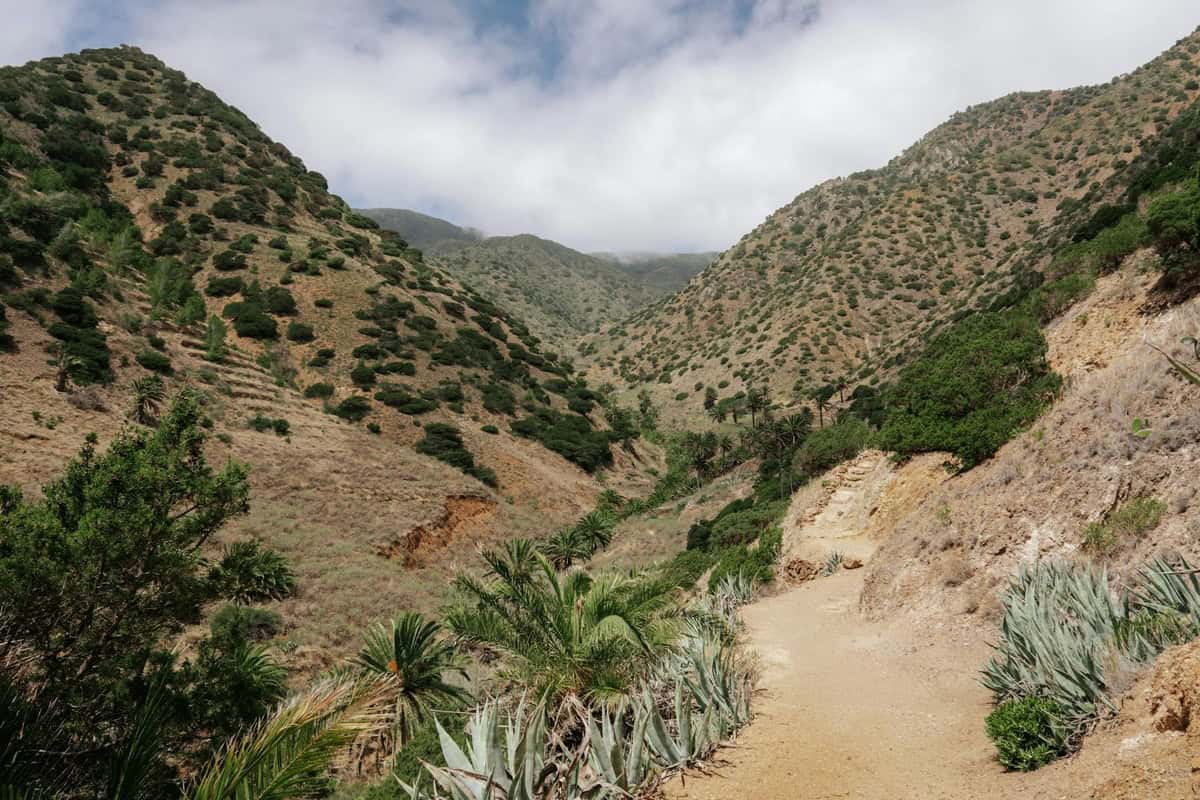
If you can handle a steady uphill walk for 60–90 minutes, you’ll be fine. The paths are well-marked, and signage is excellent.
That said, wear proper hiking shoes. The volcanic gravel can get slippery, especially if the mist rolls in.
What Most Tourists Get Wrong
They treat La Gomera as a day trip from Tenerife.
Big mistake.
You’ll spend more time in transit than on the trail. Stay at least one night — ideally two.
San Sebastián has boutique guesthouses from €60–€90 per night in spring. Valle Gran Rey on the west coast is even better if you want sunset views and relaxed beach vibes.
Also: Don’t only hike to the summit and back. The ridge section is the highlight, and many short tours skip it.
Where to Eat After the Hike
You’ve earned it.
In San Sebastián, head to La Salamandra for grilled cherne (local fish) and papas arrugadas with mojo sauce. Expect €18–€25 per person with wine.
In Valle Gran Rey, El Baifo does excellent goat stew — hearty, local, and perfect after 12 km on your feet.
Avoid the generic tourist menus near the ferry port offering “pizza + paella + burger” combos. If the menu is in five languages and laminated, keep walking.
Smart Tech Tips for the Trail
This is where modern travel makes life easier.
- Download offline maps on Google Maps or AllTrails — signal can drop in the forest.
- Bring a power bank (10,000 mAh is plenty) — you’ll take more photos than expected.
- Check wind conditions via Windy or AEMET Spain the morning of your hike.
- Use encrypted messaging if coordinating with friends internationally — especially helpful with new cross-platform RCS updates improving traveler communication.
And yes, drones are restricted in national parks without permits. Don’t be that person.
How It Compares to Other “World’s Best” Trails
Unlike bucket-list hikes that require permits (looking at you, Torres del Paine W Trek), Garajonay is refreshingly accessible.
No lottery. No entrance fee. No 6am queue.
It’s also quieter than Europe’s headline trails like the Tour du Mont Blanc — and significantly cheaper.
In a year when global travel demand is surging in many regions, including events like the 2026 World Cup host cities seeing booking spikes, places like La Gomera feel like a well-kept secret.
Sample 2-Day Plan
If you want to do this right:
Day 1:
Morning ferry from Tenerife → check into hotel → afternoon coastal walk in Valle Gran Rey → sunset dinner.
Day 2:
Early breakfast → drive to Laguna Grande by 9am → complete Alto de Garajonay loop → late lunch in San Sebastián → evening ferry back.
Budget estimate (per person, excluding flights):
- Ferry round-trip: ~€70
- Car rental (2 days, split between 2 people): ~€40–€60
- Accommodation (1 night, mid-range): ~€70–€100
- Food: ~€40–€60
Total: roughly €220–€290 for a mini adventure that feels far more remote than it is.
Is It Worth the Hype?
Absolutely.
Not because it’s extreme. Not because it’s Instagram-famous.
But because it feels untouched.
In a world where many “best hikes” are crowded conveyor belts of trekking poles and selfie sticks, Alto de Garajonay still feels personal.
If you’re planning a European escape this summer and want something active, scenic, and refreshingly under the radar — this is your move.
Book the ferry. Pack proper shoes. Start early.
And when you’re standing above the clouds with Tenerife rising in the distance, you’ll understand why Lonely Planet put this trail on the map.
Thinking of adding La Gomera to your Canary Islands itinerary this season? Save this guide, share it with your hiking partner, and start planning before peak summer prices kick in.
If you’re planning a hike on La Gomera in late spring, you can check hotels in La Gomera here and book ahead for the best stays.
Frequently Asked Questions
How long is the Alto de Garajonay hike?
The full circular route is about 10–12 km (6–7.5 miles) and takes 4–5 hours at a relaxed pace with photo stops. Fit hikers can complete it in around 3.5 hours.
Is Garajonay National Park free to enter?
Yes, entry to Garajonay National Park is free, and most parking areas like Laguna Grande are also free. There’s no permit required for standard day hikes.
When is the best time to hike in La Gomera?
Late spring (April–June) and autumn (September–November) offer mild temperatures and fewer crowds. In May, expect 18–23°C (64–73°F) at elevation.
Can you visit La Gomera as a day trip from Tenerife?
Yes, but it’s rushed. The ferry takes about 50–60 minutes each way, so staying at least one night lets you explore beyond just the summit trail.

About the Author: Tomáš Bzirský
Founder and editor of Distratech. Based in the Czech Republic, travelling regularly from Central Europe. Writes practical travel guides and travel-tech comparisons (eSIM, apps, airports) in six languages.